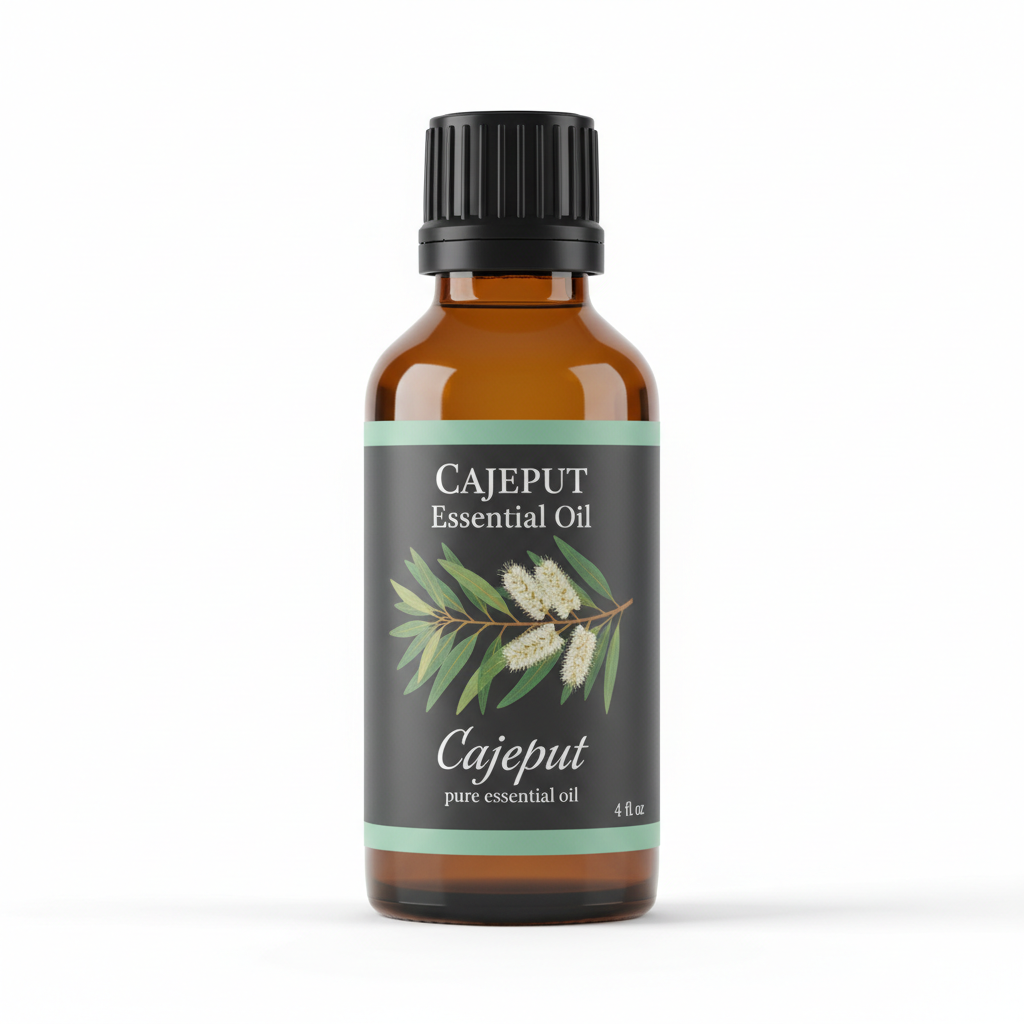
Does Cajeput Oil Go Bad? How to Tell and What to Do
Cajeput oil rarely spoils overnight, but it does age. Here are the signs to watch for, how long a bottle lasts, and what to do with one past its best.

Cajeput Oil Around Cats and Dogs: What to Know
If a cat or dog shares your home, here is what the toxicology says about cajeput oil, why cats need extra caution and how to scent a room more safely.

Cajeput Oil and Children: Why We Keep It Out of Reach
The reasoning behind our line that cajeput oil is not for babies or young children, from cineole guidance to where bottles and diffusers sit at home.

Is Cajeput Oil OK During Pregnancy or Breastfeeding?
Regulators advise caution with cineole-rich oils in pregnancy and nursing. Here is what they actually said, and what to ask your clinician.
Swallowed Cajeput Oil: What to Do First
If someone has swallowed cajeput oil, call poison control first. The steps, why the amount does not predict the outcome, and how accidents happen.
Cajeput Oil Benefits: What the Research Shows
Claims about cajeput oil benefits range from lab dishes to capsule trials. Here is how to tell what each study can and cannot say about a bottle at home.

Cajeput Oil and Congestion: Cool Scent, Clear Nose?
A cool, sharp scent can feel like clearer breathing. Here is what researchers measured, what a cineole trial tested, and when to see a doctor.

Cajeput Oil and Headaches: What the Studies Actually Say
Headache oil studies mostly involve peppermint, not cajeput. Here is what they found, how to read them, and when a headache needs a doctor first.
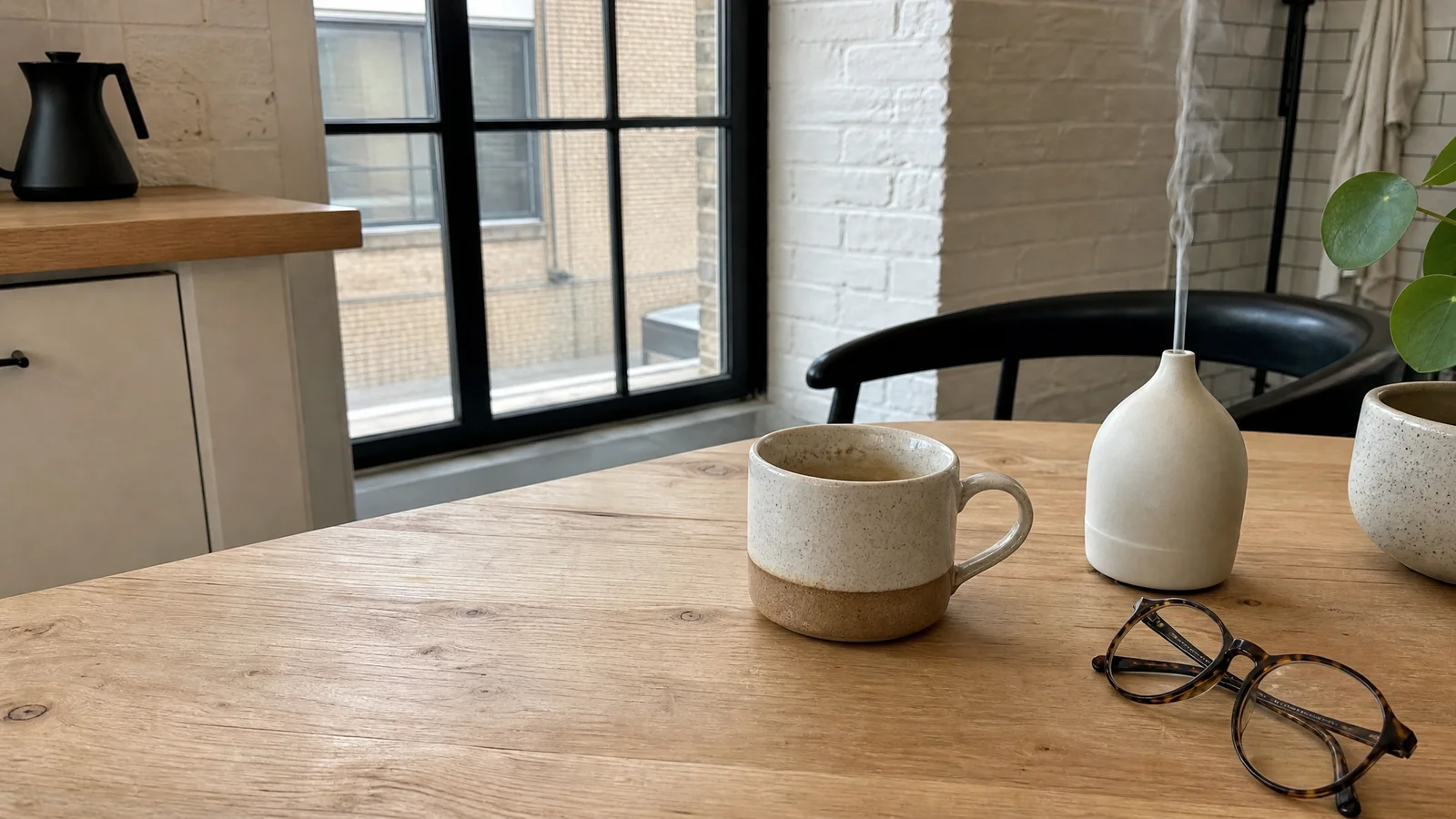
Cajeput at Your Desk: What the Aroma Studies Show
A crisp, cool scent can make a workspace feel inviting. Here is what the rosemary studies actually found, and what that means for cajeput.
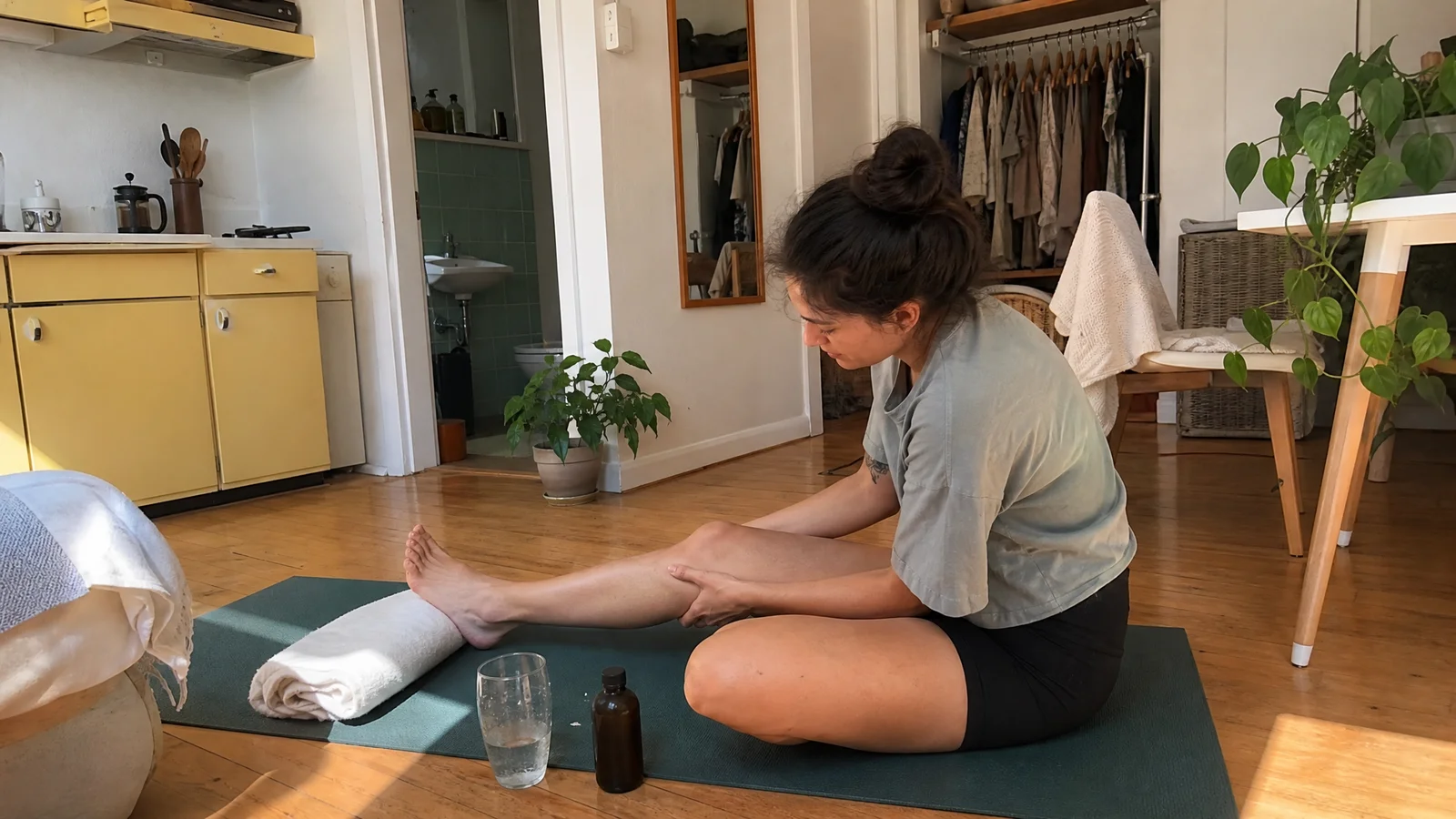
Why Cajeput Oil Feels Cool on Skin in Massage Blends
Why a cajeput rub feels cool on the skin, what the cineole research tested, and how a 0.5% to 2% blend compares with the rubs on the pharmacy shelf.
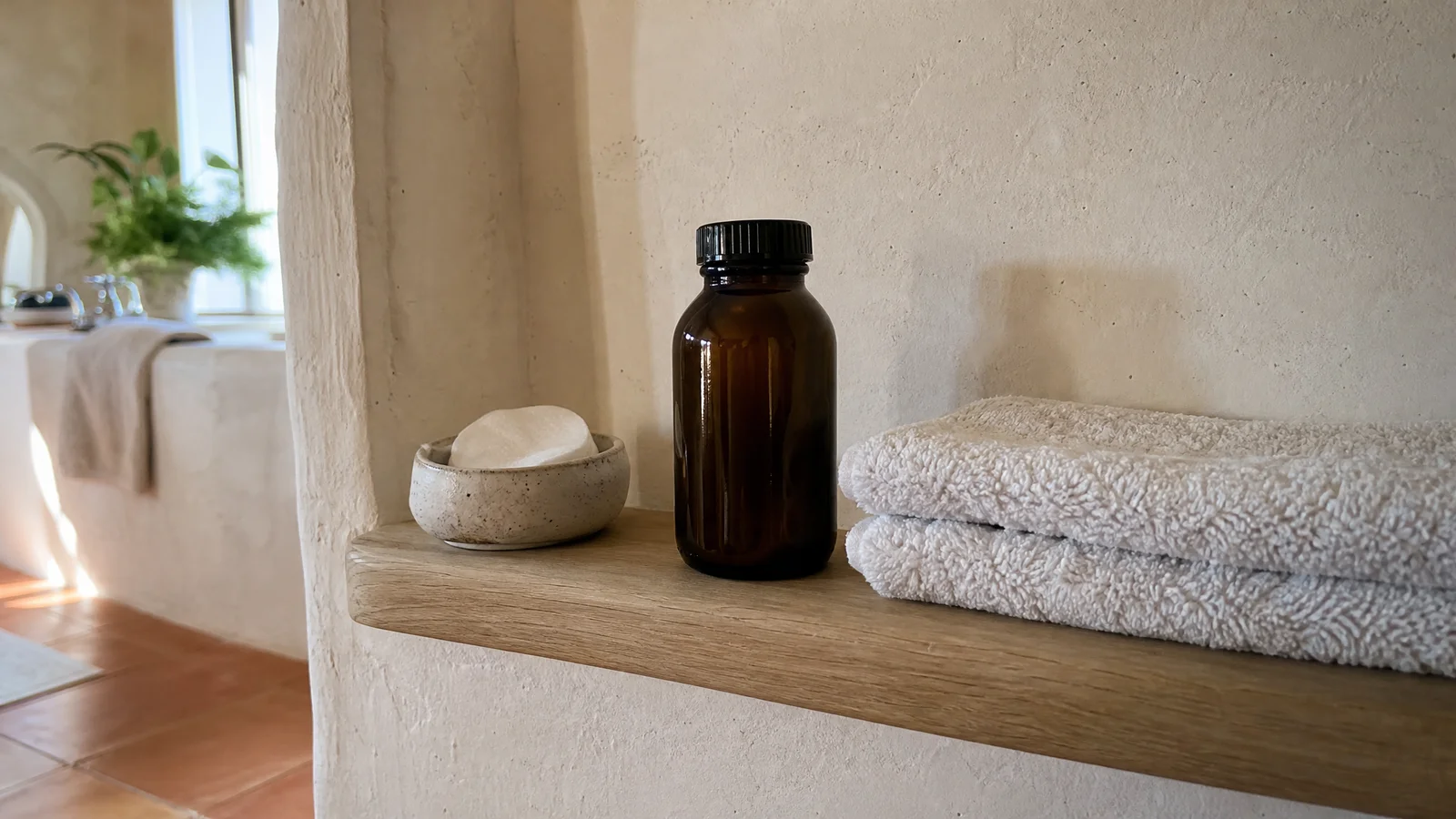
Cajeput Oil on Skin: Dilution, Patch Tests and Freshness
Three habits make cajeput oil comfortable on skin: dilute it, patch test for two days, and keep the bottle fresh. Here is how.

Cajeput Oil in Hair Mists and Leave-Ins: A Scent Guide
Cajeput brings a cool, fruity-camphorous top note to homemade hair products. Here is how much to use and how to keep it comfortable.

Does Cajeput Oil Repel Mosquitoes? Reading the Research
Cajeput shows up in mosquito repellency studies, but a registered repellent is the dependable choice. What the research shows and how to judge a label.
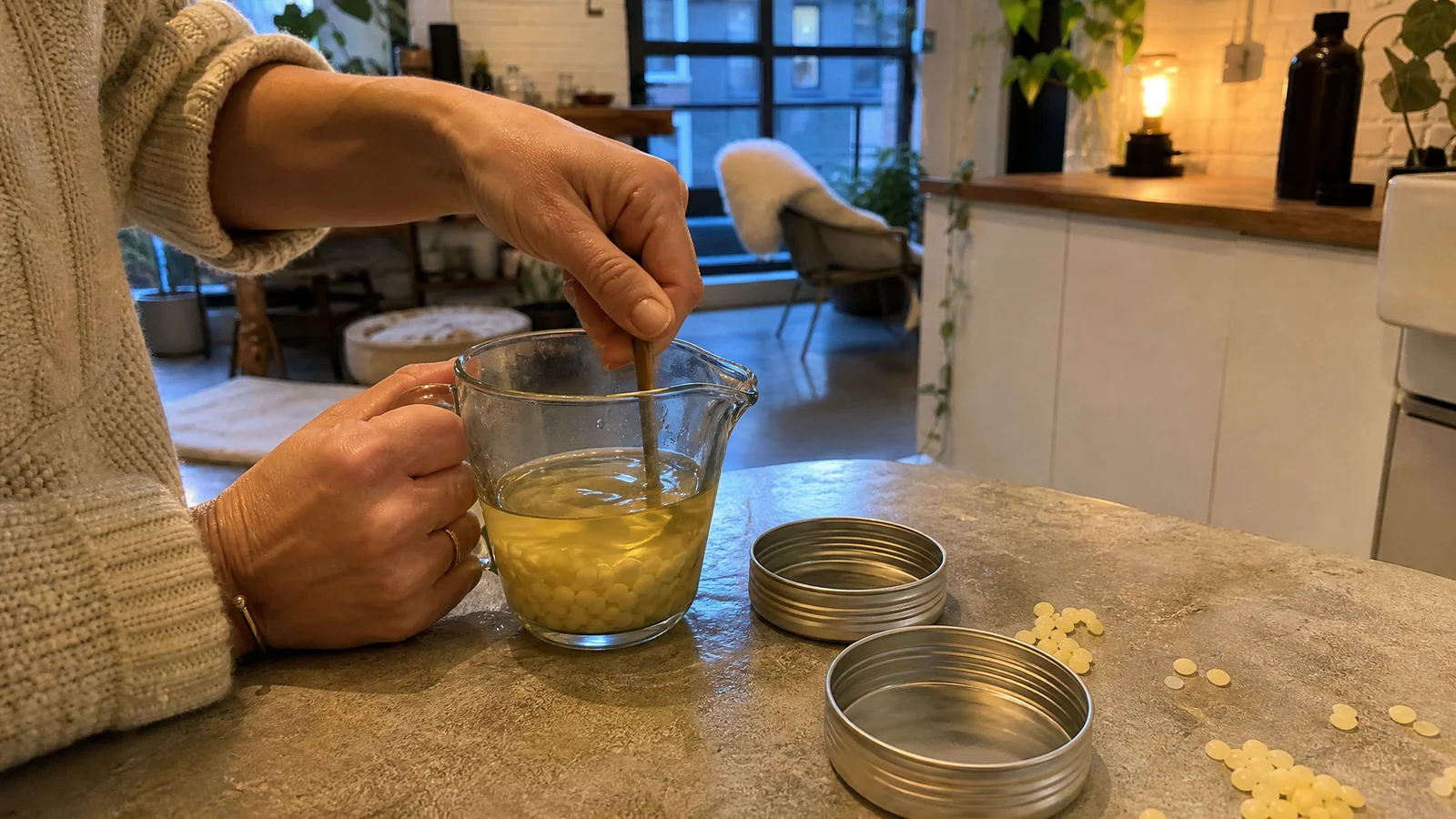
Cajeput Chest Balm Recipe: Easy to Weigh Out
Weigh your way to a balm of known strength: wax, carrier and cajeput by the gram, with the oil stirred in last to keep its scent.
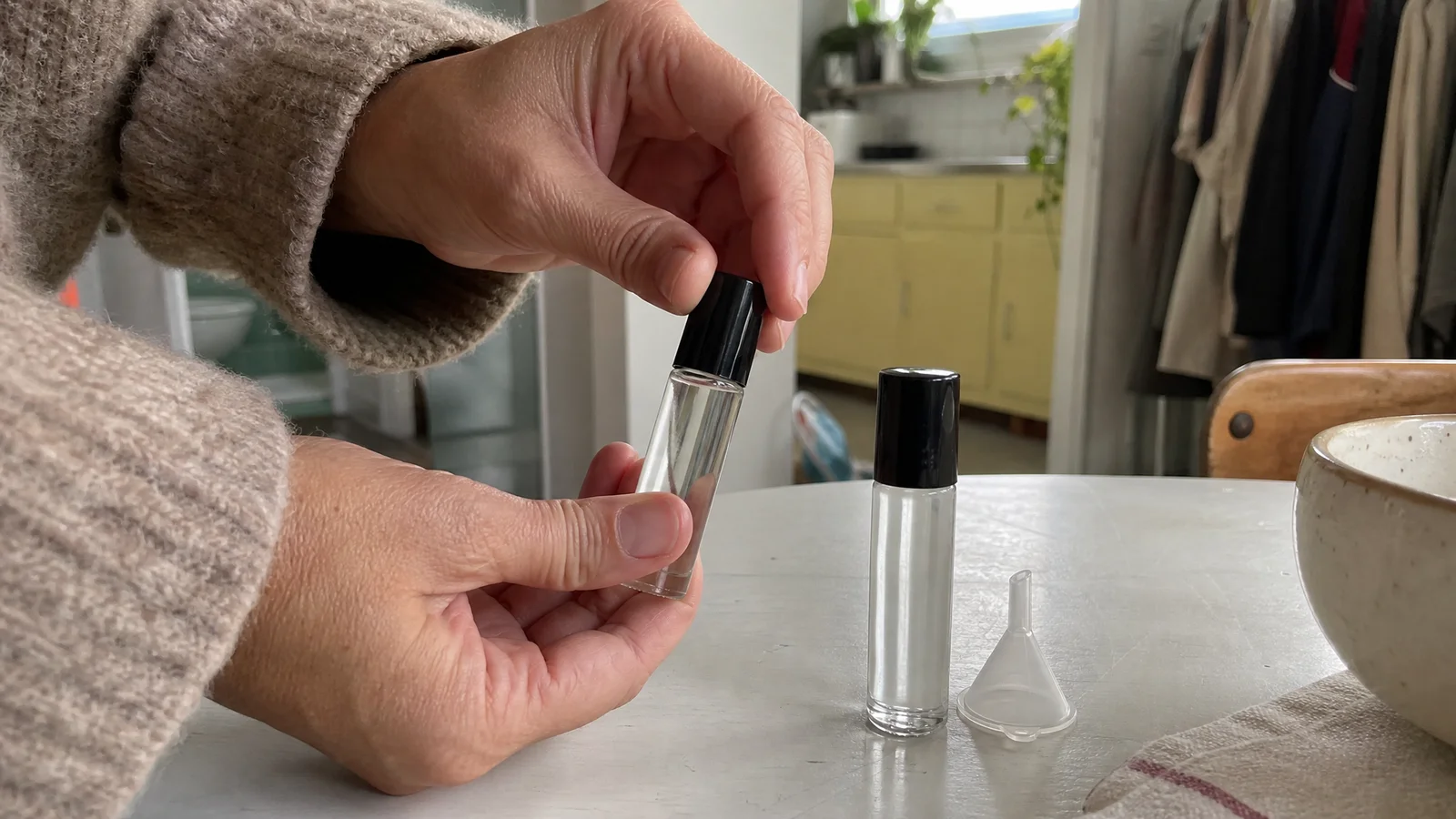
Cajeput Roller Bottle Dilution: How Many Drops?
Ten drops in a 10 ml roller can mean 2.5% to 5%. Here is the dilution maths, a method that skips the dropper, and how to keep a roller fresh.

How to Mix Cajeput Massage Oil: Batch Size and Dilution
Most massage oil mistakes come down to batch size, not percentage. Here is the dilution maths for 30, 60 and 100 ml, plus carrier and storage tips.
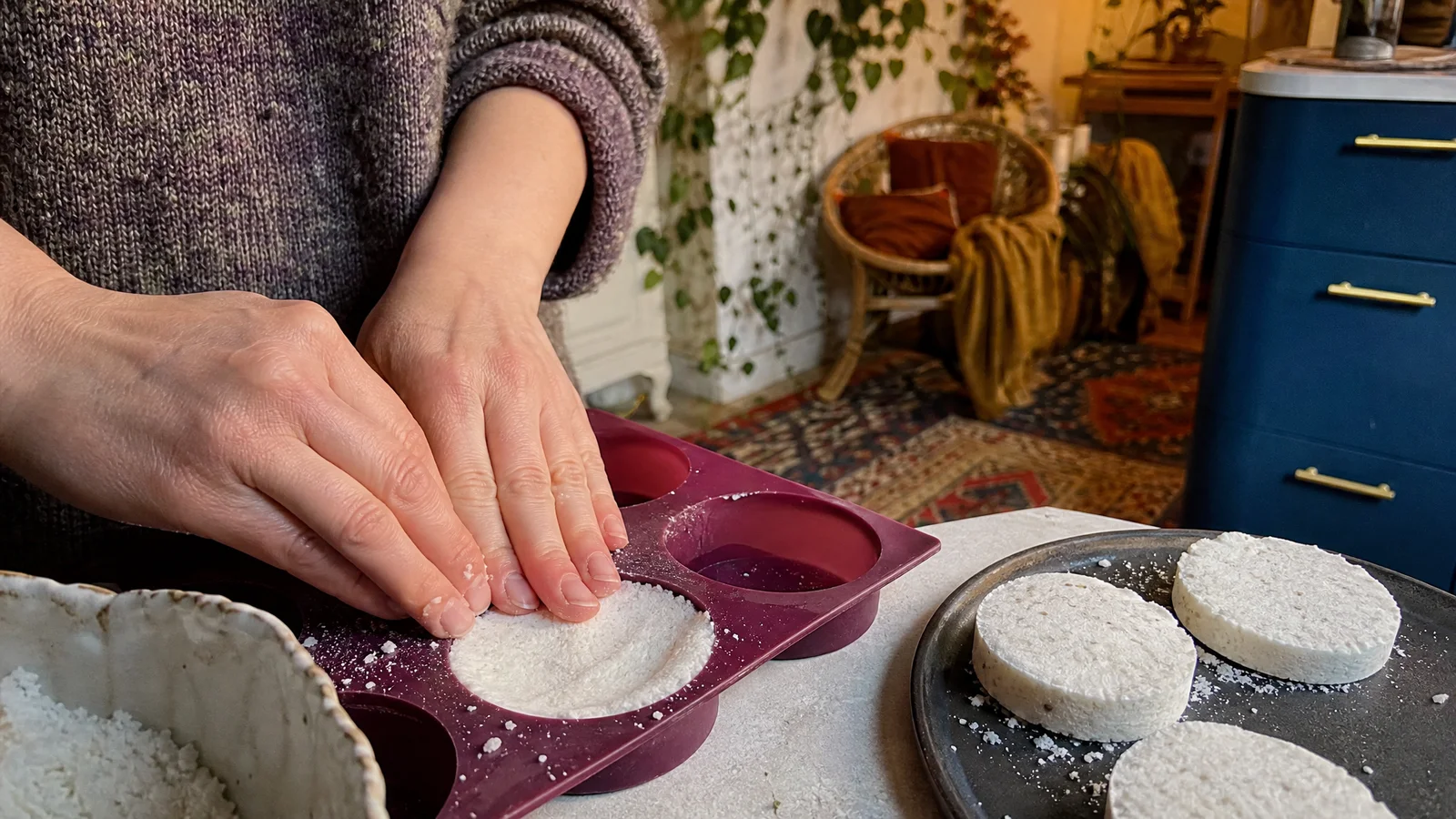
DIY Cajeput Shower Steamers Without the Slippery Floor
Why the fizz and the scent are two separate jobs, how to balance the puck, and how to keep cajeput from coating the shower floor.
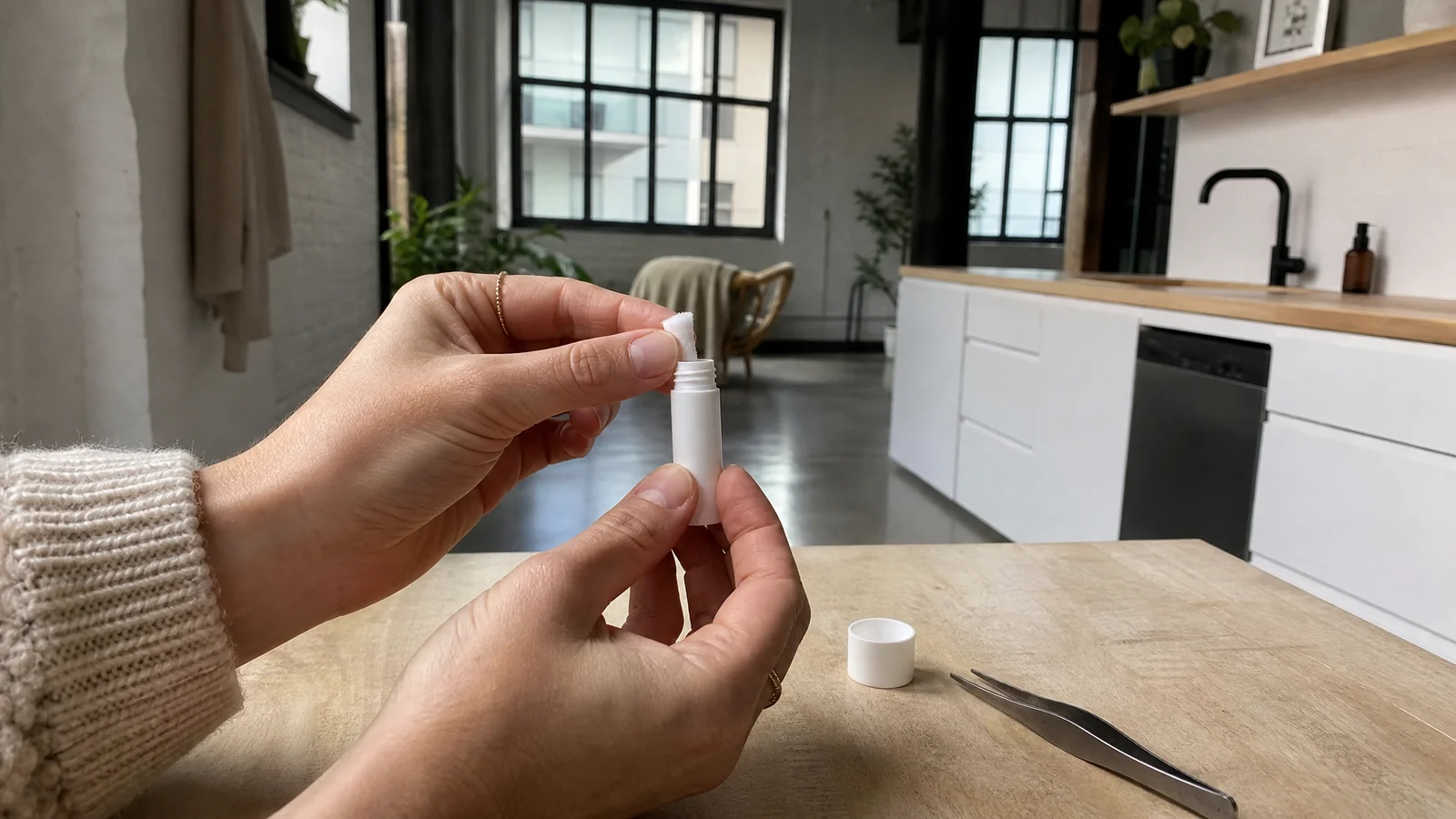
How to Make a Cajeput Scent Inhaler (Adults Only)
Let the wick, not a recipe, set the drop count. A five-step cajeput pocket scent inhaler for adults, with sensible limits.
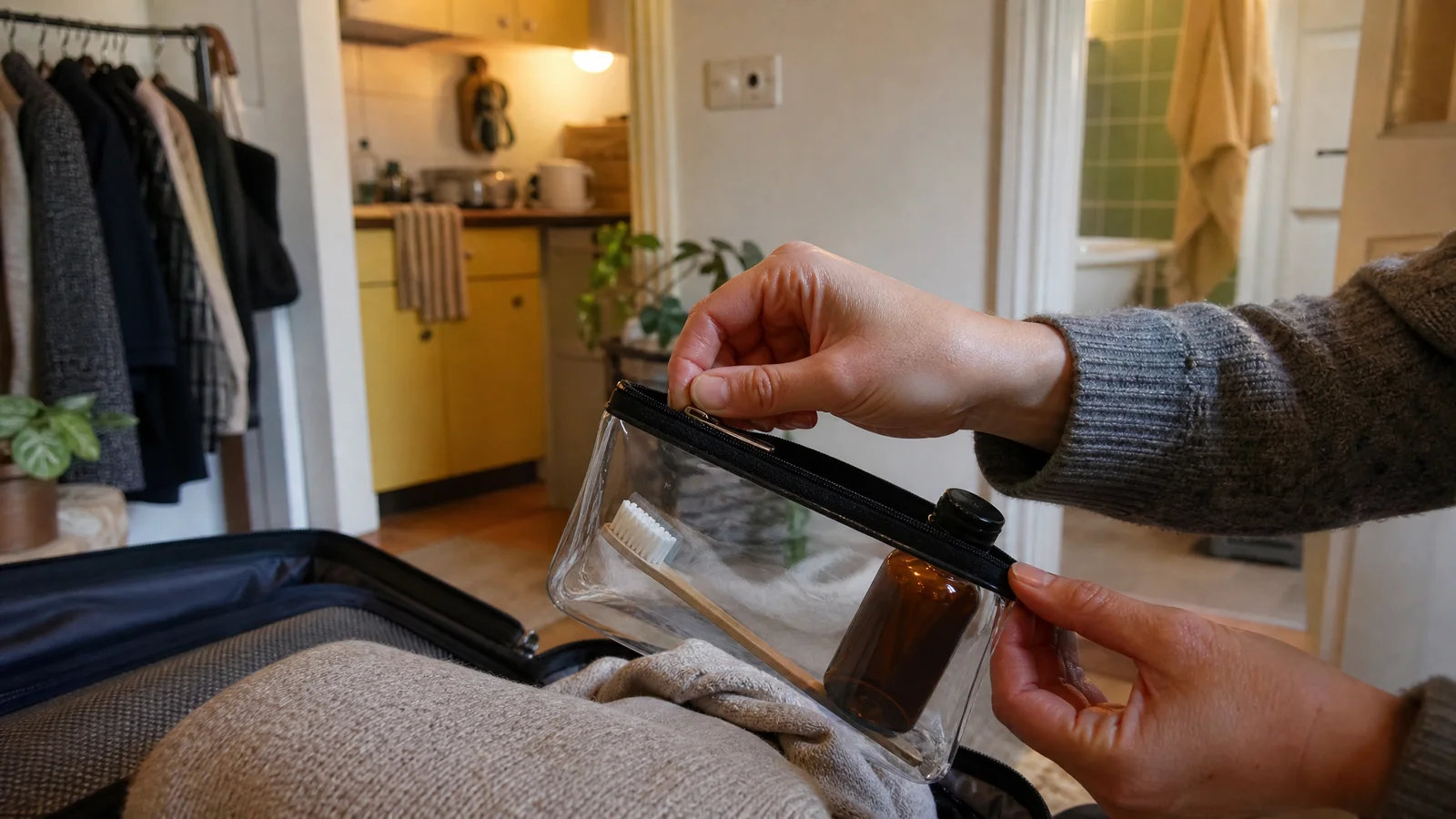
Can You Fly With Cajeput Oil? Packing Tips
A small bottle fits the TSA quart bag. The real trick is stopping leaks when cabin pressure drops, and a full bottle with a hard-seated cap does it.
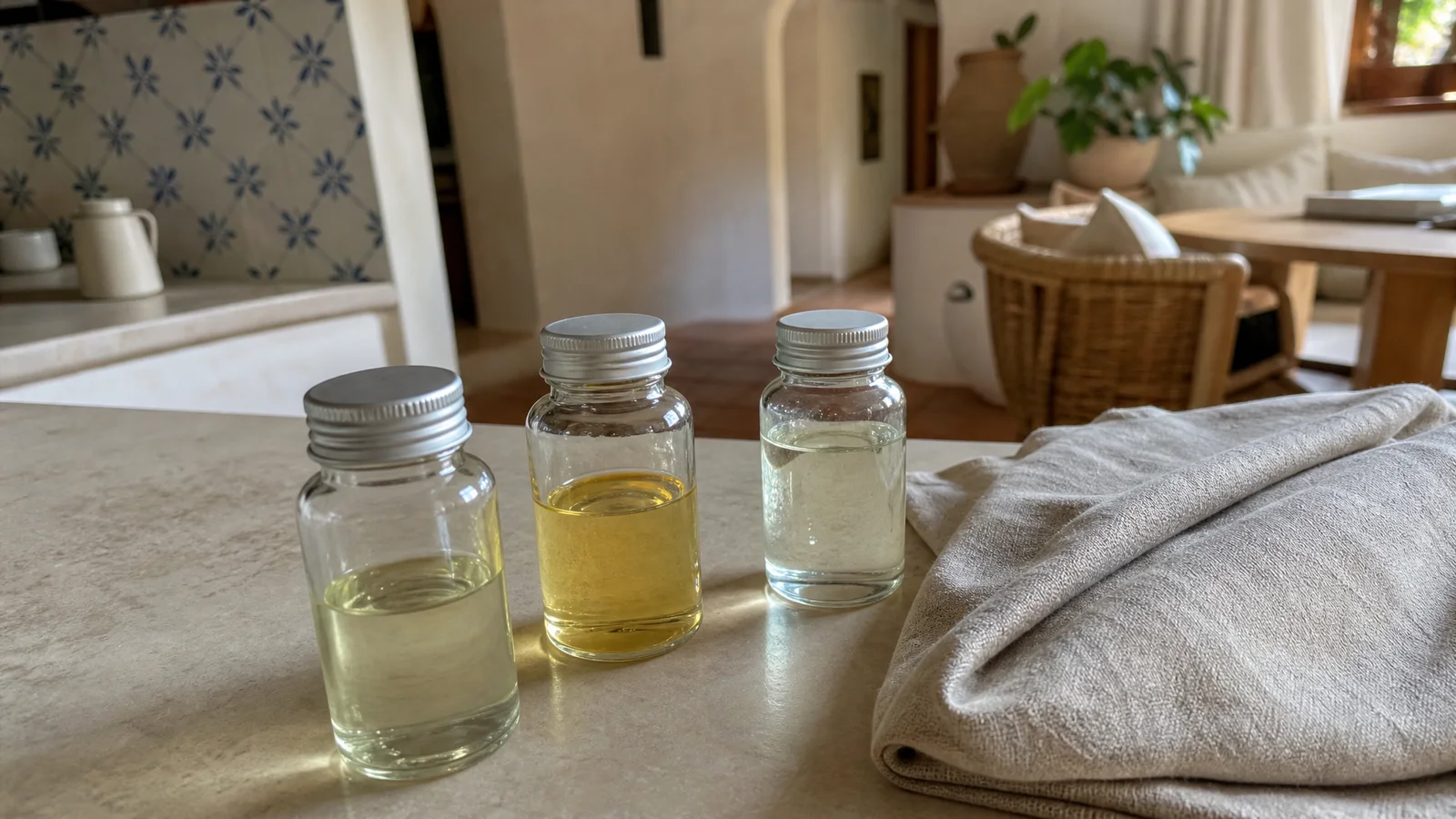
Best Carrier Oil for Cajeput: Choose by Shelf Life
In a cajeput blend the carrier is over 98% of the bottle. Here is how to choose one by how long it keeps, with drop counts for 10, 30 and 100 ml batches.
Organic Oil Labels Explained: What They Really Promise
Organic can mean grown, made or just a mood. See what a certificate covers, what residue data show, and how to shop if organic matters to you.

Buru Island Cajeput Oil: What the Name Tells You
Buru is a real home of wild cajeput and the seed source for Java, yet a place name is not a grade. What the record shows and what to ask.
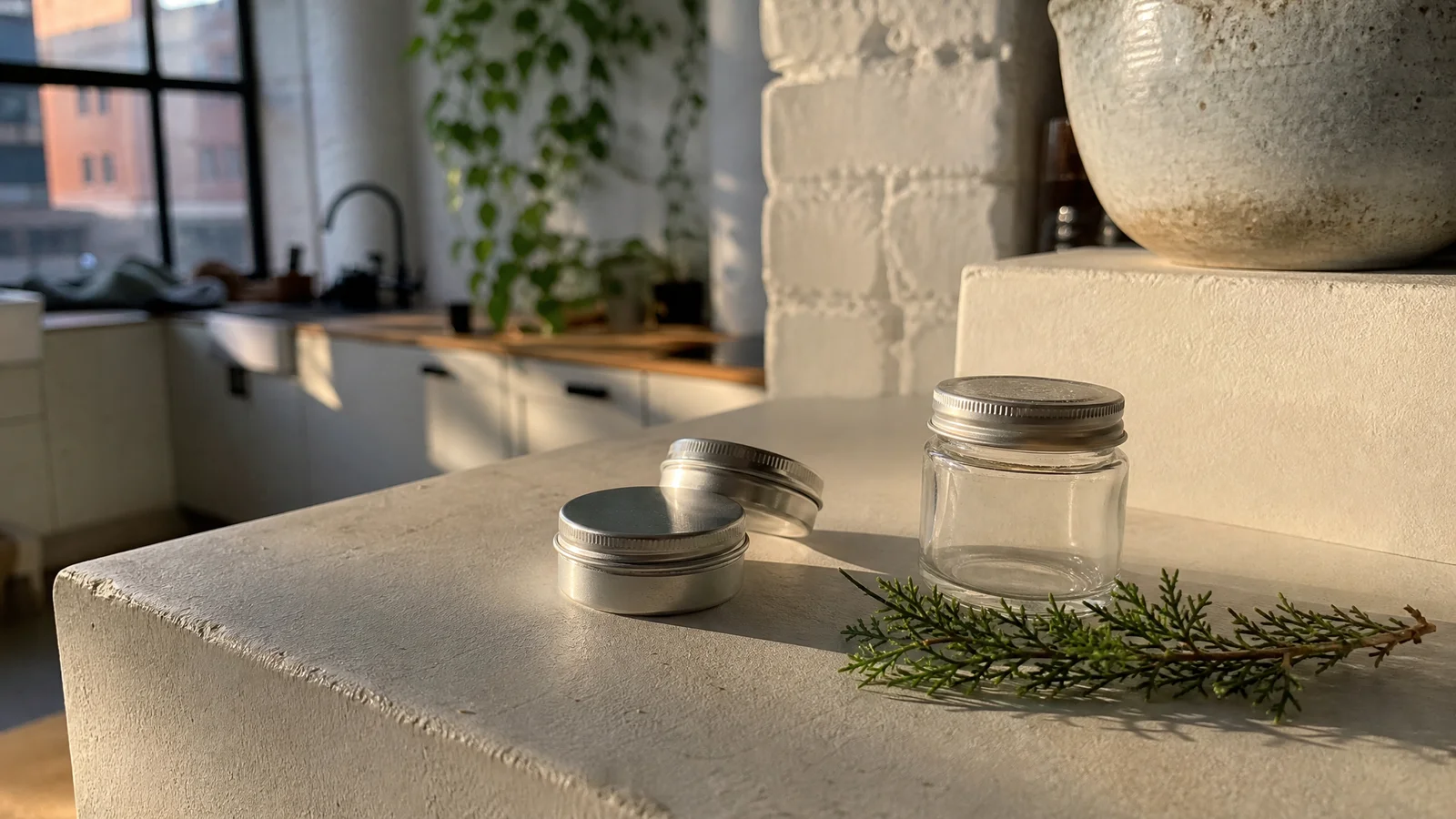
Is Cajeput in Tiger Balm? Reading Medicated Balm Labels
Cajuput is on a jar of Tiger Balm, but not among the actives. Seven balm labels show where it sits and how to read the next one you pick up.

Does the Cajeput Tree Grow Back? What It Means for Oil
Cajeput comes from a tree that sprouts again after cutting. Here is what forestry sources say about leaf harvest and what to ask any seller.
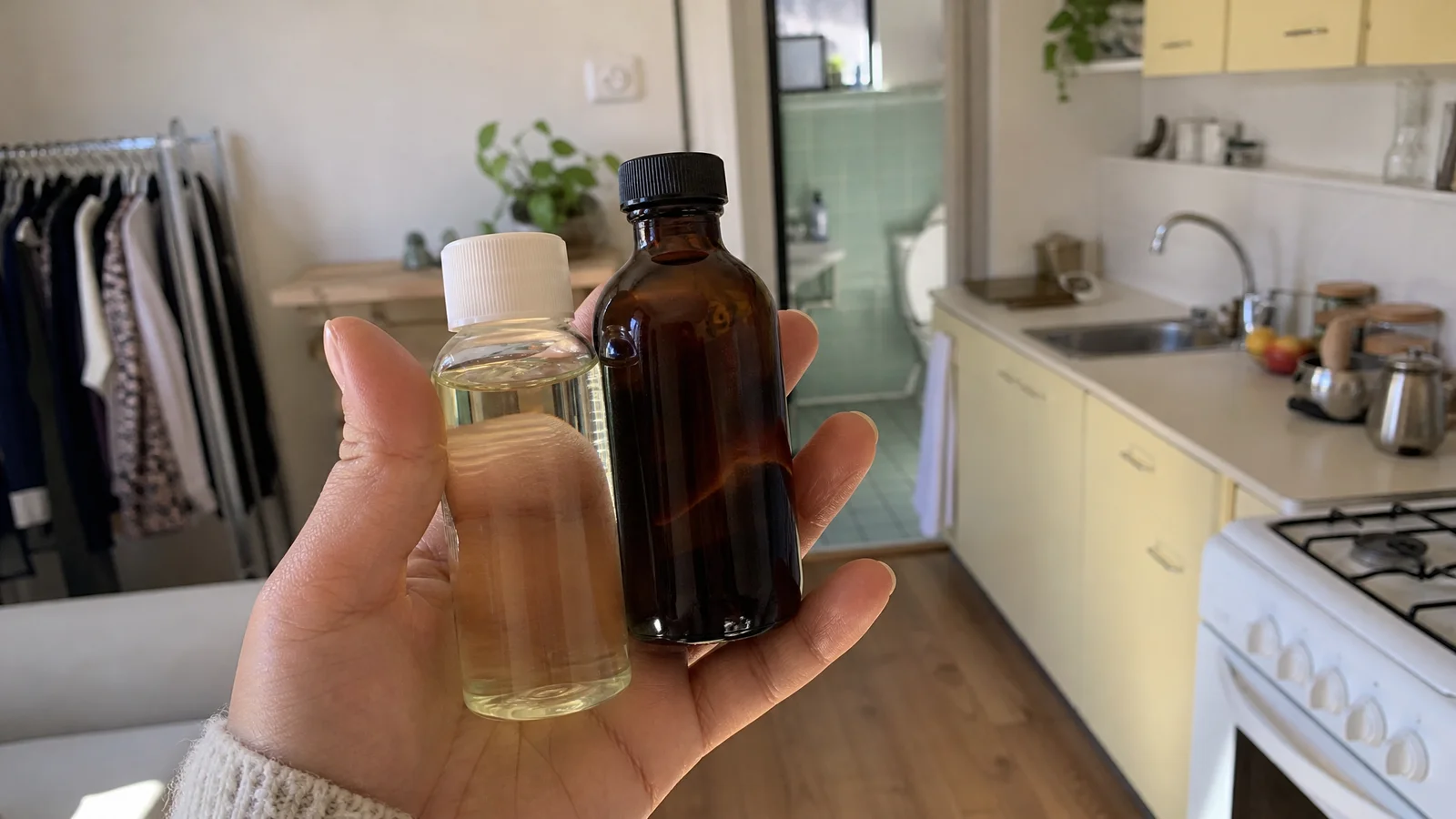
Minyak Kayu Putih vs Cajeput Essential Oil
Minyak kayu putih is a finished household product and cajeput essential oil is a raw material. Here is how to tell which bottle you hold.
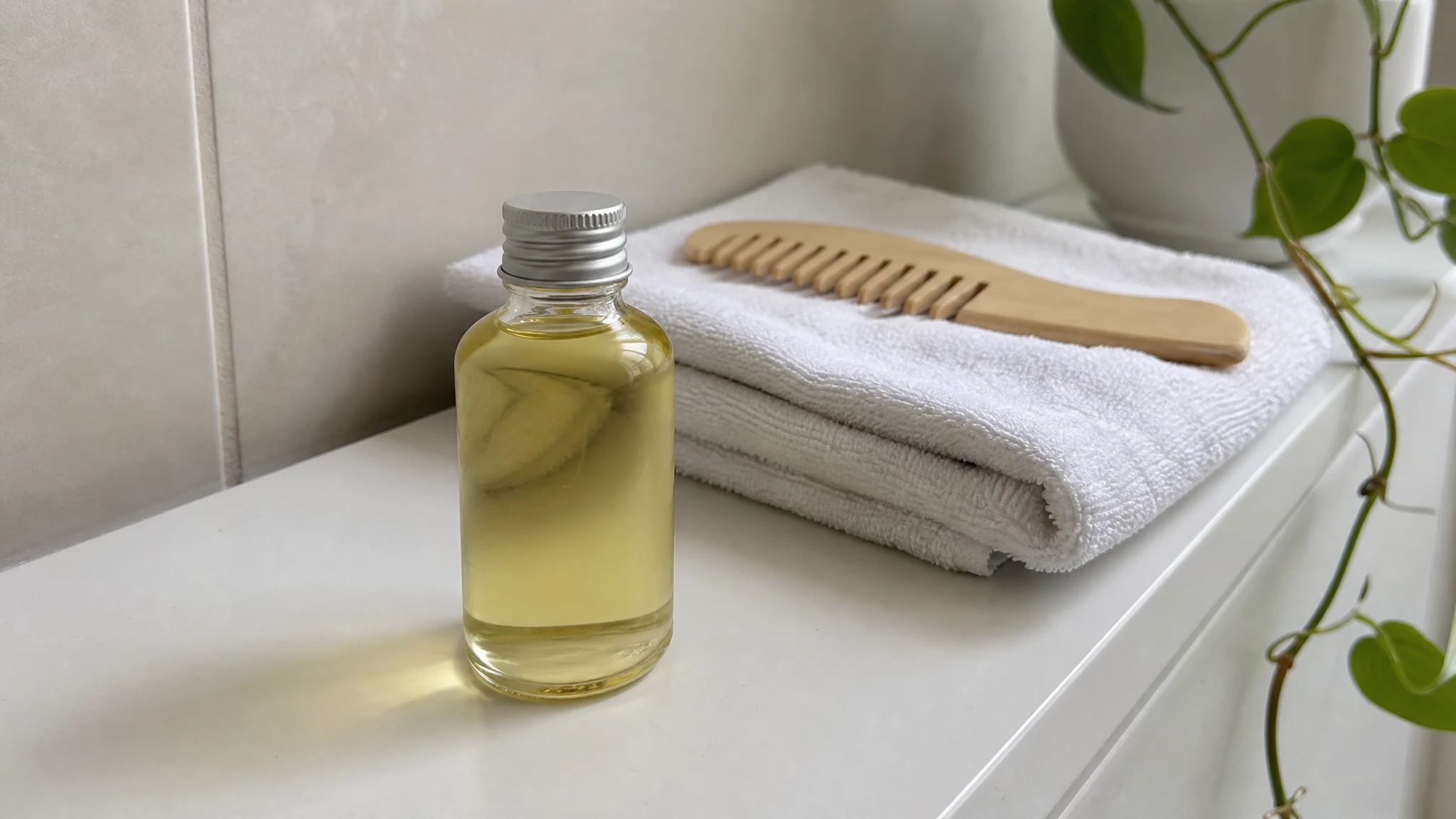
Cajeput Beard Oil and Splash: Two No-Water Recipes
Skip the witch hazel: a 0.5% cajeput beard oil and an alcohol splash, measured by weight, with no water to separate and no preservative needed.
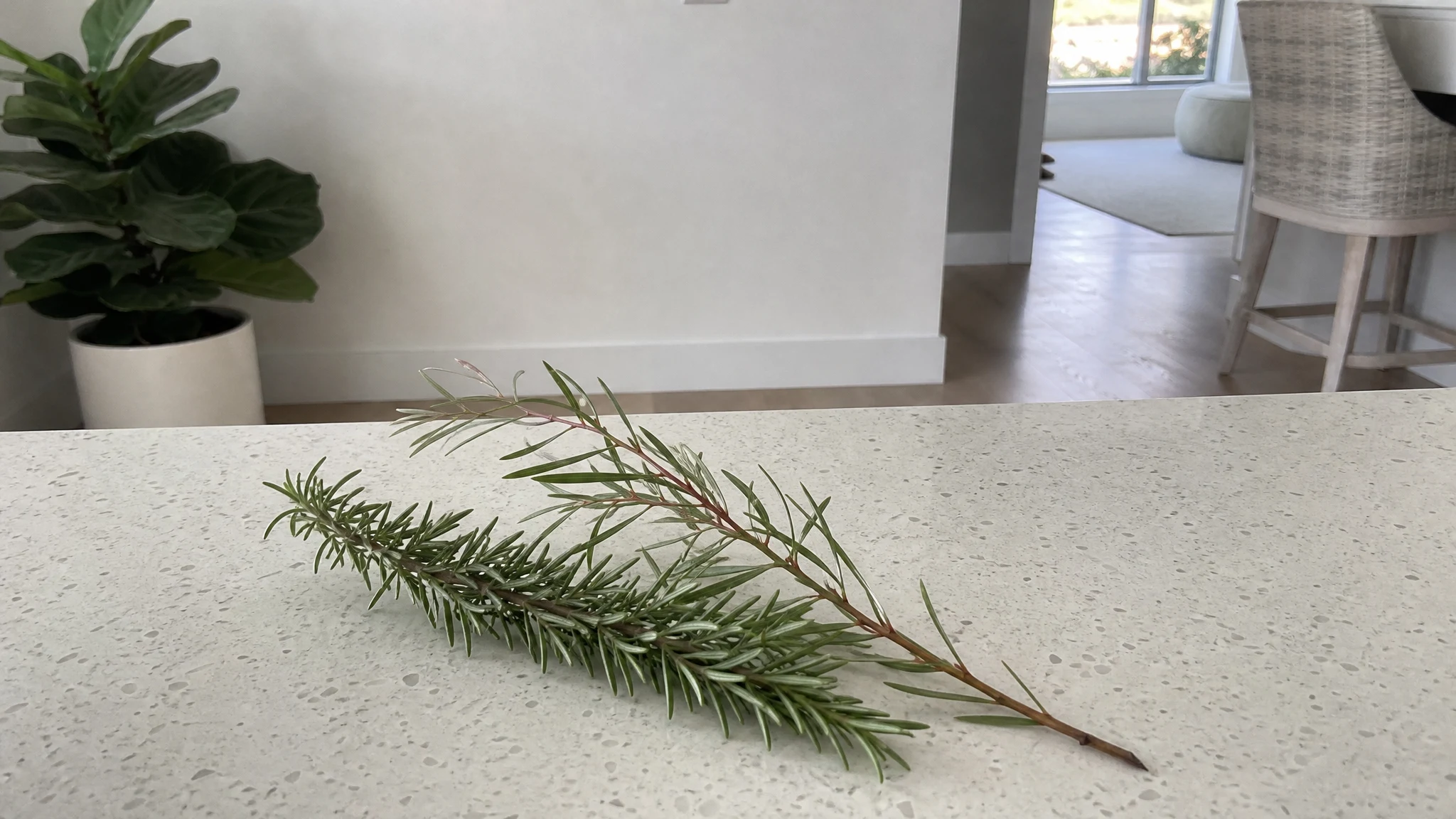
Cajeput vs Rosemary Oil: Cool and Fruity or Herbal?
Two sharp, clean oils that get mixed up all the time. One is a single species with a steady character; the other hides several personalities.

Cajeput in Winter: A Cool Edge for Holiday Rooms
Cajeput will not outshout cinnamon and clove, and it does not need to. Give it a hall or bathroom, keep sessions short and pair it with citrus.
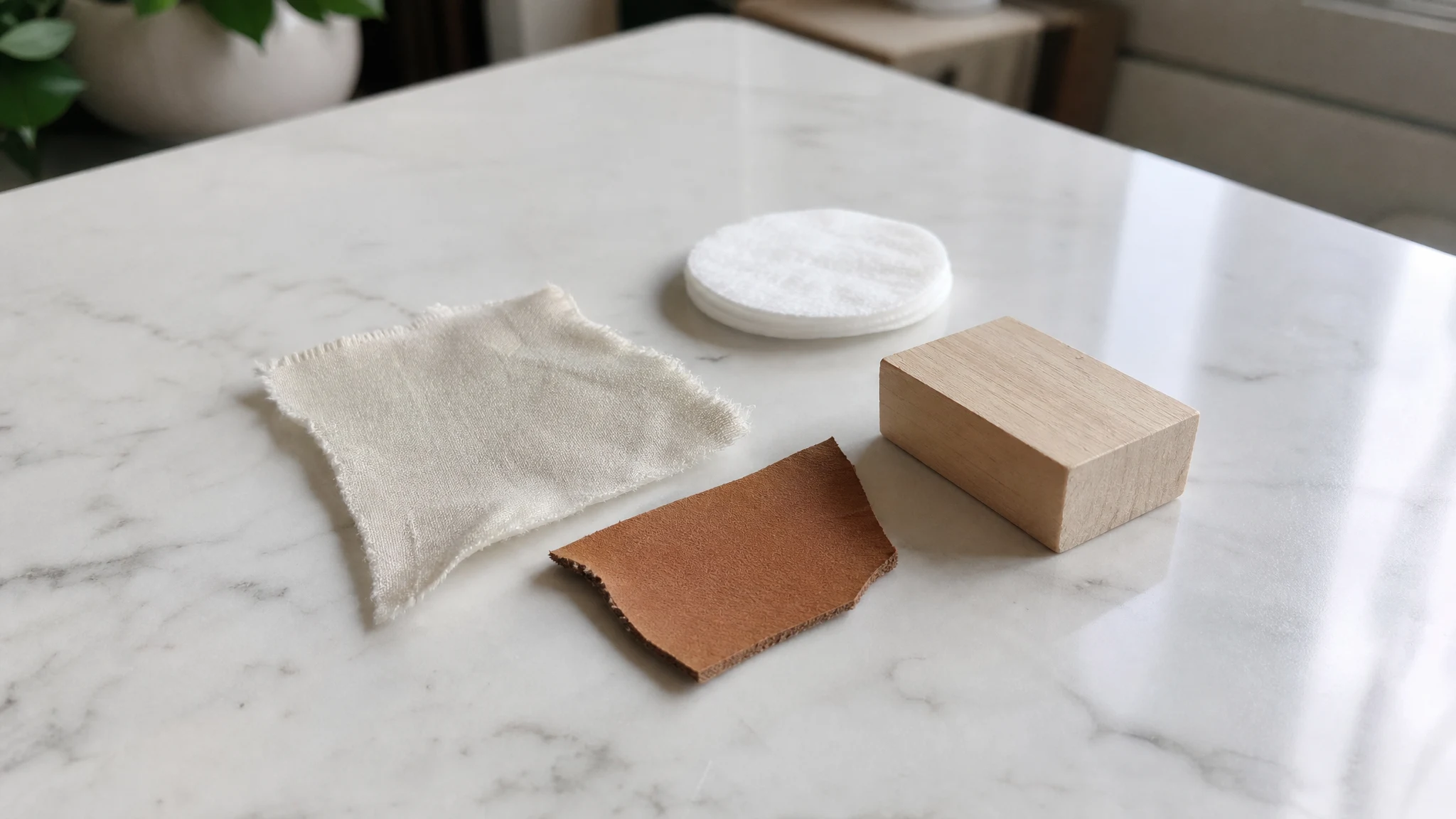
Cajeput Oil on Fabric, Wood and Leather: Will It Stain?
A drop of cajeput oil looks harmless until it meets a sofa arm. What to expect on fabric, wood and leather, and a one-day test for your own surfaces.
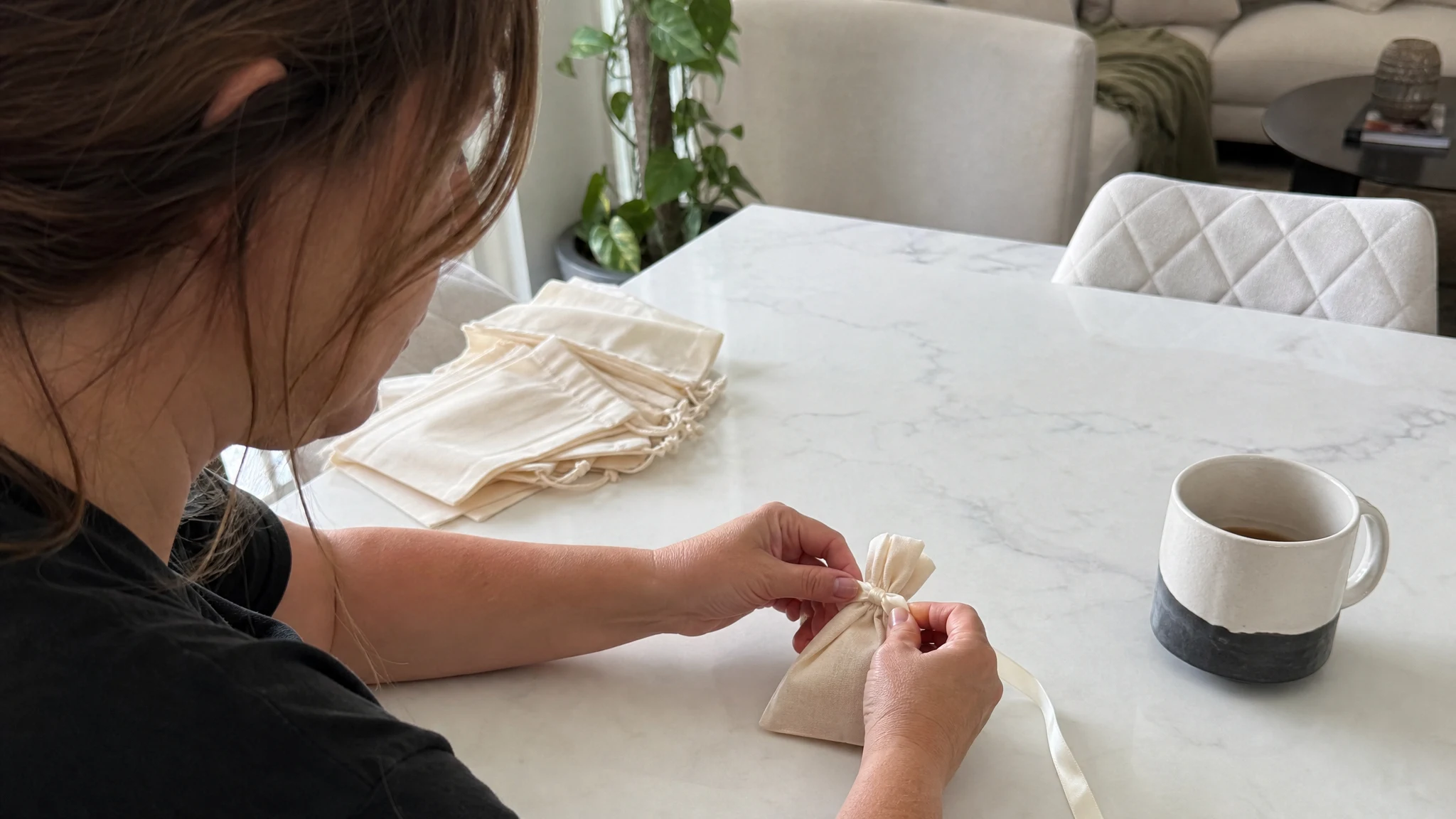
Cajeput Oil Crafts: What Works and What to Skip
Cajeput arrives first and fades first, so it suits some crafts and not others. Here is a plain sort of the bench, from sachets to soap.
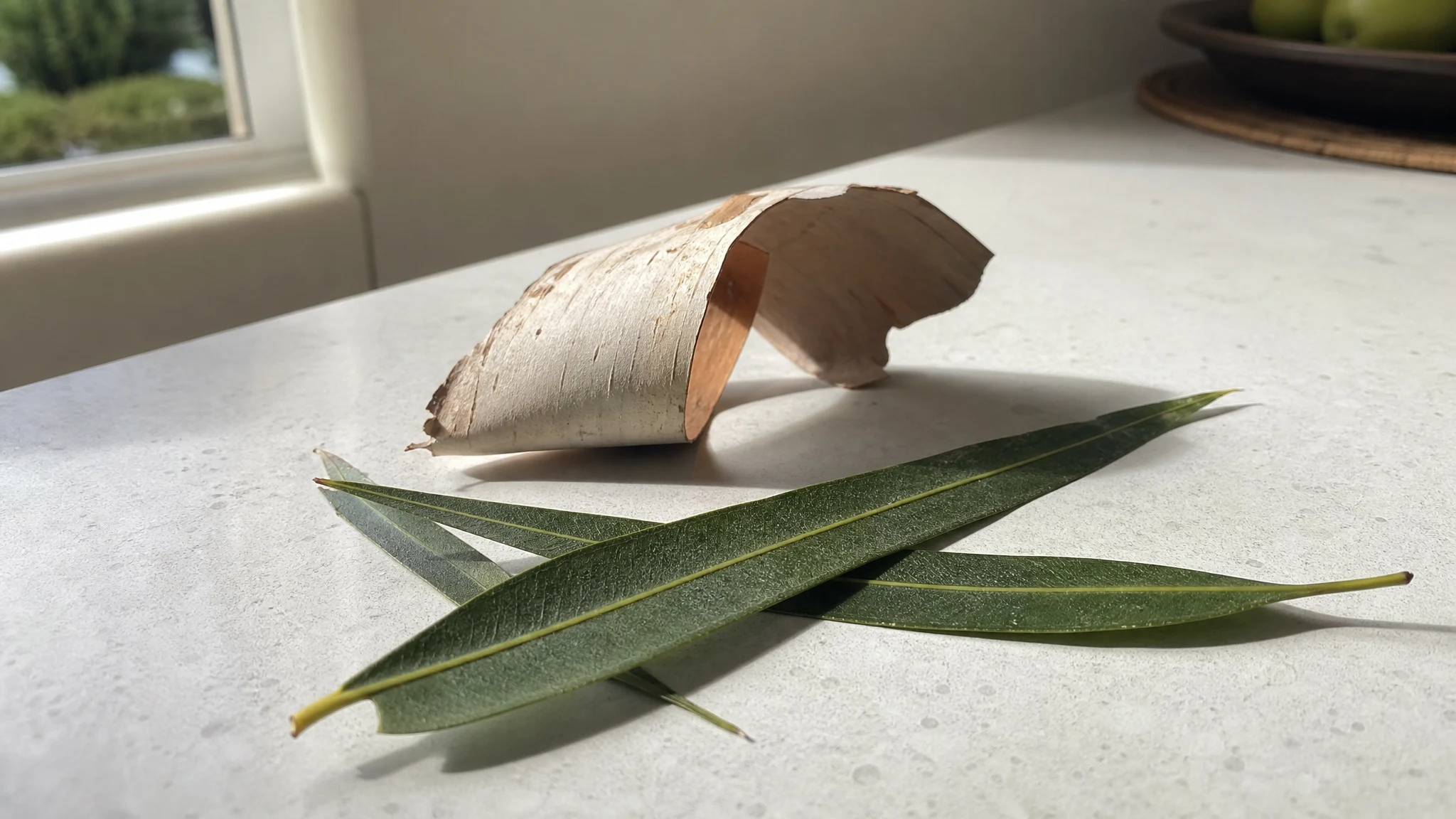
What Is Cineole? Why Cajeput Smells Crisp and Cool
Cineole gives cajeput its cool, camphor-like lift, with terpineol and limonene rounding it out. Here is what that chemistry means for your nose.
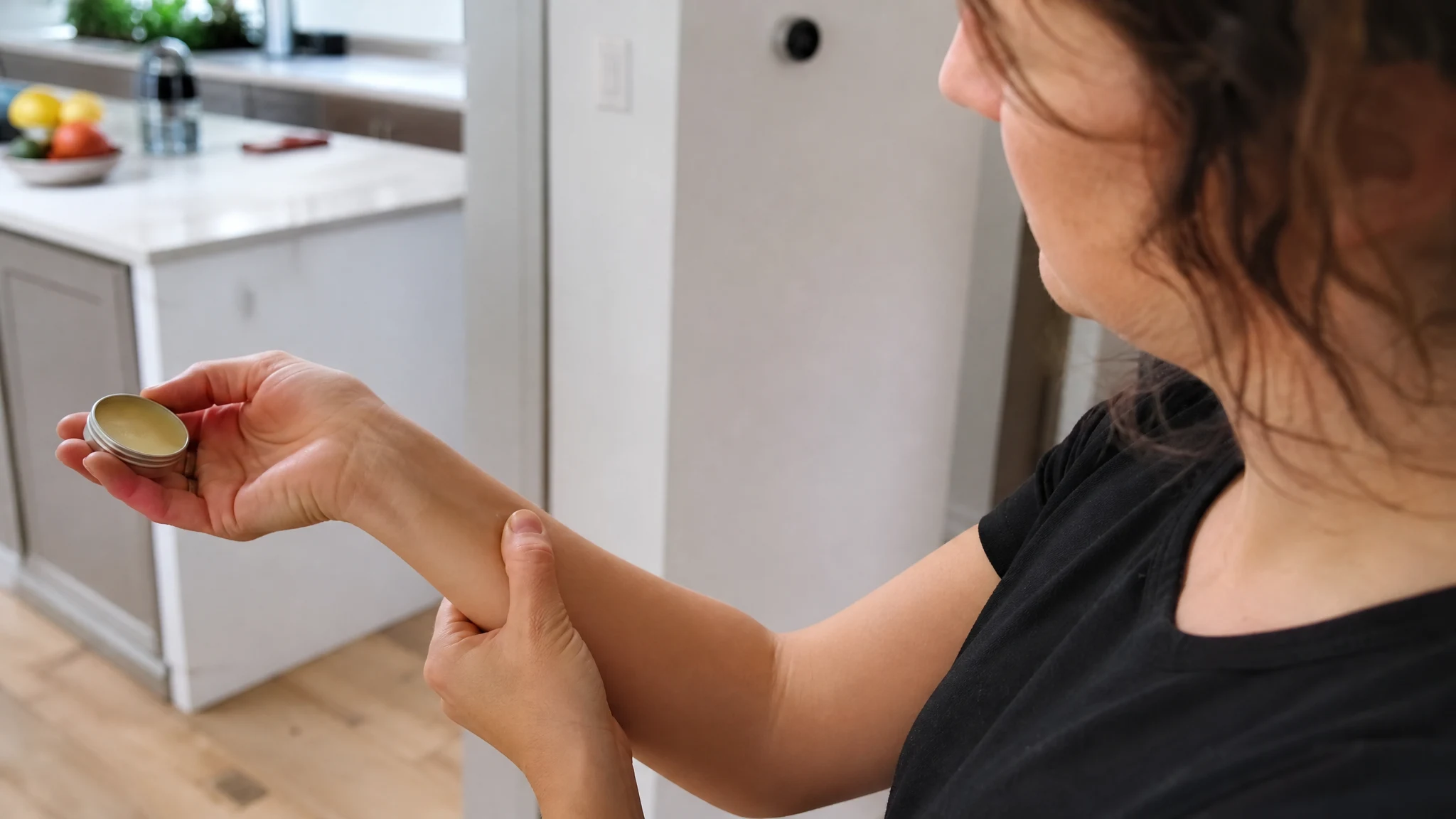
Solid Cologne With Cajeput: A Simple 1% Recipe
Pick the strength first: a 1% cajeput solid cologne worked out by weight, with drop math, a making guide and ways to add a second note.

Where Cajeput Oil Comes From and Why Country Isn't Enough
Indonesian, Vietnamese, Thai: a country name is not a quality grade. See why cajeput oil varies by lot and which three questions tell you more.
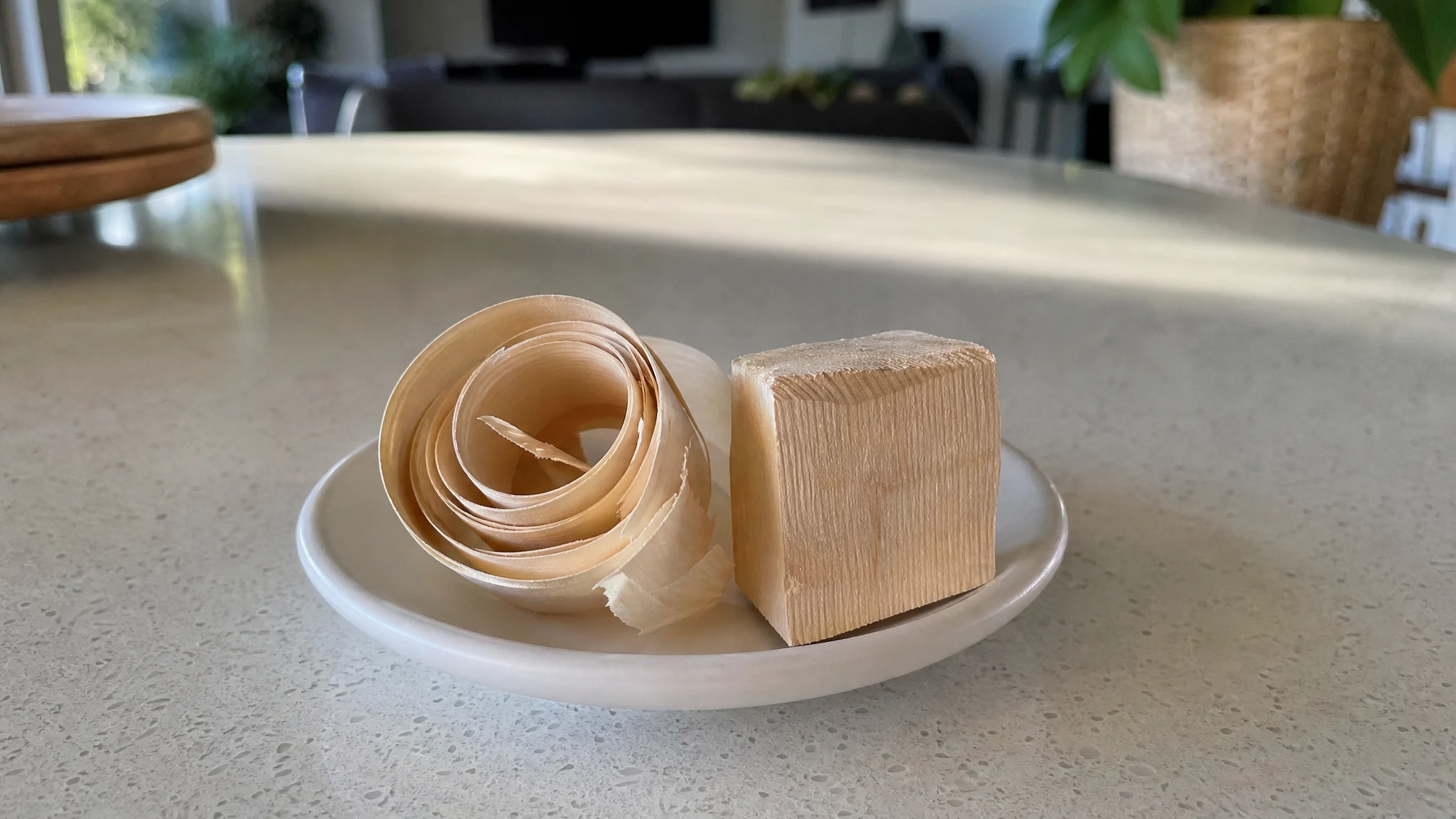
Cajeput vs Camphor Oil: Same Cool Smell, Different Oils
Both smell cool and sharp, yet cajeput is led by cineole and camphor oil can be one of six chemotypes. Here is how to tell the two apart before you buy.
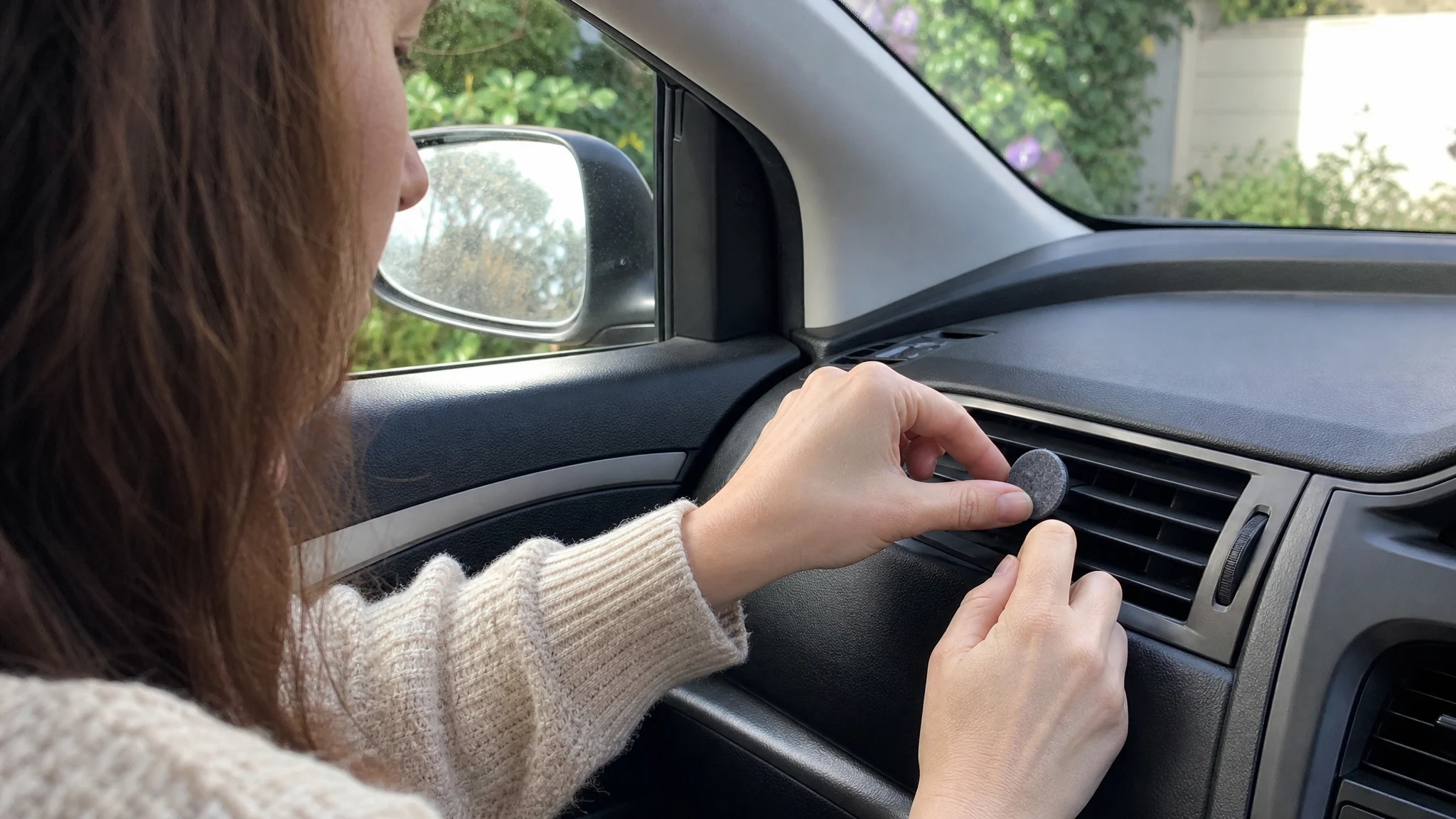
Is a Cajeput Vent Clip a Good Idea? Read This First
A car cabin gets hot fast and the air blows straight at you. How to scent one with cajeput the small way, and when to leave it out of the car.

What Is Cajeput Oil? Origins, Scent and Uses
A trade name more than a recipe: what cajeput oil is, where the paperbark tree grows, what it smells like, and how to read the label.

What Is Cajeput Oil Used For at Home? Top-Note Ideas
A bright, cool top note that earns its place in diffusers, sprays and craft projects. Here is where cajeput fits at home and what to keep in mind.
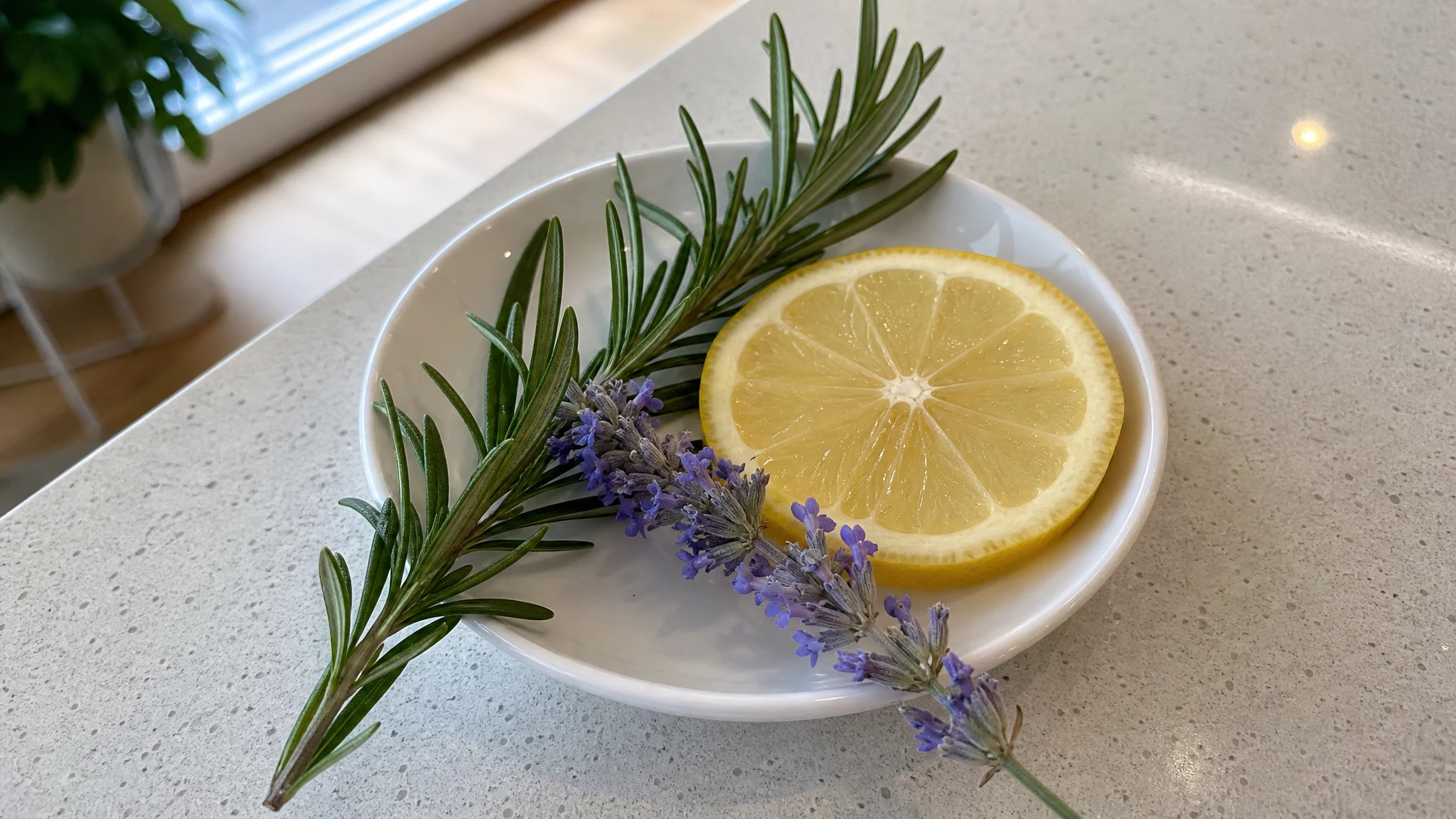
Blending With Cajeput Oil: Pairings That Work
Cajeput is a supporting oil, not a lead. Learn the three jobs it does best, a ratio method that scales, and why a little goes a long way.
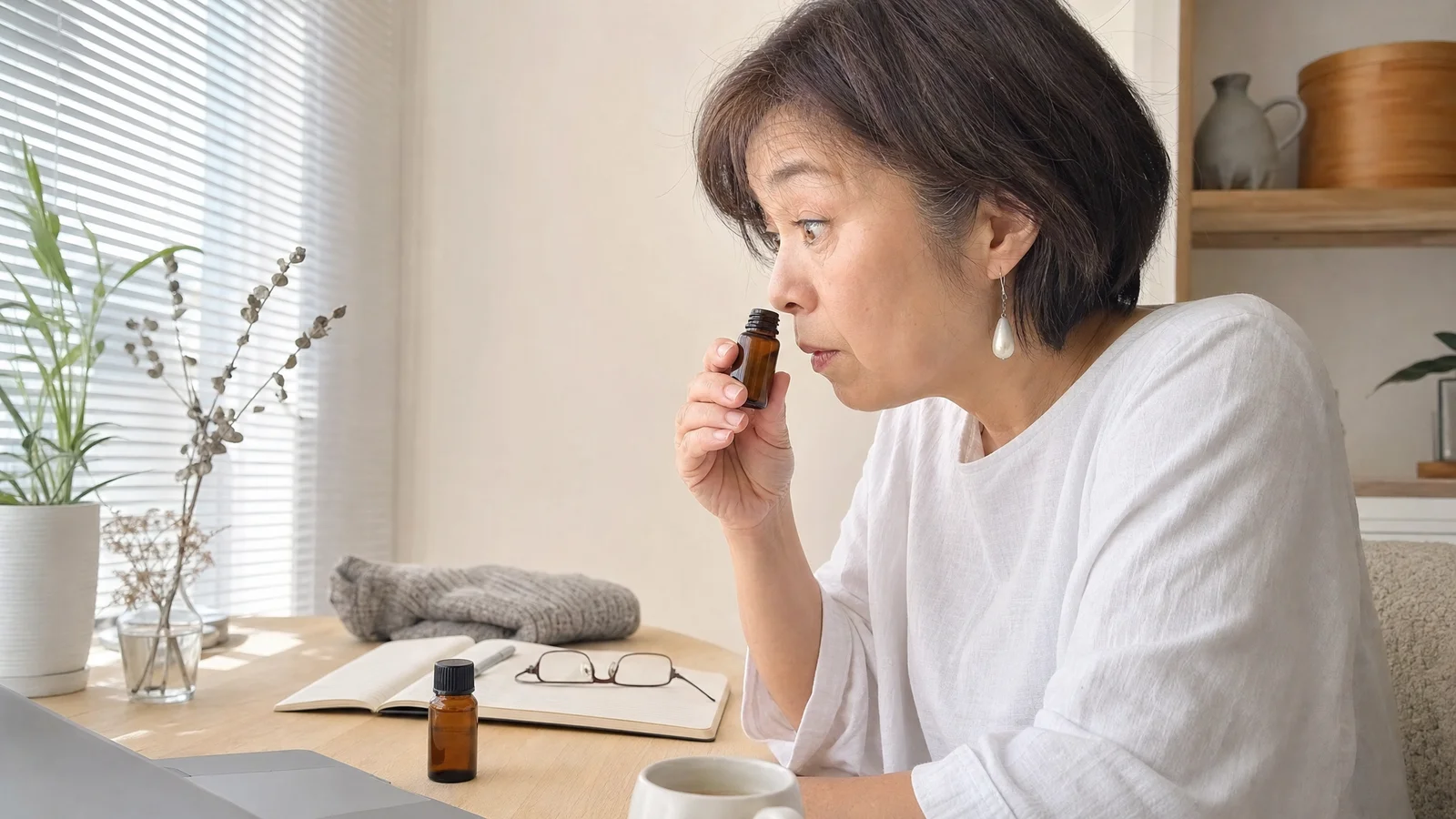
What Does Cajeput Oil Smell Like? A Scent Guide
Sharp and cool on the first sniff, then sweeter and almost fruity. Here is how cajeput smells, why it does, and the best way to get to know it.

The Paperbark Tree Behind Cajeput Oil: Melaleuca cajuputi
Meet Melaleuca cajuputi, the papery-barked tree of wet coasts behind cajeput oil, and learn why the name on a bottle matters.
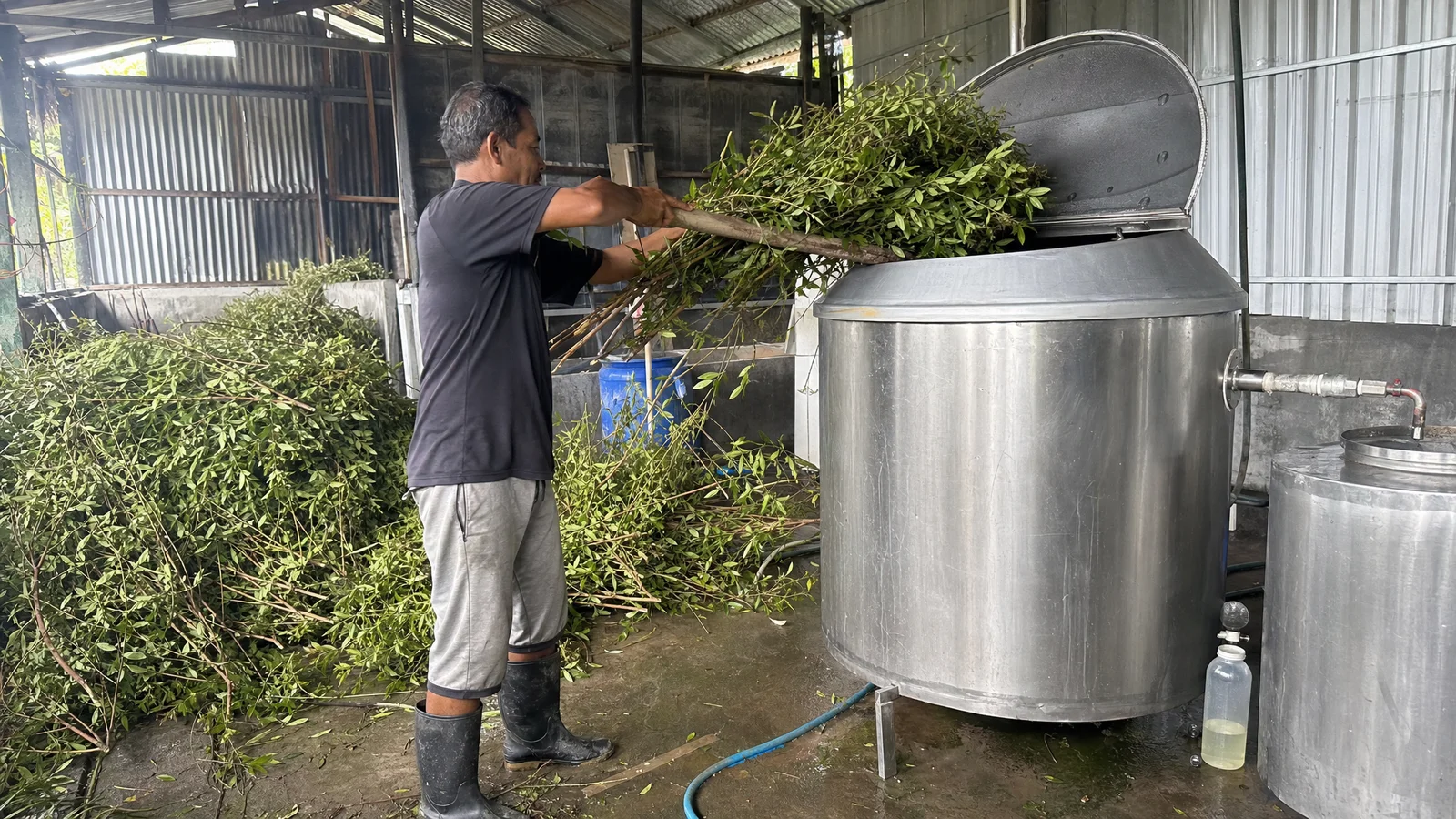
How Cajeput Oil Is Made: From Leaf to Bottle
Cut shoots, a packed still and hours of steam: how cajeput oil is made, why a kilo of oil takes up to 250 kilos of leaf, and what the grade depends on.

The History of Cajeput: From Ambon to Today
A Malay name, a Dutch botanist on Ambon, a 1926 plantation and a global market: the documented story of how cajeput reached the shelf.
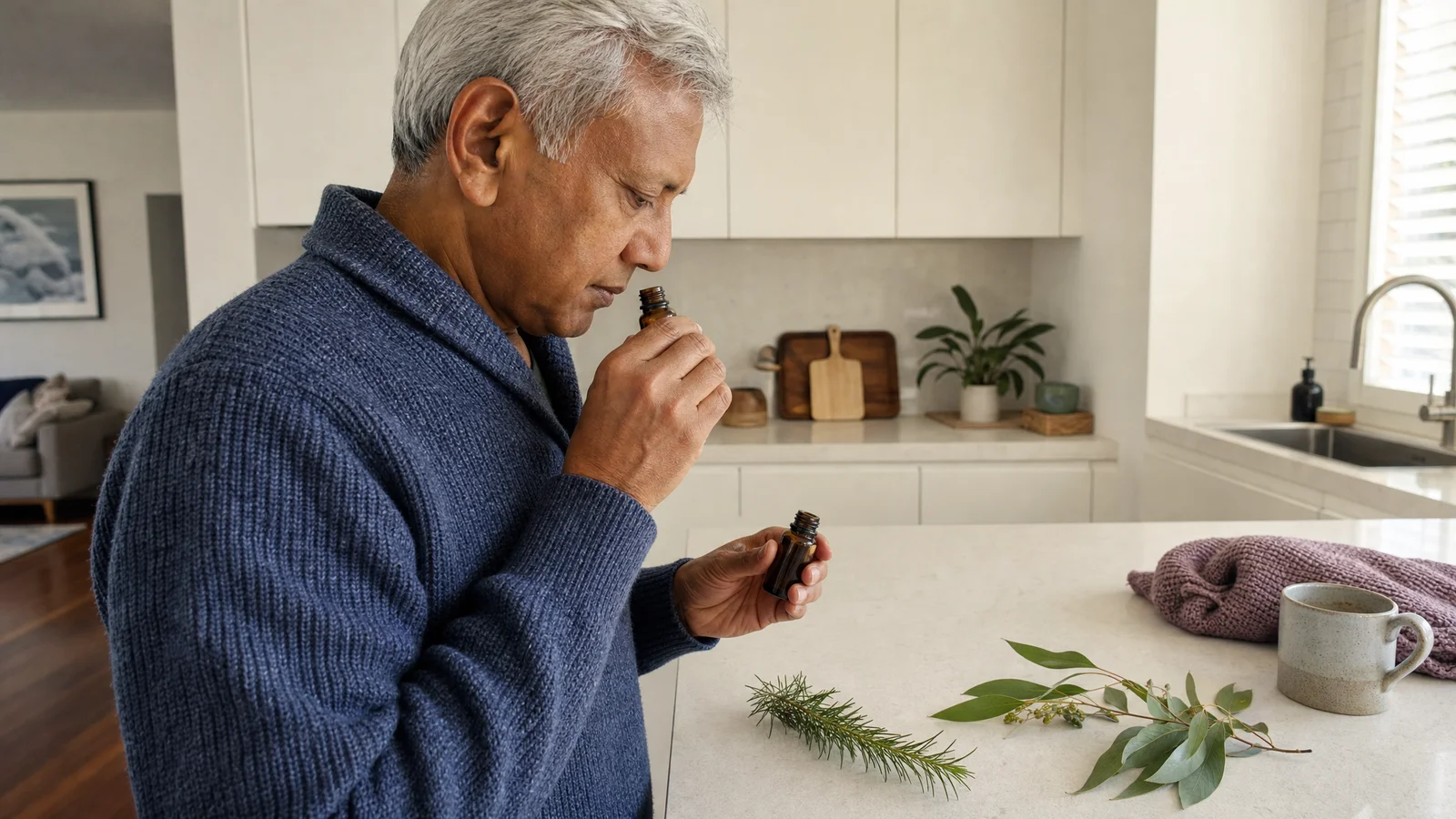
Cajeput vs Tea Tree Oil: How Two Melaleuca Oils Differ
Both come from Melaleuca trees, and that is about where the likeness ends. Here is what sets the scent, the chemistry and the label of each one apart.
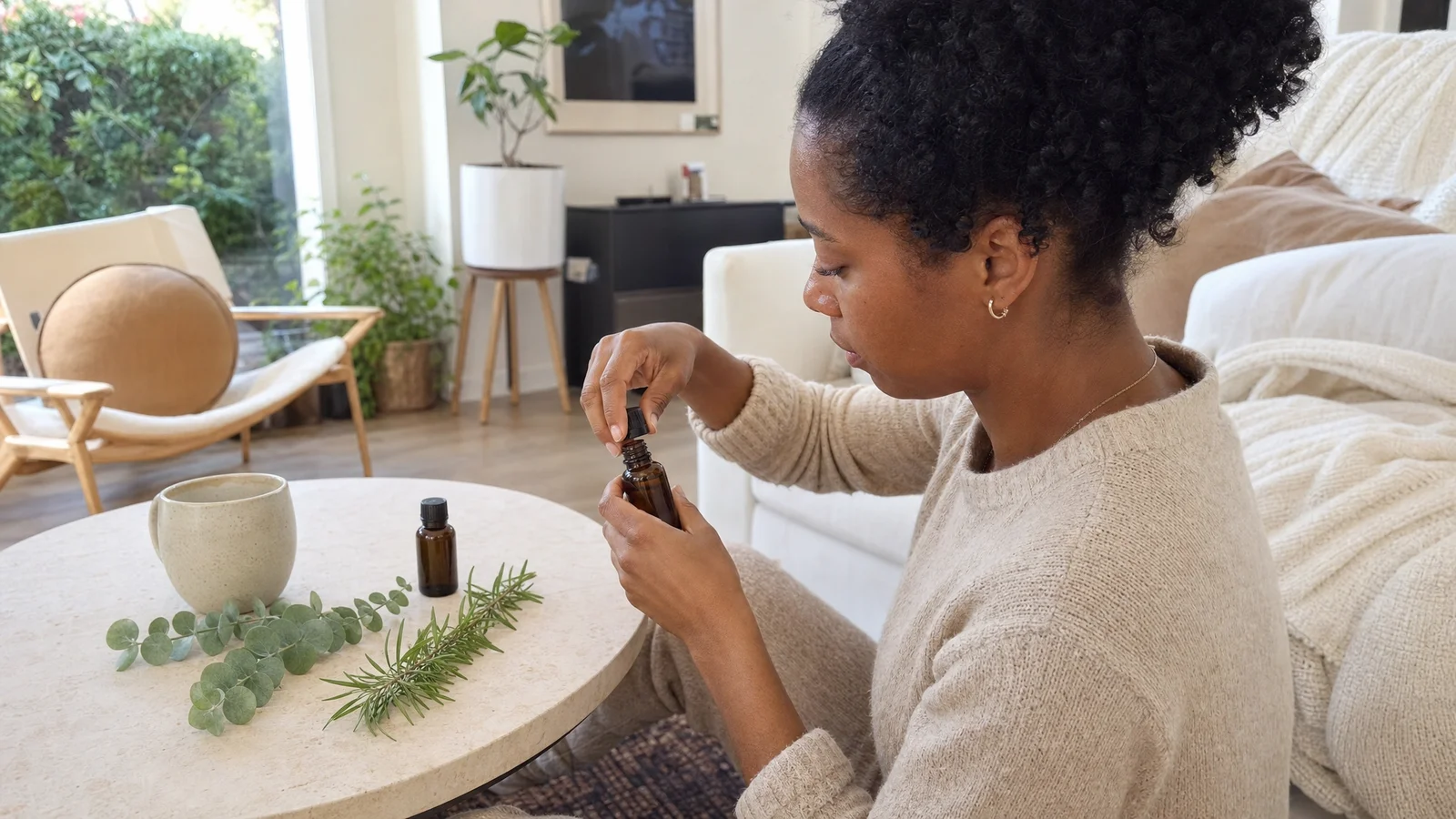
Cajeput vs Eucalyptus Oil: Which Should You Use?
Same main molecule, similar cool scent. See how cajeput and eucalyptus compare, why the species on a eucalyptus label matters, and which to choose.

Cajeput Oil Dilution Chart: Mixing and Patch Testing
The drop counts for 0.5% to 2% cajeput in a carrier, a gentler range for the face, and why a proper patch test takes two days, not two minutes.

8 Cajeput Oil Myths, Sorted Out
From what a "pure" label really tells you to patch tests and diffusers: eight cajeput oil myths set straight in plain English.
Cajeput Oil Questions: What First-Time Buyers Ask
Straight answers for a first bottle of cajeput oil: the certificate, dilution, patch tests, storage and who should skip it.
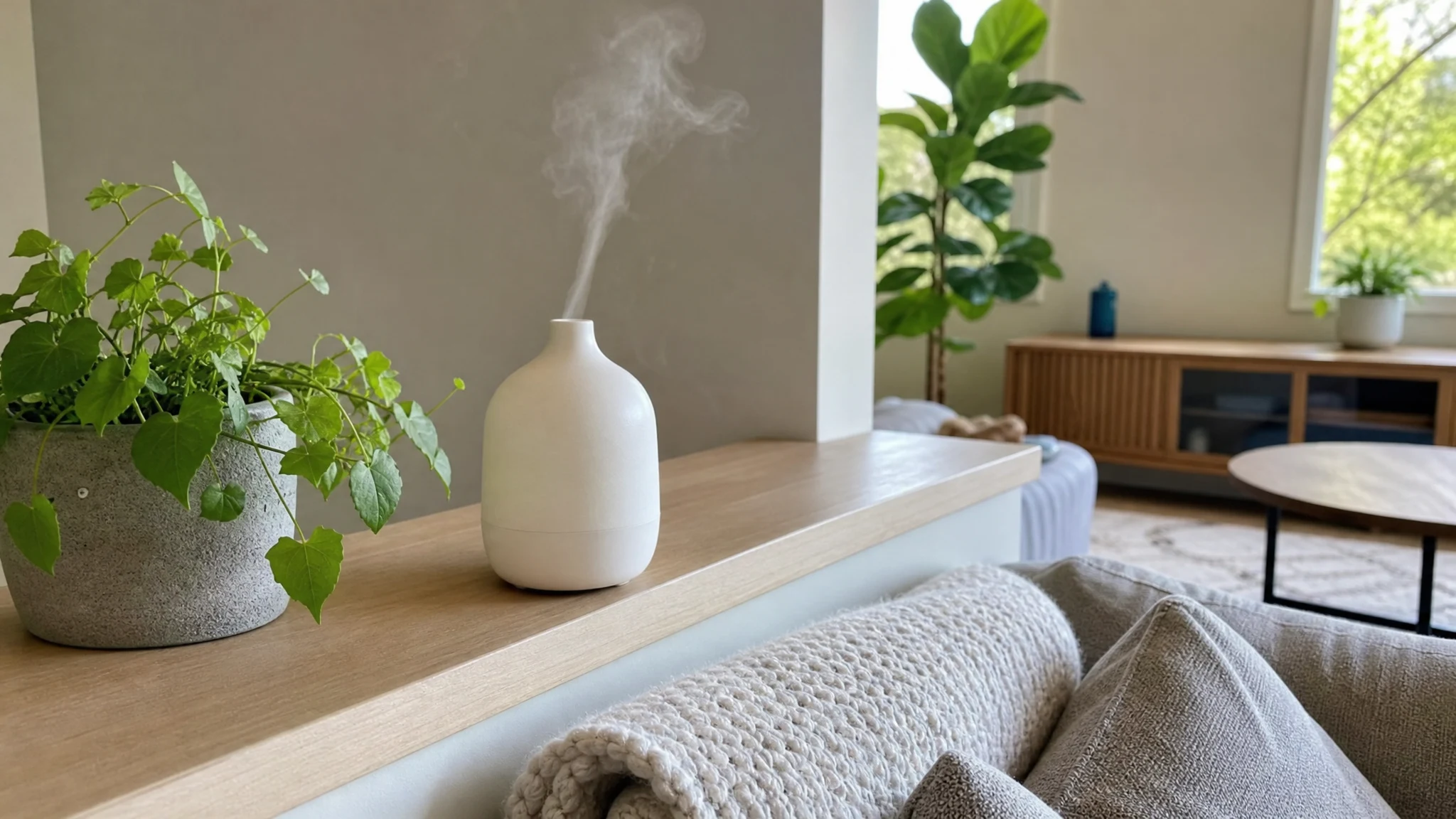
Cajeput Diffuser Blends: 3 Easy Ratios to Try
Three simple cajeput blends in parts, and the habits that matter more than the recipe: short sessions, fresh air and fixing a blend that smells too sharp.
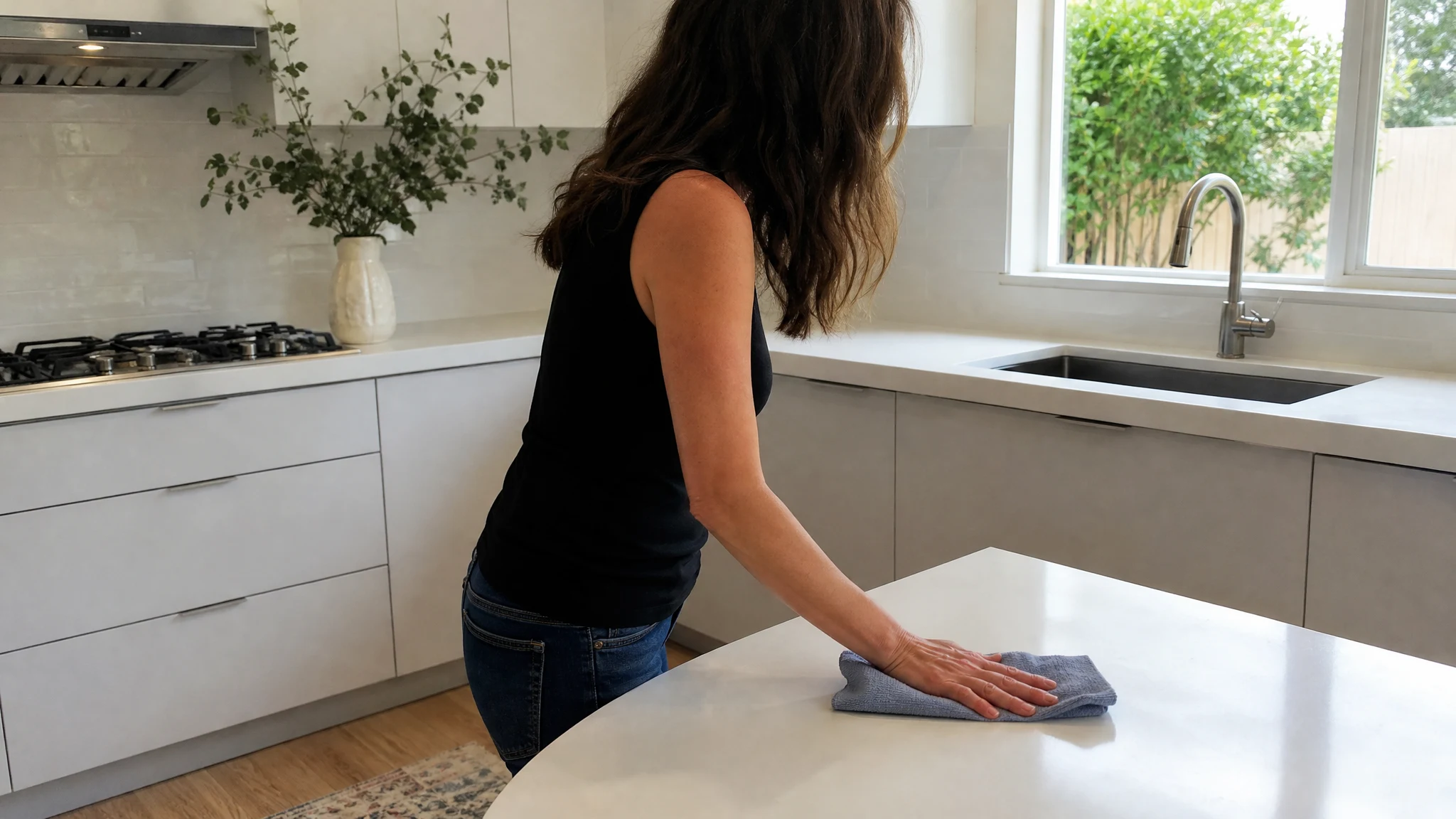
How to Scent a Cleaning Spray With Cajeput Oil
Let your cleaner do the cleaning and cajeput finish the room: dose, surfaces to test first and a spray-the-cloth routine.

Cajeput Linen Spray: Pairing With Citrus Oils
The base matters more than the recipe in a cajeput and citrus linen spray. Hem tests, pillow cautions and a no-water sachet option.
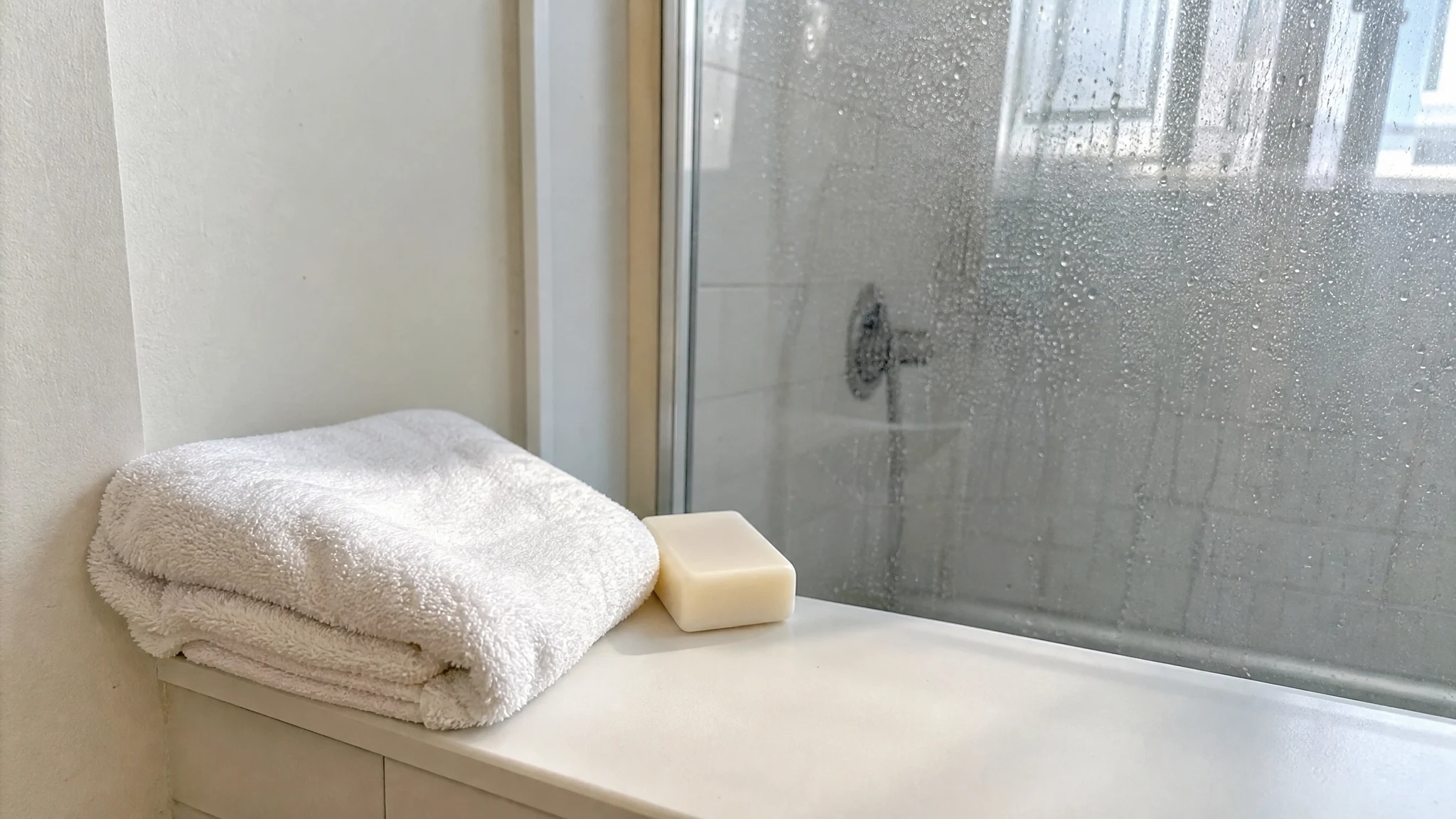
Cajeput Oil in the Shower and Sauna: Safer Ways to Scent
Cajeput loves a warm, steamy bathroom, just not on the shower floor. Three easy ways to scent the room, and why the sauna is better left unscented.
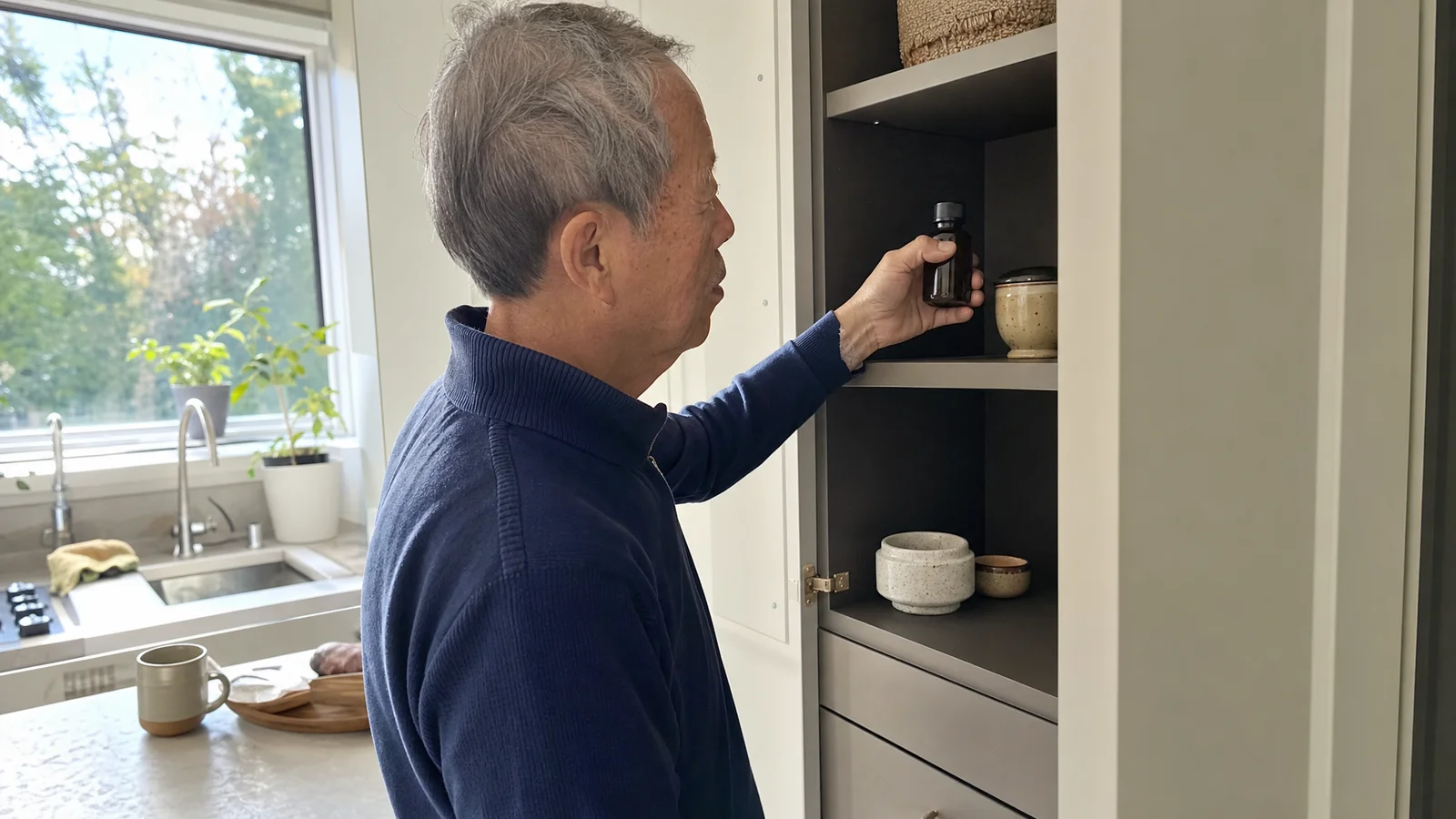
How to Store Cajeput Oil So It Stays Fresh
Cap it tight, keep it cool and dark, and give the air less room to work. Simple habits that keep cajeput oil smelling the way it did on day one.

Cajeput Room Scent for Summer: 3 Cool Citrus Ratios
A stuffy room needs airflow first and scent second. Once it is aired out, here are three light cajeput ratios to finish a warm summer day.

Fresher Closets and Gym Bags With Cajeput Oil
Damp, sweat and stale air are three different smells. Find which one you have, then see where a cajeput sachet fits in a closet, shoe cupboard or bag.
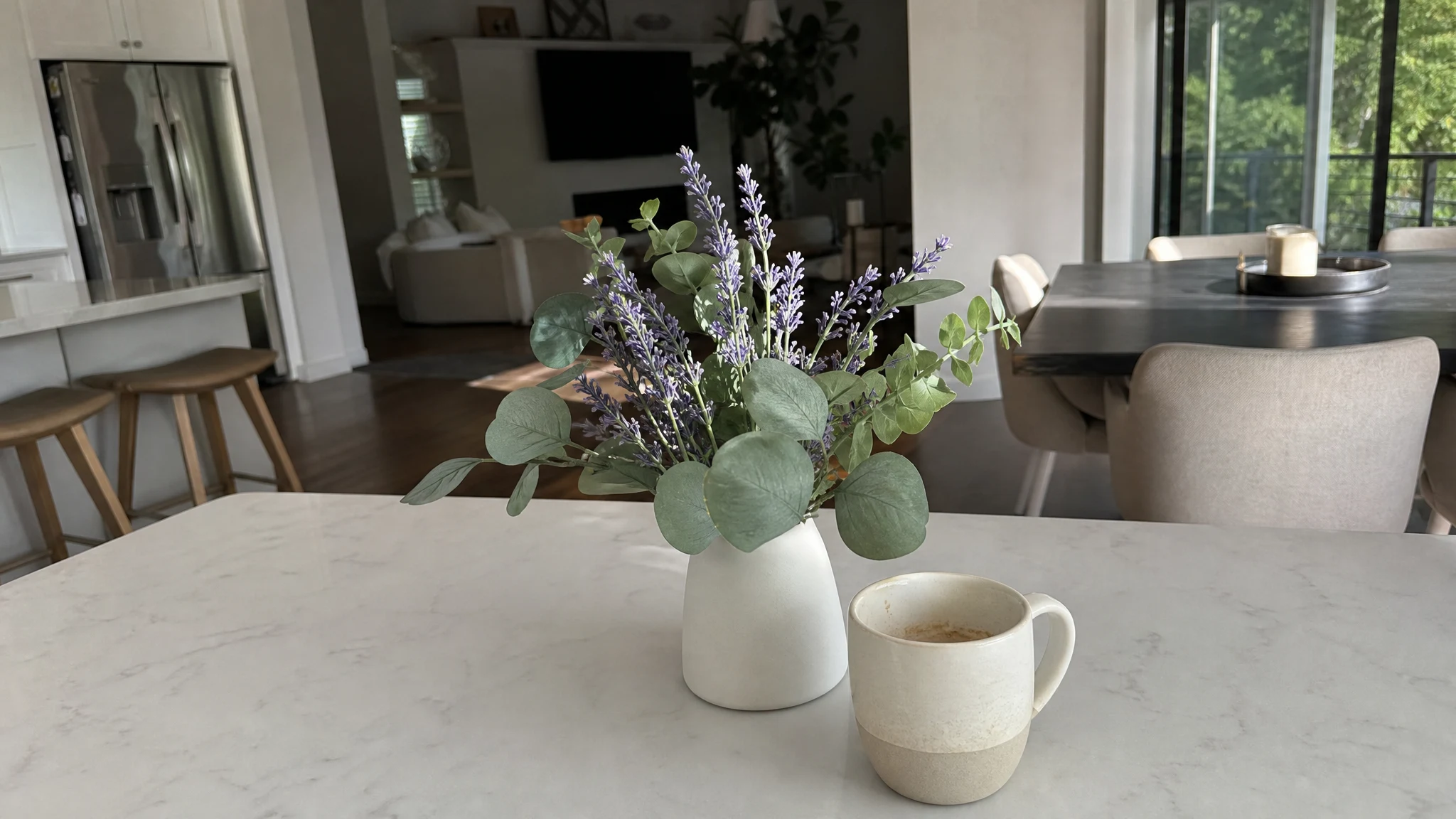
Cajeput Blends: Four Pairings and Why They Work
Cajeput works as the small bright accent. Four pairings with drop counts and reasons, from warm cedarwood to floral lavender, plus a skin version.

How to Choose Genuine Cajeput Oil: A Buyer's Checklist
A label is a claim and a lot report is evidence. Our six-step checklist for buying cajeput oil, and what our own Certificate of Analysis lists.
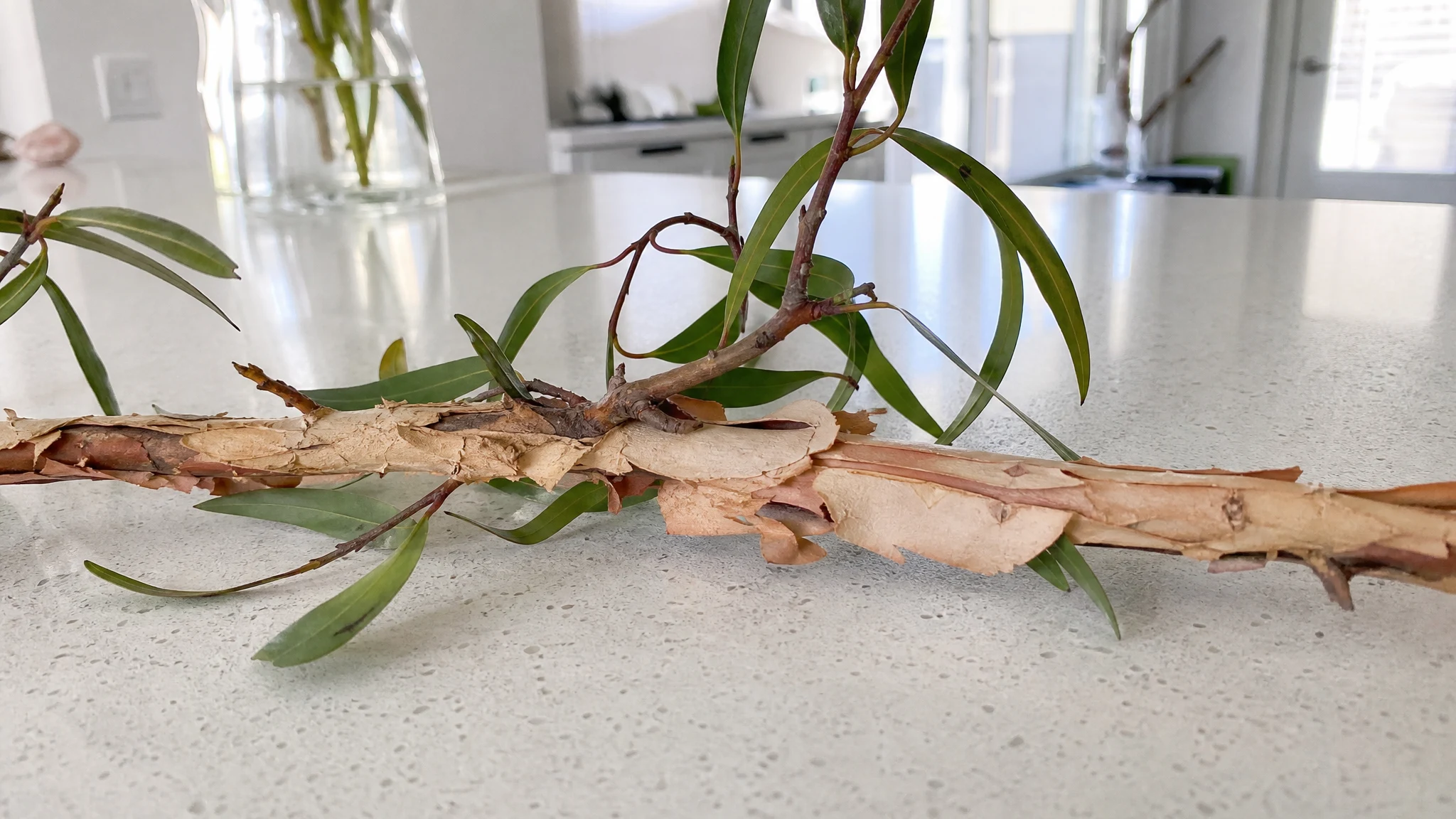
Cajeput or Niaouli? How the Two Paperbark Oils Differ
Niaouli is not one oil: the name covers several trees and chemotypes. Cajeput is simpler, and here is how to compare them before you buy either.
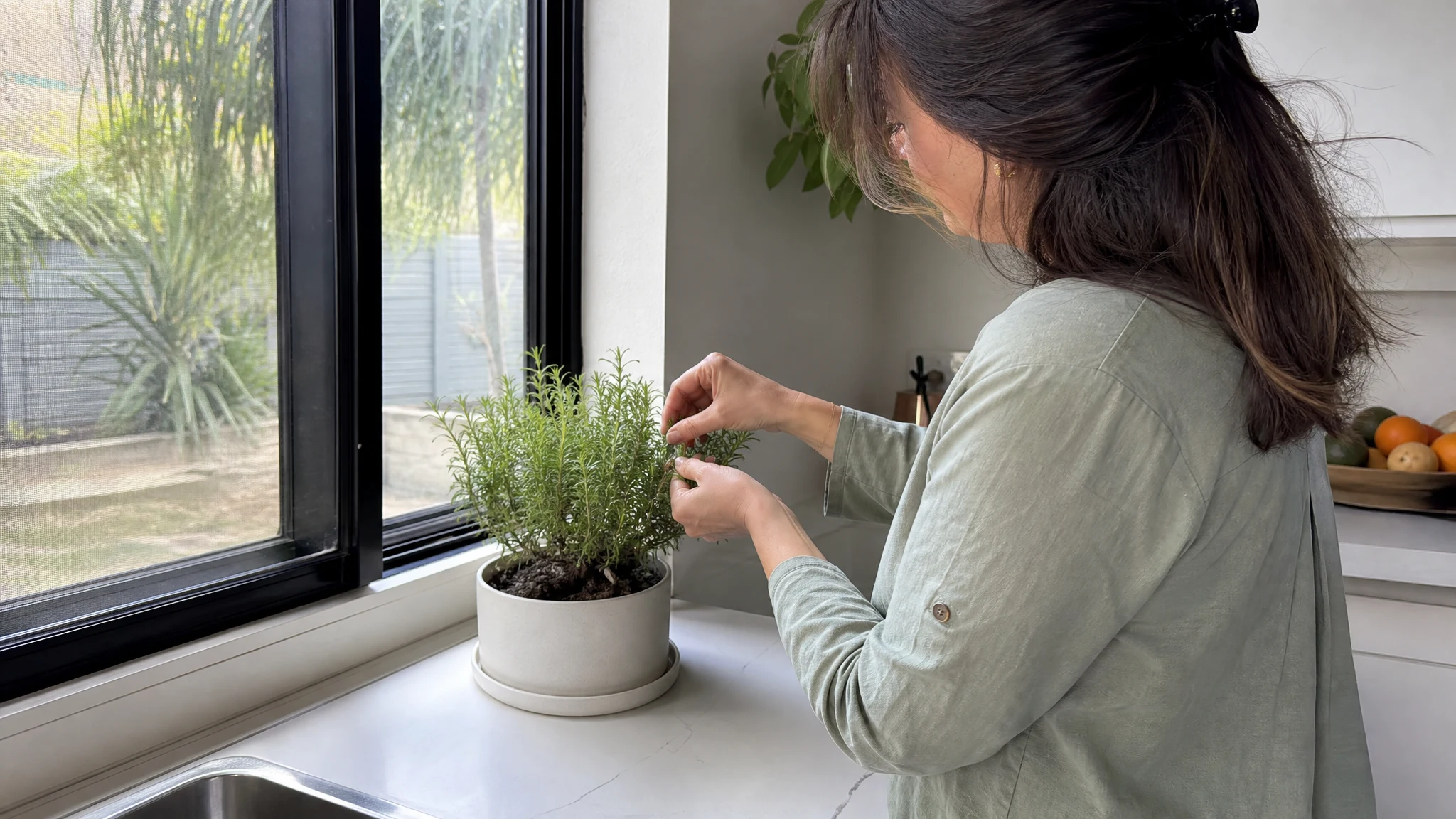
Cajeput Substitutes: What to Use When You Run Out
Out of cajeput mid-project? Match the note you need, not the name. See which oils come closest, which do not, and what to re-check when you swap.

Cajeput Oil Price Comparison: Why Quotes Differ So Much
Two quotes for cajeput oil can look worlds apart. Here is how leaf yield, units and paperwork explain the gap, and how to compare them fairly.
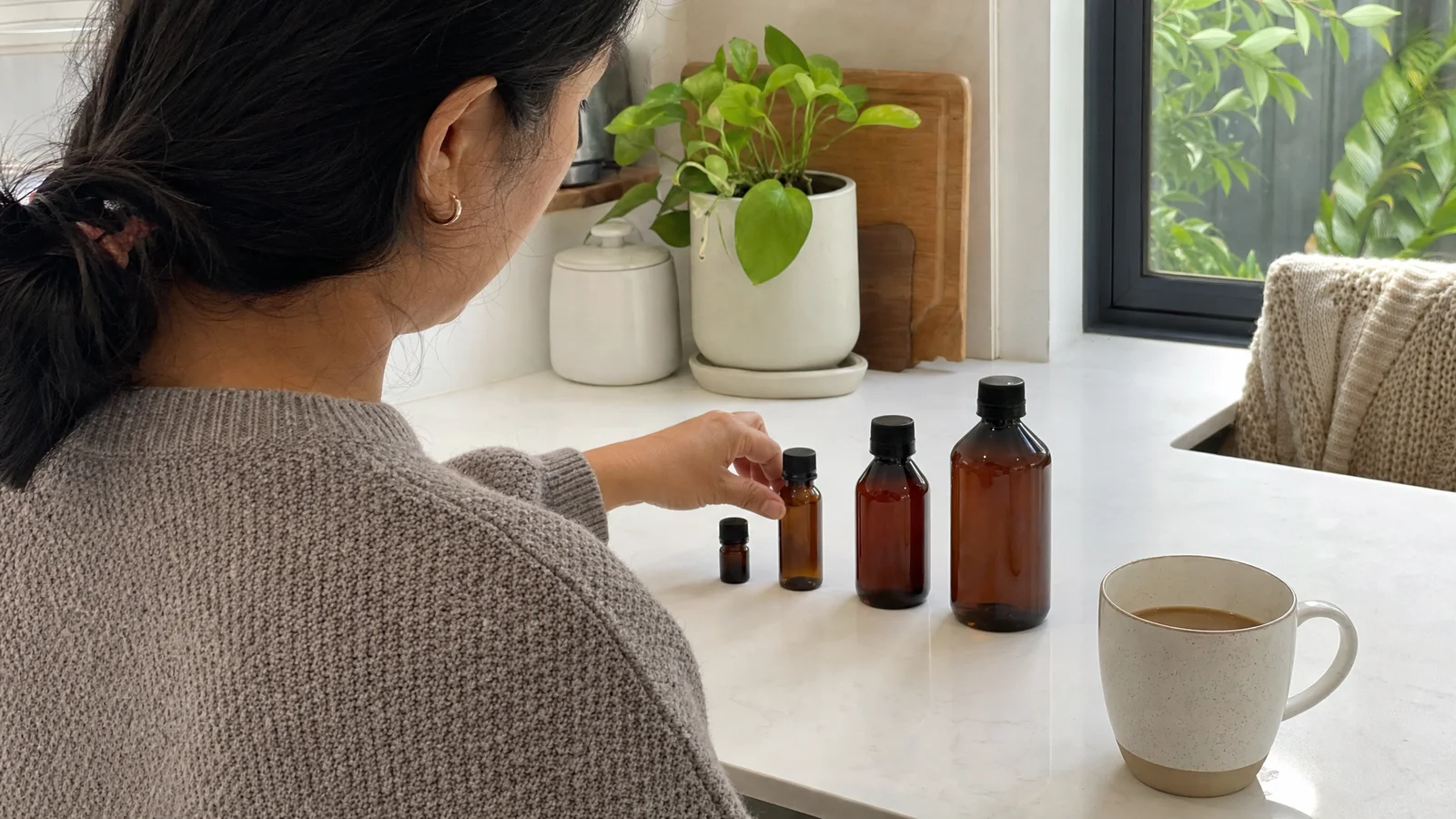
What Size Cajeput Oil Do You Need? A Practical Guide
One ounce of cajeput covers about fifty carrier batches. Our drop-by-drop arithmetic shows which of our nine sizes fits a home, a workshop or a business.