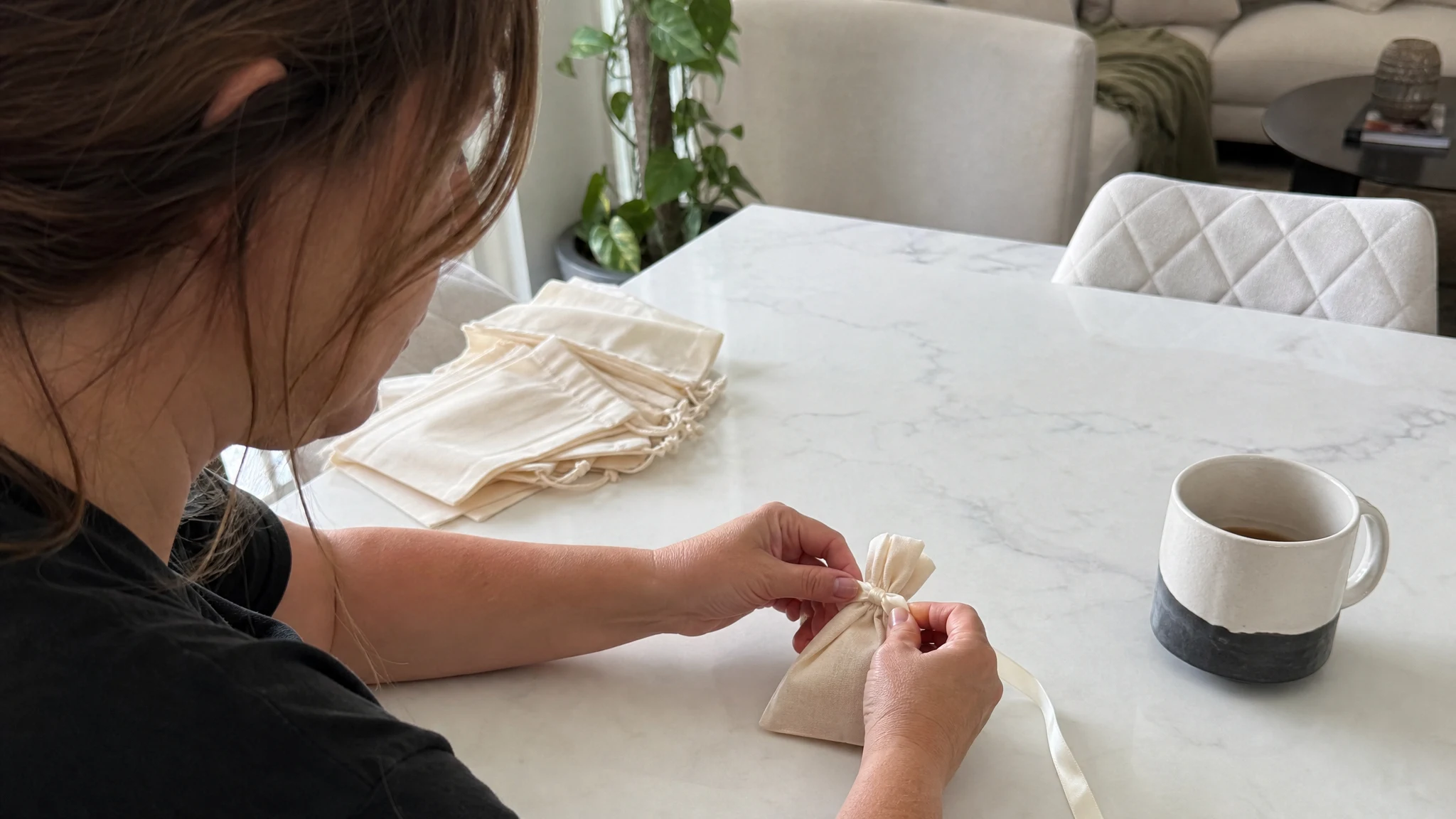
Cajeput Oil Crafts: What Works and What to Skip
Cajeput is a top-note oil, and that one fact settles most craft questions. It arrives first and it fades first, which makes it lovely for crafts that sit quietly on a shelf and a poor choice for anything that needs the scent to survive heat, lye or small hands. Here is the bench, sorted by what suits it.
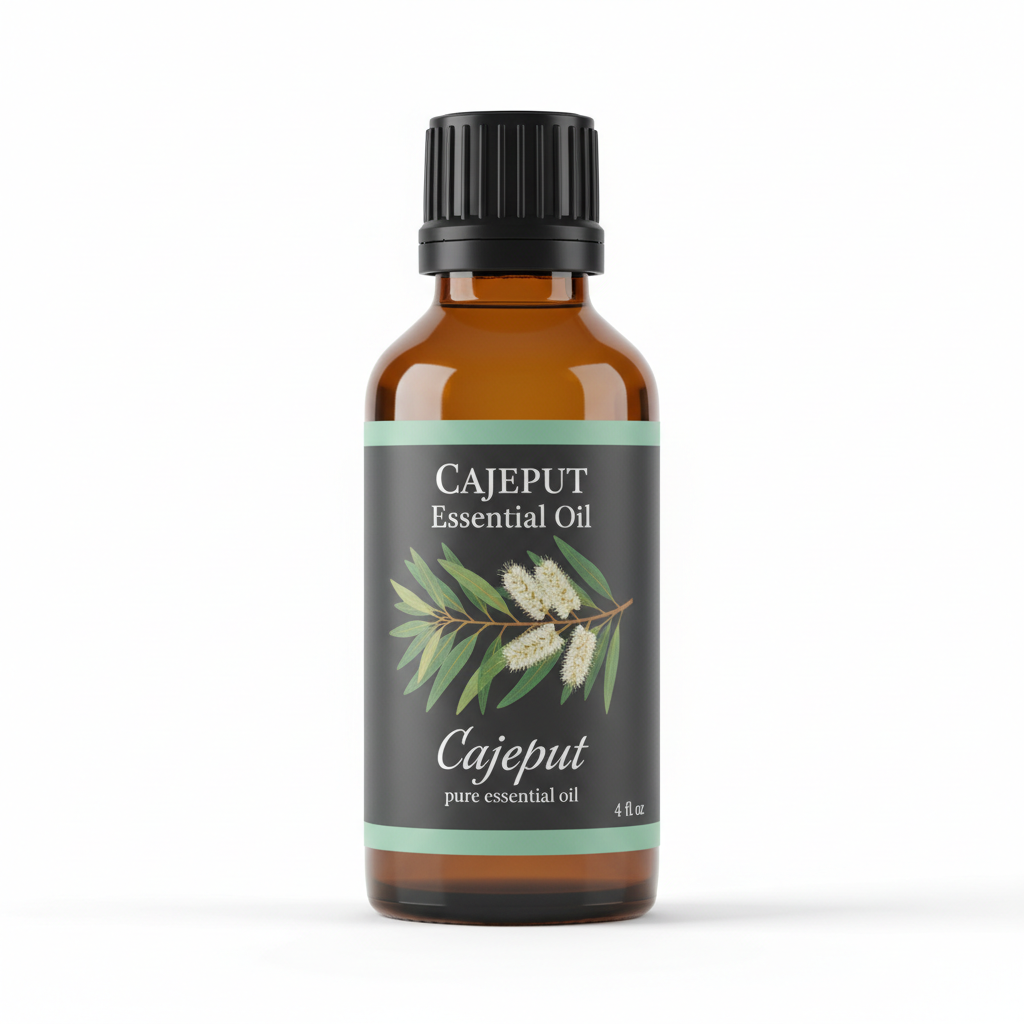
Cajeput Essential Oil
Our own Cajeput Essential Oil, in sizes from 0.5 oz to bulk.
From $10.99
Shop Now →Three things that sort every project
First, we describe cajeput as a top note with a fresh, cool, fruity-camphorous aroma. We sell the oil neat and nothing else, so wax, soap base, vessels and carriers come from a craft supplier, and the ideas below are formulations reasoned from how the oil behaves.
Second, anything that ends up on skin follows our dilution guidance: 0.5% to 2% in a carrier oil, with a patch test first. Cajeput is also high in cineole, which makes it unsuitable for babies and young children.
Third, essential oils are flammable. The Tisserand Institute says they should not be used in any way that involves close proximity to a naked flame (safety guidelines).
Where cajeput fits best
Sachets, felt shapes and paper
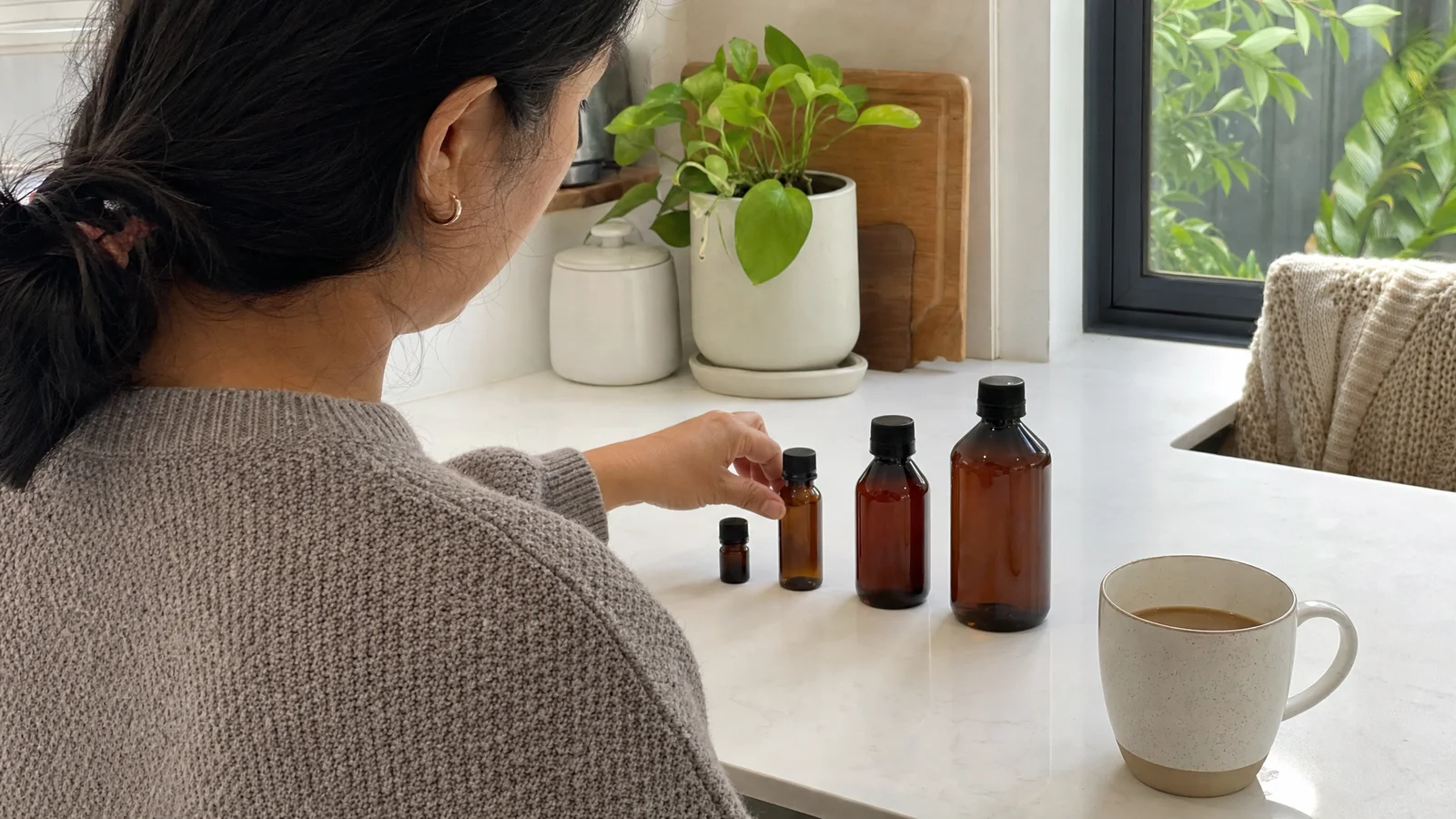
Unglazed ceramic, wood beads, felt and plain cardboard take a few drops and let them go slowly. No heat, no skin, nothing to spoil. Count by weight if you can: the batch on our Certificate of Analysis measured a relative density of 0.906, so a millilitre weighs about 0.9 g. Drops average about 30 per millilitre but range from 20 to 40 (Tisserand Institute). A top note fades faster from an absorbent surface, so expect to refresh it now and then.
Closets, drawers and gym bags
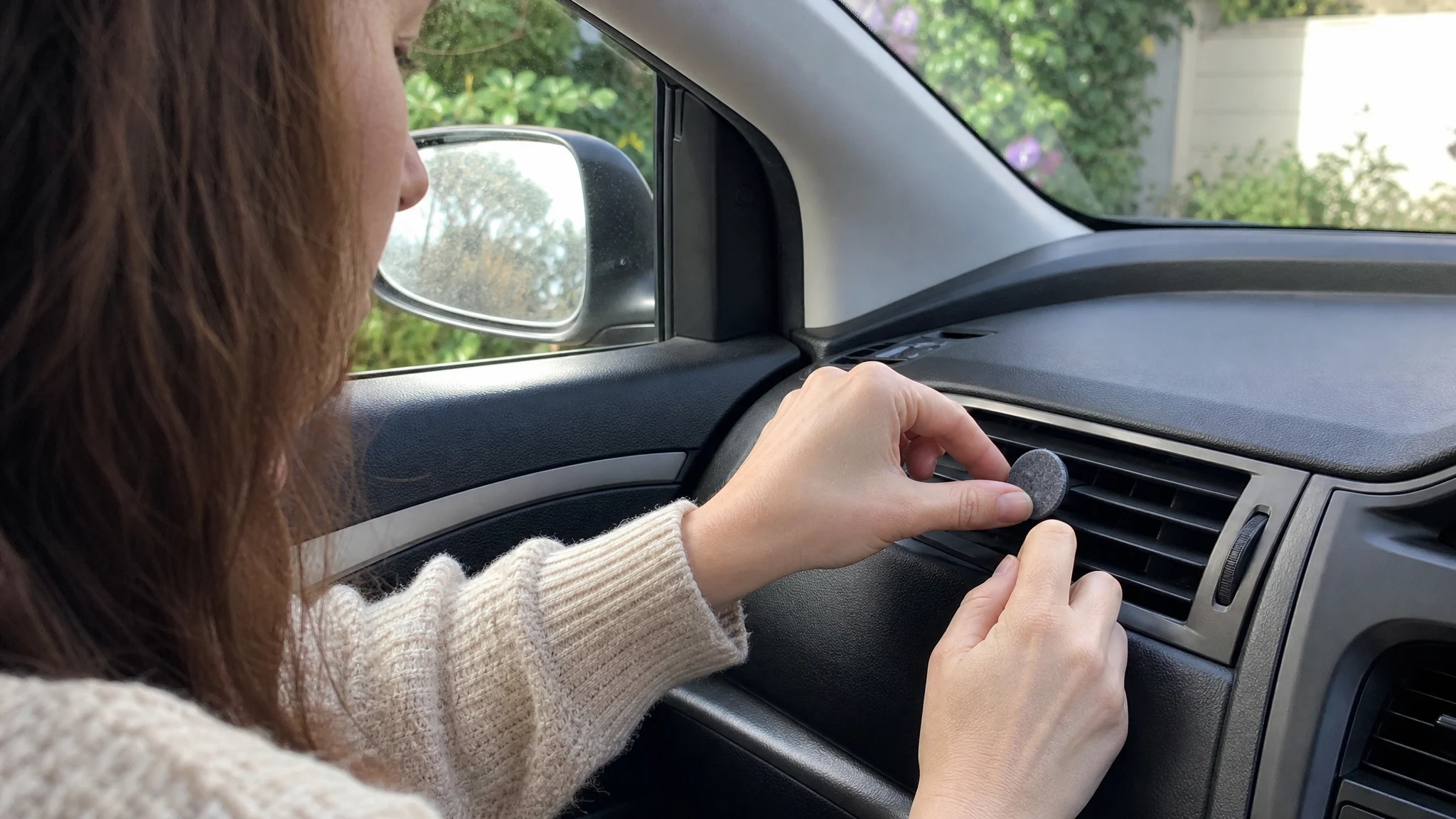
A cotton pad or a small wooden block works well, and we cover the details in our closets and gym bag post. Keep oil off untreated leather and finished wood, and test a hidden spot first.
Pegs, pinecones and paper
Small, absorbent things make charming scented gifts. Wooden clothes pegs clipped inside a drawer, a bowl of pinecones or a folded paper card tucked in a book all hold a drop or two and release it slowly. A top note will not last for weeks, but that is part of the charm: you refresh it with a fresh drop, and every refresh brings back a little bright, cool surprise.
Reed diffusers
These need a carrier liquid, a vessel and reeds from a craft shop. Oil and water do not mix, as the Tisserand Institute notes in the context of baths (bath safety), so a reed diffuser base made for the job is the way to go.
Fits, with a little care
Candles and wax melts
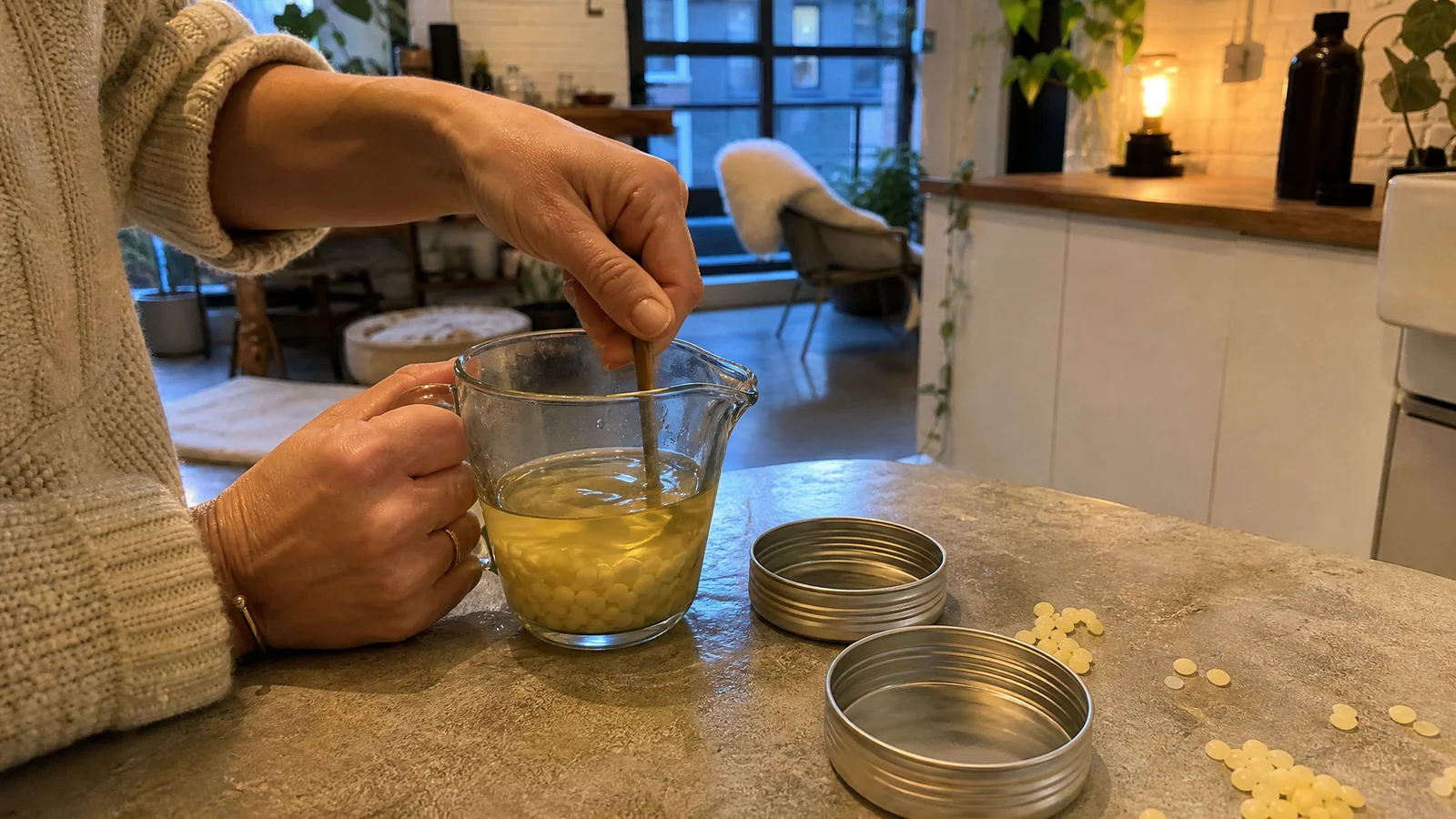
The Tisserand Institute's position is that fragrant candles are safe, while burners lit by a candle flame are not recommended. How much oil a given wax can hold, and whether a top note survives the melt, depends on your wax, so follow your wax supplier's fragrance guidance and expect cajeput to be subtle.
Cold-process soap
Soap is where cajeput is least at home. Cold-process soap is strongly alkaline, and a bright top note rarely survives it. Your soap calculator or oil supplier is the right source for a usage rate. A rinse-off bar is still a skin product, and the Tisserand Institute reminds us that dilution and risk are directly related (irritation and allergic reactions).
Skip these
- Play dough, slime and anything children handle. France's ANSES has linked 1,8-cineole, a major component of cajeput, to neurological complications in children (ANSES, 2020). A study of 109 parents found most eucalyptus oil poisonings in young children involved home vaporisers (Day et al., 1997). Craft with something else.
- Bath bombs and fizzy salts with neat oil. Undiluted oil floats and can sting. The Tisserand page names polysorbate 20 and 80 as dispersants. Our shower steamer post has the details.
- Anything with a bare flame under the oil. Tea-light oil burners are what the Tisserand Institute does not recommend.
Body products have their own posts
Balms, rollers, massage oils and cologne bars are skin products, and each has its own arithmetic: see the roller bottle math, the carrier oil guide and the solid cologne bar.
Small habits that help
- Weigh your oil rather than counting drops, since 20 to 40 drops per millilitre can double or halve a recipe.
- Label anything you give away, so the next person knows it contains cajeput, especially if they are pregnant, caring for a small child or sharing a home with a pet.
Keep the bench tidy
Work on a tray or an old towel, cap the bottle between drops and wash your hands before you touch your face. Essential oils are thin and slippery, and a spill on a varnished table is the sort of thing you notice only the next morning. Wipe it up straight away and keep the bottle upright and away from the edge.
Start with a sachet or a porous block, weigh what you add and smell it again tomorrow. For skin questions a pharmacist or dermatologist can help, and for pets a veterinarian.
Cajeput Essential Oil
Cajeput Essential Oil from our own shop, in sizes from 0.5 oz to bulk.
From $10.99
Shop Now →Sources & Further Reading
- Tisserand Institute. Safety guidelines: tisserandinstitute.org/safety-guidelines
- Tisserand Institute. Drop size: tisserandinstitute.org/learn-more/drop-size
- Tisserand Institute. Irritation and allergic reactions: tisserandinstitute.org/safety/irritation-allergic-reactions
- Tisserand Institute. Bath safety: tisserandinstitute.org/safety/bath-safety
- ANSES, 2020. Food supplements containing tea tree, niaouli and cajeput essential oils: anses.fr
- Day LM et al., 1997. Eucalyptus oil poisoning among young children: PubMed 9270157