Island-Fresh Paperbark
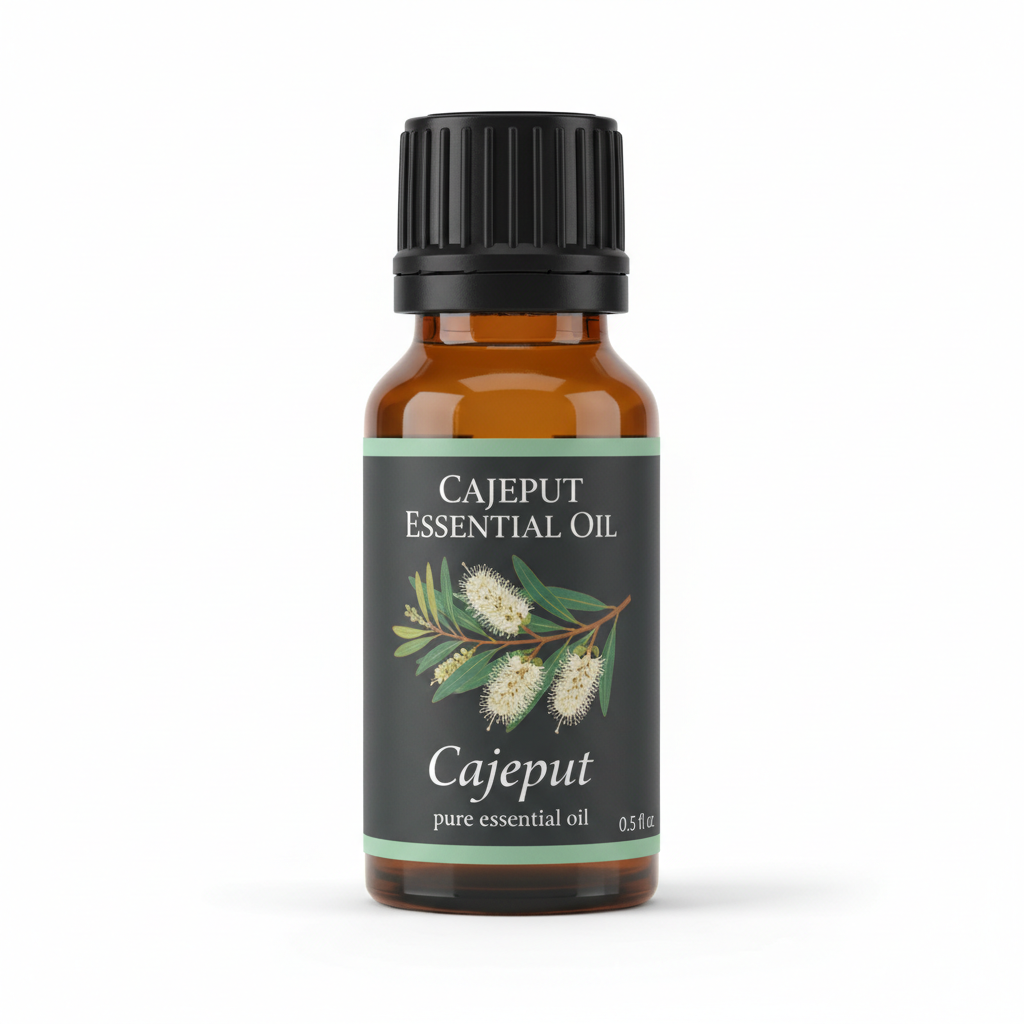
Cajeput is tea tree's brighter, sweeter cousin. Steam-distilled from the leaves of Melaleuca cajuputi, the paperbark tree of Indonesia and Southeast Asia, it delivers a fresh, camphorous aroma with a fruity softness that makes it a favorite in clean-scented home blends.
Start diffuser blends and DIY sprays with a crisp, camphor-cool top note that clears stale indoor air fast.
Explore →Add a clean, penetrating edge to cold-process soap and candle pours where a sharp, fresh scent matters.
Explore →Pair cajeput with eucalyptus, pine, lavender, or citrus to build crisp, camphoraceous accords for any project.
Explore →Order by the pound once your formula is set, with the same batch documentation covering every size.
Explore →
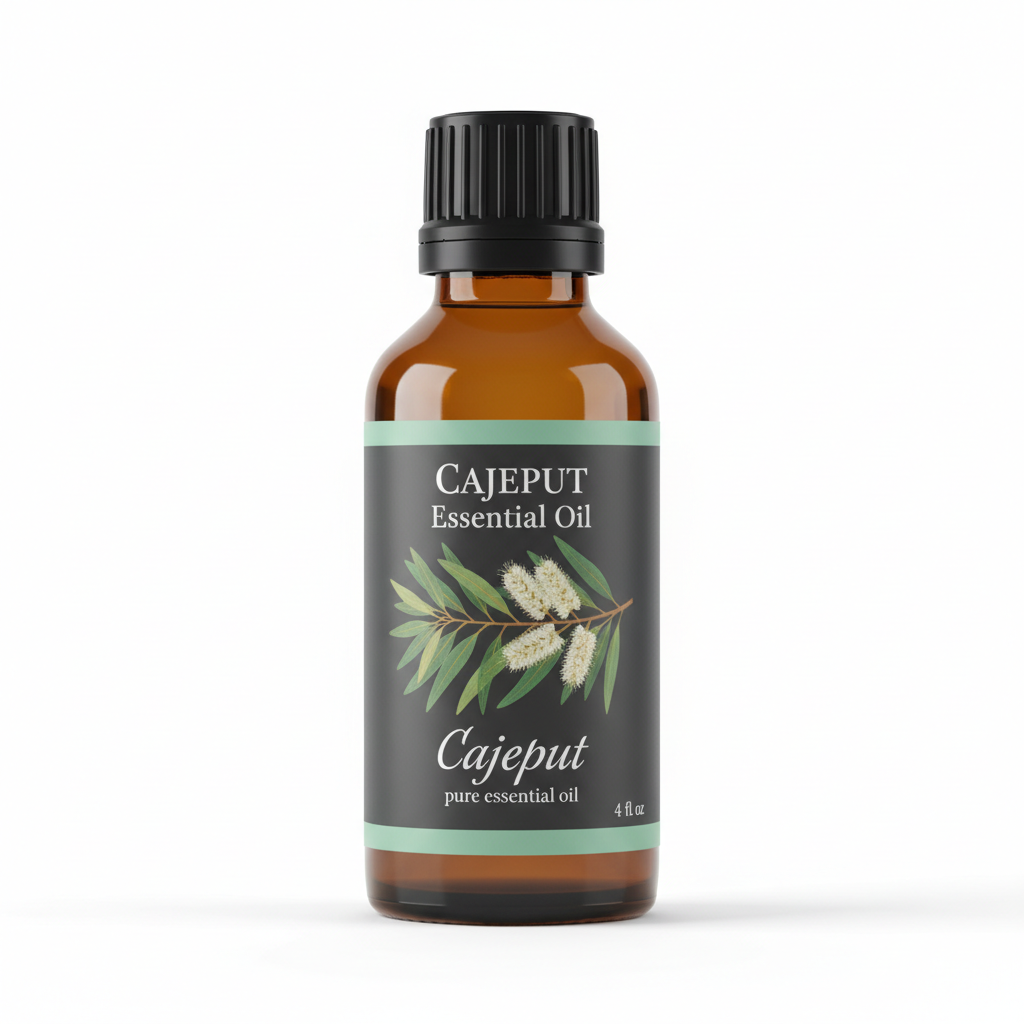
Evaluation Bottle
Smell and test cajeput's crisp, fruity-camphorous top note before committing to a larger blend or batch.
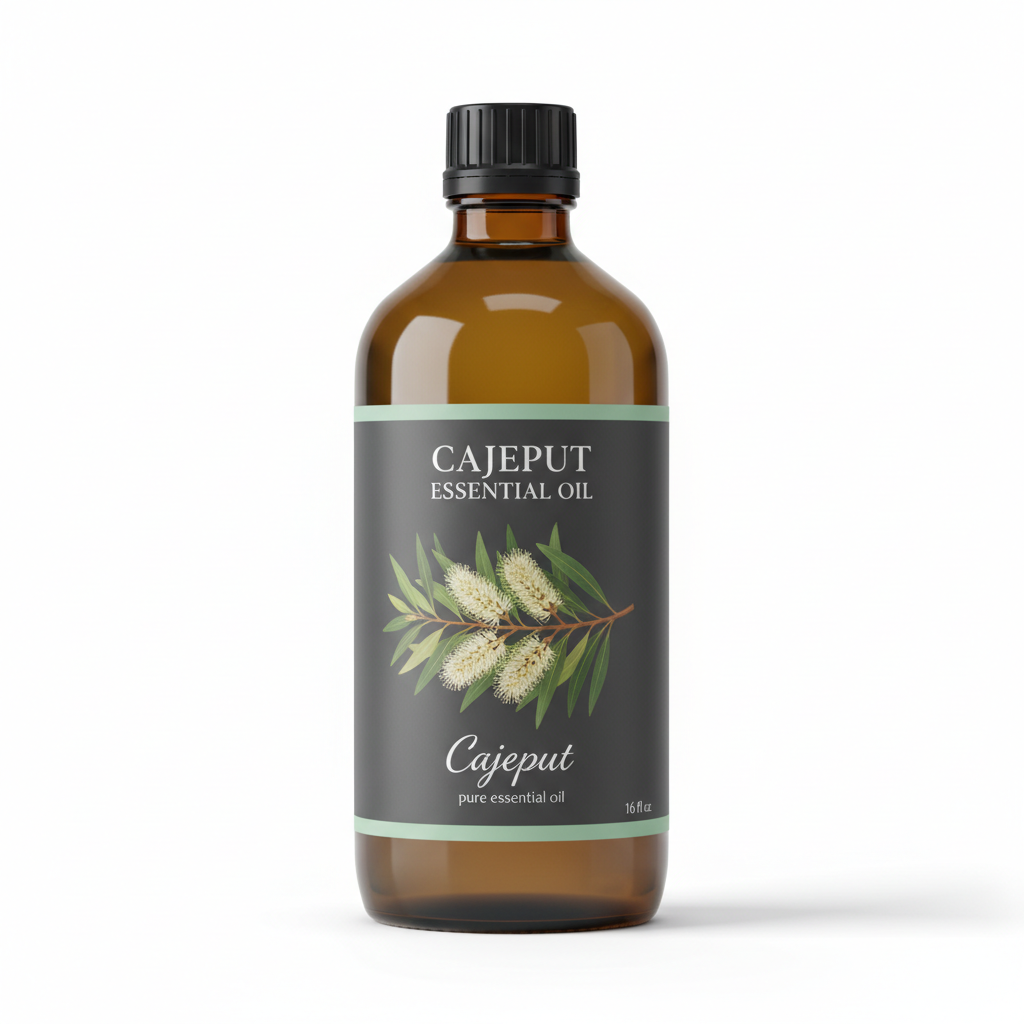
Pilot Batch
Run a real test batch of diffuser blends, sprays, or soap pours before scaling to a production size.
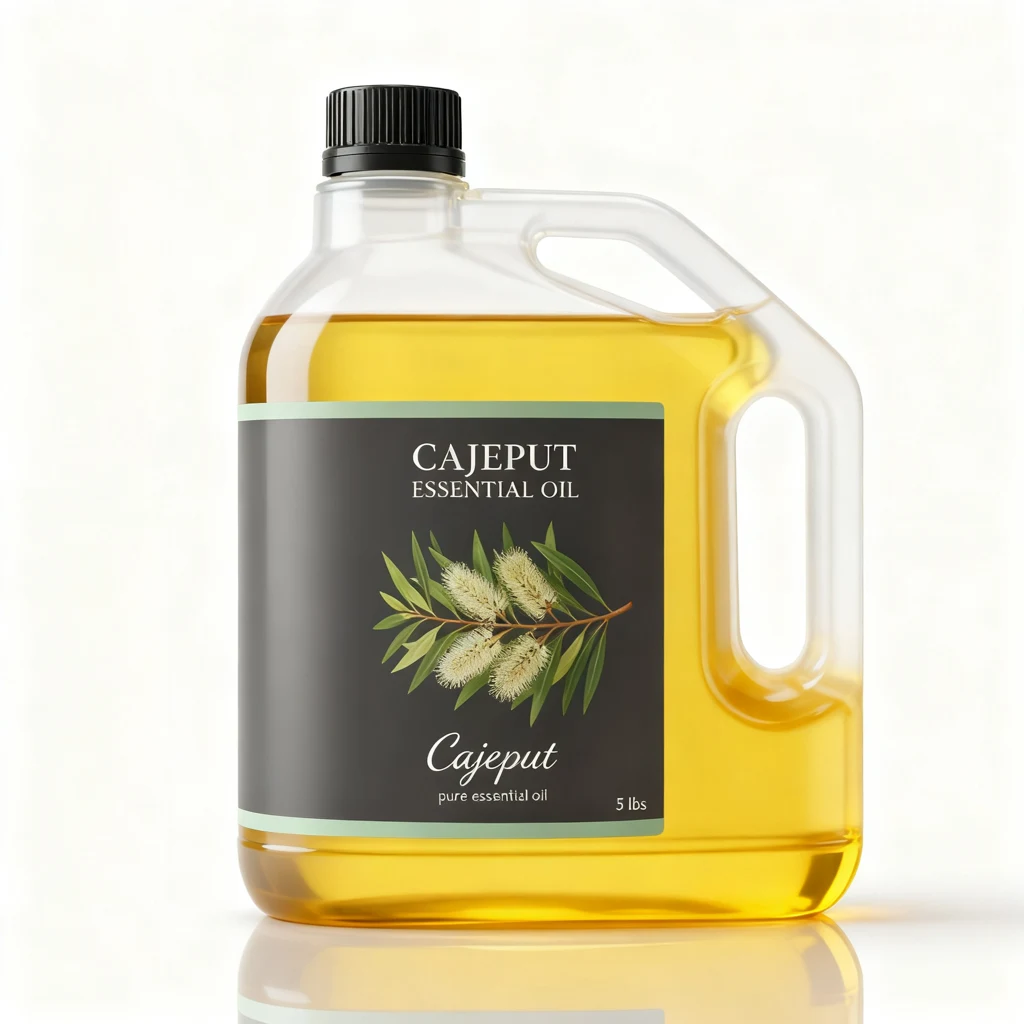
First Production Size
Move into steady soap, candle, or diffuser production at a lower per-ounce cost than the smaller bottles.
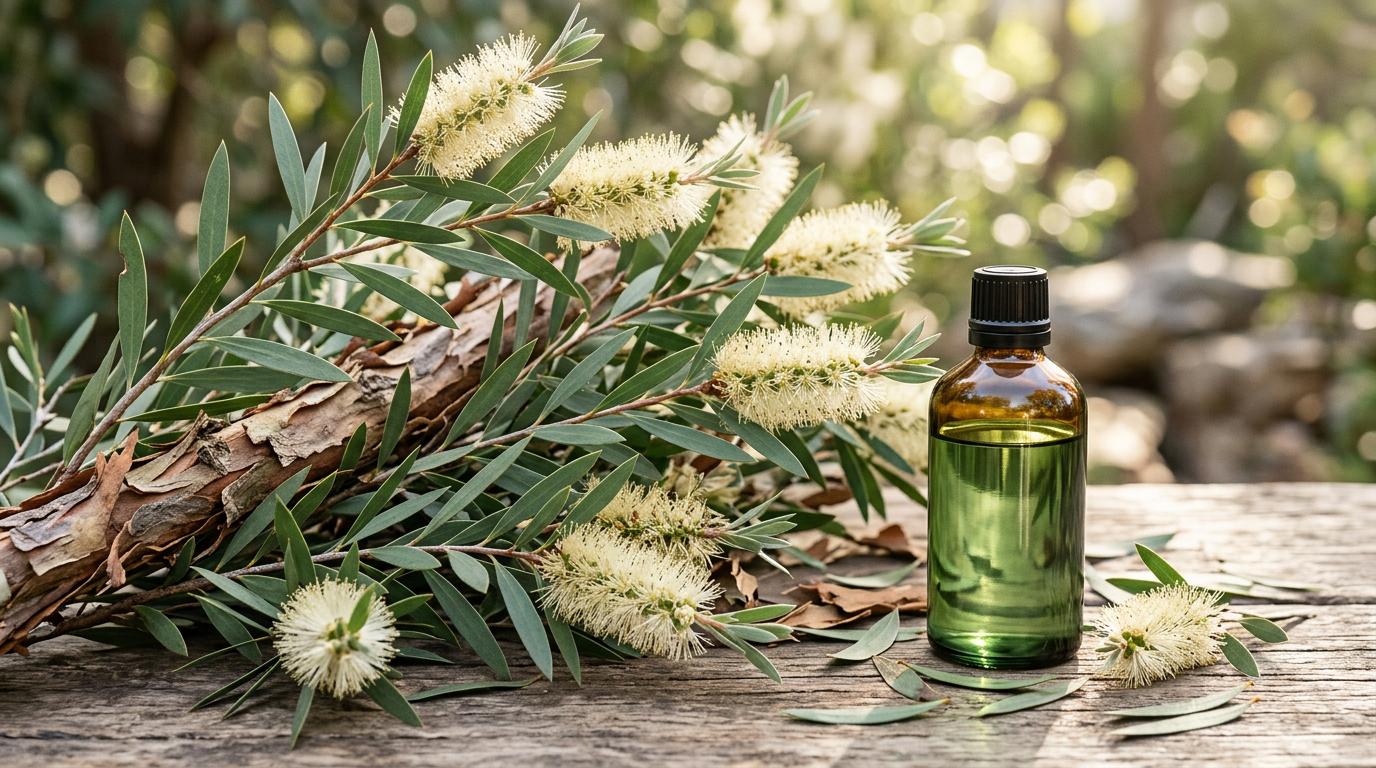
Cajeput essential oil is steam-distilled from the fresh leaves and twigs of Melaleuca cajuputi, a tall paperbark tree that thrives in the wetlands of Indonesia, Vietnam, and Australia. Island distillers have produced it for centuries, and its name comes from the Malay for white wood.
The aroma is fresh and penetrating with a camphor-like coolness, softened by a sweet, fruity undertone that sets it apart from harsher leaf oils. It plays a crisp top-note role and combines naturally with eucalyptus, pine, lavender, and citrus.
Around the house, cajeput freshens diffuser blends and DIY surface sprays, lends a clean edge to homemade soaps, and works into diluted massage and bath blends where a cool, invigorating scent is the goal.
Fresh leaves and twigs are gathered from Melaleuca cajuputi trees growing in Indonesia's wetlands.
Harvested plant material is sorted and prepared to feed an even, consistent steam distillation run.
Leaves and twigs are steam-distilled to draw out the oil's fresh, camphor-cool aromatic compounds.
Each distilled batch is lab-tested and the results are compiled into a published certificate of analysis.
The finished oil is bottled 100% pure and undiluted, then stored to protect its fresh top notes.
Cajeput is easy to cut with cheaper leaf oils or synthetic fragrance and still smell roughly similar, so documentation matters more than marketing language. Every batch we bottle is lab-tested, and the current batch's certificate of analysis is published right here on this page.
That certificate lets you confirm the oil is genuinely distilled from Melaleuca cajuputi and bottled 100% pure and undiluted, not stretched with fillers. Soap houses and formulators building repeatable batches can check that paper trail before ordering more.
| Steam-Distilled Cajeput | Synthetic Fragrance Oil | |
|---|---|---|
| Source | Distilled from real Melaleuca cajuputi leaves | Blended in a lab from synthetic aroma chemicals |
| Aroma | Fresh, cool, fruity-camphorous, naturally complex | Single-note approximation, often flatter or harsher |
| Composition | Bottled 100% pure and undiluted | Typically diluted in a carrier or solvent base |
| Documentation | Batch-tested with a published certificate of analysis | Rarely comes with any batch documentation |
| Best for | Craft projects where authentic botanical scent matters | Low-cost fragrance where origin isn't a priority |
Sourced from a single species, Melaleuca cajuputi, never blended with lookalikes
Distilled from paperbark trees grown in Indonesia's coastal wetlands
Only the fresh leaves and twigs go into every distillation run
Produced by steam distillation, the traditional method for this oil
See how other makers use cajeput in soap, candles, colognes, and everyday DIY projects.


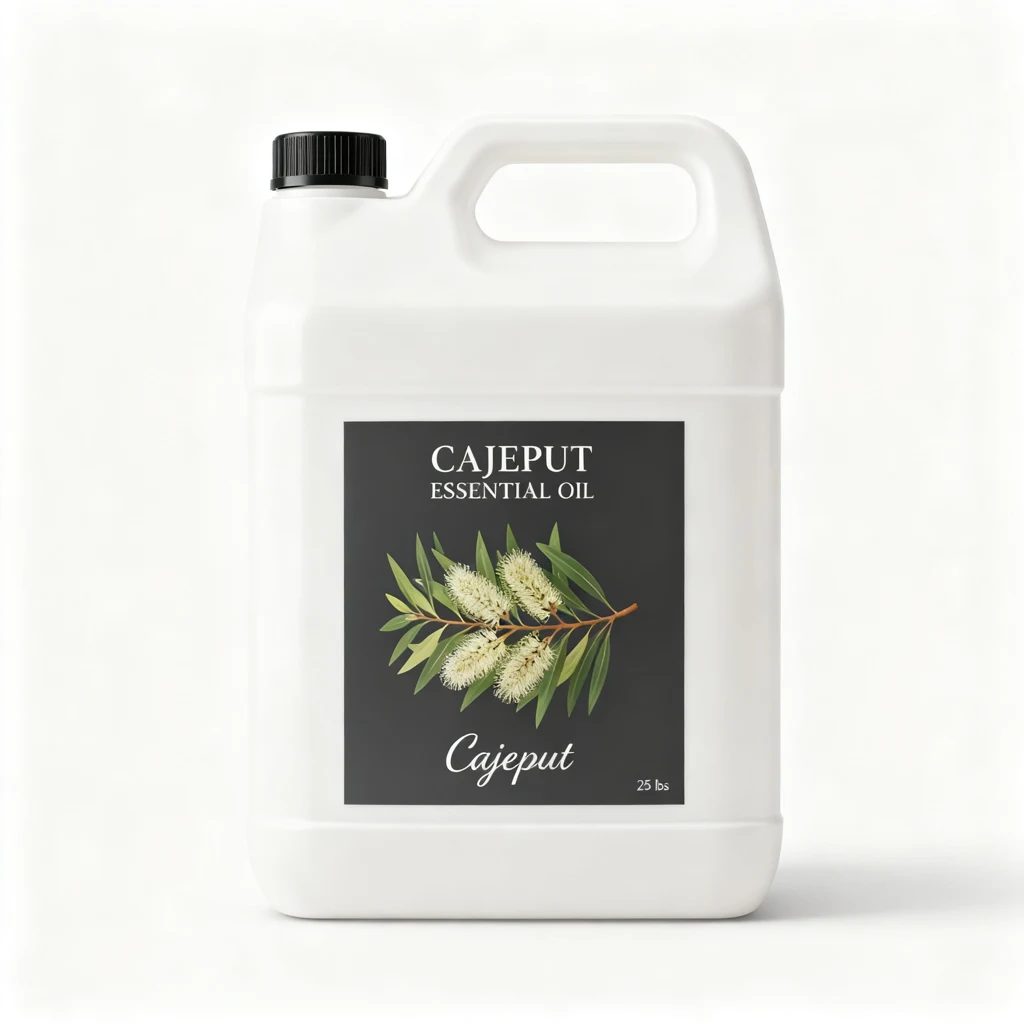
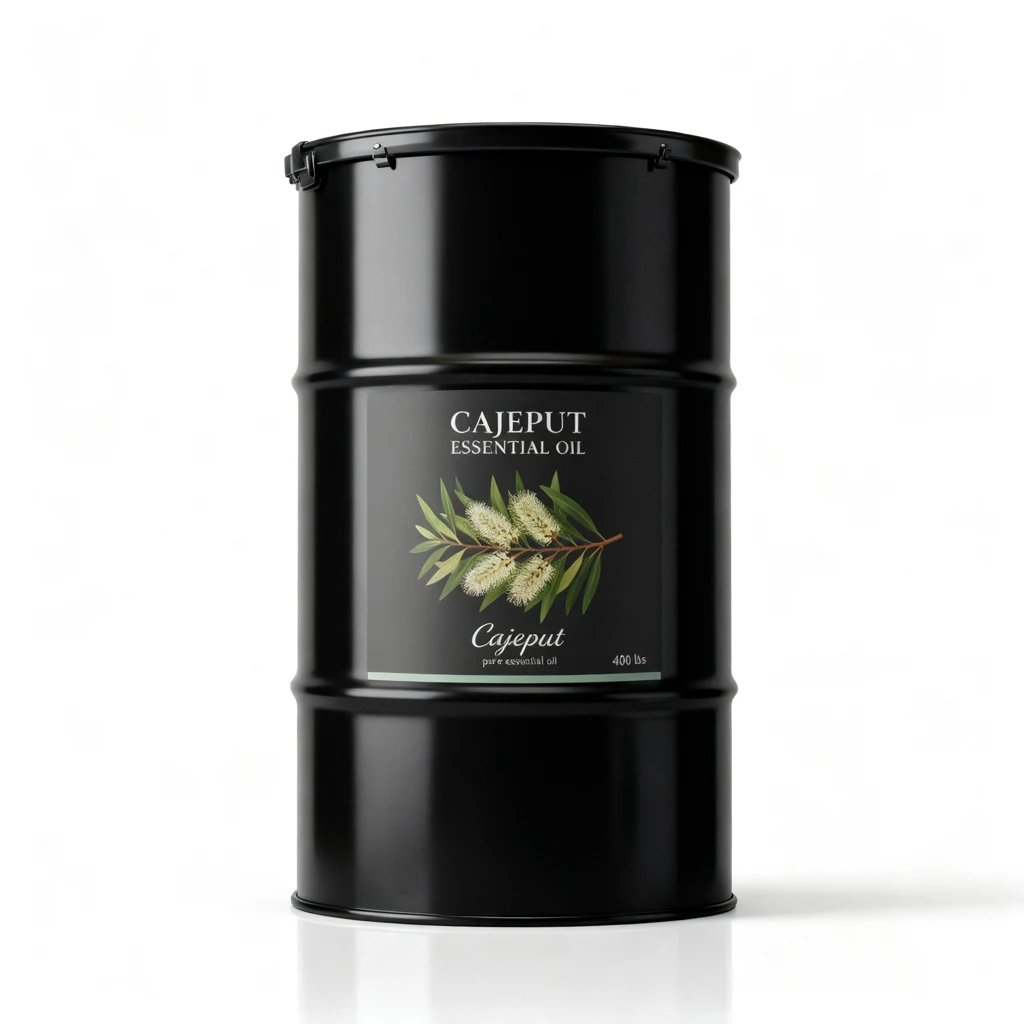
Soap houses, candle studios, and independent perfumers who build cajeput into repeatable formulas do not want to reorder small bottles every week. Our 5 lb, 25 lb, and 400 lb sizes carry the same lab testing and published certificate of analysis as the 0.5 oz bottle, so scaling a formula up never means scaling your documentation down.
Build a clean, camphor-cool top note into cold-process bars without reordering every batch.
See the guide →Pour a crisp, fresh scent into soy or wax blends at a volume that matches production runs.
See the guide →Work cajeput's fruity-camphorous top note into accords and DIY blends at a consistent, testable supply.
See the guide →