What Is Cajeput Oil Used For at Home? Top-Note Ideas
Some oils are anchors; cajeput is a spark. We sell one steam-distilled cajeput, and we describe it as fresh, cool and fruity-camphorous, a top note that gets along with eucalyptus, pine, lavender, citrus, rosemary and peppermint. That job description tells you most of what you need to know about how to use it around the house.
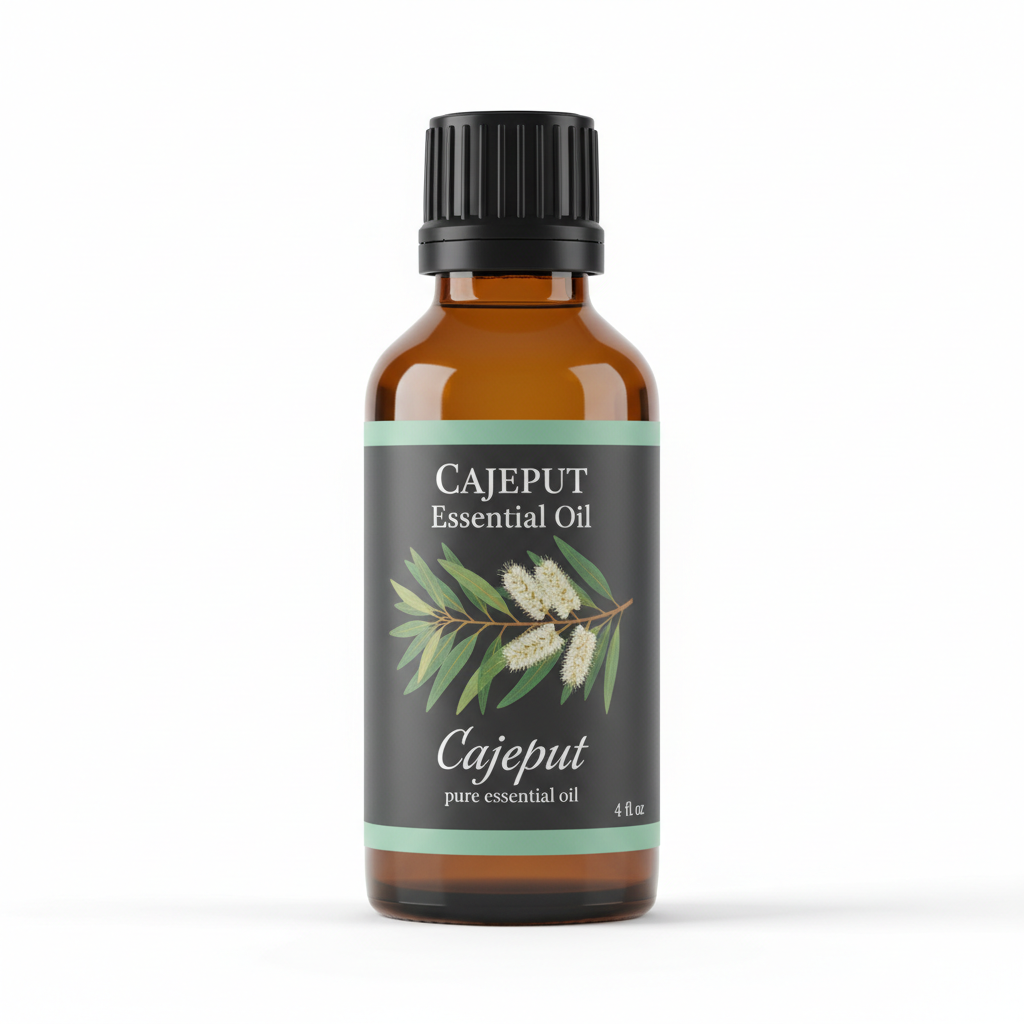
Cajeput Essential Oil
Our own Cajeput Essential Oil, in sizes from 0.5 oz to bulk.
From $10.99
Shop Now →Start with the note, not the room
A top note is the first thing you smell and the first thing to fade. That means cajeput gives a bright opening and then steps back, so it works best with something warmer behind it if you want a room to smell consistent for hours. Our blending guide shows how to build those accords, and the diffuser blends put them into ready ratios.
The best way to start is to treat cajeput like a spice, not a main ingredient. A small pinch lifts the whole dish, and too much takes it over. Keep that in mind as you read on, because every use below follows the same instinct: very little, then see how it feels.
In the diffuser
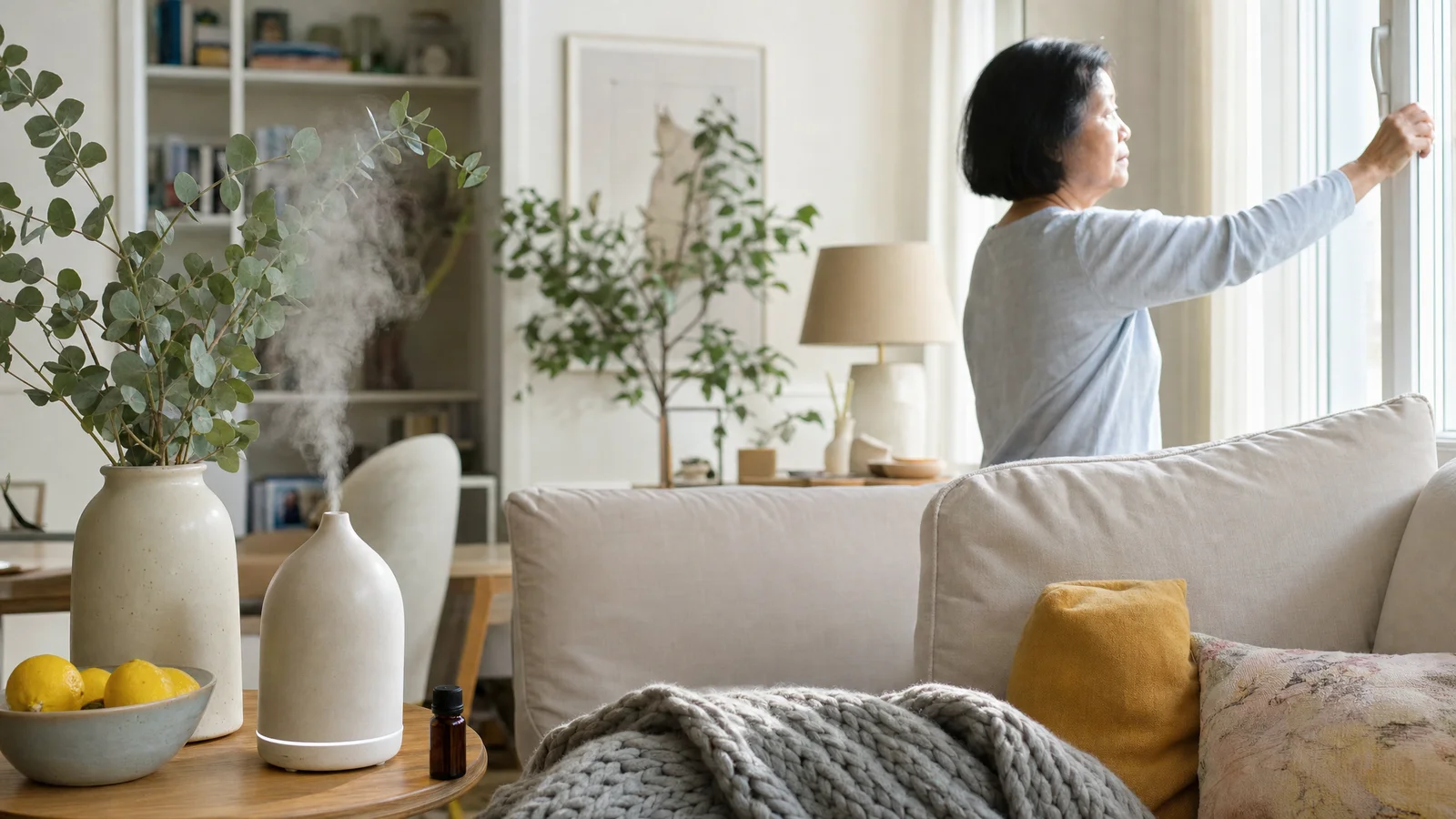
This is the easiest place to begin, because you use very little oil. Short sessions in a ventilated room beat all-day diffusion; the Tisserand Institute suggests 30 to 60 minutes on and 30 to 60 off (Tisserand Institute, safety guidelines). The EFSA panel that reviewed cajuput oil as a feed additive classed it as a skin and eye irritant and a respiratory sensitiser, based on a supplier's safety data sheet, so we take that as a reason to go light, ventilate, and stop if a smell bothers you (EFSA FEEDAP Panel, 2024).

Placement matters as much as dose. Poison-centre guidance is blunt that essential oils are not safe to swallow and that as little as 2 mL of eucalyptus oil can seriously poison an infant (Healthy WA). That figure is for eucalyptus, but cajeput shares its main component, so we treat it as the relevant caution. Keep bottles and diffuser reservoirs out of reach, not just out of sight, and keep diffusion light where children sleep.
Room, linen and surface sprays
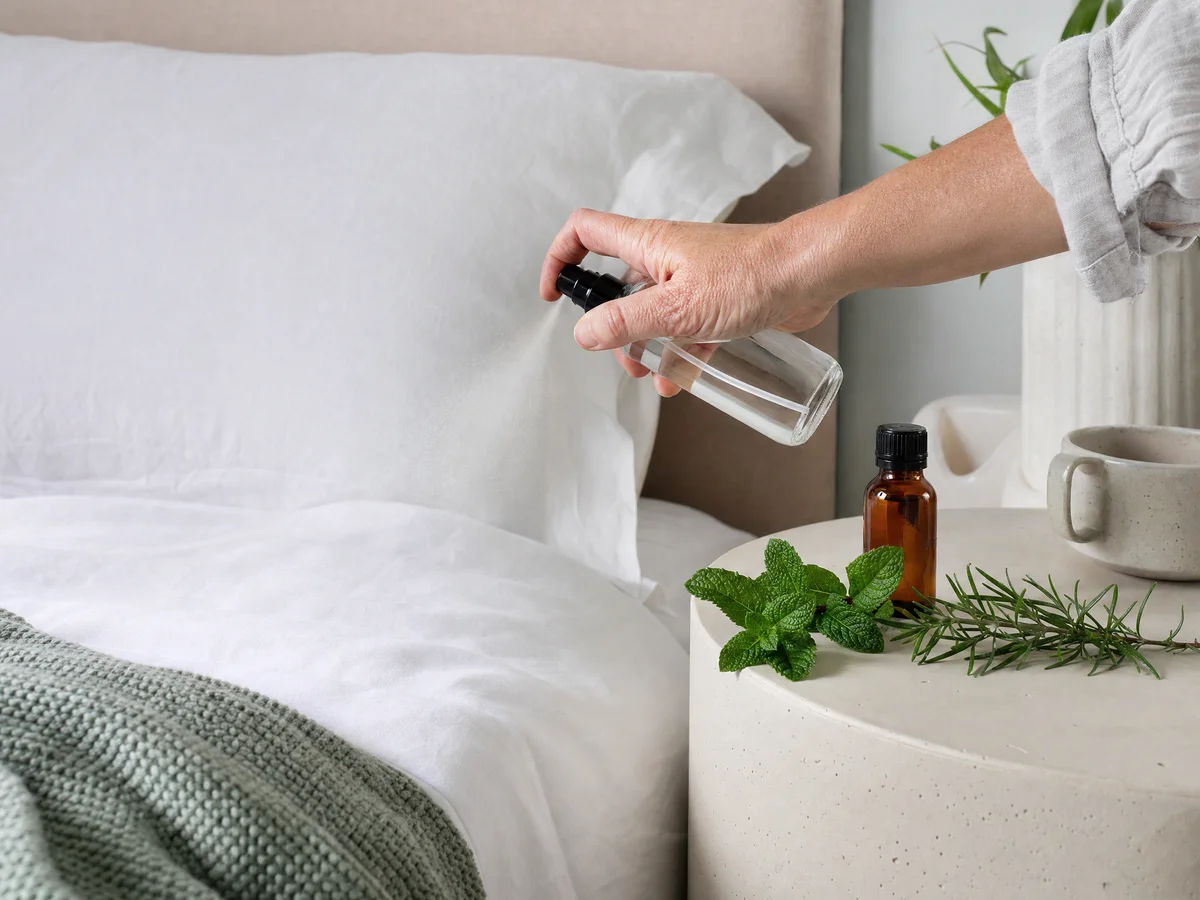
Oil and water do not mix, so a spray needs a good shake, a dispersant or a solvent base, and a spray left for days is a different product from one mixed fresh. Because cajeput has a penetrating smell, a little goes a long way. Our 0.5% to 2% figure is a skin dilution guideline, not a spray recipe, so for working formulations read the linen and room spray and cleaning spray posts. Whatever you scent, try a hidden spot on fabric, wood or leather first and wait for it to dry, since oil marks can appear late; our care guide explains the test.
Soap and candle making
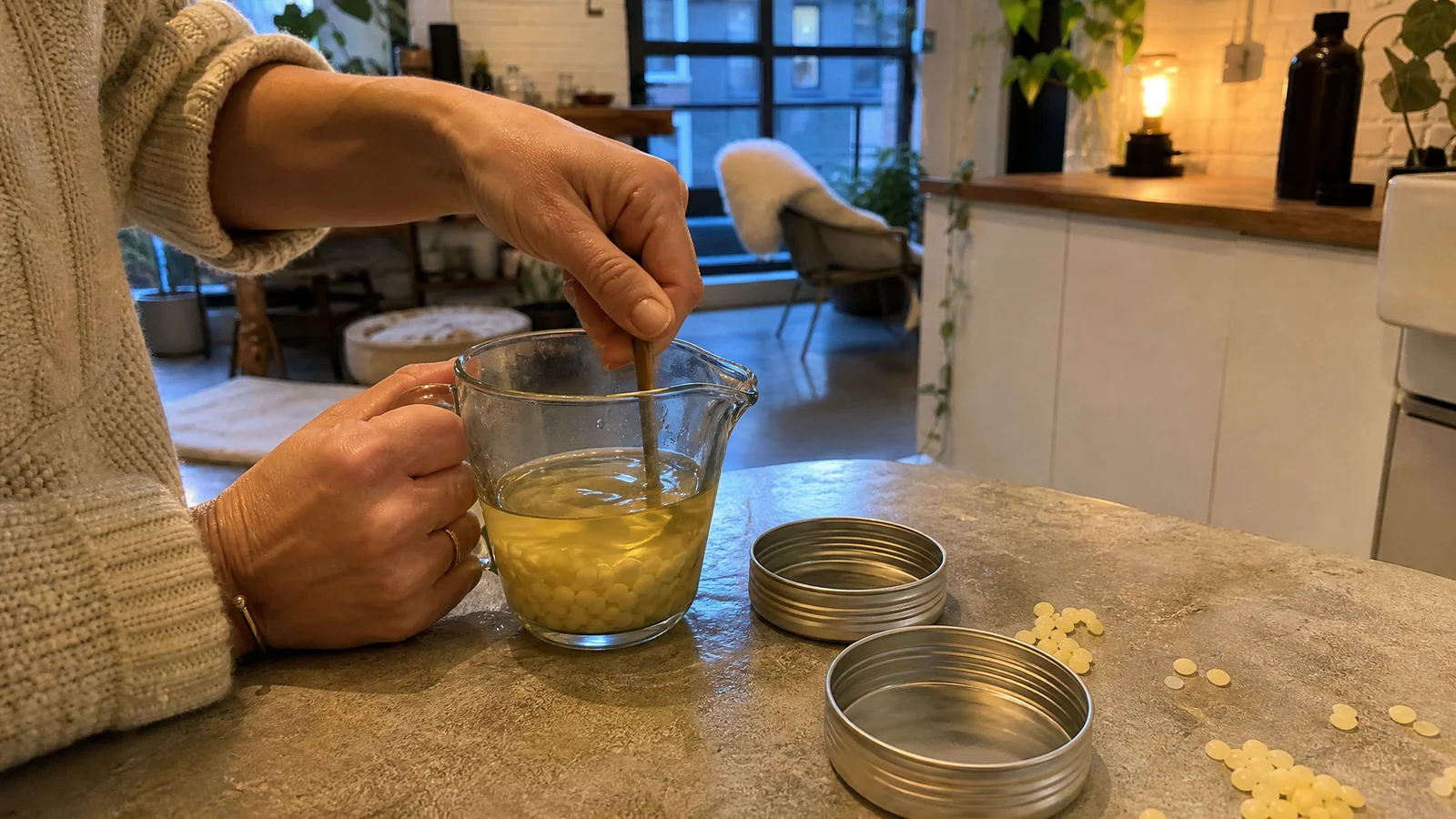
Both are listed uses for cajeput. The limit that governs them is the maximum fragrance load your soap base or wax supplier sets, plus any fragrance-safety assessment if you sell what you make. Get those numbers from your supplier; we sell only the oil, not bases, waxes or wicks.
Steam and showers
Steam carries scent efficiently, which is lovely and also the reason to be restrained: you are breathing it up close. If anyone sharing the space is a young child, pregnant, asthmatic or has a history of seizures, check with a physician or pharmacist first. French food-safety agency ANSES advised against cineole-rich Melaleuca oils for children, pregnant and breastfeeding women because the data are lacking, though its notice was about food supplements, not steam (ANSES, 2020). Our shower and sauna post goes into more detail.
On skin, diluted
Diluted massage and bath blends are a listed use, but they are not our first suggestion. We recommend 0.5% to 2% in a carrier oil such as jojoba or sweet almond, with a patch test first and no contact with eyes, and our dilution guide turns that into drops. Cajeput is for aromatic and cosmetic use only, never for swallowing, and we make no health claims for it. For a medical question, a pharmacist or physician is the right call.
Finding your own favourite
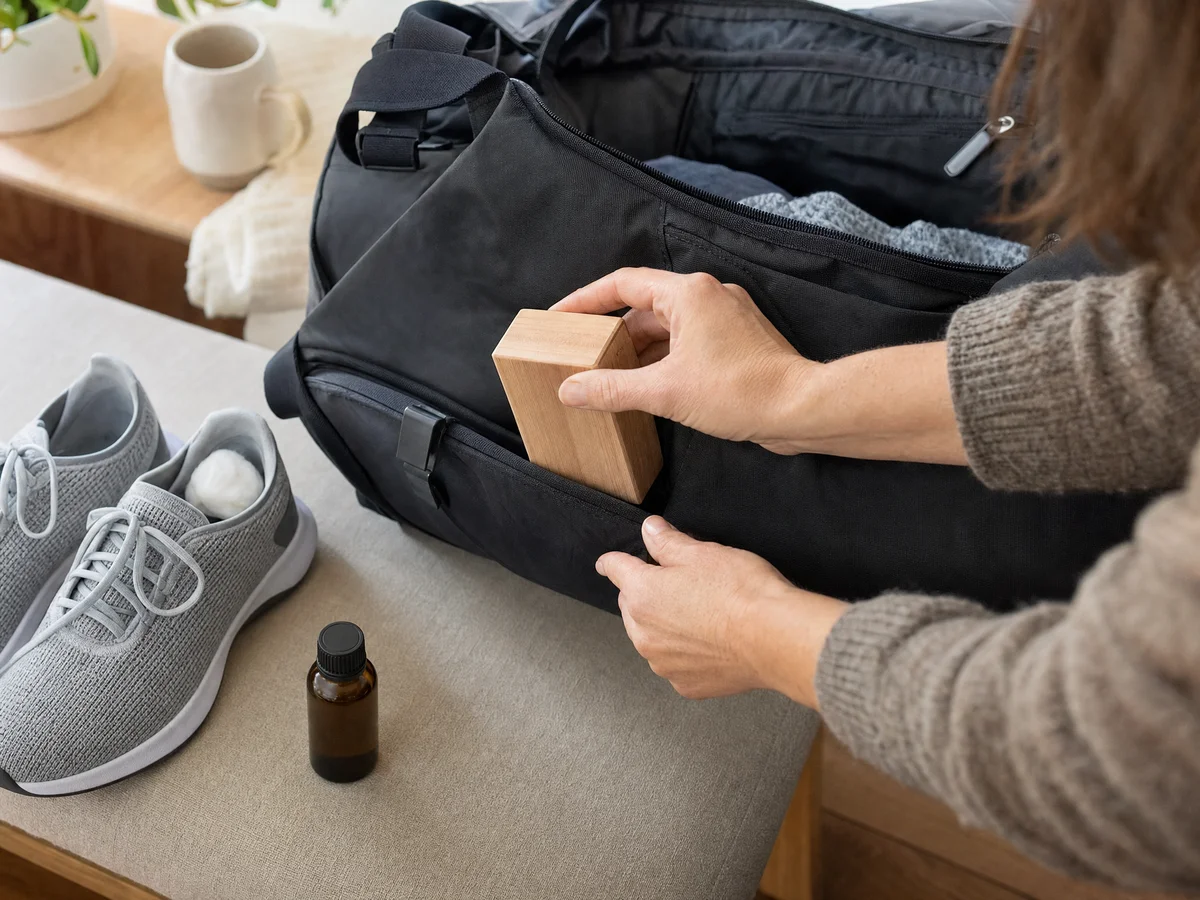
Everyone ends up with a favourite way to use an oil like this. For some, it is a single drop on a cotton pad tucked into a drawer of freshly washed linens. For others, it is a bright note in a citrus blend on a grey afternoon. Try a few of the ideas above, one at a time, and give each a few days before you move on. A small notebook is handy for writing down what you liked, because by the third or fourth experiment you will have forgotten how the first one smelled.
Where it is not the right tool
If you want a long-lasting base note, look to resins and woods from a perfumery supplier. If you want a certain composition figure, ask us in writing for the report for your lot through the contact page. And if you simply want to learn the scent first, a small bottle and a paper strip will tell you more than any list.
Used lightly and with a partner or two, cajeput does one thing very well: it makes a room feel freshly opened.
Cajeput Essential Oil
Cajeput Essential Oil from our own shop, in sizes from 0.5 oz to bulk.
From $10.99
Shop Now →