Cajeput Beard Oil and Splash: Two No-Water Recipes
The usual recipe for a cajeput aftershave tells you to shake the oil into witch hazel and water. It looks easy, but the oil floats, the first sprays come out strong, and a bottle containing water needs a preservative that kitchen-counter recipes rarely include. So here are two anhydrous alternatives, a beard oil and an alcohol splash, both worked out by weight. They are formulations built from the sources and arithmetic below. We sell the cajeput; carriers, alcohol and bottles come from a cosmetic-ingredient or craft supplier.
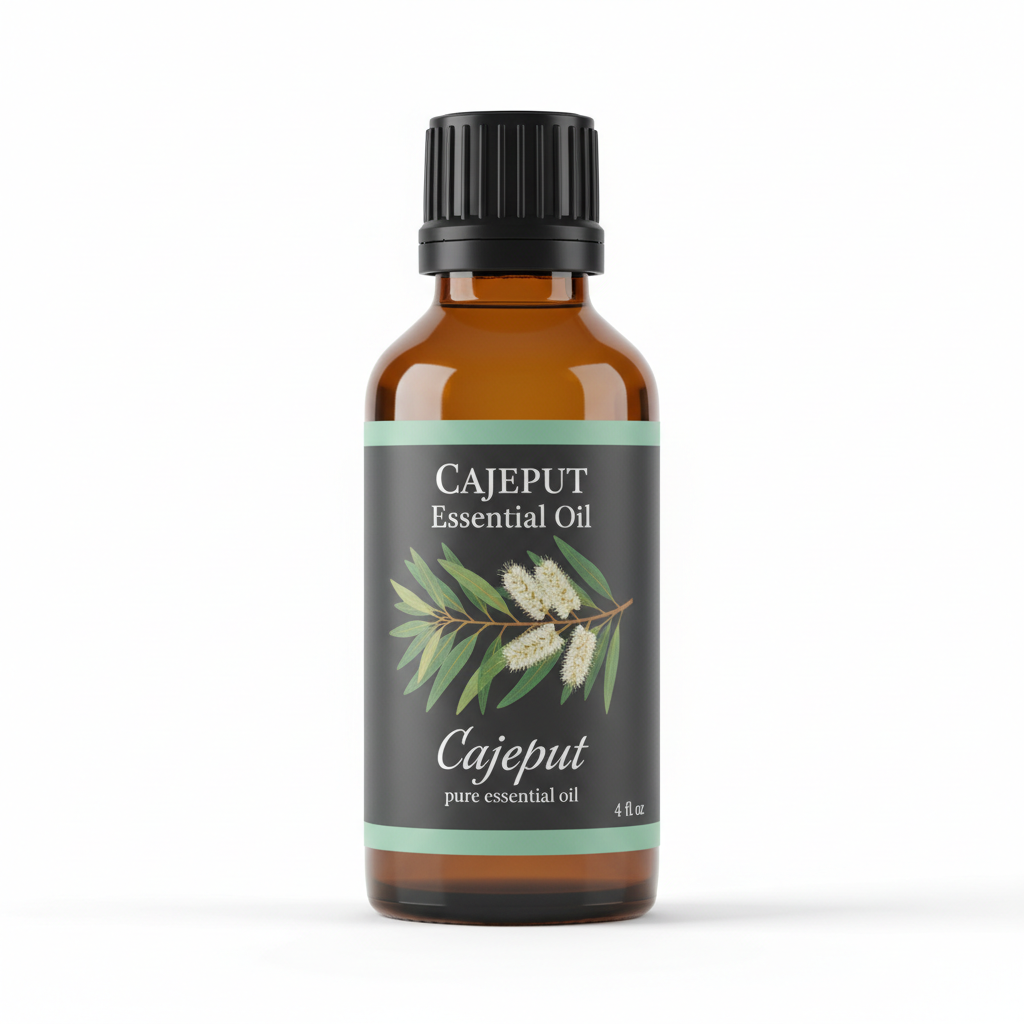
Cajeput Essential Oil
Our own Cajeput Essential Oil, in sizes from 0.5 oz to bulk.
From $10.99
Shop Now →Why we keep the percentage low on the face
A beard and neck product lands on skin that may be freshly shaved, warm and slightly abraded. Our dilution guidance for cajeput is 0.5% to 2% in a carrier oil, with a patch test first, and since the oil stings on contact with eyes or broken skin, we would sit at the bottom of that range here: 0.5%, with 1% as the ceiling for a beard oil that mostly coats hair. The Tisserand Institute puts the underlying principle plainly: dilution and risk are directly related, so the more dilute the oil, the lower the risk. One practical corollary is to keep cajeput off a fresh razor burn or nick, and give skin time to settle first.
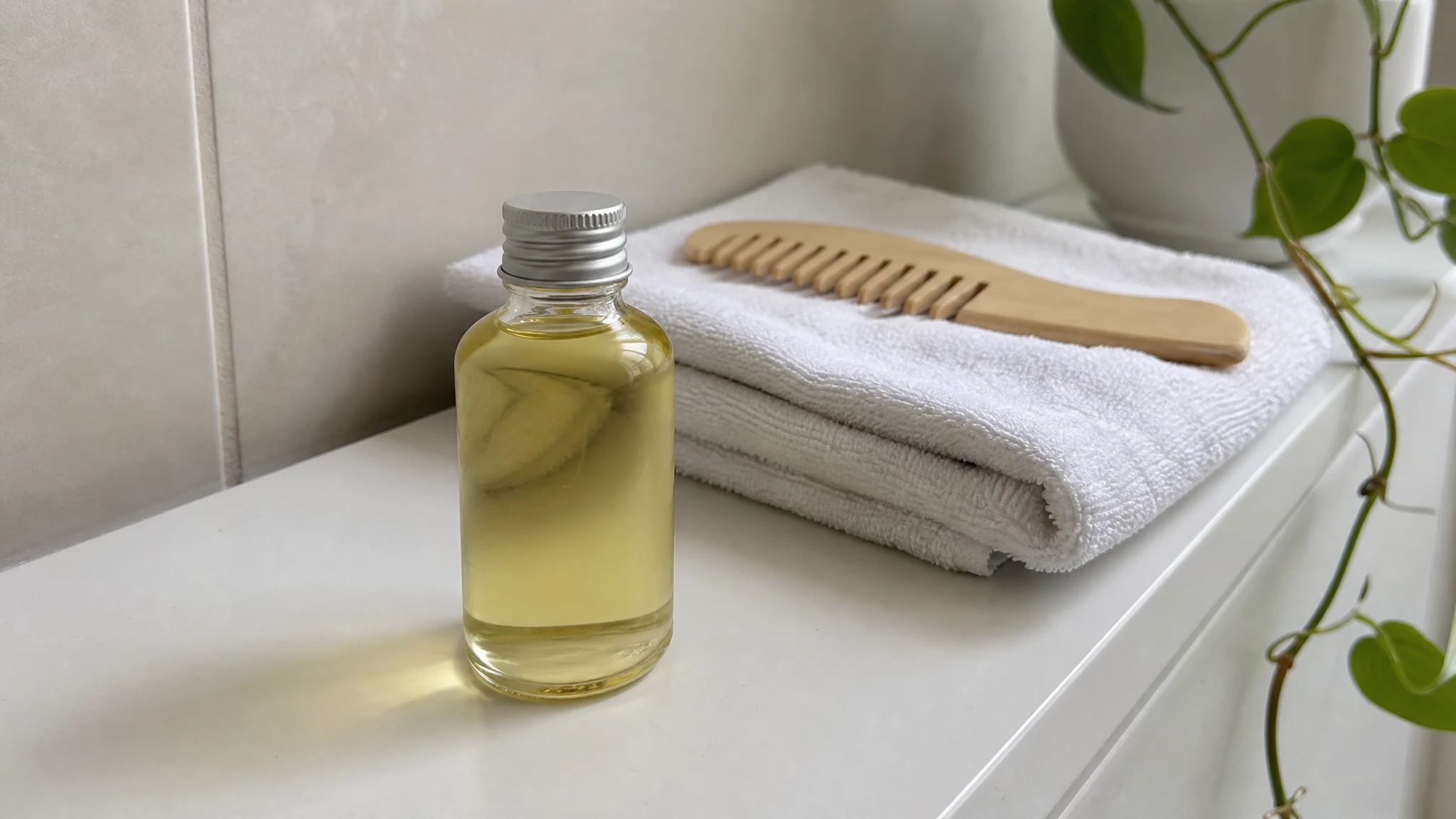
Beard oil, 30 g bottle
| Strength | Carrier (jojoba, argan or sweet almond) | Cajeput | Drops at 20 to 40 per ml |
|---|---|---|---|
| 0.5% | 29.85 g | 0.15 g | about 3 to 7 |
| 1% | 29.70 g | 0.30 g | about 7 to 13 |
The drop column comes from two numbers. The batch on our published Certificate of Analysis has a relative density of 0.906, so 0.15 g is about 0.17 ml. And the Tisserand Institute's drop-size review found drops per ml ranging from about 20 to 40, averaging 30. That spread is wide, which is exactly why a gram scale beats a dropper at this size. If you only have a dropper, begin at the low count and smell before adding more. Our carrier oil guide compares the options, including the nut-allergy point.
Oil in oil has no water in it, so there is nothing for a preservative to do. That is the main reason to prefer it. Keep the cap on, and use it within the shelf life your carrier supplier gives for the carrier.
Alcohol splash, 100 g
Essential oils do not dissolve in water, and the Tisserand Institute's bath-safety page says so plainly. That is the whole trouble with water-and-witch-hazel recipes: unless something solubilises the oil, it separates. The same page names polysorbate 20 as a surfactant that can do the job, but a water-based product then needs a tested preservative system, and that is a conversation for a cosmetic chemist or your preservative supplier.
The simpler road is to leave the water out:
- Perfumer's alcohol or a high-proof spirit from a cosmetic-ingredient supplier: 99.5 g
- Cajeput essential oil: 0.5 g (0.5%), about 0.55 ml or roughly 11 to 22 drops depending on the dropper
Combine, cap and shake, then leave it overnight before judging the scent. Alcohol sharpens the first impression and it rounds off after a day. Before spraying, hold the bottle to the light: haze or oily streaks mean the oil has not fully dissolved, and that bottle should not go on skin. An alcohol splash will sting on freshly shaved skin whatever is in it, and cajeput adds its own bright sharpness, so if your skin is dry or easily upset, the beard oil is the kinder choice.
Eyes, flames and the family
- Eyes. Undiluted essential oil in the eye can cause a chemical burn, according to the Tisserand Institute. Even at 0.5%, spray onto your hand and pat on rather than aiming at your face.
- Flame. Alcohol and essential oils are both flammable, and the Tisserand Institute advises against use in close proximity to a naked flame. Let the splash dry before you light a cigarette, candle or stove.
- Children and pets. Keep the oil away from both. Cajeput is high in cineole, which makes it unsuitable for babies and young children, and a neck splash can easily end up on a baby you are holding. See our posts on children and pets.
- Pregnancy. Anyone pregnant or nursing should ask a physician or midwife before using it; the pregnancy post covers what is known.
Patch test, with realistic expectations
The Tisserand Institute notes that patch testing is not completely reliable and that an allergic reaction often does not appear the first time an oil is used. Our approach is to apply a little of the finished product to the inner forearm, wait a day, then use it on the neck for a few days before extending it to the whole beard, and to stop at the first itch or redness. That will not prove anything is safe, but it catches the obvious reactions before they cover your face. The dilution and patch test article goes deeper.
What cajeput brings to a grooming product
Cajeput's scent is fresh, cool and fruity-camphorous, and it sits in the top notes: a bright first impression that fades fast. That is the whole job, a lift, not a conditioner. If you want a scent that lasts through the afternoon, a base note from a perfumery supplier will do more than extra cajeput will. And if you are still choosing between fresh oils, our cajeput versus rosemary comparison is a good second read.
Give the finished beard oil a minute on your palms before it goes on. Warm hands release a little of the top note, and you will notice the cool, fruity edge before the carrier's softer smell takes over. Press rather than rub, and keep it well away from your eyes.
If you only make one, make the 0.5% beard oil: it is the smallest, gentlest version, and a few drops go a long way.
Cajeput Essential Oil
Cajeput Essential Oil from our own shop, in sizes from 0.5 oz to bulk.
From $10.99
Shop Now →Sources & Further Reading
- Tisserand Institute. Irritation and allergic reactions. tisserandinstitute.org/safety/irritation-allergic-reactions
- Tisserand Institute. Drop size. tisserandinstitute.org/learn-more/drop-size
- Tisserand Institute. Bath safety (water solubility, polysorbate 20). tisserandinstitute.org/safety/bath-safety
- Tisserand Institute. Safety guidelines (flames, eyes). tisserandinstitute.org/safety-guidelines