Cajeput Oil Price Comparison: Why Quotes Differ So Much
Put two cajeput oil quotes side by side and they can look nothing alike, even when both name the same tree. A headline price is a poor guide to what is in the bottle. A few facts about how the oil is made, and a little arithmetic, make the comparison much clearer.
Cajeput Essential Oil
Our own Cajeput Essential Oil, in sizes from 0.5 oz to bulk.
From $10.99
Shop Now →It takes a lot of leaf
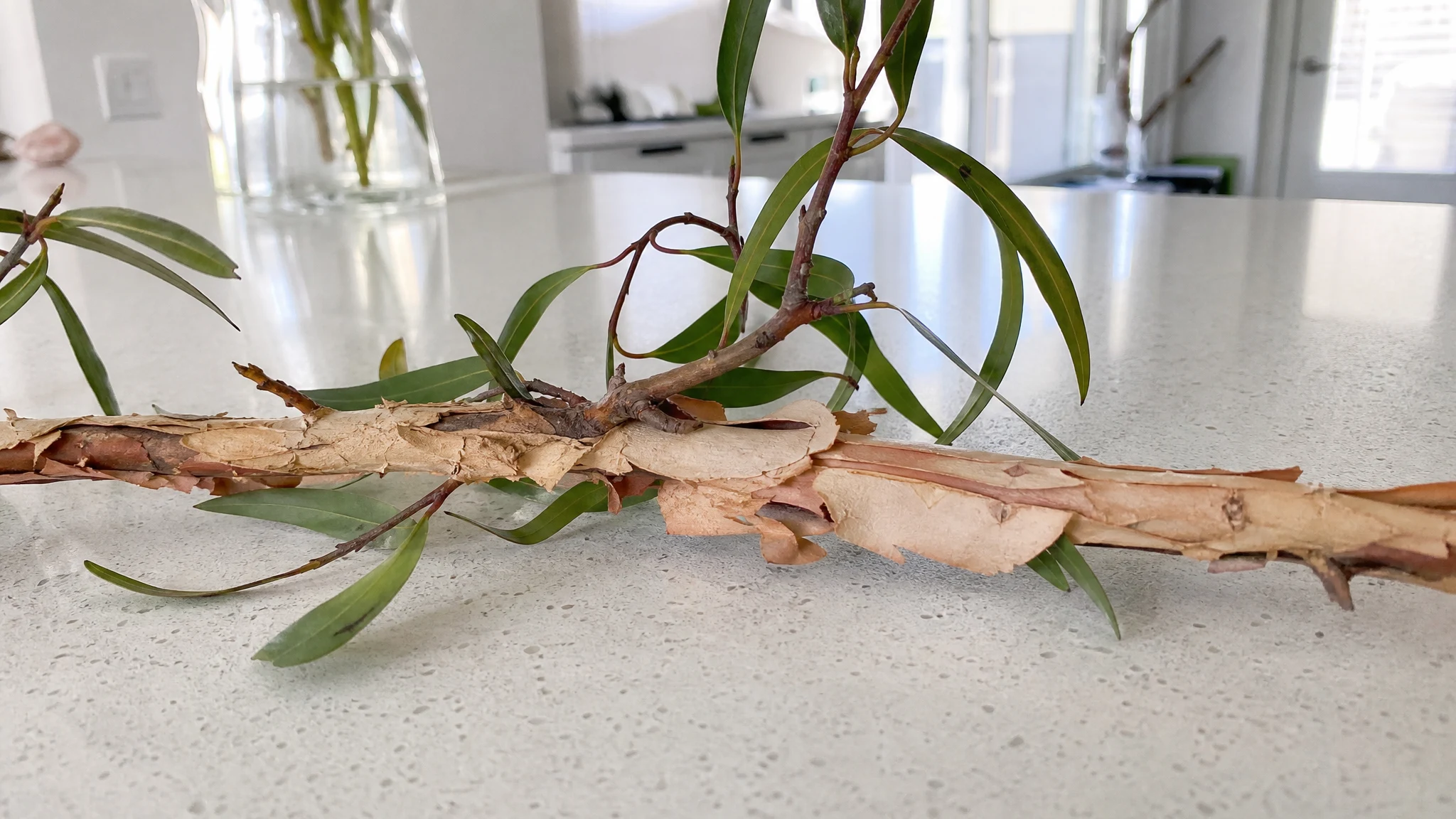
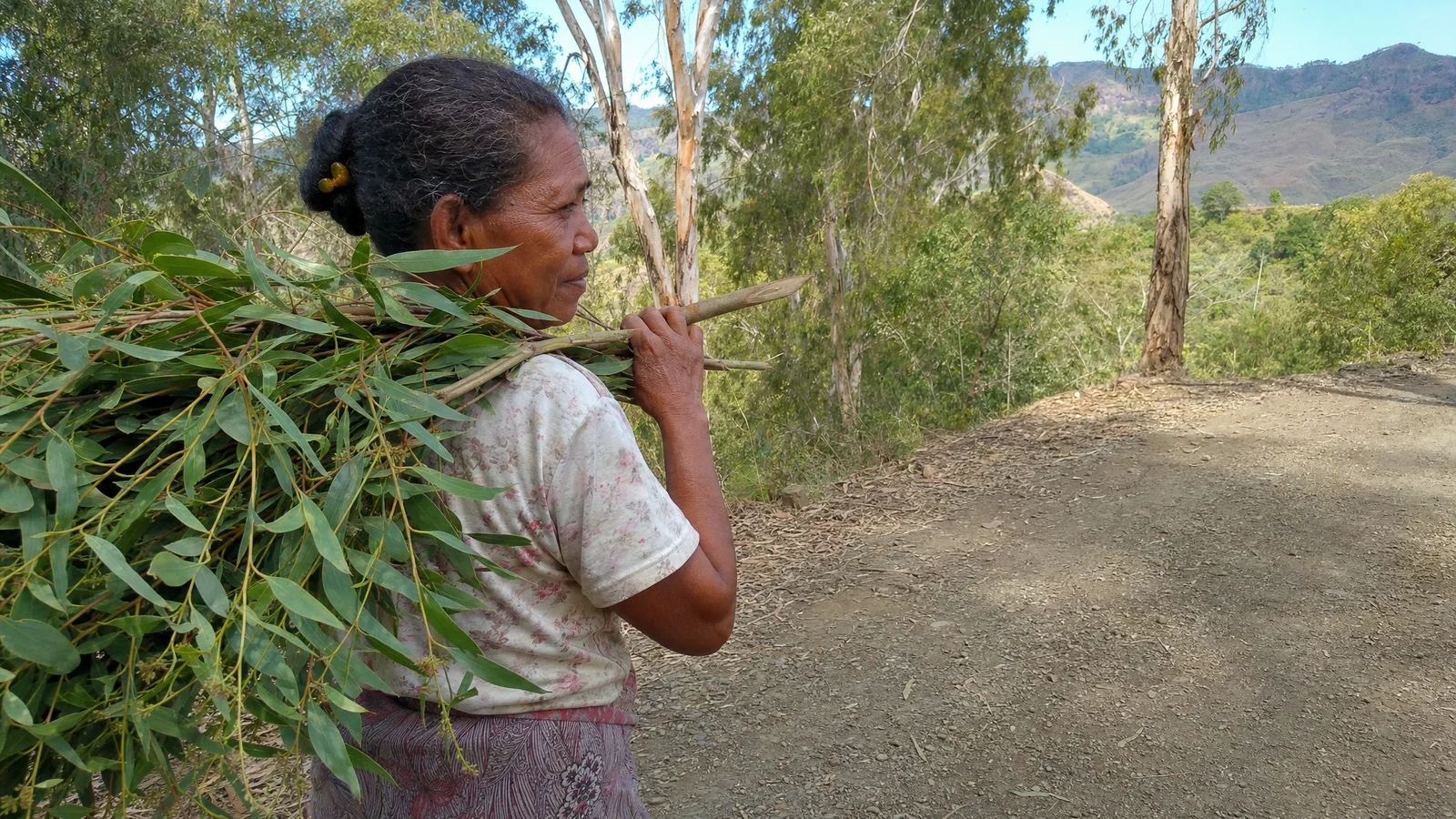
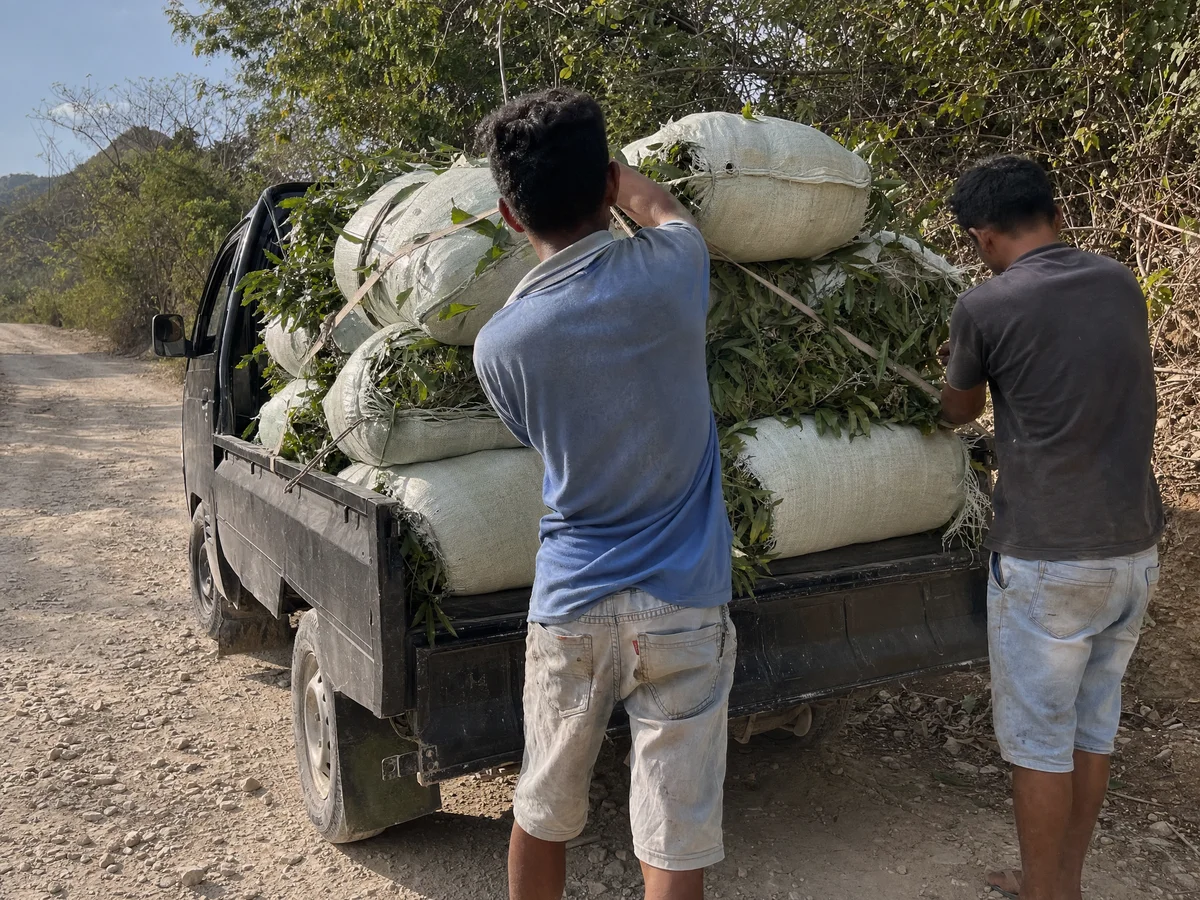
Cajeput oil is a low-yield crop. A Thai study that distilled Melaleuca cajuputi leaves and twigs collected in Chanthaburi Province in February 2018 recovered 0.35% oil after a 48 to 72 hour hydrodistillation (Keereedach et al., 2020). At that rate a kilogram of oil takes roughly 286 kg of plant material. Traditional Moluccan family stills reach better figures: the PROSEA handbook describes a run of about 8 hours that takes roughly 160 kg of dried leaf and gives about 3 kg of oil (PROSEA, Melaleuca cajuputi), about 2%.
The gap between those two figures is the point. Yield shifts with season, leaf condition, species and still design, so the cost of a kilogram of oil is not one number across the industry. It depends on the leaf, the fuel and the hours behind each lot.
When we are comparing anything we do not know well, whether it is a bag of coffee or a bottle of oil, we find it helps to slow down and make a short list on paper. Two columns, one for each quote, and a handful of rows. It sounds tedious, but it is the only thing that stops a bargain from looking like a better deal than it is.
What a price per bottle can hide
- Composition. The EFSA opinion on cajuput oil describes a specification of 50% to 70% 1,8-cineole, with five batches between 58.71% and 63.40% (EFSA FEEDAP Panel, 2024). Oils at very different prices can fall anywhere in that spread.
- Species. The same EFSA opinion notes that M. cajuputi and M. leucadendra leaves are commonly mixed before distillation, so a listing that names one species is making a narrower claim than one that names none.
- Documents. A quote with a lot report and a quote without one are different offers, even if the oil is the same.
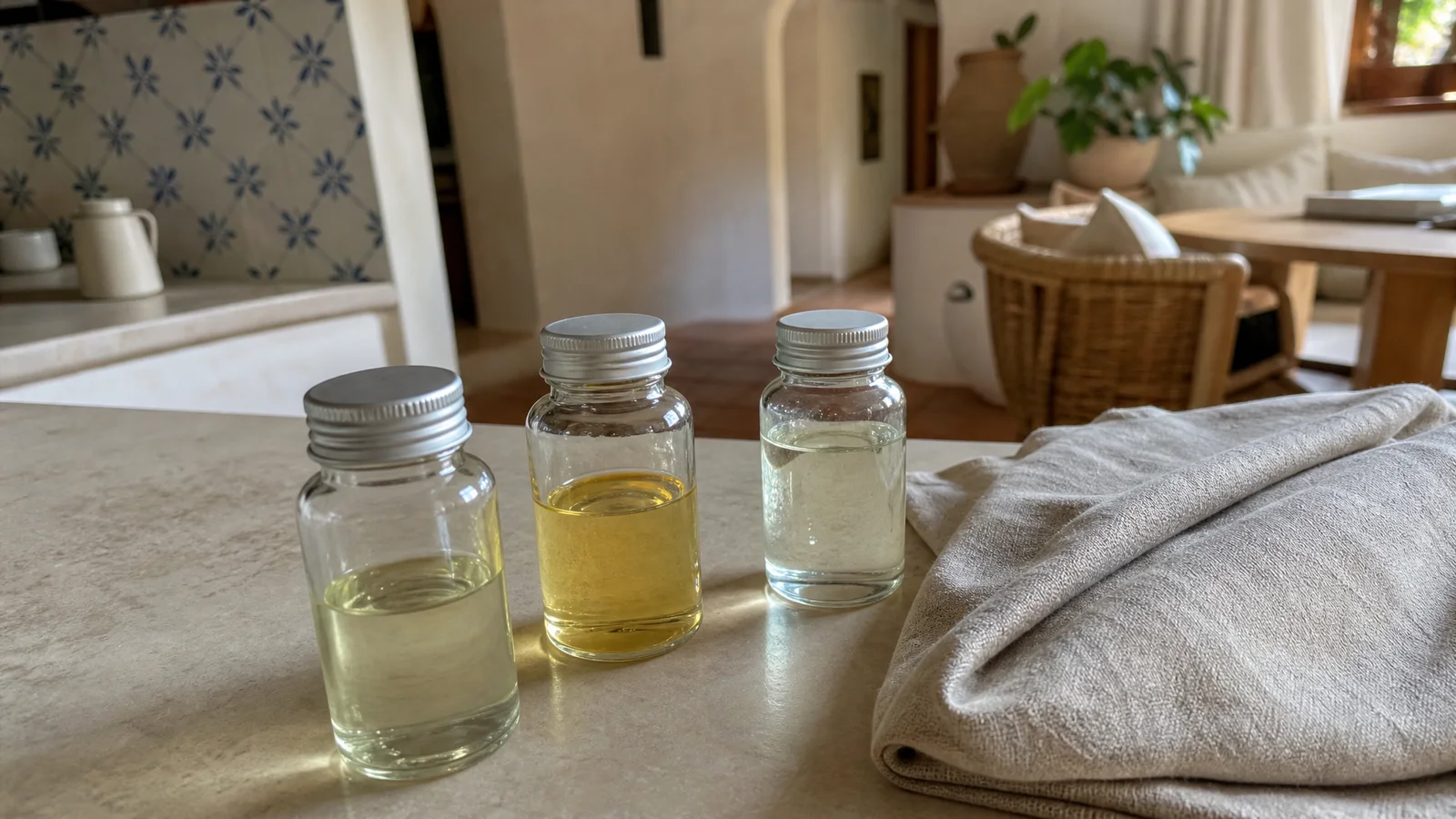
- Packaging. Small bottles carry glass, labelling and handling that large containers spread over more oil. That is reasoning rather than a measured split, but it is why sizes should be compared per millilitre.
The unit trap, with real numbers
Convert everything to millilitres before you compare anything. The Certificate of Analysis we publish for one batch lists a relative density of 0.906 at 20 C, so 1 ml weighs about 0.906 g. A pound (453.6 g) is therefore about 500 ml, while 16 fluid ounces is about 473 ml. A pound and a 16 oz bottle at the same price are not the same deal, because the pound holds around 27 ml more. Listings sometimes use "oz" for weight and sometimes for volume, so check which. Then divide each price by its millilitres and compare. Densities vary a little between oils, so a seller's own certificate is the right place to find their figure.
Smell it before you commit
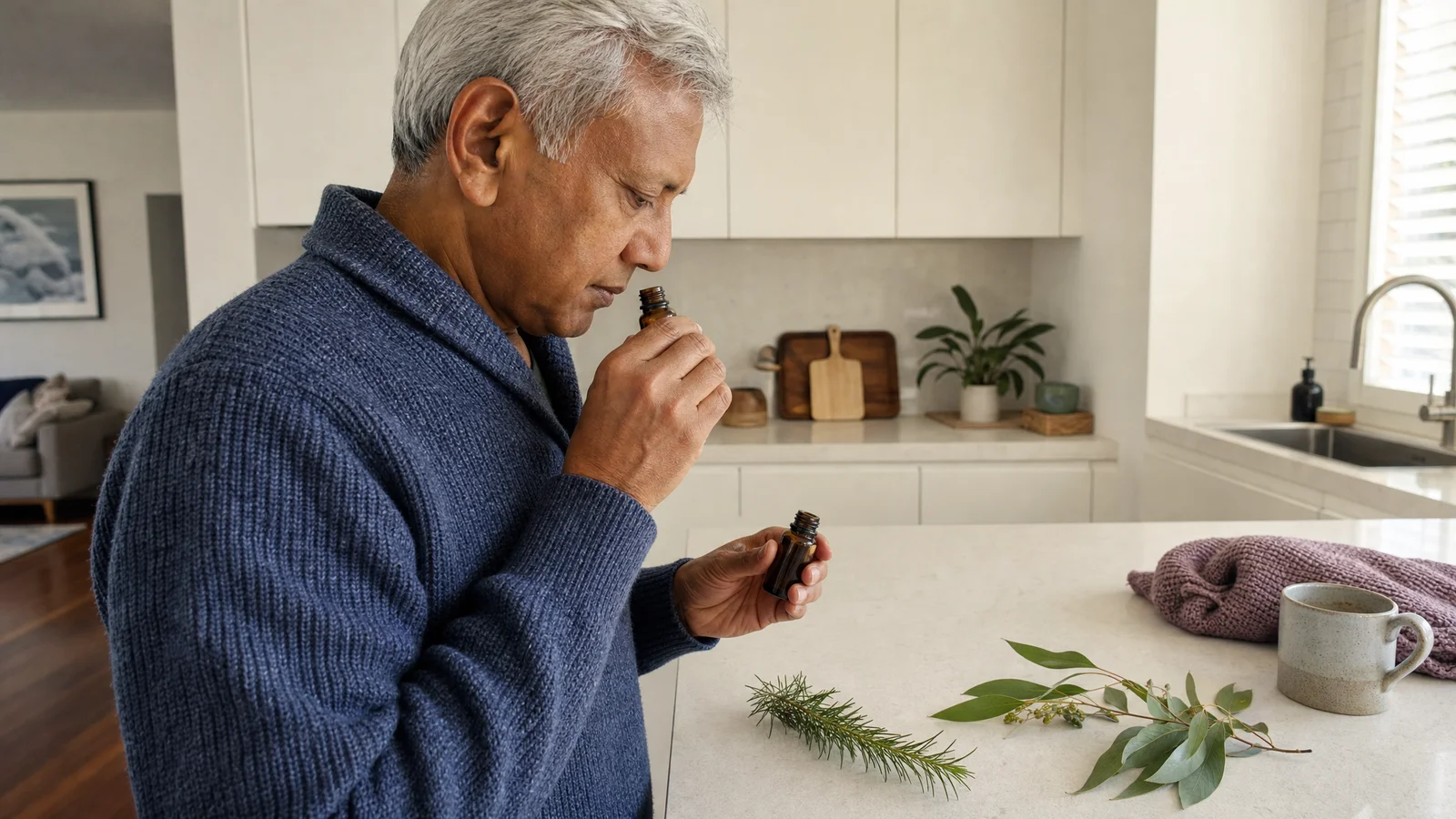
If you can, start with the smallest size of any oil you are considering, rather than the biggest. A small bottle lets you open it, put a drop on a paper strip, and decide whether the aroma matches what you wanted: cool, bright, a little fruity and camphor-edged. It costs you very little to find out, and it tells you things no listing can. Once you know you like it, buying a larger amount is a much easier decision.
Compare the paperwork next
In this order: botanical name and plant part, then a lot number that matches a report, then composition numbers if you need them, then the date. Our buying checklist walks through each item. For our oil, the Certificate of Analysis on the site covers one batch and lists appearance, smell, density, refractive index and optical rotation. If you need a cineole figure or GC-MS for the lot you are buying, ask us in writing through the contact page before ordering.
A very low quote, or a very high one
A quote far below the others is a prompt for questions, not a verdict. Ask for the species, the plant part and the lot report, and compare those before you compare cost. A very high quote deserves the same questions: ask what the extra money pays for, whether it is a named lot analysis, a different species or special packaging. If the answer is a story about a place, remember that a country is not a specification. Our posts on origin labels and on Buru Island explain why.
Five questions worth asking
- Which species and which plant part is this oil from?
- How was it distilled, and where is the report for this lot?
- Does the report show 1,8-cineole, alpha-terpineol and limonene?
- What date will be on the bottle I receive?
- Is the size by volume or by weight, and what density is assumed?
We sell cajeput oil for aromatic and cosmetic use, sold neat, so we always suggest diluting it before it goes on skin and keeping it away from children and pets. A discount is no reason to buy more than you can store sensibly, and our size guide helps you pick a quantity you will finish.
Convert to millilitres, ask for the report, and let the documents do the talking before the discount does.
Cajeput Essential Oil
Cajeput Essential Oil from our own shop, in sizes from 0.5 oz to bulk.
From $10.99
Shop Now →Sources & Further Reading
- Keereedach P et al., 2020. Antifungal activity of Thai cajuput oil and its effect on efflux-pump gene expression in fluconazole-resistant Candida albicans clinical isolates. Int J Microbiol. PMC7803126
- PROSEA (Plant Resources of South-East Asia). Melaleuca cajuputi. prosea.prota4u.org/view.aspx?id=666
- EFSA FEEDAP Panel, 2024. Safety and efficacy of cajuput oil for use in all animal species. EFSA Journal 22(4):e8732. PMC11004901