Does Cajeput Oil Go Bad? How to Tell and What to Do
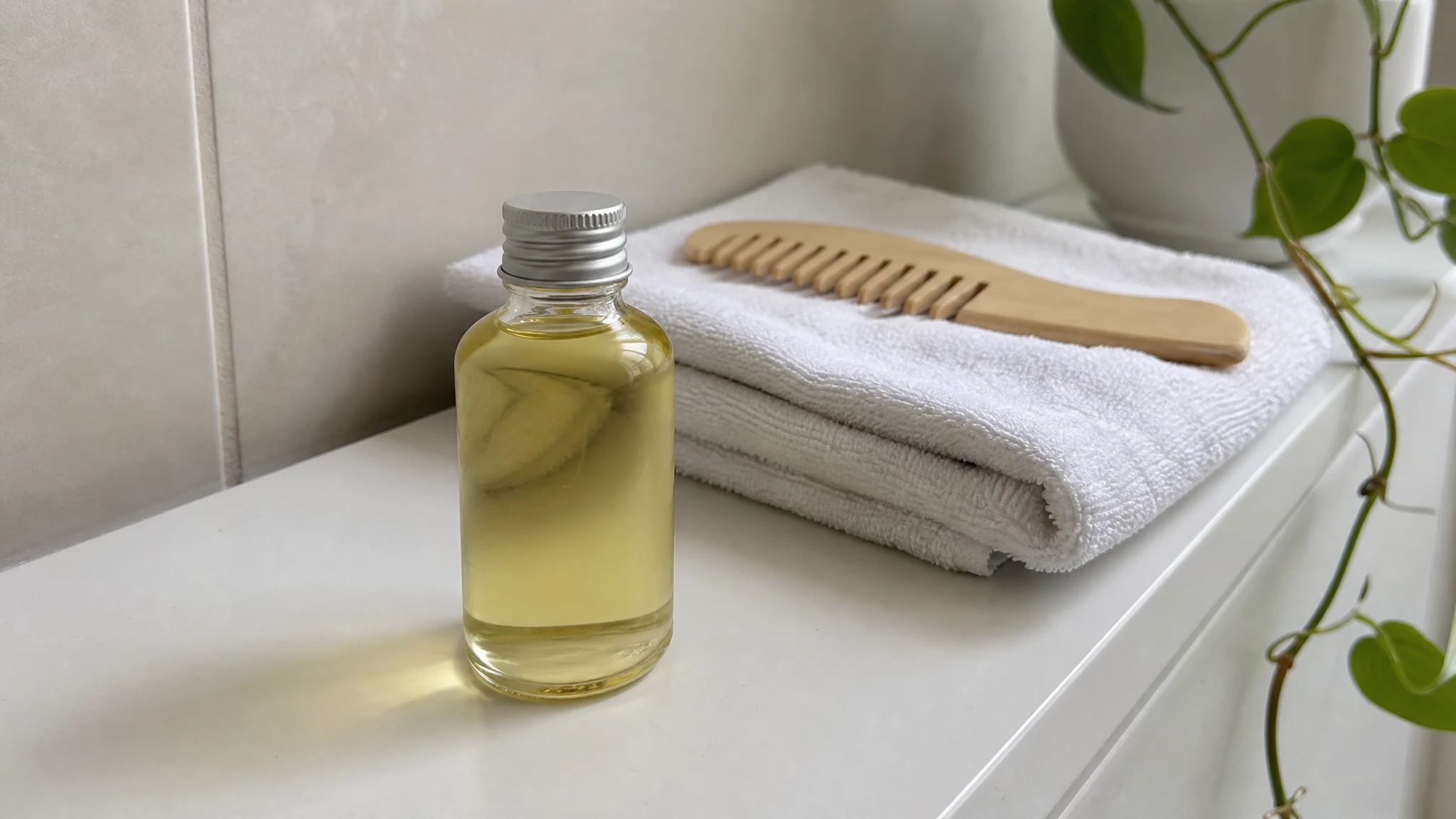
Cajeput oil does not spoil the way milk does, and it will not suddenly turn dangerous on a given date. What happens is quieter: the bottle slowly loses its crisp, cool first impression, and eventually the oil is no longer something you want near your skin. Knowing the early signs lets you decide with your nose instead of a calendar.
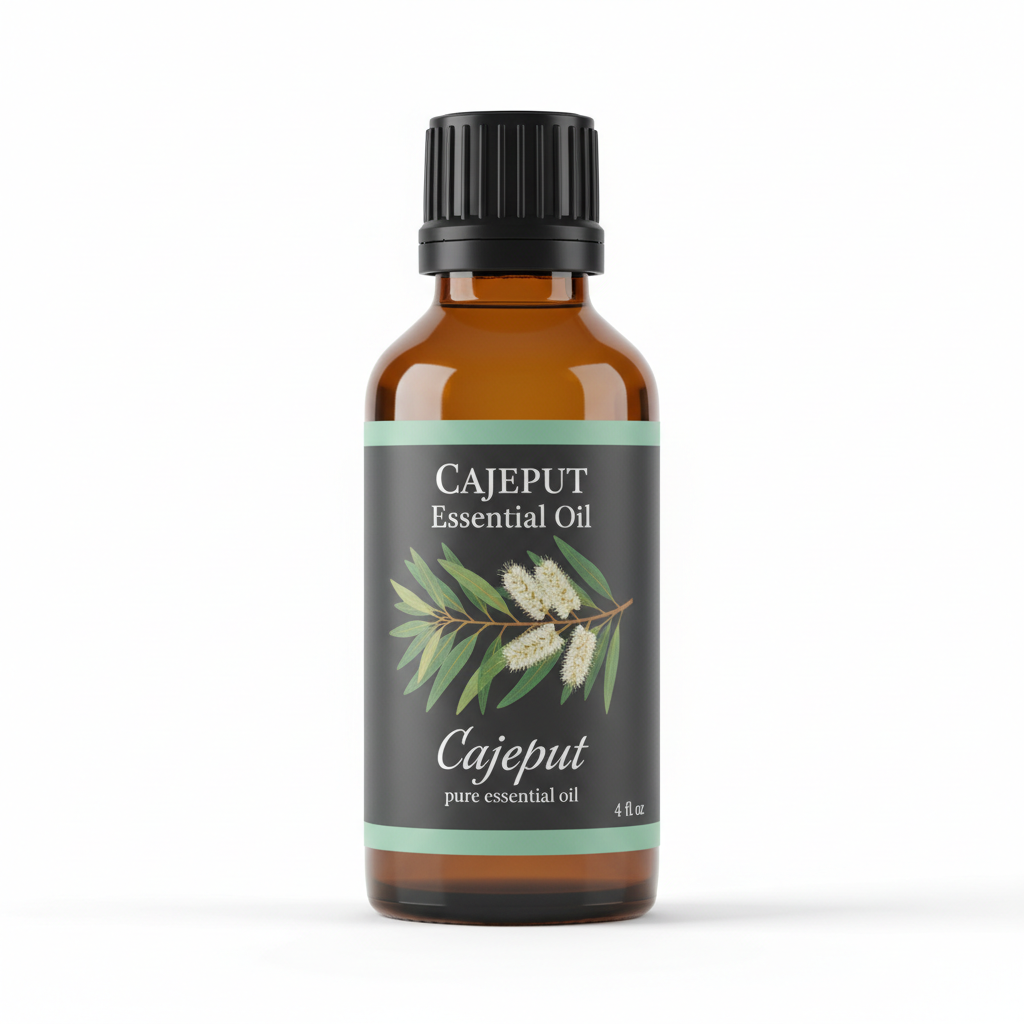
Cajeput Essential Oil
Our own Cajeput Essential Oil, in sizes from 0.5 oz to bulk.
From $10.99
Shop Now →What is actually happening in the bottle
Essential oils are mixtures of small, lightweight, volatile molecules, and those molecules react with oxygen. A 2013 review of essential oil stability names temperature, light and oxygen as the three things with the biggest effect, and describes oxidation and polymerisation (molecules linking into larger ones) as the way quality is lost (Turek and Stintzing, 2013). Cajeput oil contains limonene, which the EFSA opinion on cajuput oil lists at roughly 3% to 9%, and limonene is one of the best-known fragrance molecules to change in air.
The same slow chemistry has been described in detail for tea tree oil, a close Melaleuca relative. The Tisserand Institute explains that oxidation is gradual, that the monoterpenes in the oil can link into chains over time, and that the oil can thicken toward a resin; extra air in the bottle speeds the process, and how an oil is stored makes a big difference (Tisserand Institute, tea tree oxidation). Nobody has published the same measurements for cajeput, so we read the tea tree findings as a guide to how a cajeput bottle is likely to behave, not as a promise about any particular one.
The signs, in the order you will probably notice them
- The smell goes first. A fresh bottle smells cool, bright and a little fruity. In tea tree oil, the Tisserand Institute describes the scent moving from bright, green and clean toward something dull and medicinal. For cajeput, expect the top of the scent to flatten, or a sharp, stale or “off” edge to appear underneath it.
- Stickiness at the cap. The same page names oil in and around the cap becoming sticky as an early sign of polymerisation. If the neck of the bottle feels tacky after you wipe it, air has been at work.
- Thickness. Cajeput is normally a thin, watery liquid. If it pours slowly or looks syrupy, it has changed.
- Colour is the weakest clue. Our oil typically runs from clear to pale yellow, and a slight shade difference between bottles is normal, so a colour shift alone tells you very little.
No single sign is a verdict. Two together (a flat smell and a tacky neck, say) are a good reason to retire the bottle from anything involving skin.
Why we are stricter about skin than about a room
The reason to care is mostly about skin. In a European study of 2,411 dermatitis patients, 2.6% reacted to oxidised limonene (Matura et al., 2006), and a review of tea tree oil notes that allergic reactions can occur particularly if the oil is old (Nascimento et al., 2023). The Tisserand Institute likewise says the more an oil oxidises, the higher the risk of adverse skin reactions. That is reasoning from related oils and shared components, not a measurement of cajeput, but it is a sound enough basis for a simple house rule.
Ours is this: a bottle that smells right and has been kept well is fine to use the way our guidance describes, at 0.5% to 2% in a carrier and after a patch test (see our dilution and patch test guide). A bottle that smells wrong stays away from skin altogether, including blends you plan to leave on. If you have a reaction to any oil, stop using it and ask a physician or pharmacist.
How long we expect a bottle to last
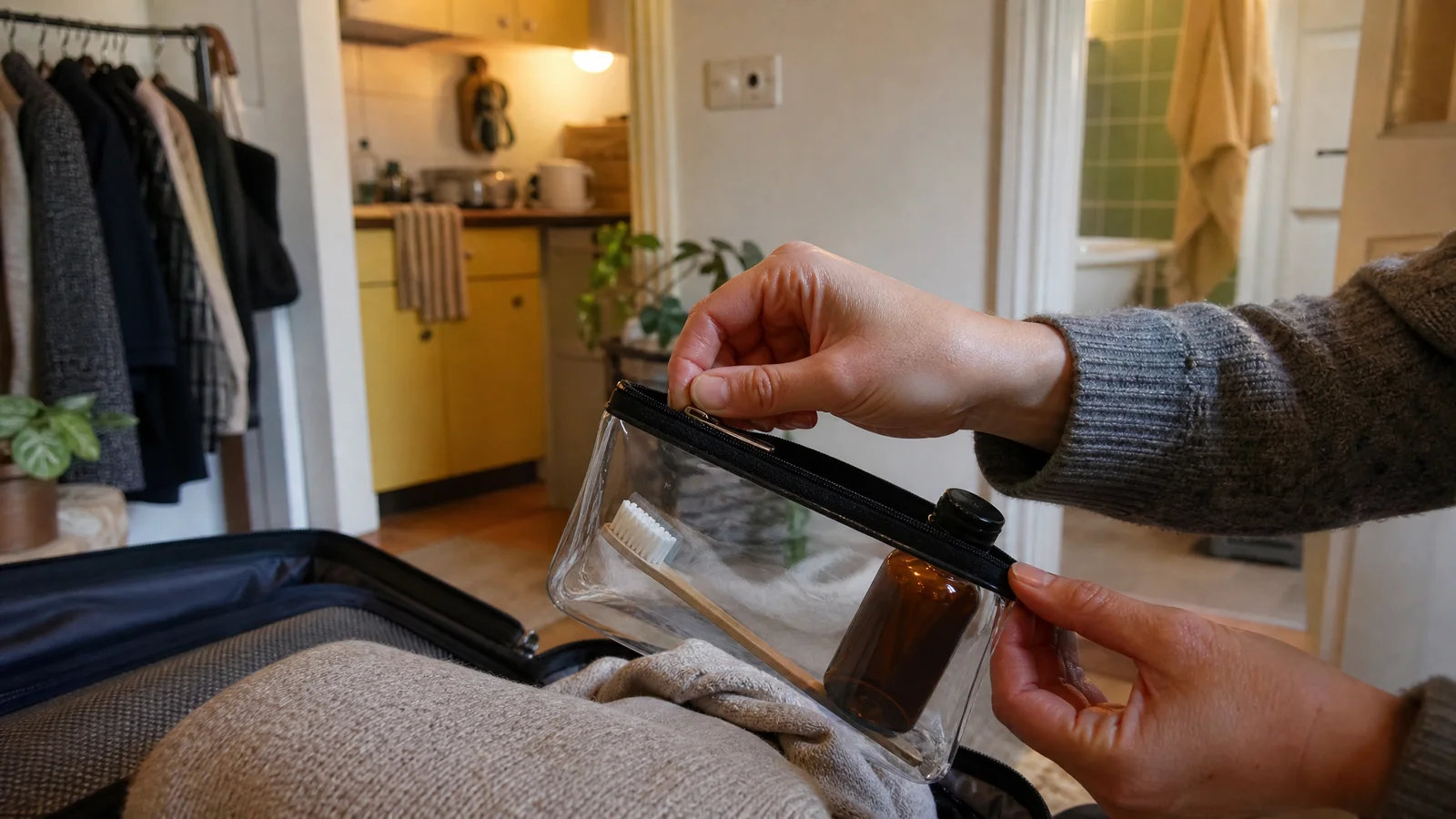
We say cajeput oil typically keeps for 2 to 3 years when it is tightly capped and stored cool and dark. The EFSA opinion quotes a more cautious stated shelf life of at least 12 months in tightly closed containers, cool, dry and away from light. Both are working estimates, because the real answer depends on how many times the bottle has been opened, how much air sits above the oil, and where it lives. A half-empty bottle that has stood on a bright shelf will age faster than a nearly full one in a cupboard. Our storage guide covers the habits that slow this down, and our size guide helps you buy an amount you will actually finish.
A simple freshness check
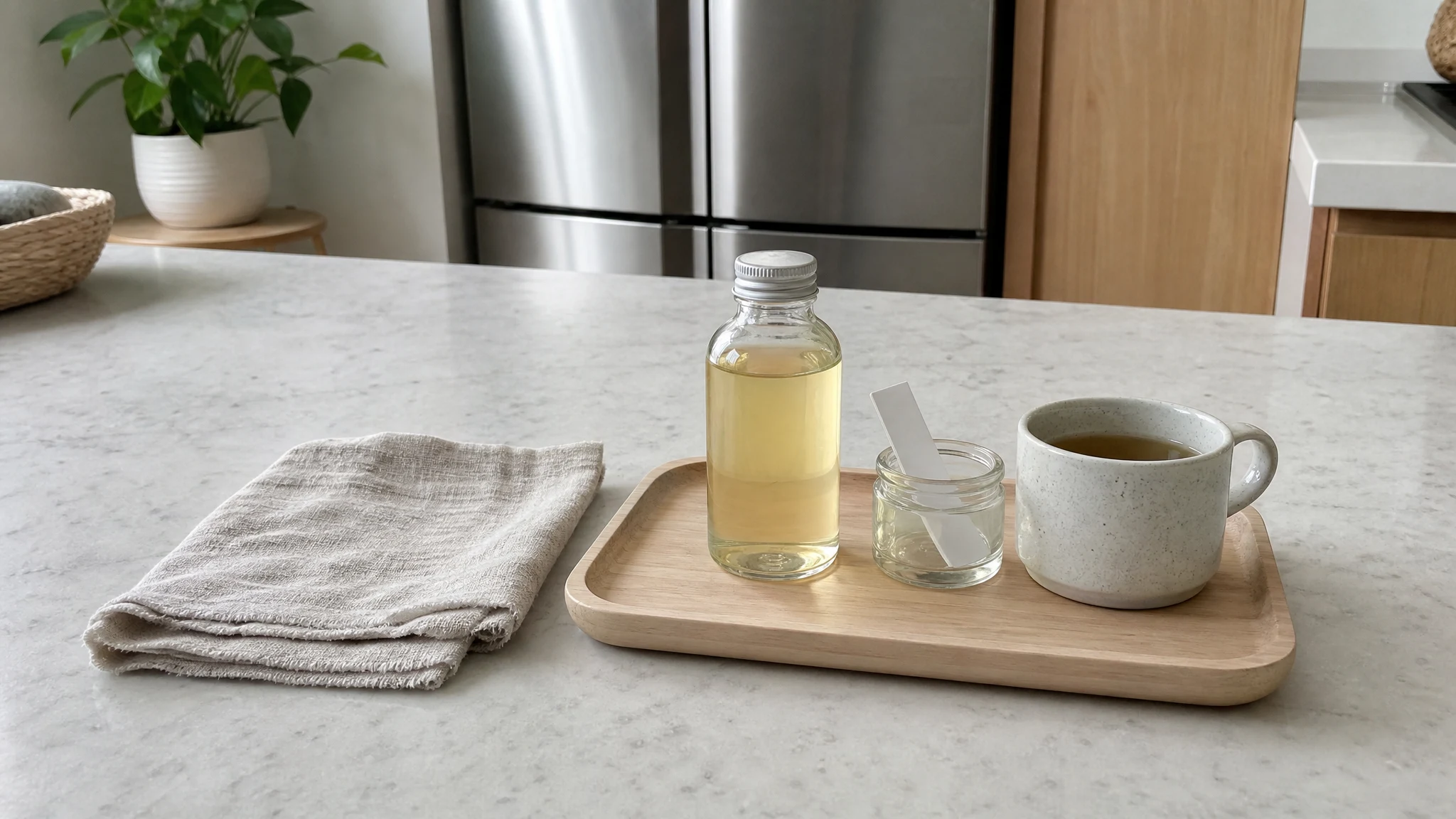
The most useful habit costs nothing. When you open a new bottle, put a drop on a clean glass blotter or a strip of unscented paper and seal it in a small jar in a drawer. Months later, smell the old reference beside the bottle you have been using. Fresh against aged is far easier to judge than aged against memory. Our amber bottles carry a date and lot number on the label, and writing the day you opened the bottle next to it gives you the other half of the picture.
What to do with an older bottle
If the smell is still clean and the neck is dry, carry on as normal. If it has turned, you have a few sensible choices:
- Keep it off skin, bath water and anything leave-on, and also out of homemade balms, roller bottles and hair products.
- Retire it from the diffuser if the smell is unpleasant, because there is little point scenting a room with a stale oil.
- Check your local council or waste authority for how it wants small amounts of household oils disposed of, rather than pouring them down a drain. Keep the bottle capped and out of reach of children and pets while it waits.
If you mix with a carrier, the carrier has its own shelf life, which is why our carrier oil guide ranks them by it. And when you are unsure about a bottle, a fresh one costs little compared with a rash.
A bottle of cajeput oil is at its best when it still smells like the first time you opened it, and that is a standard your own nose can check in a few seconds.
Cajeput Essential Oil
Cajeput Essential Oil from our own shop, in sizes from 0.5 oz to bulk.
From $10.99
Shop Now →Sources & Further Reading
- Turek C, Stintzing FC, 2013. Stability of Essential Oils: A Review. Comprehensive Reviews in Food Science and Food Safety 12(1):40-53. doi.org/10.1111/1541-4337.12006
- Tisserand Institute. Tea Tree Oxidation and Safety. tisserandinstitute.org/learn-more/tea-tree-oxidation-safety
- EFSA FEEDAP Panel, 2024. Safety and efficacy of cajuput oil for use in all animal species. EFSA Journal 22(4):e8732. PMC11004901
- Matura M et al., 2006. Not only oxidized R-(+)- but also S-(-)-limonene is a common cause of contact allergy in dermatitis patients in Europe. Contact Dermatitis 55(5):274-279. lup.lub.lu.se/record/685974
- Nascimento T et al., 2023. Review of tea tree oil properties and its use in acne. Antioxidants 12(6):1264. PMC10295805