Is Cajeput Oil OK During Pregnancy or Breastfeeding?
It is one of the questions we would expect from anyone expecting or nursing: is cajeput oil okay to have around? The honest answer is that the people who write safety guidance lean cautious, mainly because cineole-rich oils like cajeput have not been studied in pregnant or breastfeeding people. That is worth understanding properly, so here is what the main sources actually say.
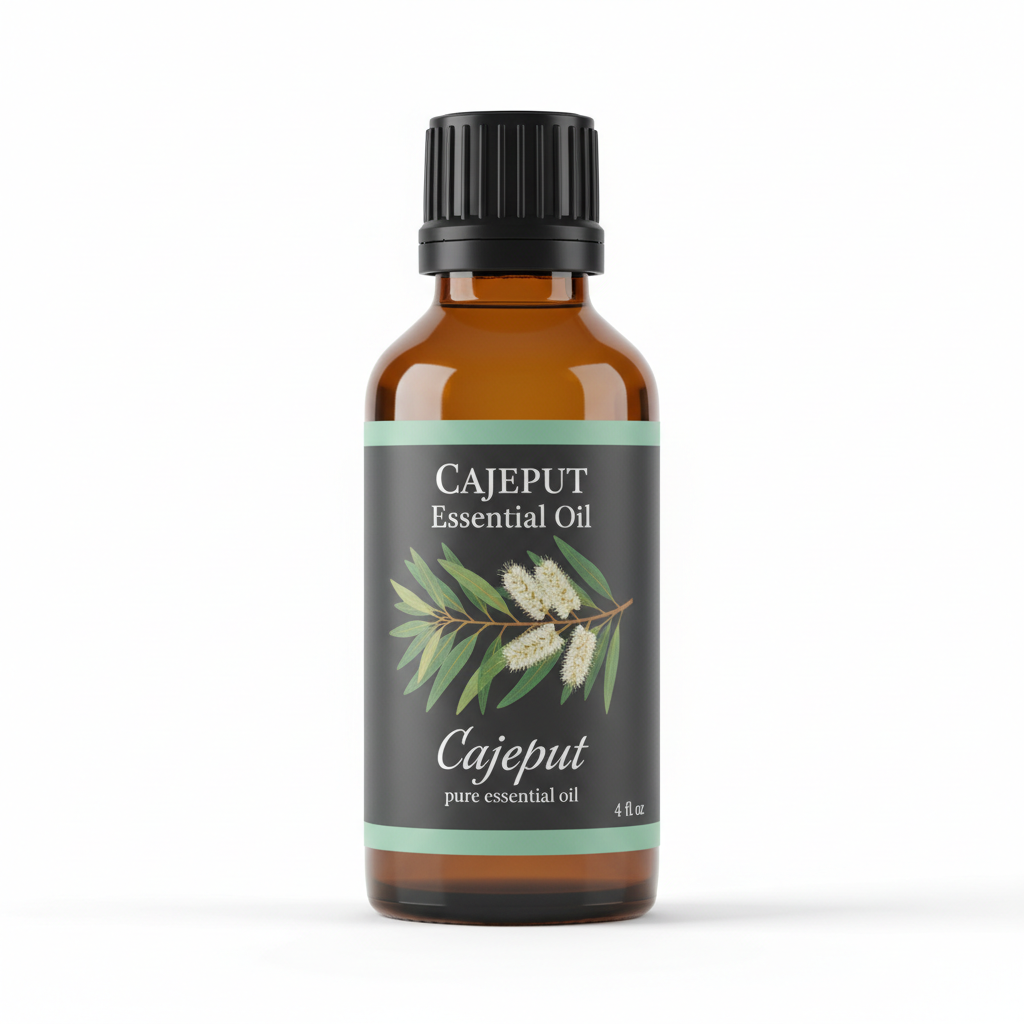
Cajeput Essential Oil
Our own Cajeput Essential Oil, in sizes from 0.5 oz to bulk.
From $10.99
Shop Now →If you are pregnant or nursing, you will already have noticed how many people are keen to offer advice. We would rather not add to the noise. What we can do is lay out how the guidance is written, so that when you sit down with your midwife or doctor, you understand the language they are using.
What the regulators have said
France's food safety agency, ANSES, looked at tea tree, niaouli and cajeput oils in food supplements in 2020. For the cineole-rich niaouli and cajeput oils it recommended banning oral use in children under 30 months and in children with a history of epilepsy or febrile seizures. For children and for pregnant and breastfeeding women, it noted the lack of specific data on oral intake and advised against use (ANSES, 2020). That advice is about swallowing, which we do not recommend for anyone (see our swallowed cajeput oil article), but it shows where the agency's caution comes from.
The Tisserand Institute, a respected aromatherapy safety source, takes a general approach. It advises anyone who is pregnant, has epilepsy or asthma, takes prescribed medication, or has a skin condition to speak with a doctor or suitable practitioner before using essential oils (Tisserand Institute). EFSA, for its part, classes cajuput oil as an irritant to skin and eyes and as a skin and respiratory sensitiser (EFSA FEEDAP Panel, 2024).
Why many people simply skip strong scents for a while
Many people find their sense of smell changes in pregnancy. A fragrance you once loved can become overwhelming, and a sharp, camphorous oil like cajeput may be one of those. If that happens, there is nothing to prove and nothing to push through. Put the bottle away, open a window, and come back to it later if you want to. The oil keeps well when it is tightly capped in a cool, dark place, so it will be there when you are ready.
It is also worth remembering that you can enjoy a clean, fresh home in plenty of ways that have nothing to do with essential oils: fresh air, a clean towel, a bowl of lemons on the counter, a window left open for ten minutes in the morning.
What "not enough data" does and does not mean
It is easy to hear "advises against" as "was found to be harmful." These statements say something different: the question has not been studied, so the agency declines to endorse the use. That is not a finding of harm, and it is not reassurance either. It is simply an open question, which is exactly the kind of thing to take to someone who knows your pregnancy and your history.
Keeping the bottle safely stored
Whoever is using the oil in your home, a few storage habits are worth setting up before a baby arrives. Keep the bottle tightly capped in a cool, dark cupboard that is high up and out of reach, and keep it separate from anything a toddler could mistake for a drink. Wipe up spills immediately, wash your hands after handling, and do not leave scented pads or cloths lying around where little hands can find them. These are the same sensible habits we suggest for any concentrated oil, and they are easiest to build before they are needed.
Where that leaves a bottle of cajeput
We sell cajeput as an external, aromatic and cosmetic oil, and we make no claims about pregnancy, nursing or any health effect. Our oil is sold undiluted, so any dilution is yours, and our guidance of 0.5% to 2% in a carrier with a patch test first is for general skin use. If you are pregnant or breastfeeding, the best person to decide whether it belongs in your routine is your OB-GYN, midwife or lactation consultant. Where a baby sleeps, we suggest keeping any diffusion light, and cajeput is not for babies and young children at all (more in our children article).
If you do talk it over with a clinician, a few details help them: the botanical name (Melaleuca cajuputi), that the oil is undiluted when bottled, how you would use it and how often, and the lot number from the bottle. If they would like more information about a particular lot, you can ask us in writing through our contact page. Mention asthma, eczema, seizures or regular medicines too. For general dilution questions, see our dilution guide.
Pregnancy and nursing are times to take your clinician's view over anyone's product page, ours included, and there are plenty of fragrances to enjoy in the meantime.
Cajeput Essential Oil
Cajeput Essential Oil from our own shop, in sizes from 0.5 oz to bulk.
From $10.99
Shop Now →Sources & Further Reading
- ANSES, 2020. Food supplements containing tea tree, niaouli and cajeput essential oils: their misuse can pose risks. anses.fr
- Tisserand Institute. Safety guidelines. tisserandinstitute.org/safety-guidelines
- EFSA FEEDAP Panel, 2024. Safety and efficacy of cajuput oil for use in all animal species. EFSA Journal 22(4):e8732. PMC11004901