Blending With Cajeput Oil: Pairings That Work
Cajeput is the oil you add so the room smells awake when you walk in. It is a top note: the first thing you notice and the first to fade, which is exactly why it makes such a good opener and such a poor soloist. Once you think of it as the first line of a song rather than the whole song, blending with it gets easy.
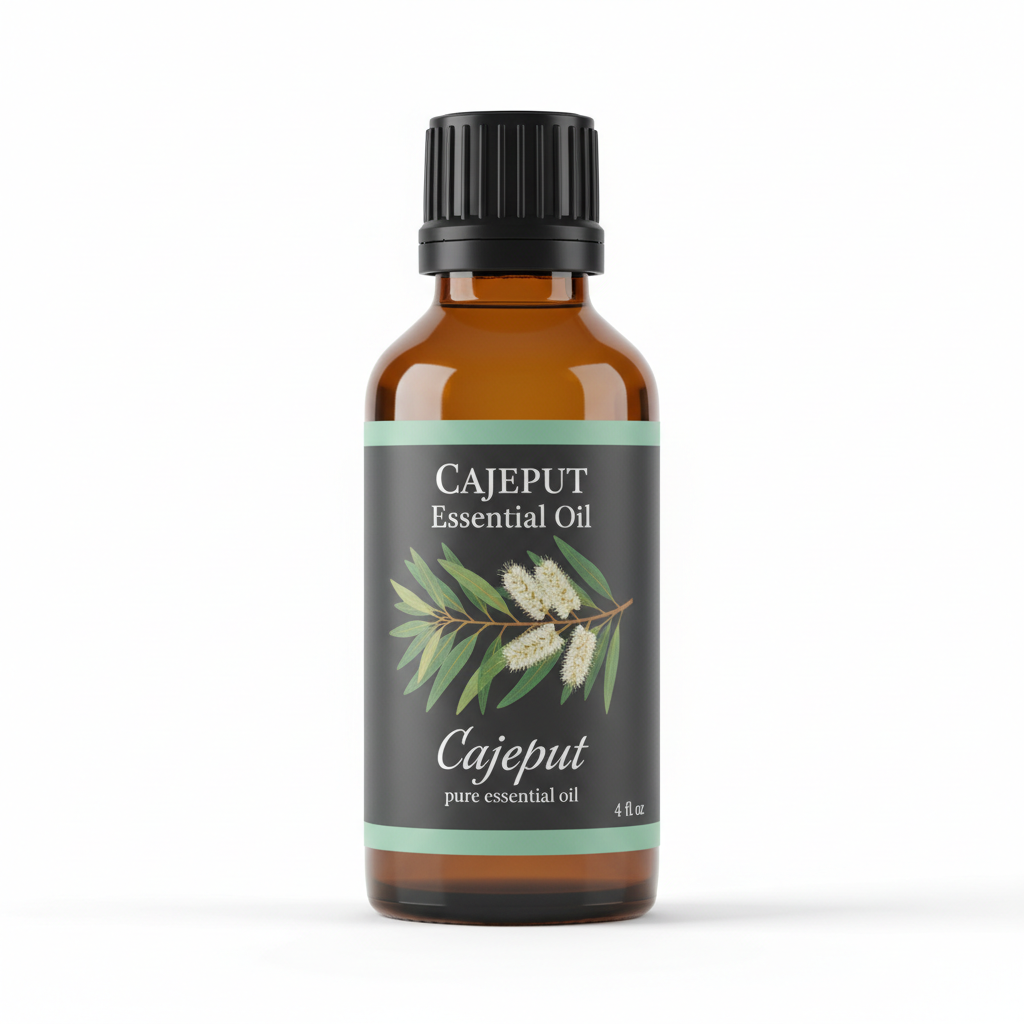
Cajeput Essential Oil
Our own Cajeput Essential Oil, in sizes from 0.5 oz to bulk.
From $10.99
Shop Now →Why stacking cool on cool falls flat
Cajeput is built around 1,8-cineole, the same compound that gives eucalyptus its crisp character. Published analyses of cajuput oil put it well above half of the oil (one feed-additive dossier averaged about 61% across five batches, EFSA FEEDAP Panel, 2024). That is general literature, not a figure for our oil; if you need a cineole number for a particular lot, ask us in writing through the contact page.
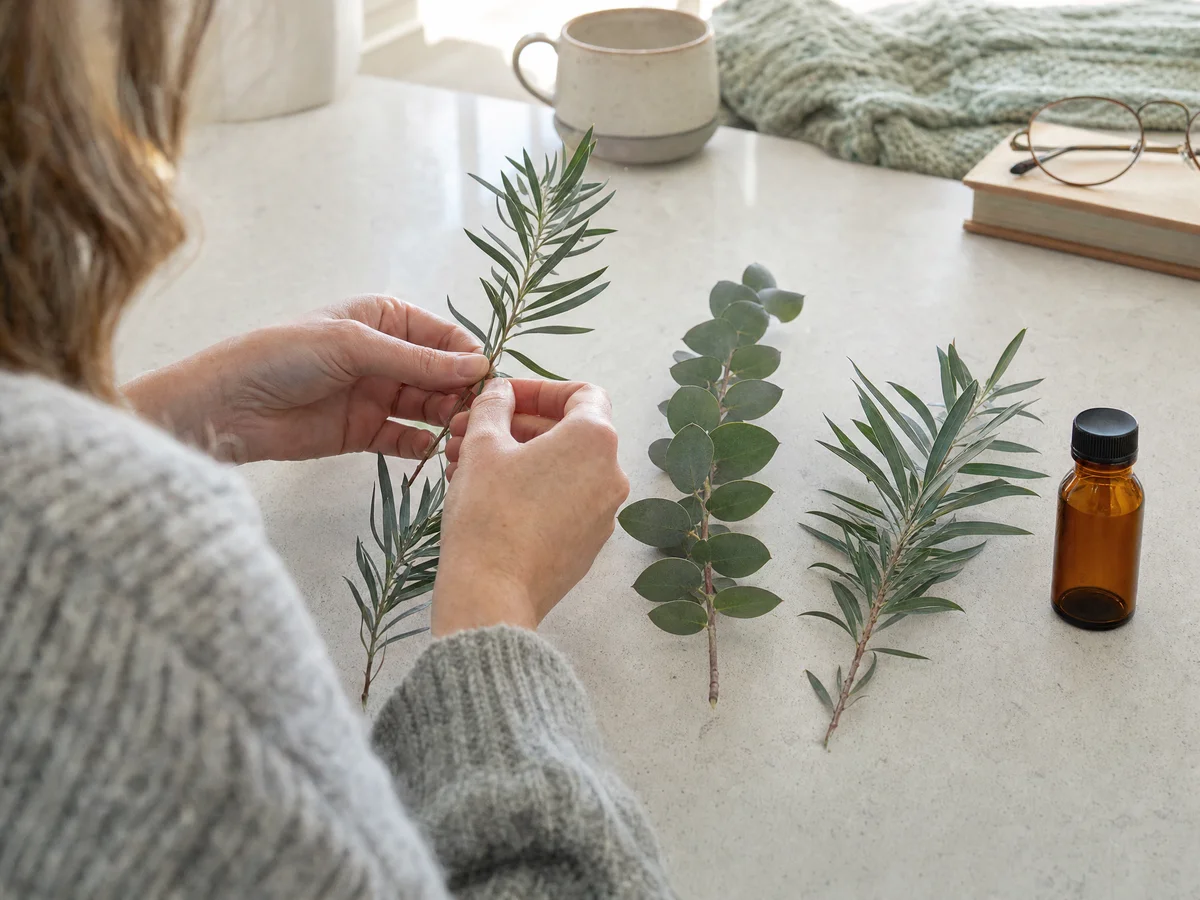
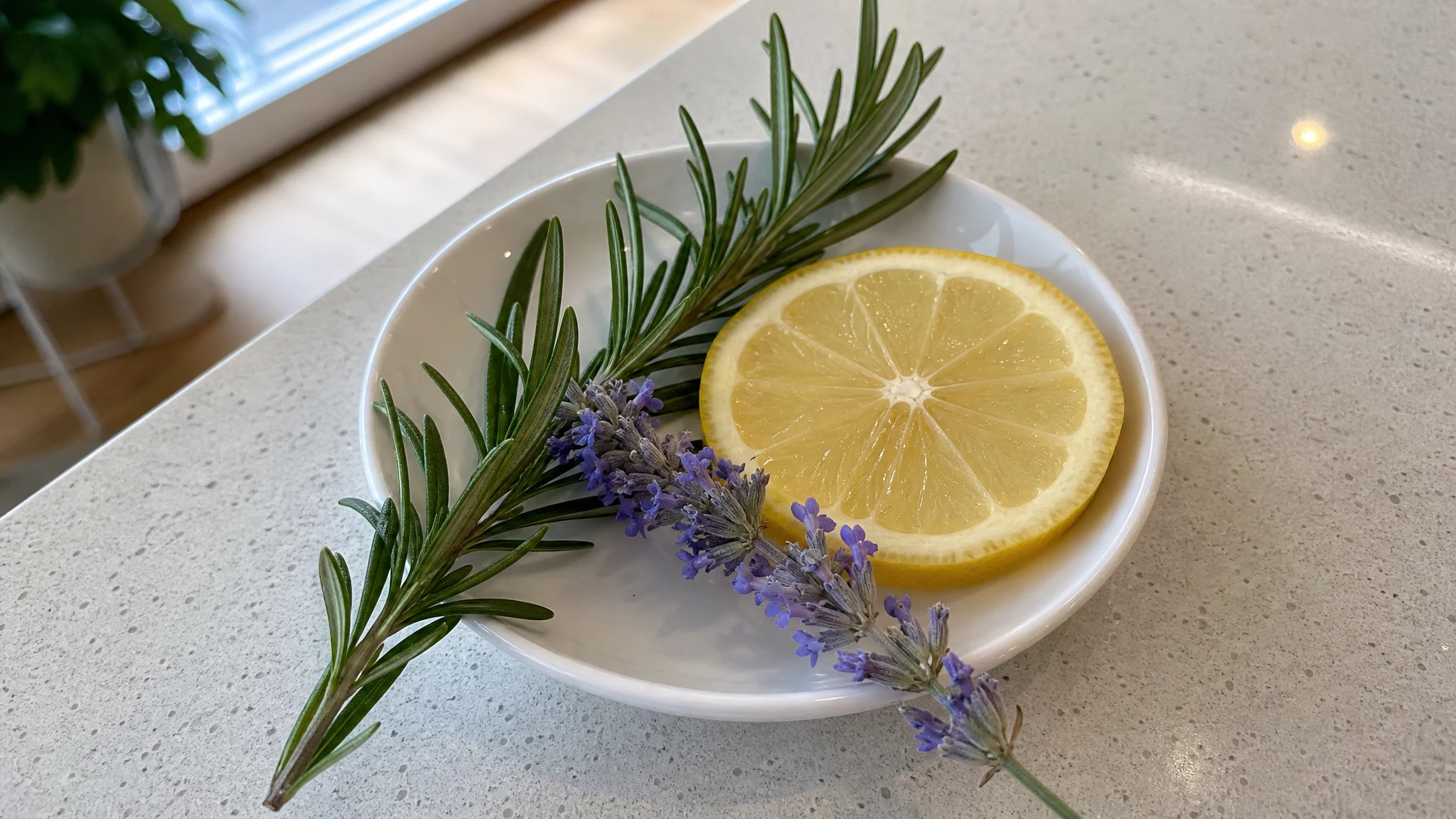
The perfumery consequence, reasoned rather than measured, is that adding another cineole-heavy oil mostly makes the same note louder. Cajeput plus eucalyptus reads as a bigger version of one idea. Cajeput plus citrus, lavender or a resinous oil reads as a chord. The pairings we list for cajeput are eucalyptus, pine, lavender, citrus, rosemary and peppermint; all of them work, they just want different amounts.
Give it a job
The lift on top of something warmer
This is where we would reach for it most often. Keep cajeput to roughly one part in six to ten of the blend so it reads as brightness rather than as "cajeput". Citrus makes the opening sparkle, lavender rounds it, pine adds a green, resinous edge. For a woody or resinous base you will need an oil from a perfumery supplier, since we sell only cajeput.
The co-lead in a cool, clean accord
If you want something that smells cold and sharp, give cajeput about a third of the blend and pair it with one bright oil and one rounding oil. Cajeput, peppermint and lavender follows that shape. Cajeput, peppermint and eucalyptus is three cool oils with nothing to round them off.
The corrector
A single drop in a blend of twenty can brighten something cloying or flat. If you can pick out cajeput in the finished blend, you added too much for this job.
The quiet partner
Sometimes cajeput is not the star or the co-lead but simply a window left open. Add a drop to a blend of warm, sweet oils and the whole thing seems to take a breath. You will not name the cajeput, you will just notice the blend smells lighter. We love that trick because it asks so little of the oil.
A method that scales without a recipe
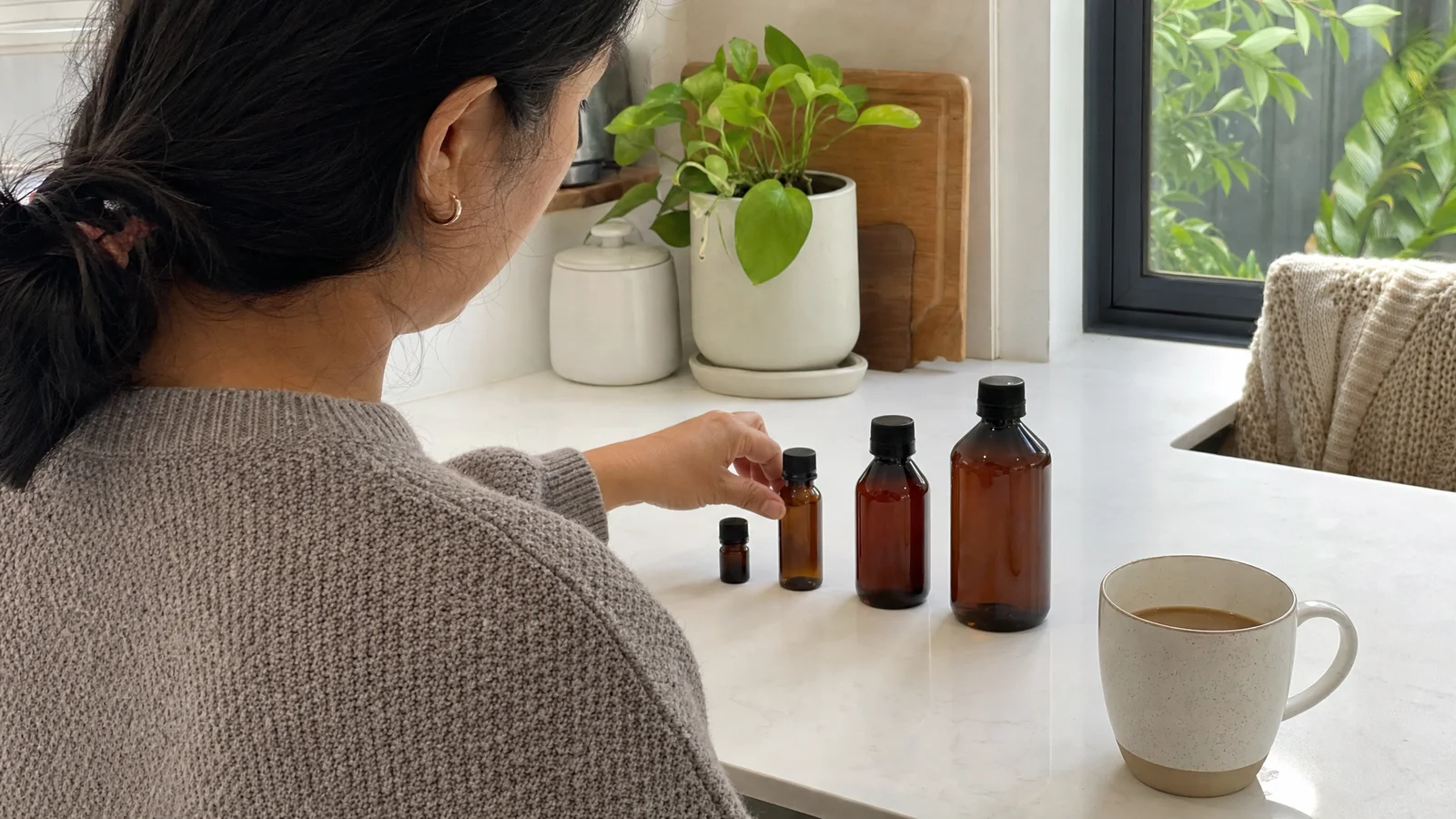
Because we sell one oil and do not make blends, we will not hand you a "signature" recipe. What works with any partner oils you buy elsewhere is to work in parts:
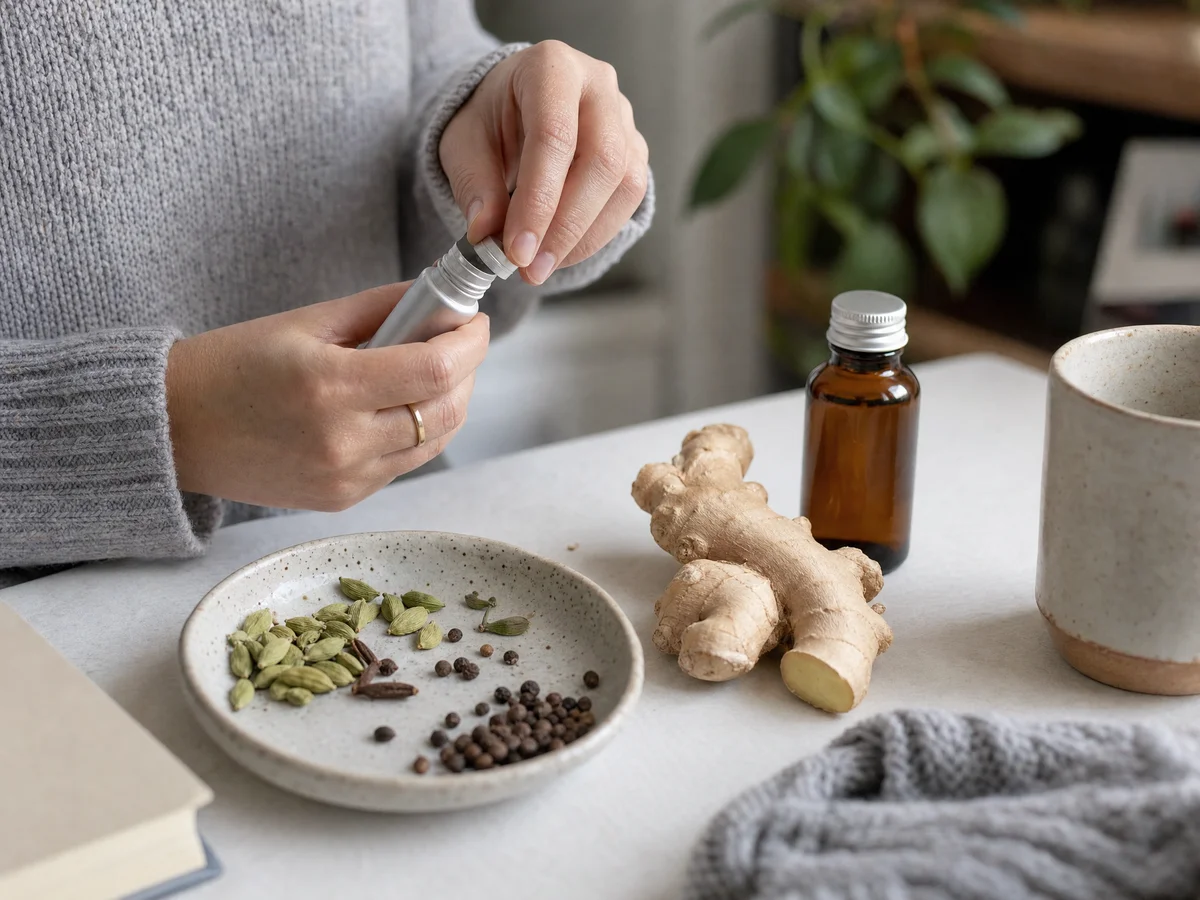
- Write the accord as parts, for example 1 part cajeput, 3 parts citrus, 2 parts lavender.
- Smell each oil alone on a paper strip, then all three together on one strip. Wait a few minutes and smell again, because the top notes leave first and the strip shows what the blend becomes.
- Change one oil by one part at a time, so you know what fixed or broke it.
- Only then move the accord into a diffuser, splitting the device's recommended drop total by your parts.
Drops are a rough guide. The Tisserand Institute's summary of three studies found 20 drops of essential oil weighed 0.66 g on average, about 30 drops per ml, with drops per ml ranging from around 20 to 40 depending on the oil and dropper (Tisserand Institute, drop size). That is fine for balancing a scent. For anything that goes on skin, measure by volume or weight.
Smelling like a blender
Hold the paper strip a few inches below your nose and wave it gently rather than pressing it to your face. Cajeput announces itself at once, cool and a little fruity, and then thins out as the strip sits. Give your nose a rest between strips, because after three or four oils everything starts to smell the same. A sniff of your own sleeve or a few slow breaths of fresh air will reset you.
Write on each strip what it is and when you dipped it. A jam jar of old strips from a good afternoon turns into a handy library, and it costs nothing.
Less is the better blend
Your nose adapts quickly to a smell, so a blend that seems faint after twenty minutes in the room may be plenty for a visitor walking in. Judge strength by stepping out and coming back, not by adding drops. The Tisserand Institute suggests diffusing for 30 to 60 minutes and then resting for 30 to 60, with some fresh air in the room (Tisserand Institute, safety guidelines), which suits a top note like cajeput nicely. Keep the bottle and diffuser out of reach of children and pets, and go lightly where little ones sleep.
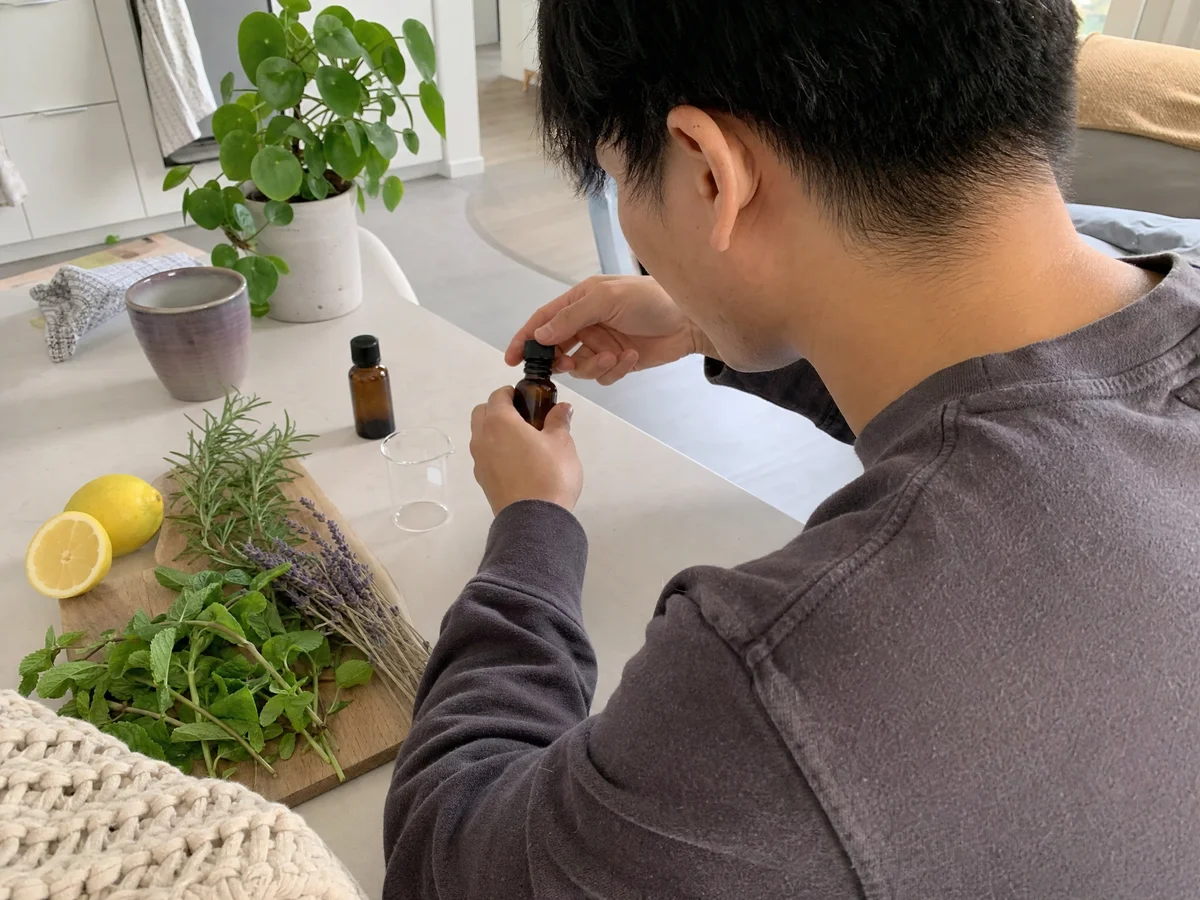
Keep a small notebook beside the bottles. Jot down the parts, the date and one honest line about how the blend smelled after twenty minutes. When you land on a blend you love, you will be able to make it again, and when one goes wrong, the notes tell you where to start fixing it.
For ready-made starting ratios, our diffuser blends put these ideas to work, ten pairings explores each partner, and the linen and room spray piece shows a spray built the same way.
Start small, listen to the strip, and let cajeput do what top notes do best: open the door.
Cajeput Essential Oil
Cajeput Essential Oil from our own shop, in sizes from 0.5 oz to bulk.
From $10.99
Shop Now →