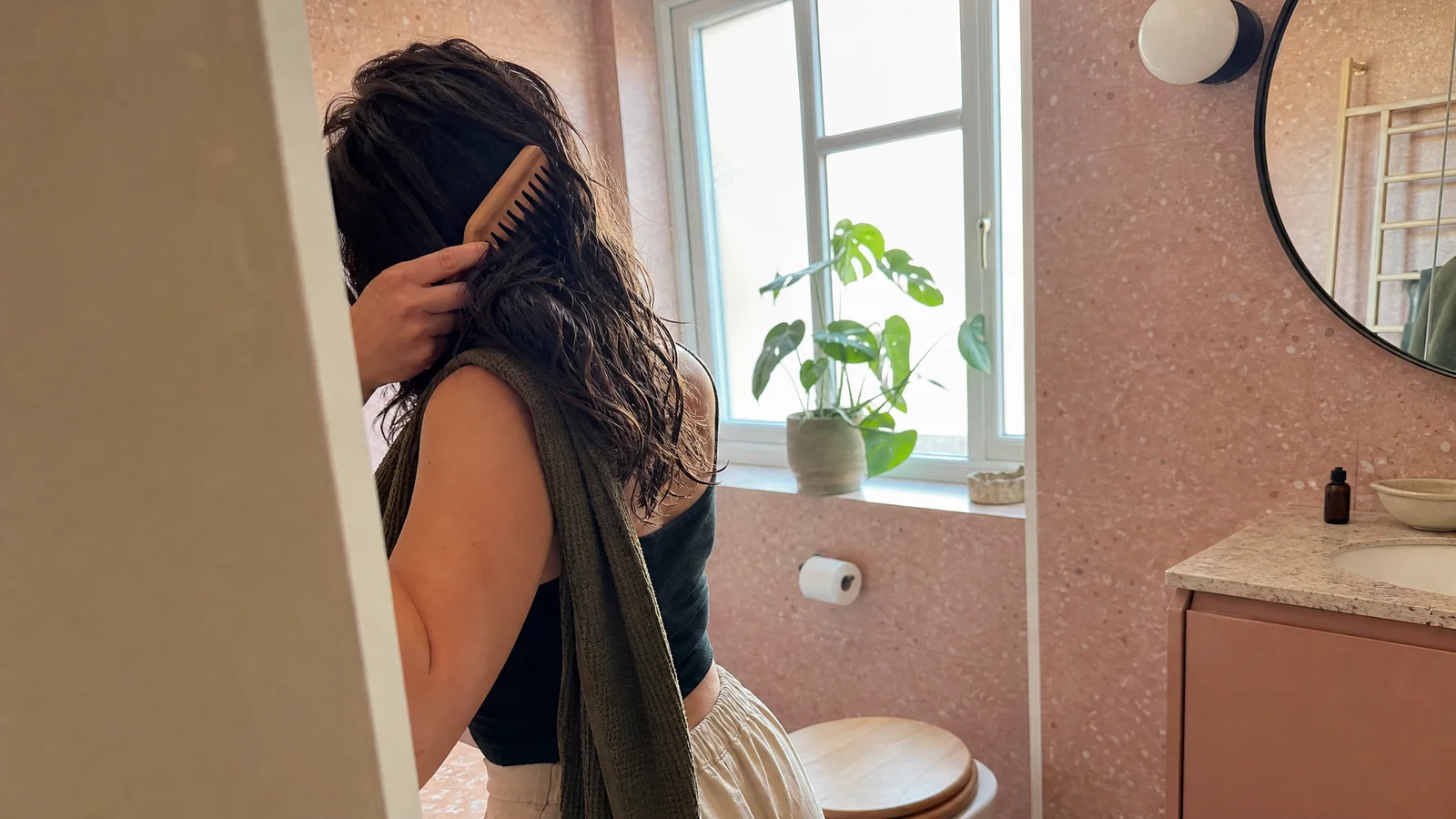
Cajeput Oil in Hair Mists and Leave-Ins: A Scent Guide
Search for cajeput oil and hair and you will meet a lot of confident promises. Our view is simpler and more modest: cajeput is a lovely, crisp-smelling oil, and a few drops can give a homemade hair mist or leave-in oil a fresh, cool top note. That is the job we sell it for, and we make no hair or scalp claims.
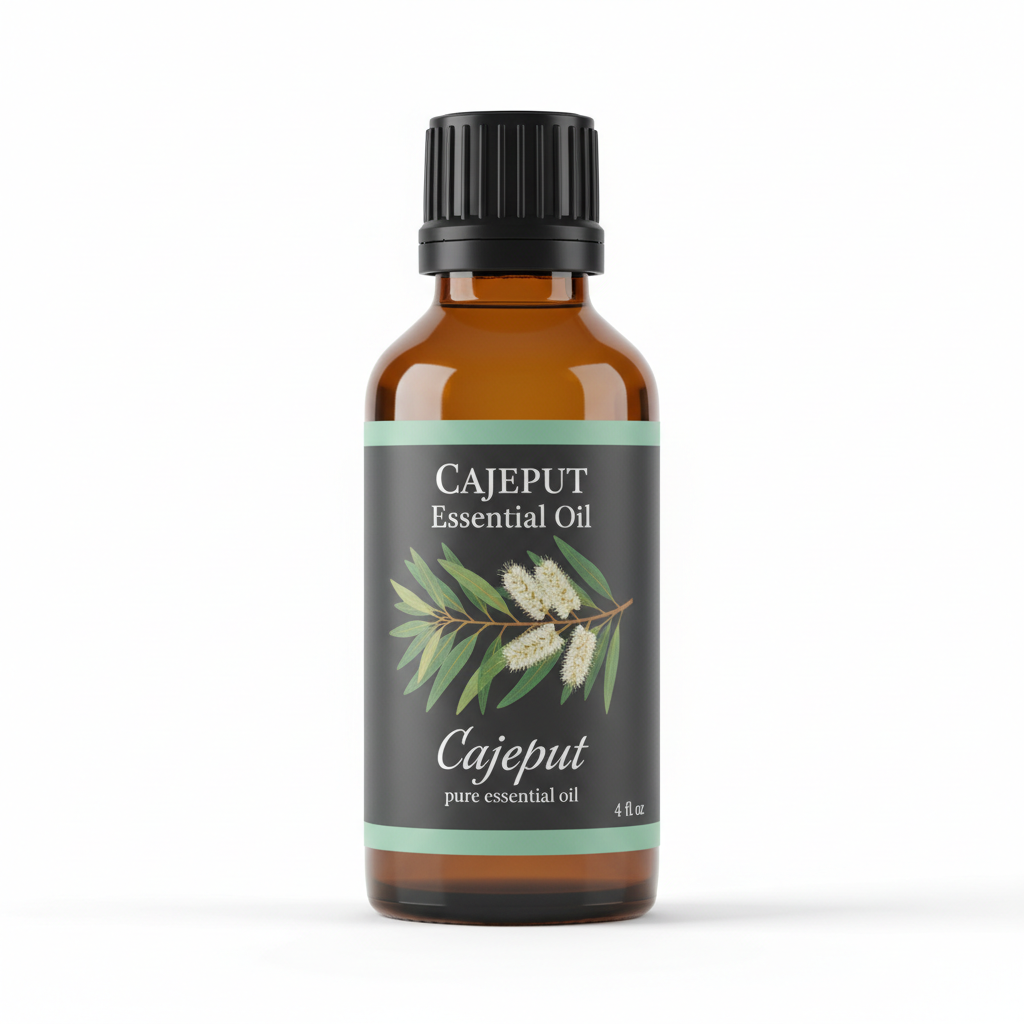
Cajeput Essential Oil
Our own Cajeput Essential Oil, in sizes from 0.5 oz to bulk.
From $10.99
Shop Now →What cajeput adds to a hair product
Scent, mainly. Cajeput reads as fresh, cool and fruity-camphorous, a top note that fades first and leaves the rest of a blend to carry on. It pairs well with citrus, lavender, rosemary, eucalyptus and peppermint, so it slots easily into a light, clean-smelling formula. Our blending guide walks through the accords.
Think of it the way a perfumer thinks about a top note. The first minute after you spritz is when cajeput shines: a bright, cool lift with a slightly fruity edge, a bit like opening a window on a fresh morning. Then it softens and the rest of your blend takes over. That is a lovely quality in a hair mist, because the scent feels light and clean and never heavy.
Choosing what to pair it with
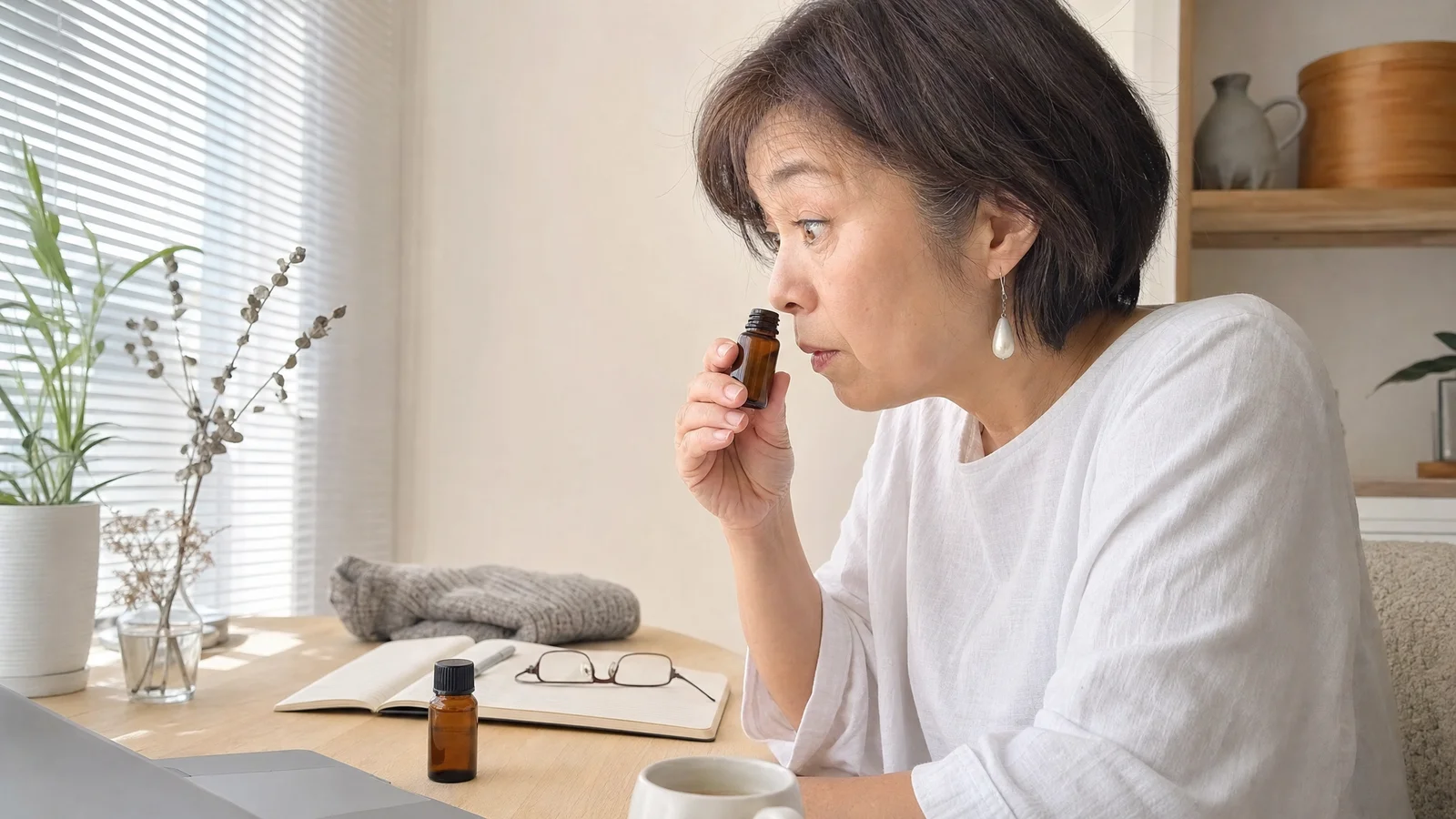
Because cajeput fades first, it likes a partner that lingers. A drop of lavender or a little citrus gives the mist a rounder middle, and rosemary or peppermint keeps the cool character going. Start with a single companion before you build anything more complicated. The easiest way to learn is to put one small drop of each oil on separate paper strips, wave them together under your nose, and decide whether you like the pair before anything goes near a bottle.
How much to use
Our dilution guidance is 0.5% to 2% in a carrier oil or an unscented base, and for the scalp we would start at the low end. The arithmetic is easy: 1 ounce of carrier takes about 3 drops at 0.5%, and a 4 ounce bottle of unscented leave-in takes about 12. (That uses the usual rule of thumb of 20 drops to the millilitre, which is only approximate, since drop size varies.) The Tisserand Institute lists 0.2% to 1% for sensitive or impaired skin (Tisserand Institute, dilution), which is one more reason to begin low and see how your scalp feels. For choosing what to dilute into, our carrier oil guide helps, and our dilution guide shows the maths in more detail. Carriers and shampoo bases come from a craft supplier or pharmacy, as we sell only the oil.
A patch test is worth the wait
EFSA, the European food safety authority, classes cajuput oil as an irritant to skin and eyes and as a skin and respiratory sensitiser (EFSA FEEDAP Panel, 2024). Allergic reactions usually take 48 to 96 hours to appear (DermNet NZ), so dab a little of your finished, diluted product on the inner forearm and give it at least two days before using it on your head. Scalp skin is easily bothered, so if it stings or turns red, stop.
Eyes deserve a thought as well. Anything massaged into the scalp can run when you rinse or sweat, so keep the product well away from your face and rinse with plenty of water if some gets in. Cajeput is high in cineole, which is why we say it is not for babies and young children, and why it is best left out of anything for a child's hair (more in our children article). If you are pregnant or breastfeeding, ask your OB-GYN or midwife before using any essential oil on skin.
Making it a pleasant habit
A few small things make a homemade hair product nicer to live with:
- Label and date it. A small strip of tape with the date and the percentage saves guessing later.
- Make small amounts. A little bottle you finish in a few weeks stays fresher than a big one that lingers.
- Shake or stir before each use. Oil and water-based mixes drift apart, so give the bottle a good swirl every time.
- Spritz away from your face. Mist the air in front of you or the lengths of your hair, then step back from the cloud.
Keep the bottle somewhere cool, out of the sun, and out of reach of children and pets.
When a bottle is not the answer
If your hair is thinning, falling out in patches, or your scalp is flaky, scaly, sore or crusted, the useful next step is a dermatologist, who can look for the cause. A scented oil will not do that job, and we would not want anyone to wait on one. Cajeput is for the pleasure of the aroma in something you make. For skin more generally, our skin article covers patch tests and freshness.

A hair mist that smells like a cool morning is a small, nice thing, and cajeput does that very well.
Cajeput Essential Oil
Cajeput Essential Oil from our own shop, in sizes from 0.5 oz to bulk.
From $10.99
Shop Now →Sources & Further Reading
- EFSA FEEDAP Panel, 2024. Safety and efficacy of cajuput oil for use in all animal species. EFSA Journal 22(4):e8732. PMC11004901
- DermNet NZ. Patch tests. dermnetnz.org/topics/patch-tests
- Tisserand Institute. Dilution guidelines. tisserandinstitute.org/safety/dilution