Cajeput Oil Around Cats and Dogs: What to Know
If a cat or dog shares your home, here is what the toxicology says about cajeput oil, why cats need extra caution and how to scent a room more safely.

Cajeput Oil and Children: Why We Keep It Out of Reach
The reasoning behind our line that cajeput oil is not for babies or young children, from cineole guidance to where bottles and diffusers sit at home.

Is Cajeput Oil OK During Pregnancy or Breastfeeding?
Regulators advise caution with cineole-rich oils in pregnancy and nursing. Here is what they actually said, and what to ask your clinician.
Cajeput Oil Benefits: What the Research Shows
Claims about cajeput oil benefits range from lab dishes to capsule trials. Here is how to tell what each study can and cannot say about a bottle at home.

Cajeput Oil and Congestion: Cool Scent, Clear Nose?
A cool, sharp scent can feel like clearer breathing. Here is what researchers measured, what a cineole trial tested, and when to see a doctor.

Cajeput Oil and Headaches: What the Studies Actually Say
Headache oil studies mostly involve peppermint, not cajeput. Here is what they found, how to read them, and when a headache needs a doctor first.
Cajeput at Your Desk: What the Aroma Studies Show
A crisp, cool scent can make a workspace feel inviting. Here is what the rosemary studies actually found, and what that means for cajeput.
Why Cajeput Oil Feels Cool on Skin in Massage Blends
Why a cajeput rub feels cool on the skin, what the cineole research tested, and how a 0.5% to 2% blend compares with the rubs on the pharmacy shelf.
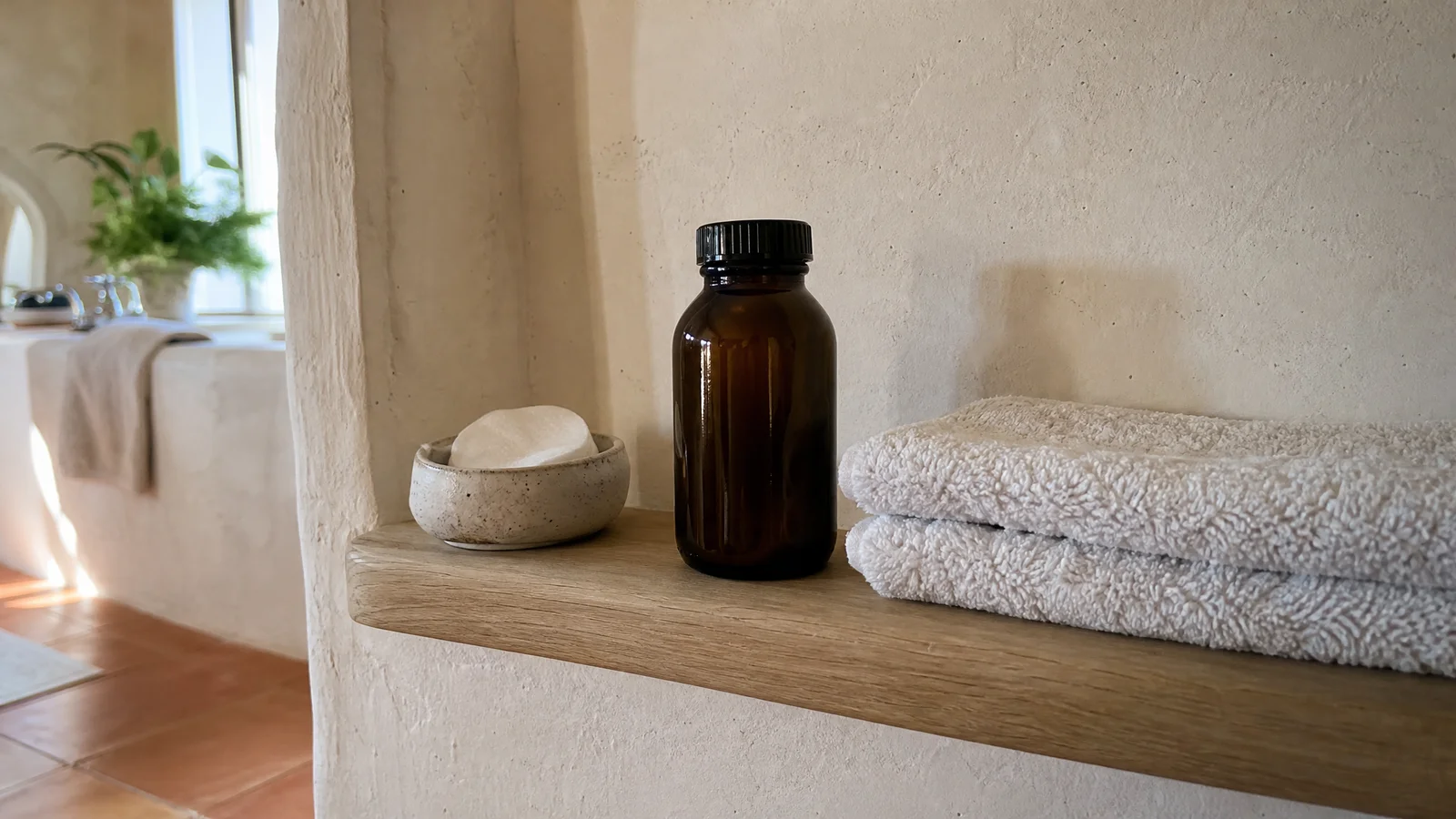
Cajeput Oil on Skin: Dilution, Patch Tests and Freshness
Three habits make cajeput oil comfortable on skin: dilute it, patch test for two days, and keep the bottle fresh. Here is how.

Cajeput Oil in Hair Mists and Leave-Ins: A Scent Guide
Cajeput brings a cool, fruity-camphorous top note to homemade hair products. Here is how much to use and how to keep it comfortable.

Does Cajeput Oil Repel Mosquitoes? Reading the Research
Cajeput shows up in mosquito repellency studies, but a registered repellent is the dependable choice. What the research shows and how to judge a label.

Buru Island Cajeput Oil: What the Name Tells You
Buru is a real home of wild cajeput and the seed source for Java, yet a place name is not a grade. What the record shows and what to ask.
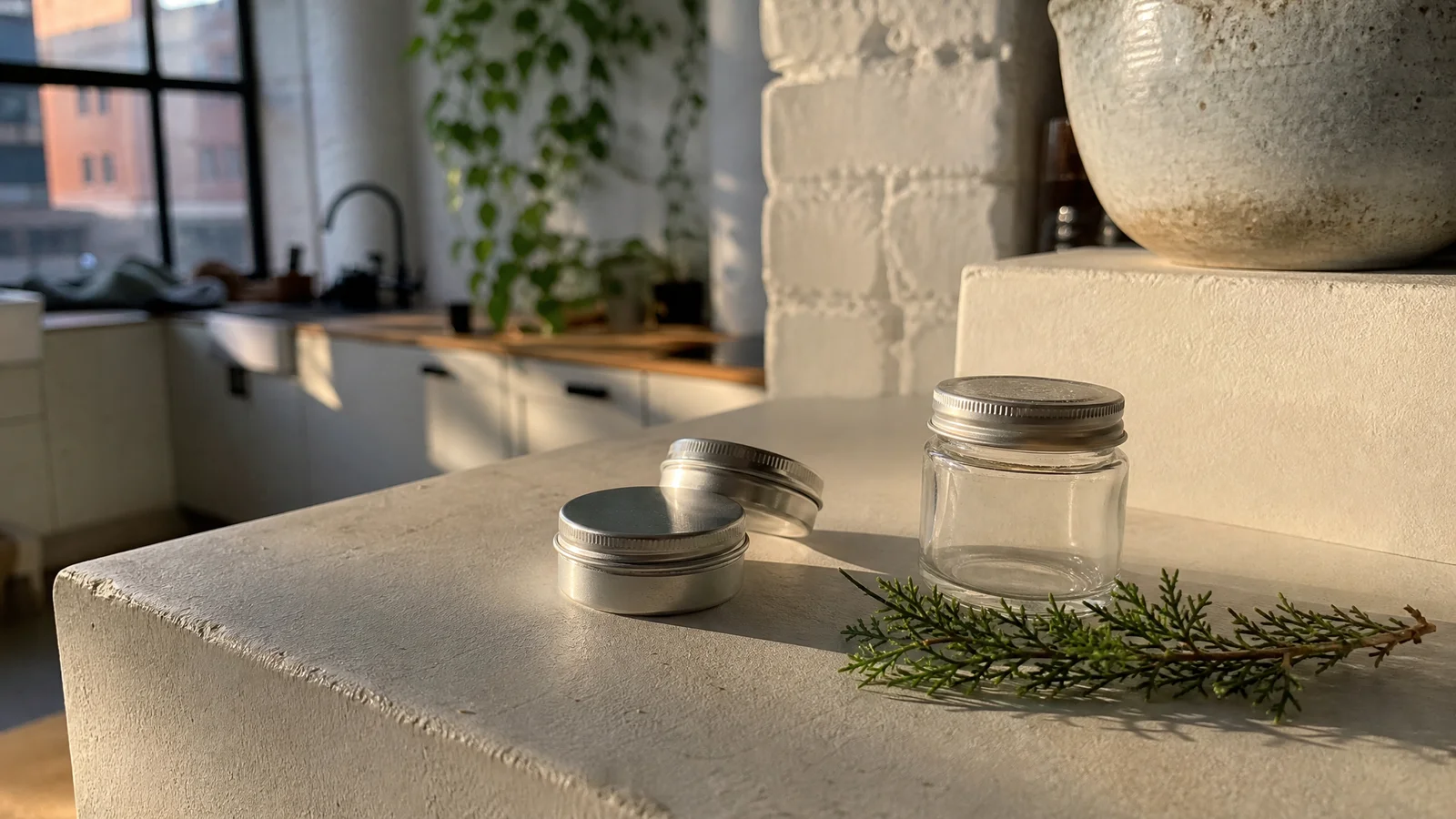
Is Cajeput in Tiger Balm? Reading Medicated Balm Labels
Cajuput is on a jar of Tiger Balm, but not among the actives. Seven balm labels show where it sits and how to read the next one you pick up.
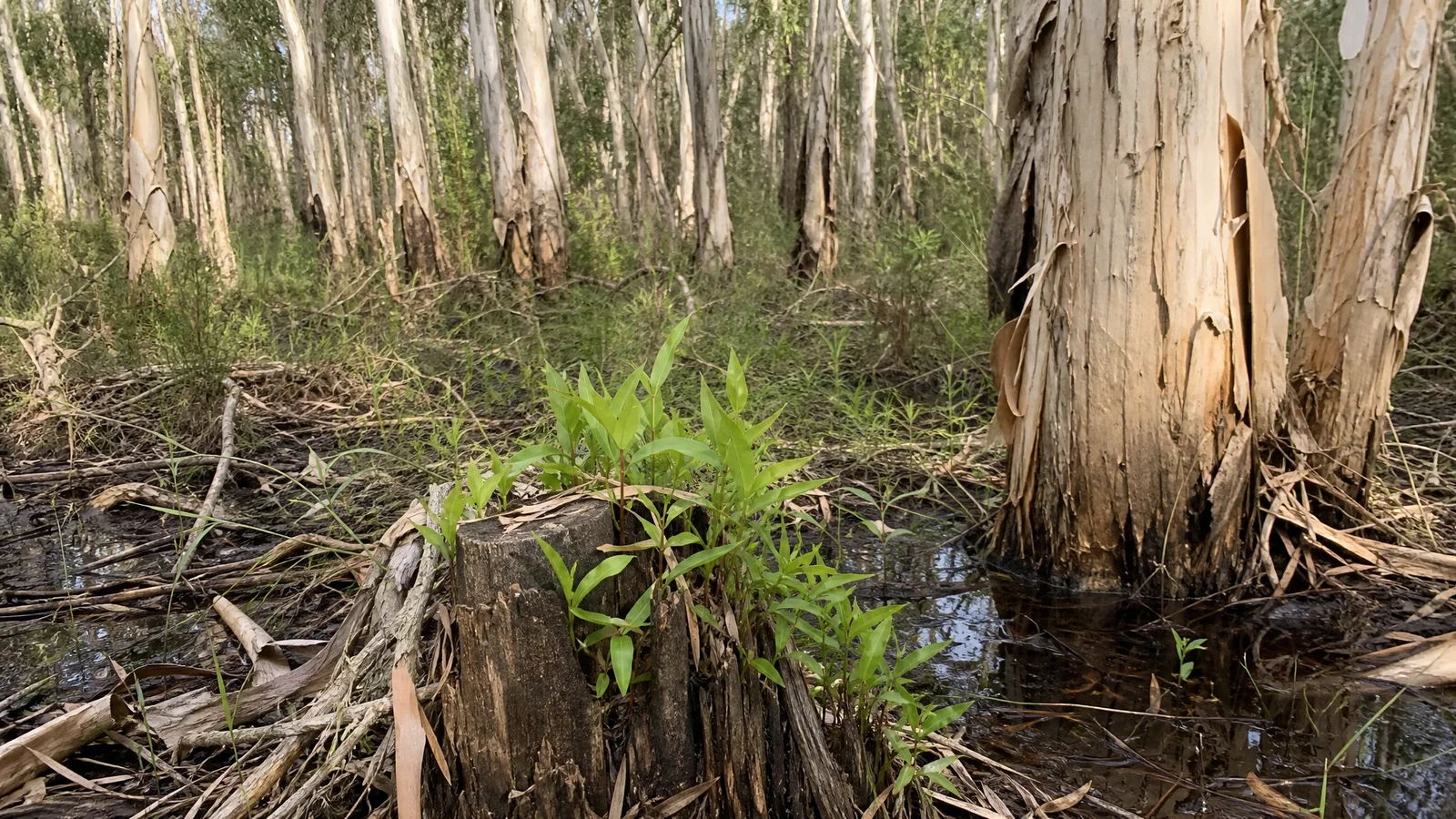
Does the Cajeput Tree Grow Back? What It Means for Oil
Cajeput comes from a tree that sprouts again after cutting. Here is what forestry sources say about leaf harvest and what to ask any seller.
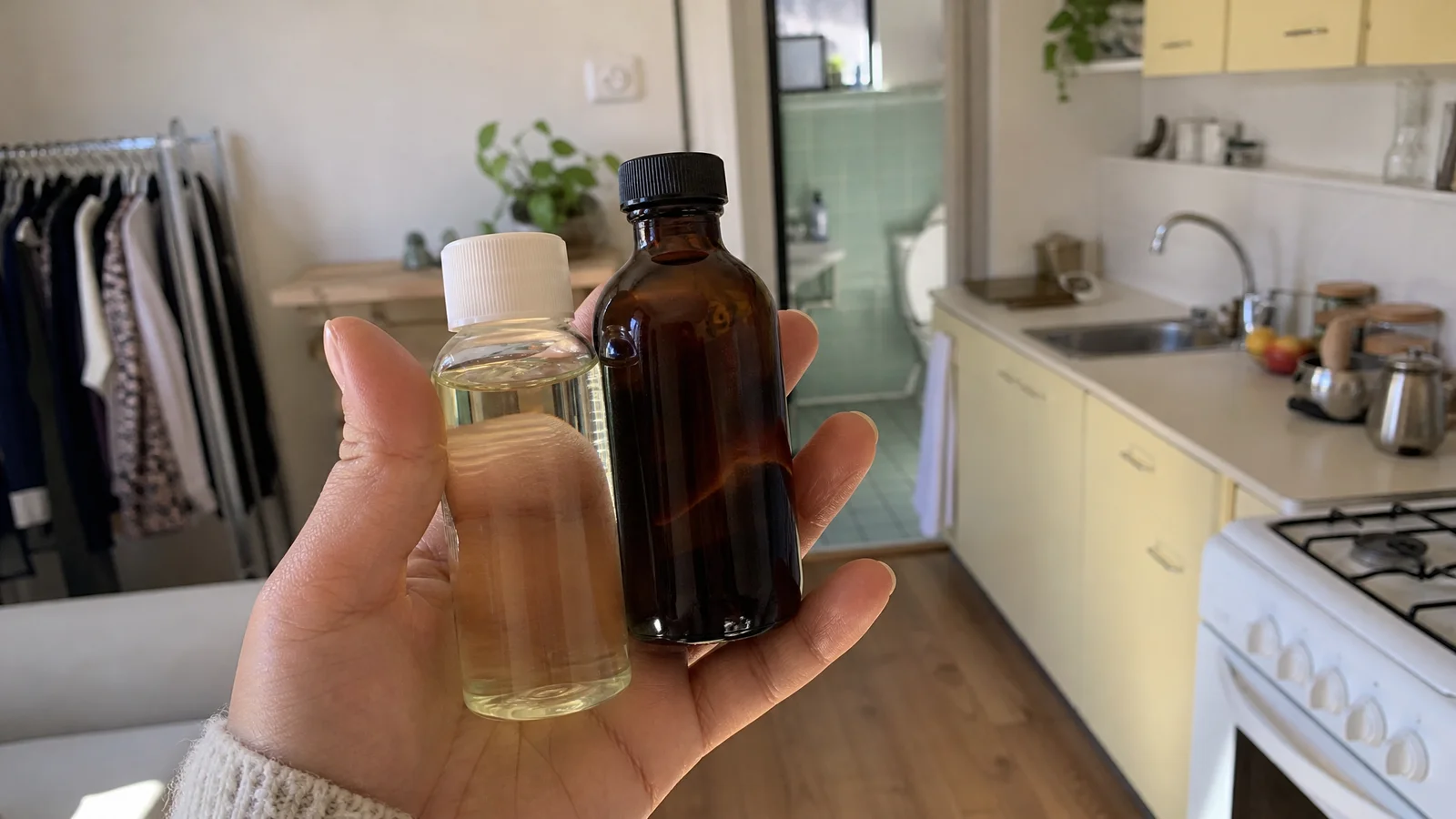
Minyak Kayu Putih vs Cajeput Essential Oil
Minyak kayu putih is a finished household product and cajeput essential oil is a raw material. Here is how to tell which bottle you hold.
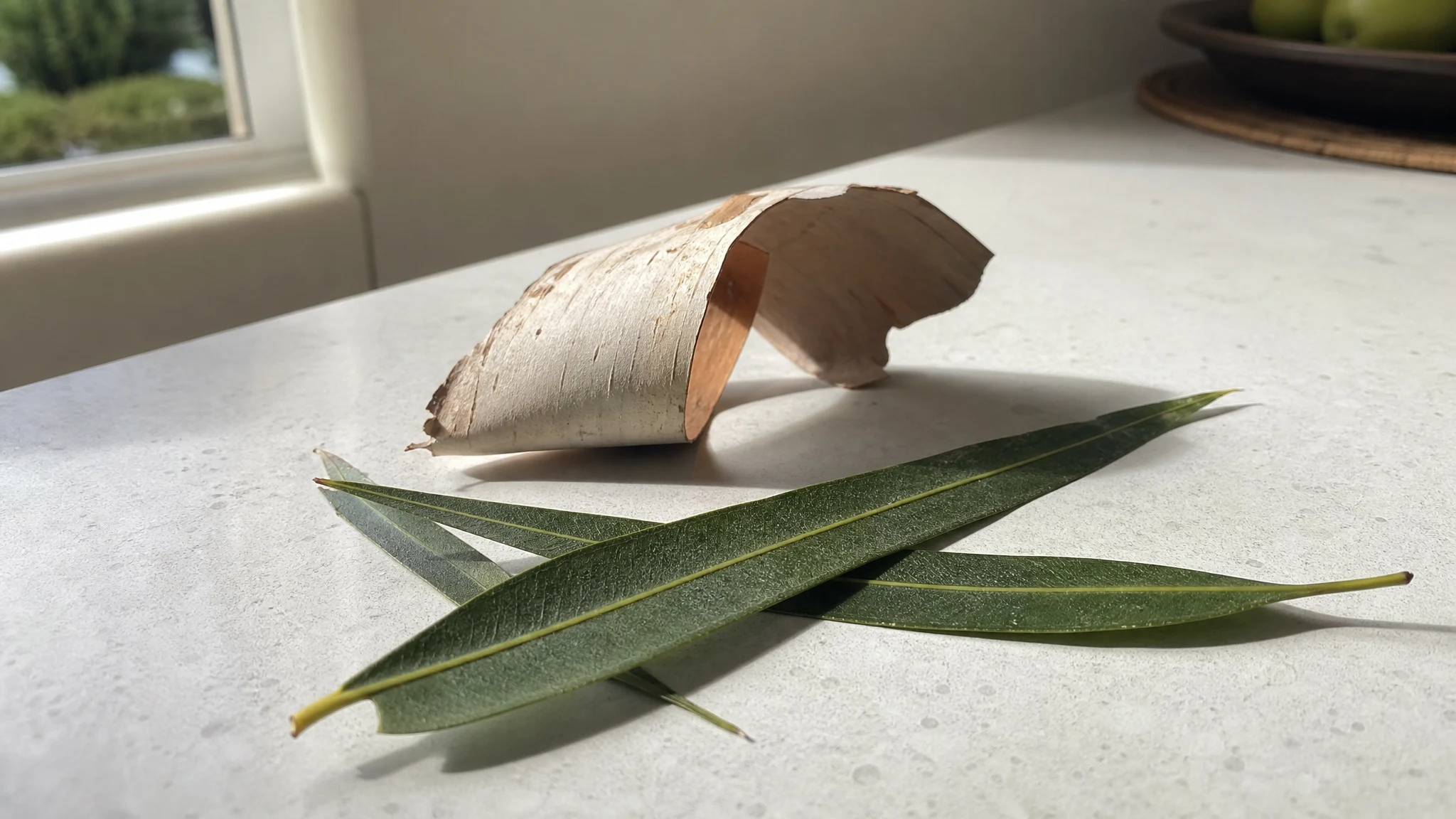
What Is Cineole? Why Cajeput Smells Crisp and Cool
Cineole gives cajeput its cool, camphor-like lift, with terpineol and limonene rounding it out. Here is what that chemistry means for your nose.
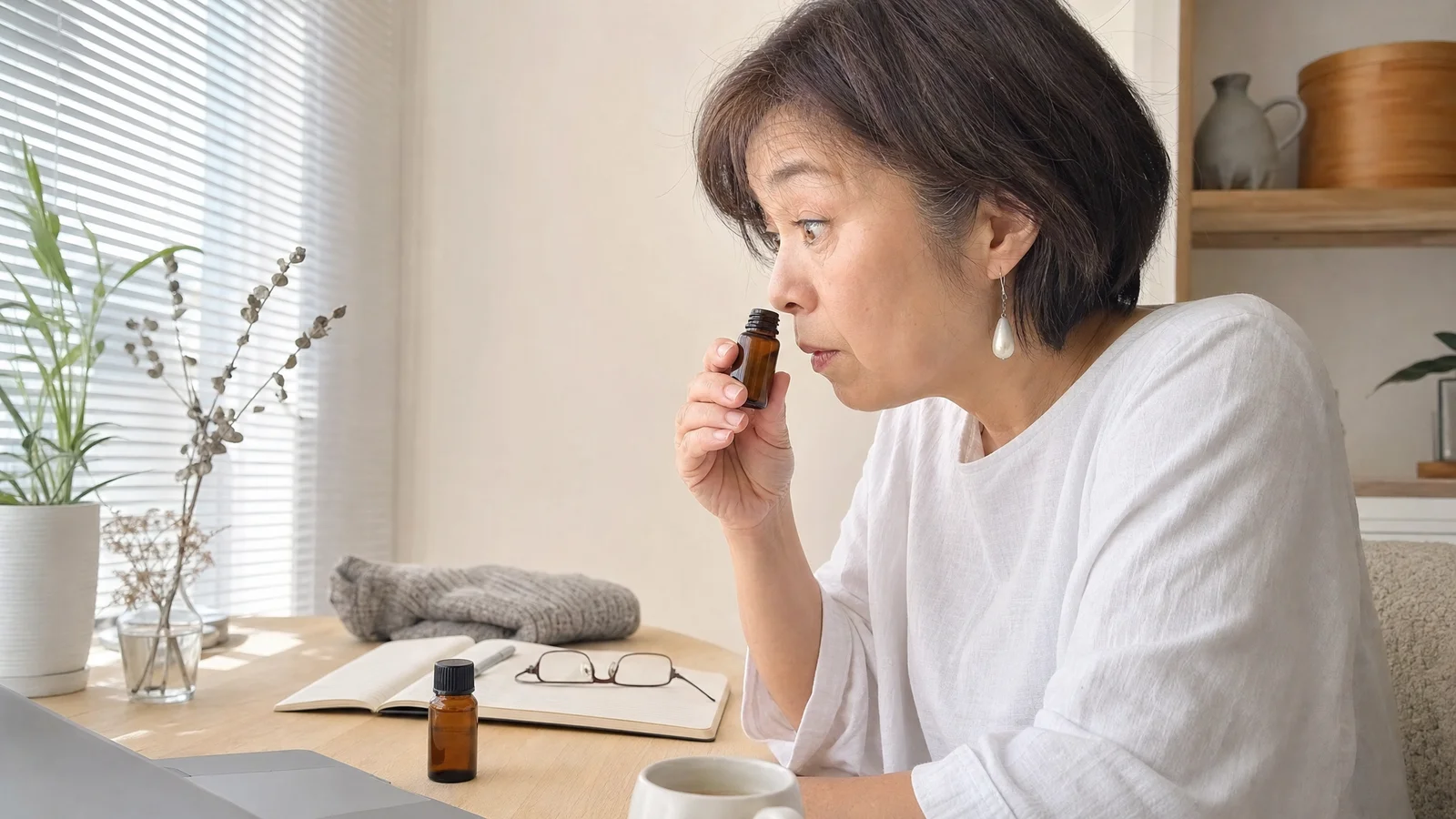
What Does Cajeput Oil Smell Like? A Scent Guide
Sharp and cool on the first sniff, then sweeter and almost fruity. Here is how cajeput smells, why it does, and the best way to get to know it.

The Paperbark Tree Behind Cajeput Oil: Melaleuca cajuputi
Meet Melaleuca cajuputi, the papery-barked tree of wet coasts behind cajeput oil, and learn why the name on a bottle matters.

The History of Cajeput: From Ambon to Today
A Malay name, a Dutch botanist on Ambon, a 1926 plantation and a global market: the documented story of how cajeput reached the shelf.