Cajeput or Niaouli? How the Two Paperbark Oils Differ
Ask which of cajeput and niaouli is better and the honest answer starts with a counter-question: which niaouli? The name is attached to oils from more than one tree and more than one chemistry, and two bottles on a shelf can differ almost completely. Cajeput, by comparison, is the easier oil to pin down.
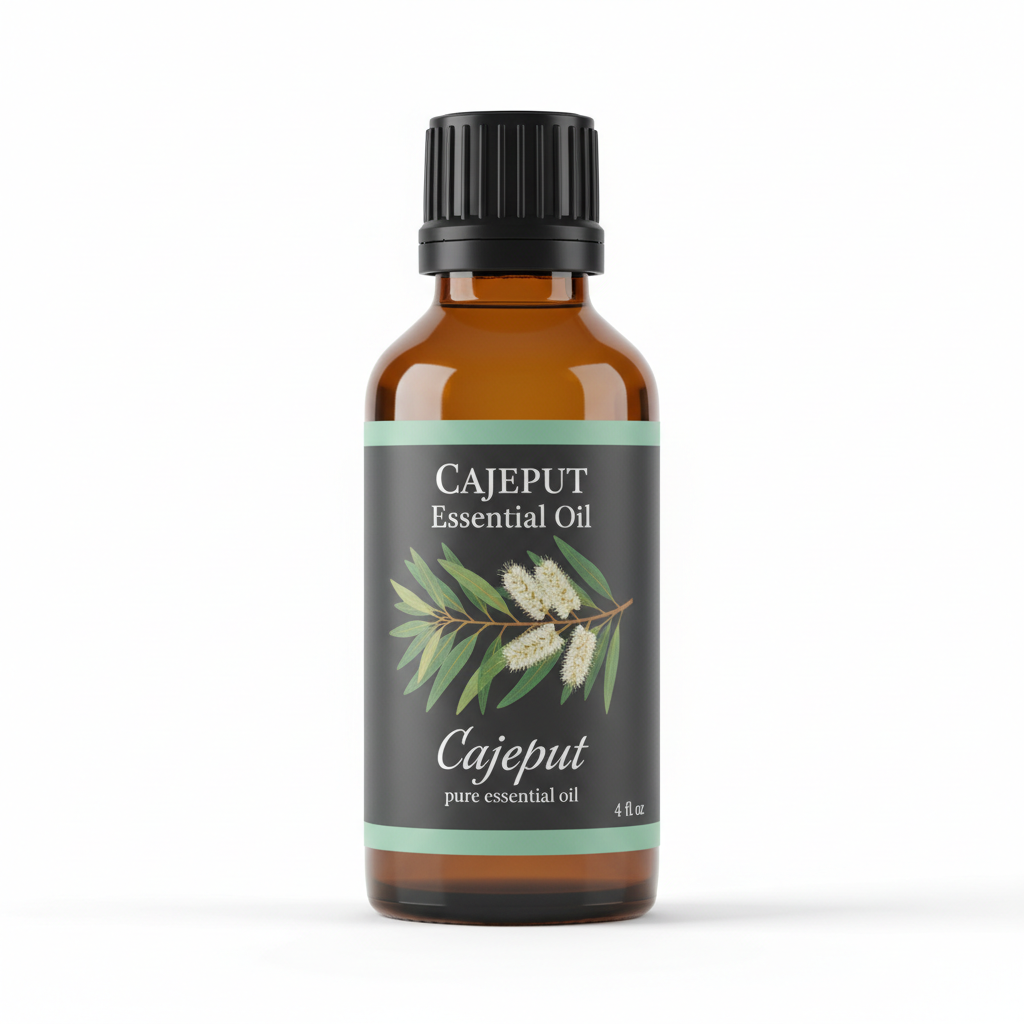
Cajeput Essential Oil
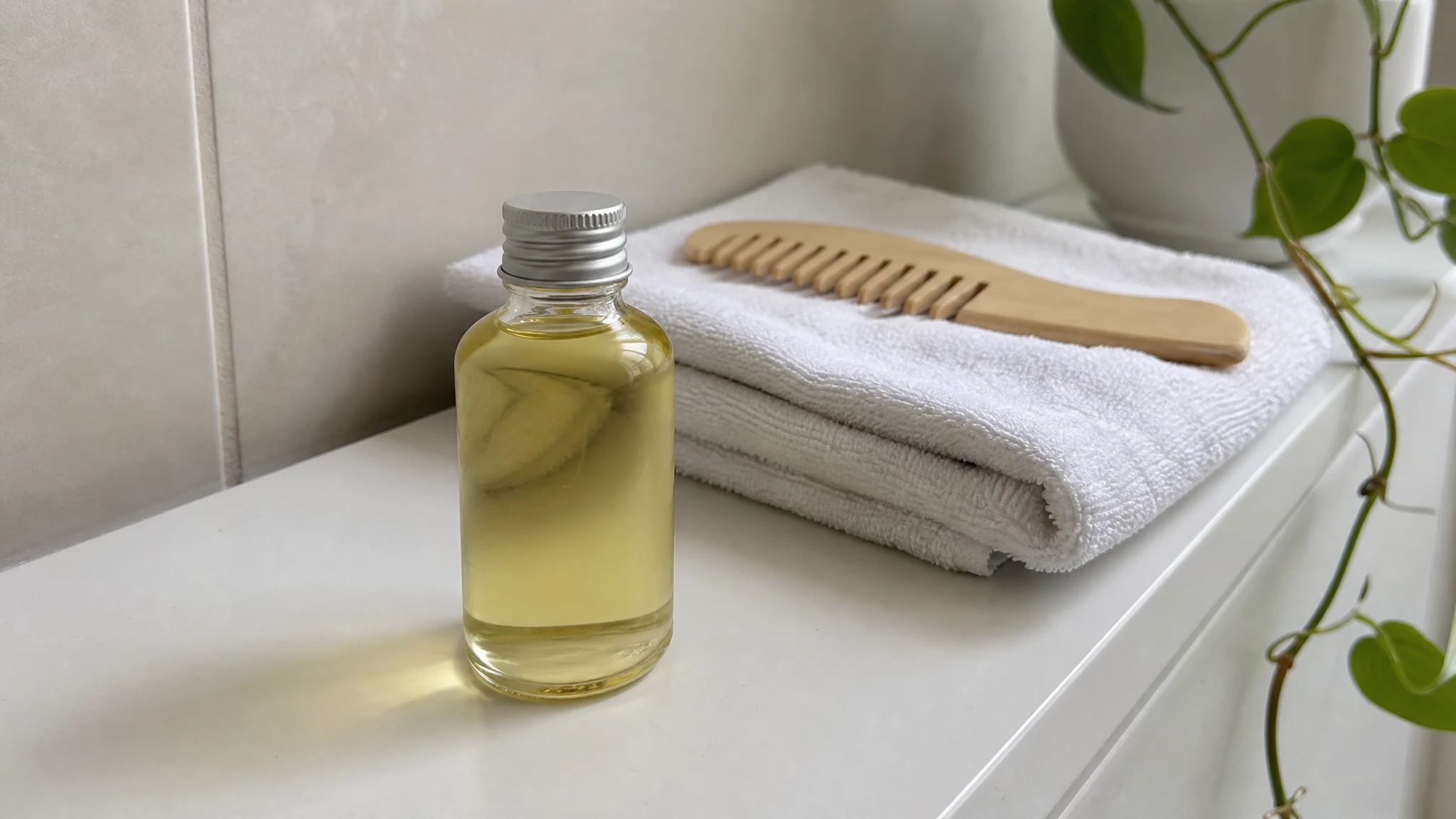
Our own Cajeput Essential Oil, in sizes from 0.5 oz to bulk.
From $10.99
Shop Now →The niaouli that is not niaouli
A 2023 study bought two oils from the same supplier, both from Melaleuca quinquenervia, sold under different names. The first, from Madagascar, was sold as niaouli and came out cineole-rich, at about 52% 1,8-cineole. The second, from Australia, was sold as "nerolina" and held under 2% cineole, with nerolidol near 48% and linalool about 33% (Vazquez, Tabanca and Kendra, 2023). Same species name, nearly opposite chemistry. Each figure comes from one bottle, so think of them as an illustration, not a specification.
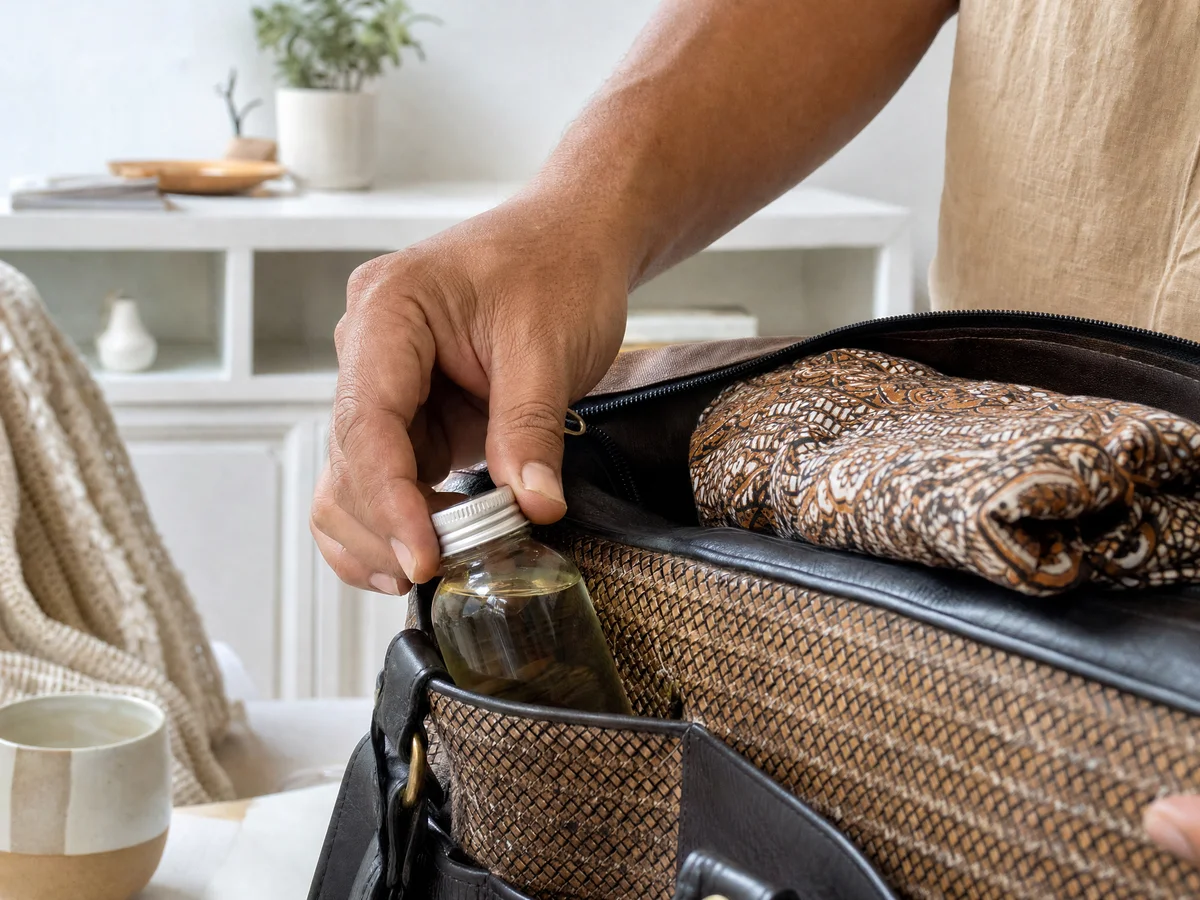
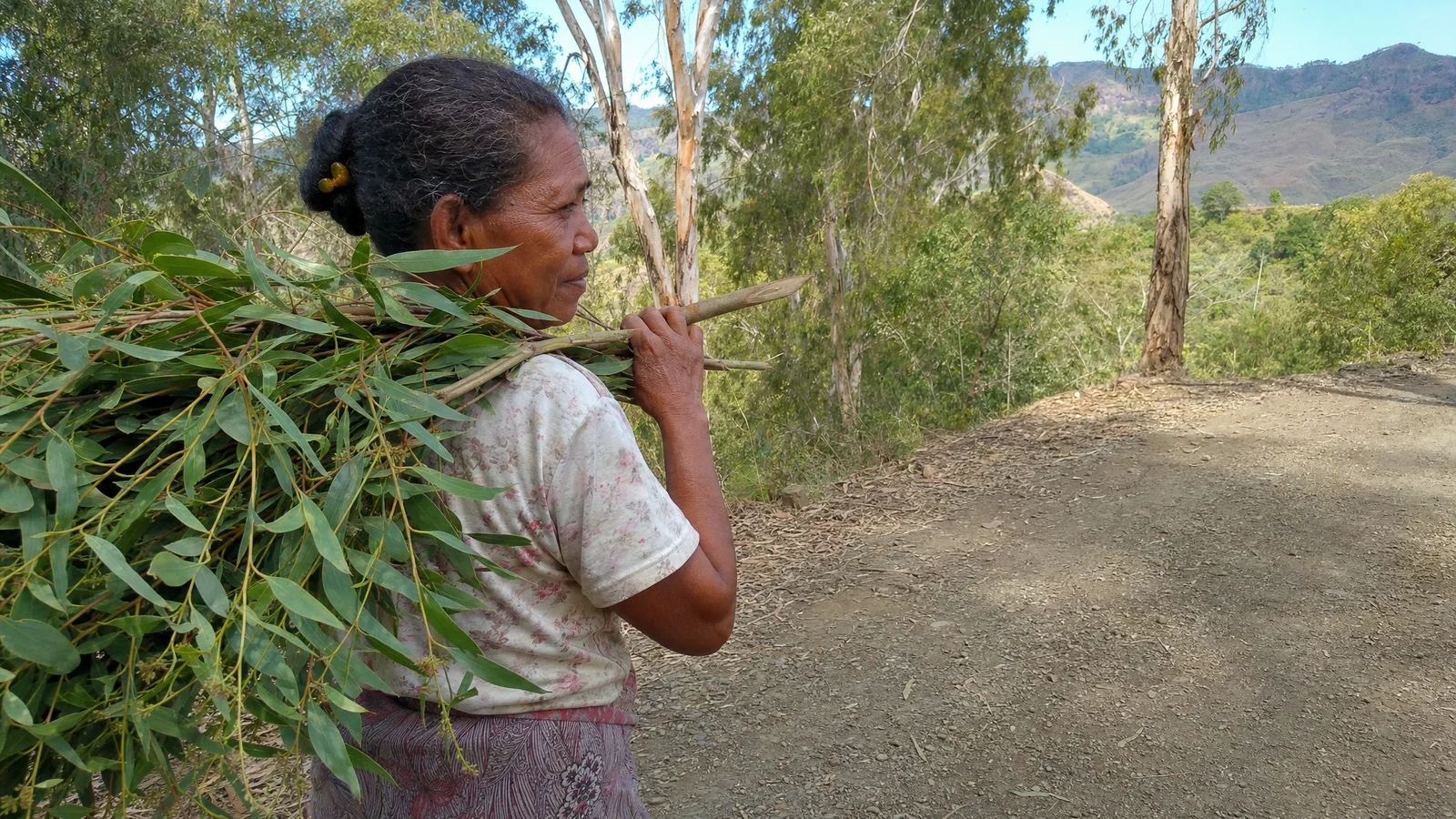
Other species wear the niaouli name too. A 2026 study of Melaleuca viridiflora from an Ecuadorian plantation calls the plant "paperbark or niaouli" and found about 36% cineole alongside 14% viridiflorol (Valarezo et al., 2026), while a 2025 analysis of M. quinquenervia leaf from an Egyptian nursery came in near 32% cineole (Fikry et al., 2025). Add it up and "niaouli" in these studies runs from roughly a third to a half cineole, with varying amounts of a heavier molecule called viridiflorol.
Where cajeput fits
Cajeput varies as well, since any distilled leaf oil does. The analyses we have read put cajuput oil at about 52% to 65% cineole (Vivekanandhan et al., 2024). What it has going for it is a single species name, Melaleuca cajuputi, and a profile that is consistently led by cineole with very little viridiflorol.
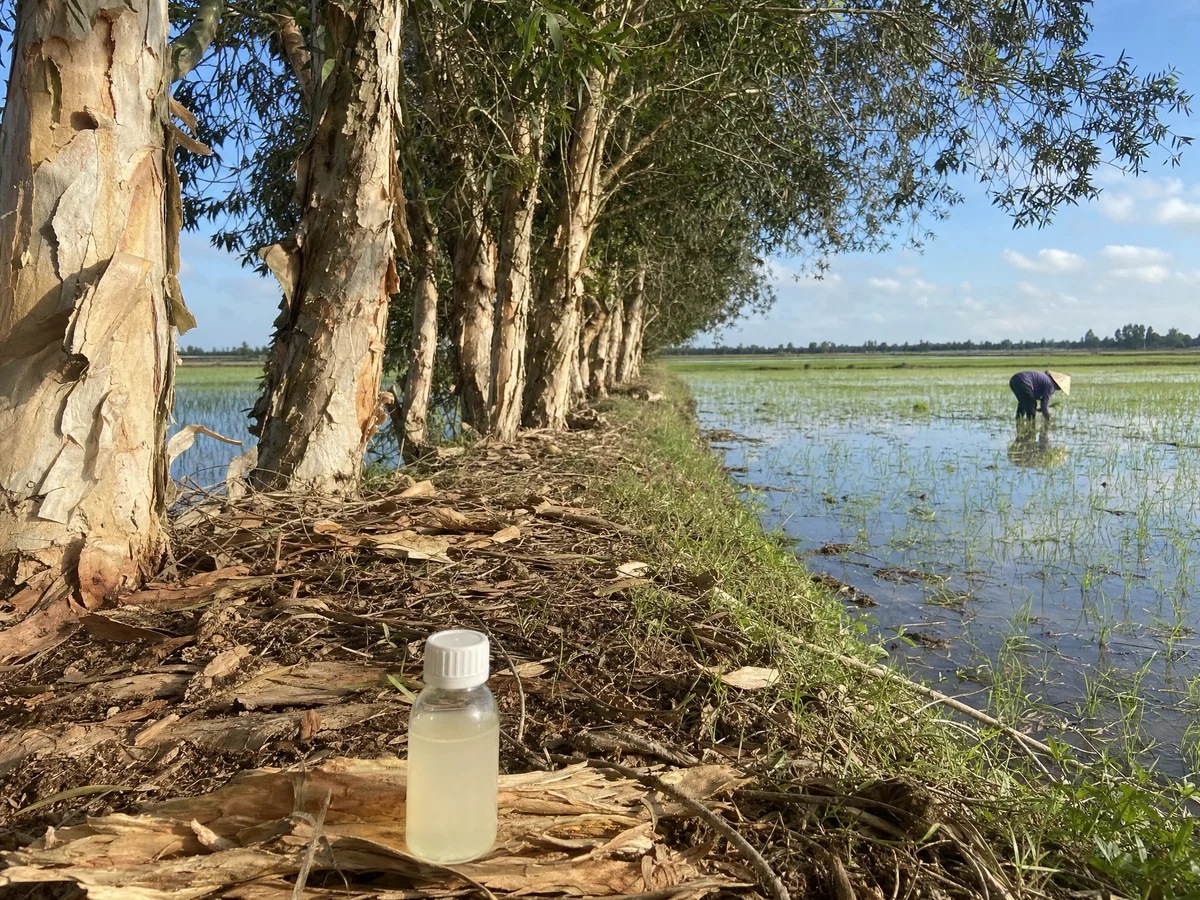
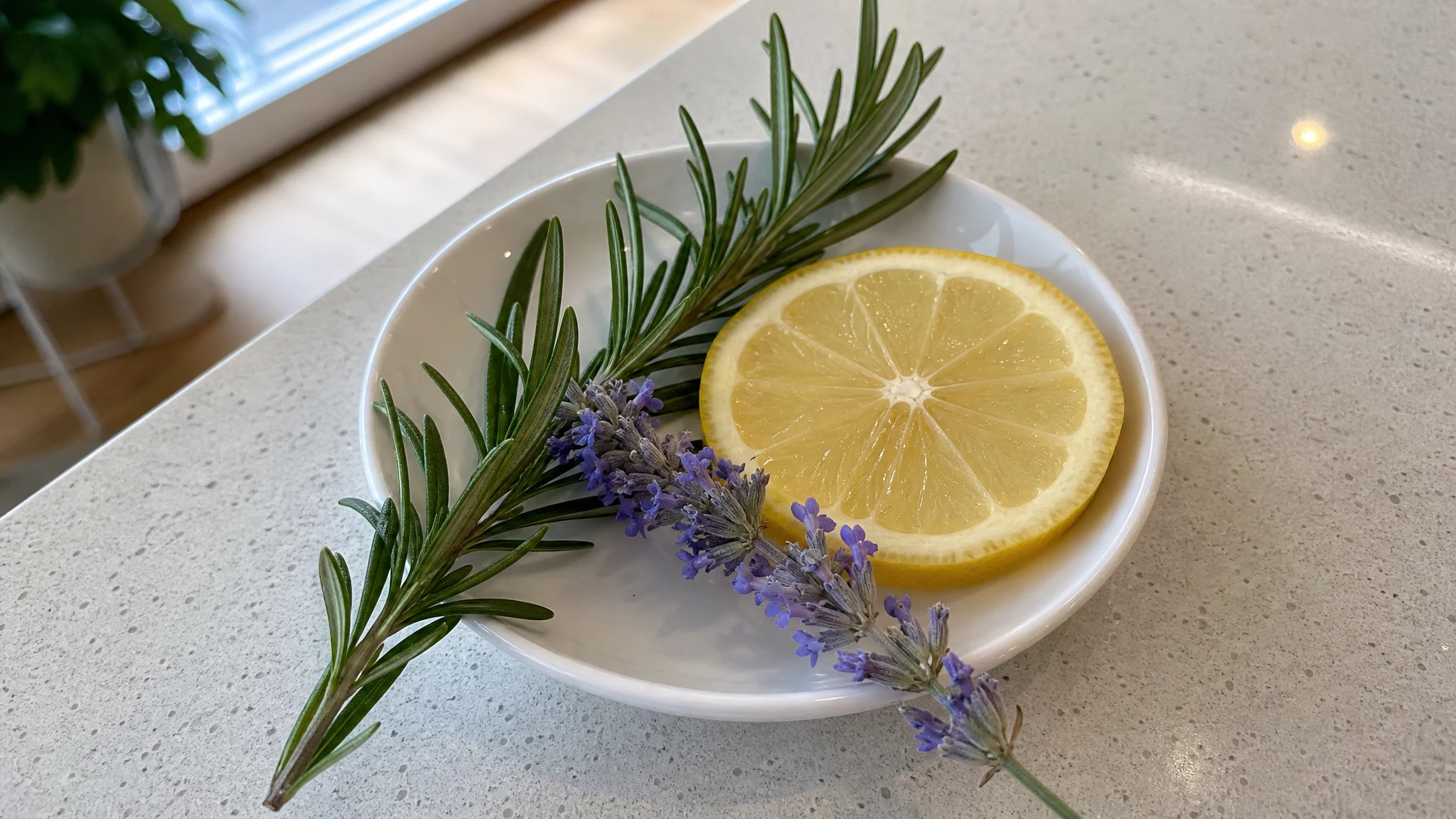
So how do they smell next to each other? No study we found compared them, so this is reasoning from the chemistry: a cineole-type niaouli and cajeput share their main molecule, and so should overlap in the cool, sharp part of the scent. The niaouli samples carry more of the heavier compounds, which may give a rounder, slower base. Our cajeput is described on our shop as fresh, cool and fruity-camphorous, with a brightness and sweetness that sets it apart from many leaf oils.
What we can tell you about ours
We sell one cajeput oil, steam-distilled and sold neat. The Certificate of Analysis we publish for one batch lists density (0.906), refractive index (1.469) and optical rotation (+2.32 degrees), and it names Melaleuca cajuputi. If you want a composition report for your lot, ask us in writing through the contact page. We do not sell niaouli, so we have no stake in which one you pick.
A label-reading habit
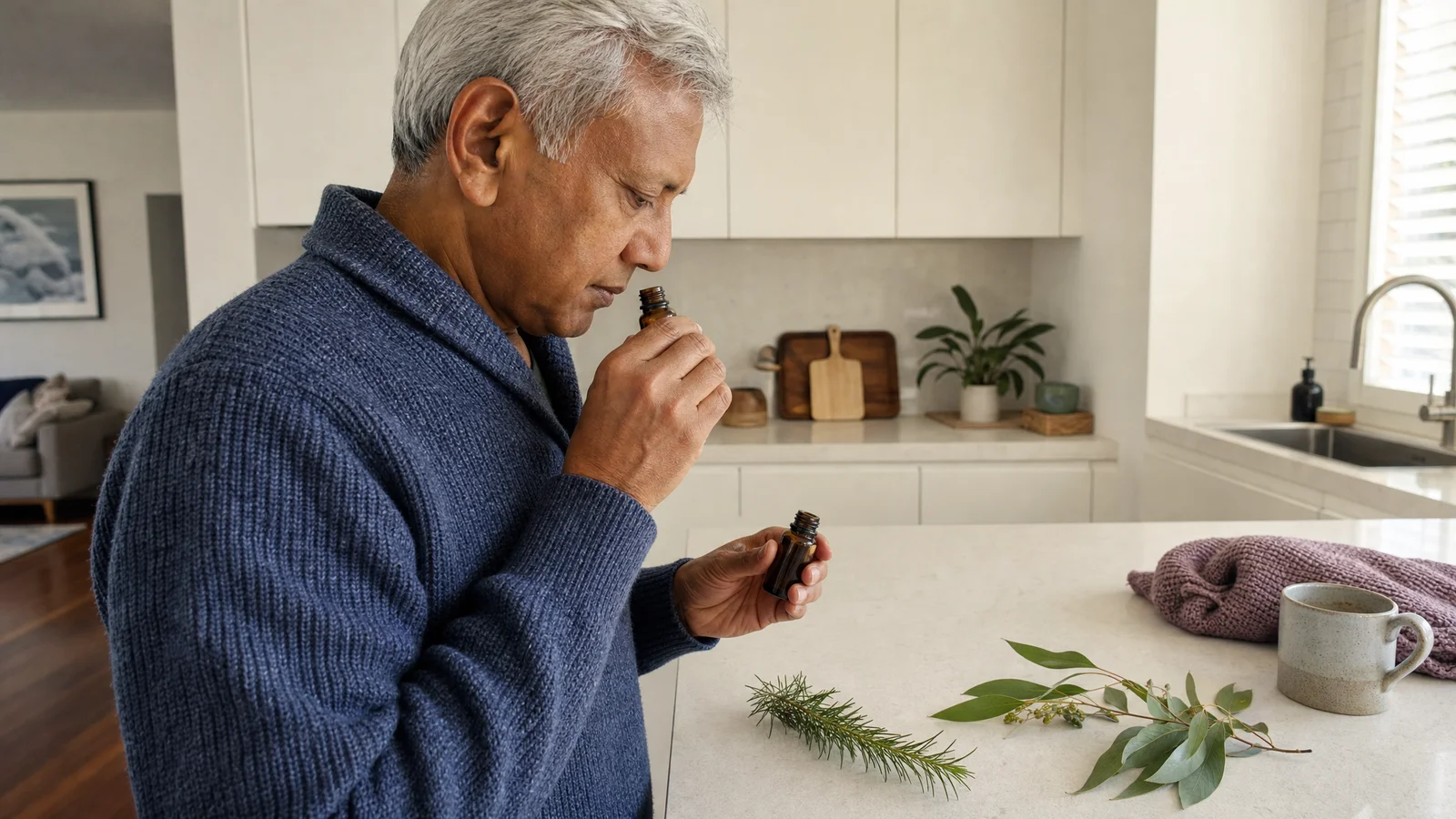
When a bottle of niaouli arrives, open it and take a slow, careful sniff from arm's length. If the first impression is a cool, sharp lift, that is what a cineole-led oil should do. If it smells rounder, sweeter and far less cool than you expected, treat that as your cue to go back to the label and look for the type. Cajeput makes this less of a puzzle, because the species name tells you most of what you need.
It is the sort of thing we enjoy about working with one oil. When we say cajeput, there is one tree behind the word.
How to choose
- You want a cineole-led top note for a diffuser blend or a linen spray: either oil will sit in that part of the scent. Cajeput gives you one species and a simpler label to check; start with our pairing ideas for blending.
- A recipe says "niaouli" and nothing else: find out which type it means. A nerolina-type oil is not a stand-in, and the table of analyses above shows why.
- You want something for a cold, cough or skin problem: neither is a substitute for a pharmacist or physician. Our congestion post explains where our line sits.
Keep a lot notebook
If you use more than one paperbark oil, keep a small note for each bottle: the Latin name, the lot number, the date you opened it and one line about how it smells. When you come back for a second bottle months later, that note saves you from guessing. It also makes comparisons honest, because you are comparing what you wrote down and not what you vaguely remember.
The numbers behind the numbers
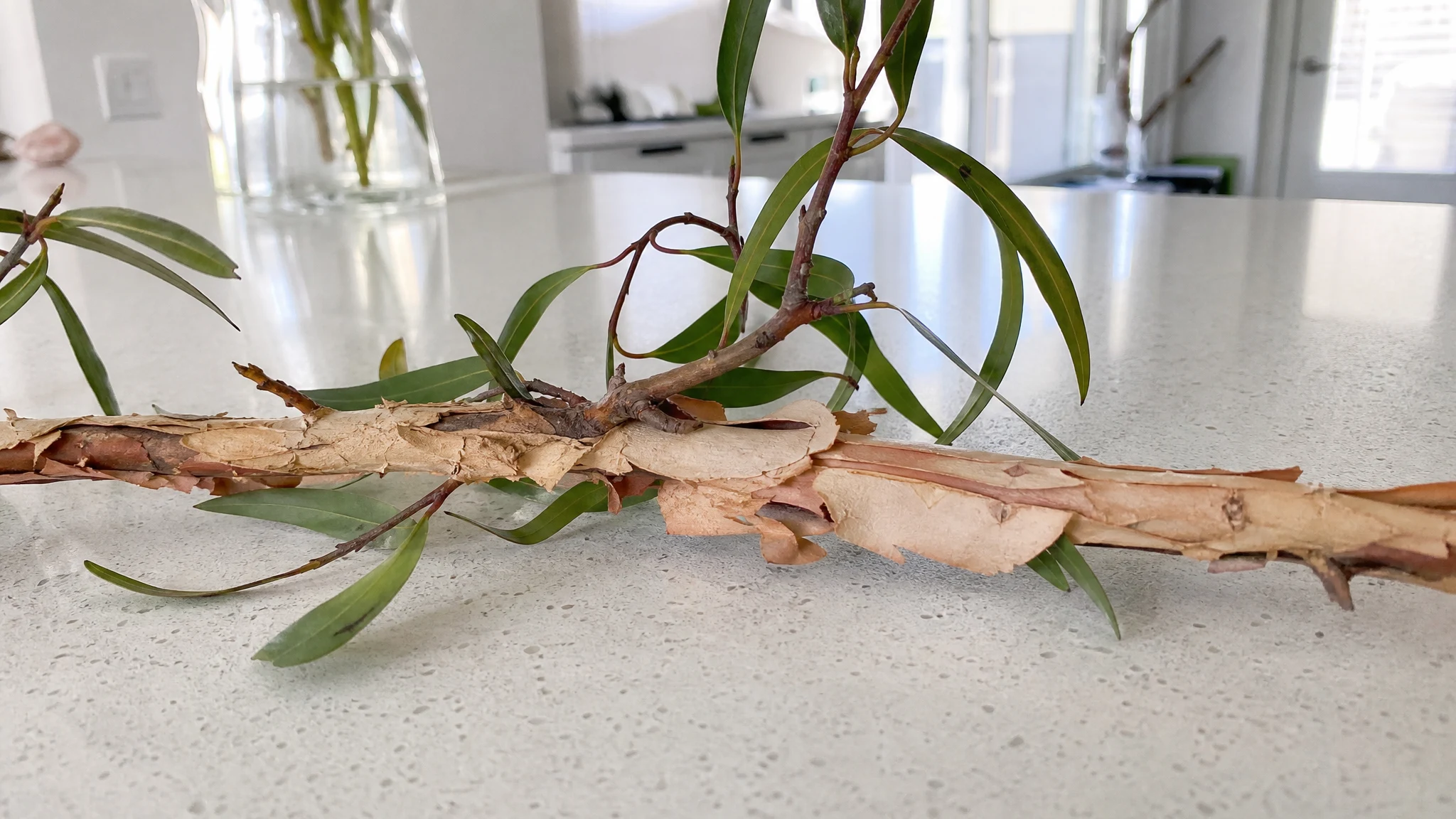
Plant age, season, site and the still itself all move these percentages. One of the studies above notes that an earlier distillation of the same species ran twelve hours and reported 57% cineole against 32% for its own five-hour run. The authors do not say distillation time explains the gap, but it shows why a single percentage is never an oil's whole identity. The practical advice stays the same: compare lot reports, not names, with any seller. For a quick picture of the tree itself, see the paperbark behind cajeput.
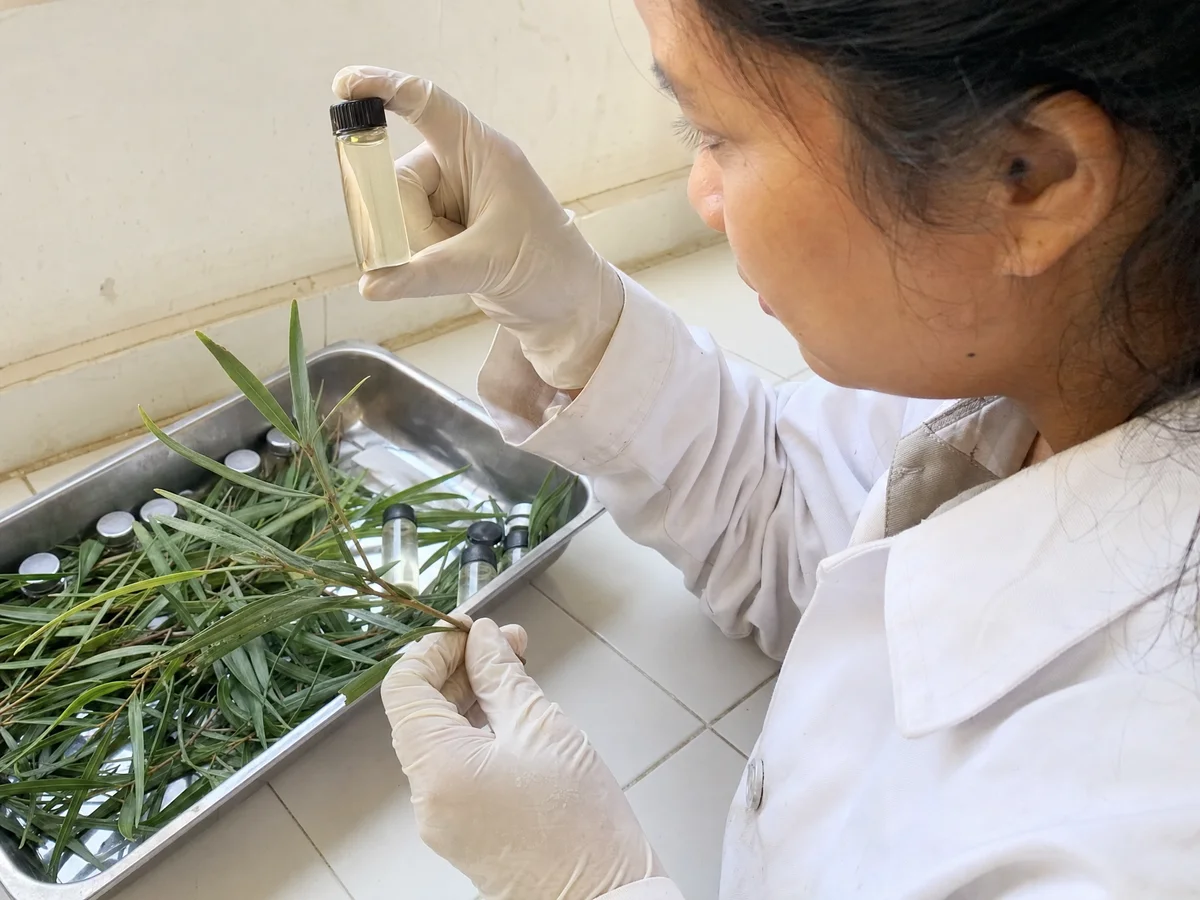
Two oils, one family of trees, and a fair amount of label detective work. The detective work is part of the fun.
Cajeput Essential Oil
Cajeput Essential Oil from our own shop, in sizes from 0.5 oz to bulk.
From $10.99
Shop Now →