Best Carrier Oil for Cajeput: Choose by Shelf Life
Here is the surprise about carrier oils: cajeput hardly changes which one you should pick. In a blend at 0.5% to 2%, the carrier is 98% or more of what is in the bottle, so the question that matters is how long that carrier will stay fresh while you use the blend. Choose it by the clock, and the feel on your skin takes care of itself.
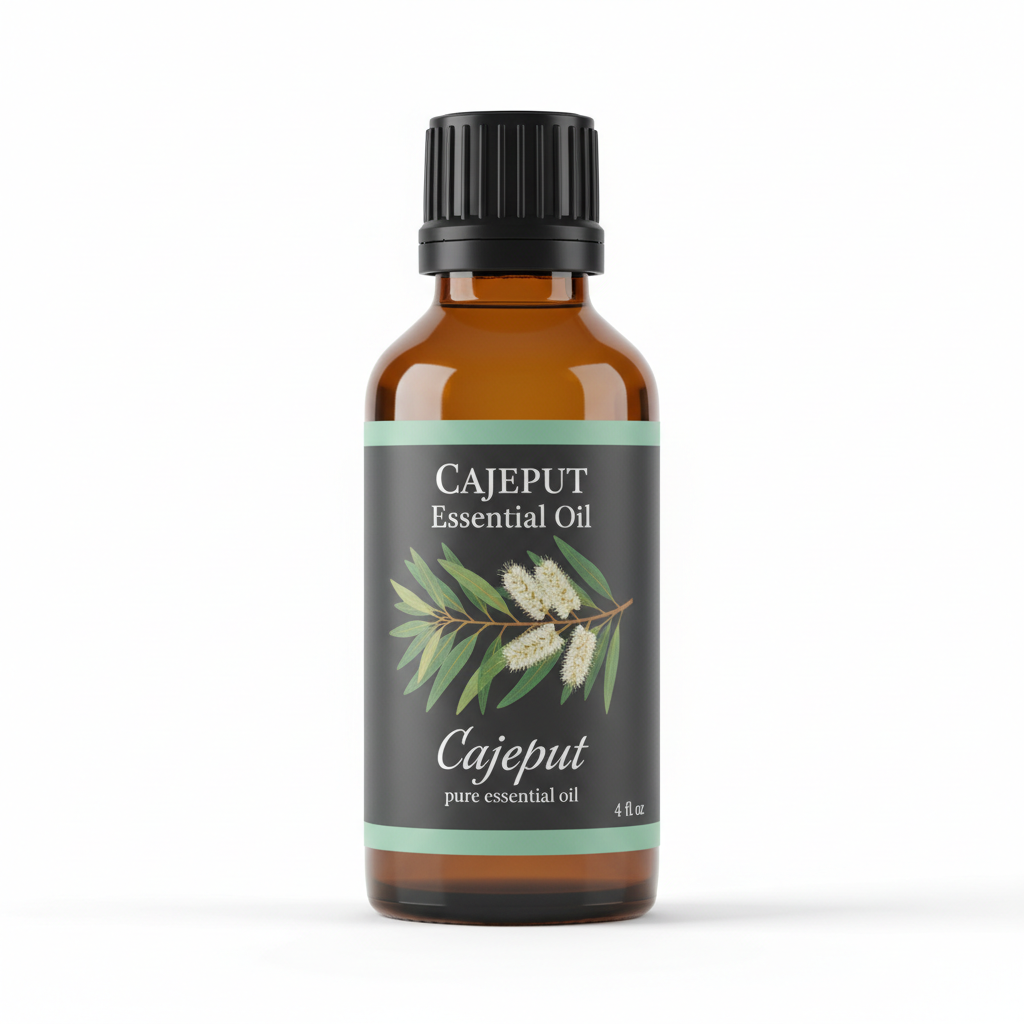
Cajeput Essential Oil
Our own Cajeput Essential Oil, in sizes from 0.5 oz to bulk.
From $10.99
Shop Now →Why stability is the first filter
Carrier oils go off by oxidation, and the best predictor is how many double bonds their fatty acids carry. A 2026 study in Antioxidants put four oils through the same accelerated heat-and-air test and found jojoba the most stable, with olive close behind, then sunflower, and rosehip last. The authors line that order up with polyunsaturated fat content: about 1% in jojoba, 9% in olive, 60% in sunflower and 72% in rosehip. Jojoba is a special case, since it is mostly wax esters (about 98%) and not a triglyceride at all.
An accelerated test at 100 degrees C is not a forecast for a bottle in a drawer, and none of these oils were tested with an essential oil blended in. What the numbers support is the ranking, and the ranking is useful: a blend you will finish in a few weeks can ride on almost anything fresh, while a batch meant to last months deserves a carrier near the top of the list.
The usual candidates
- Jojoba. The steady choice for anything that will sit. It is a liquid wax with a light feel, and it is the carrier our dilution guidance has in mind alongside sweet almond.
- Fractionated coconut oil. Look for "caprylic/capric triglyceride" on the label. Its fatty acids are saturated medium-chain ones, which have no double bonds to start oxidation, and it stays liquid and light. Reasoning from that chemistry, it keeps well, though saturated does not mean immortal.
- Sweet almond. A familiar, silky carrier. It is a tree-nut oil, so skip it for anything you plan to share unless you know the recipient is fine with nuts, and anyone with a nut allergy should ask their allergist first.
- Sunflower and rosehip. Lovely oils for quick projects. Their high polyunsaturated content means they are best used up fast, in small batches.
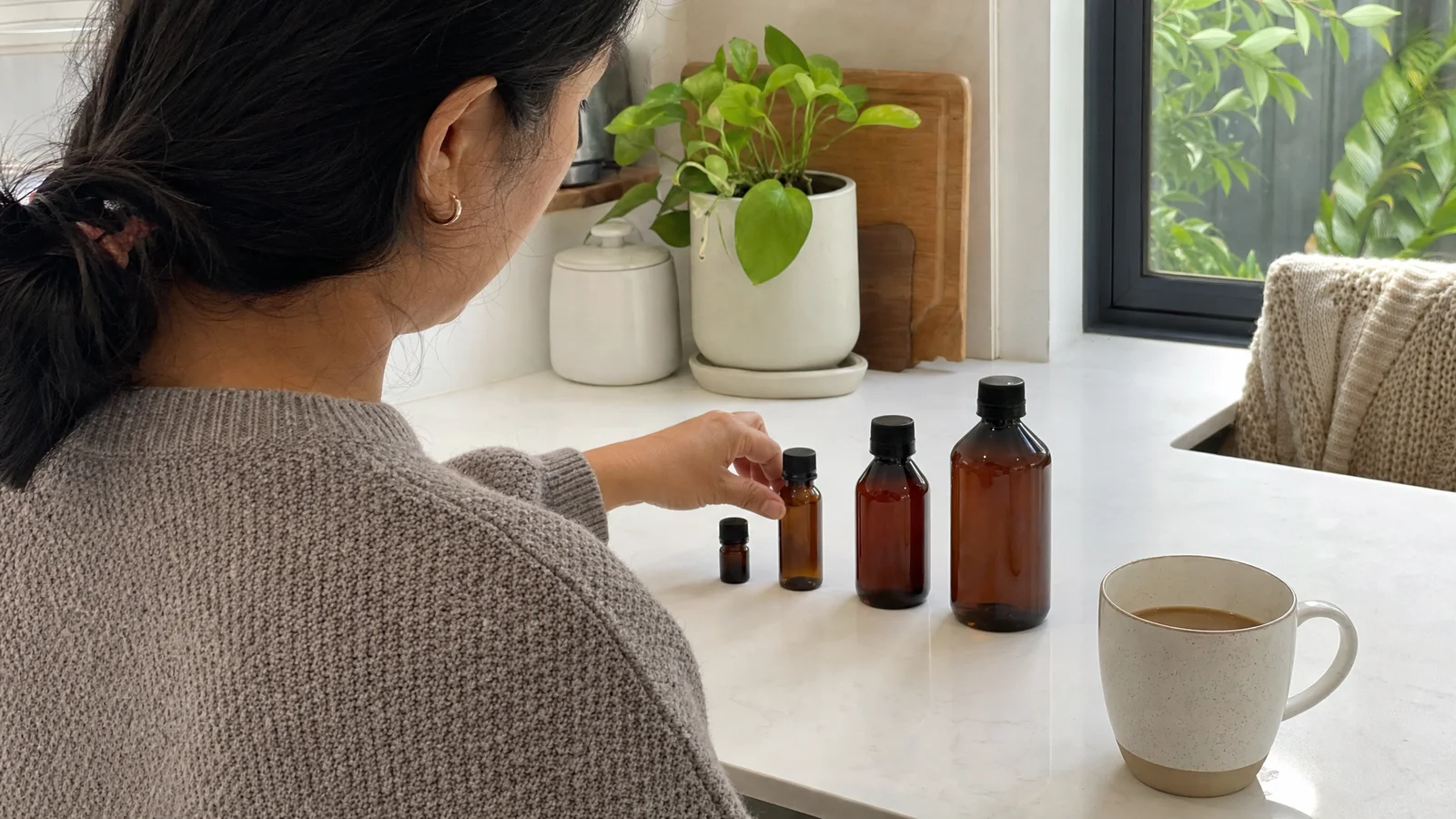
We do not sell carrier oils, so you will find these at a craft or cosmetic-supplies shop, a pharmacy or a grocery. Buy the smallest bottle that suits your batch, preferably in dark glass with a date on it, and store it like you would your cajeput: tightly capped, cool and out of the light. Our storage guide has the container details.
How they feel in the hand
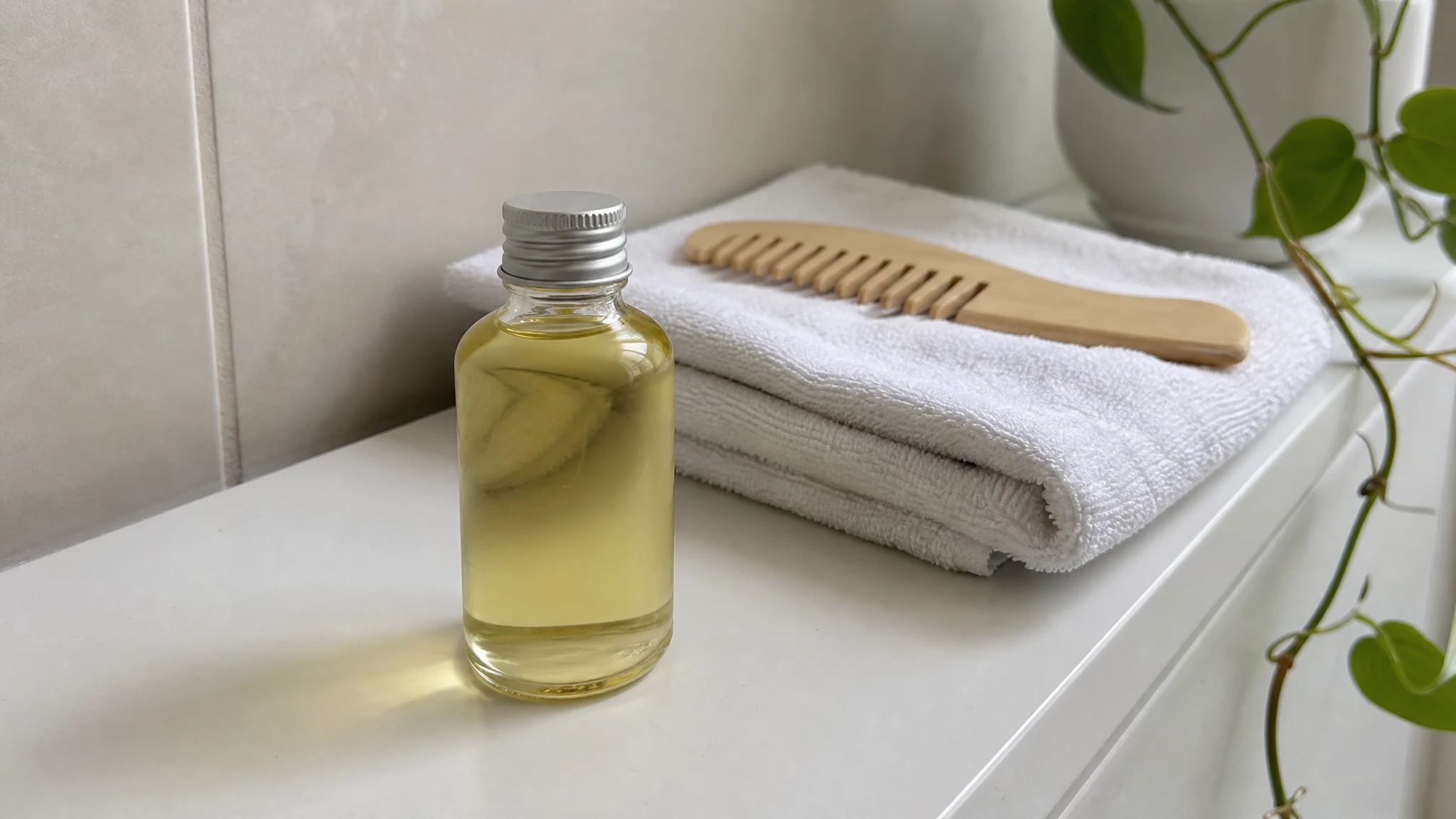
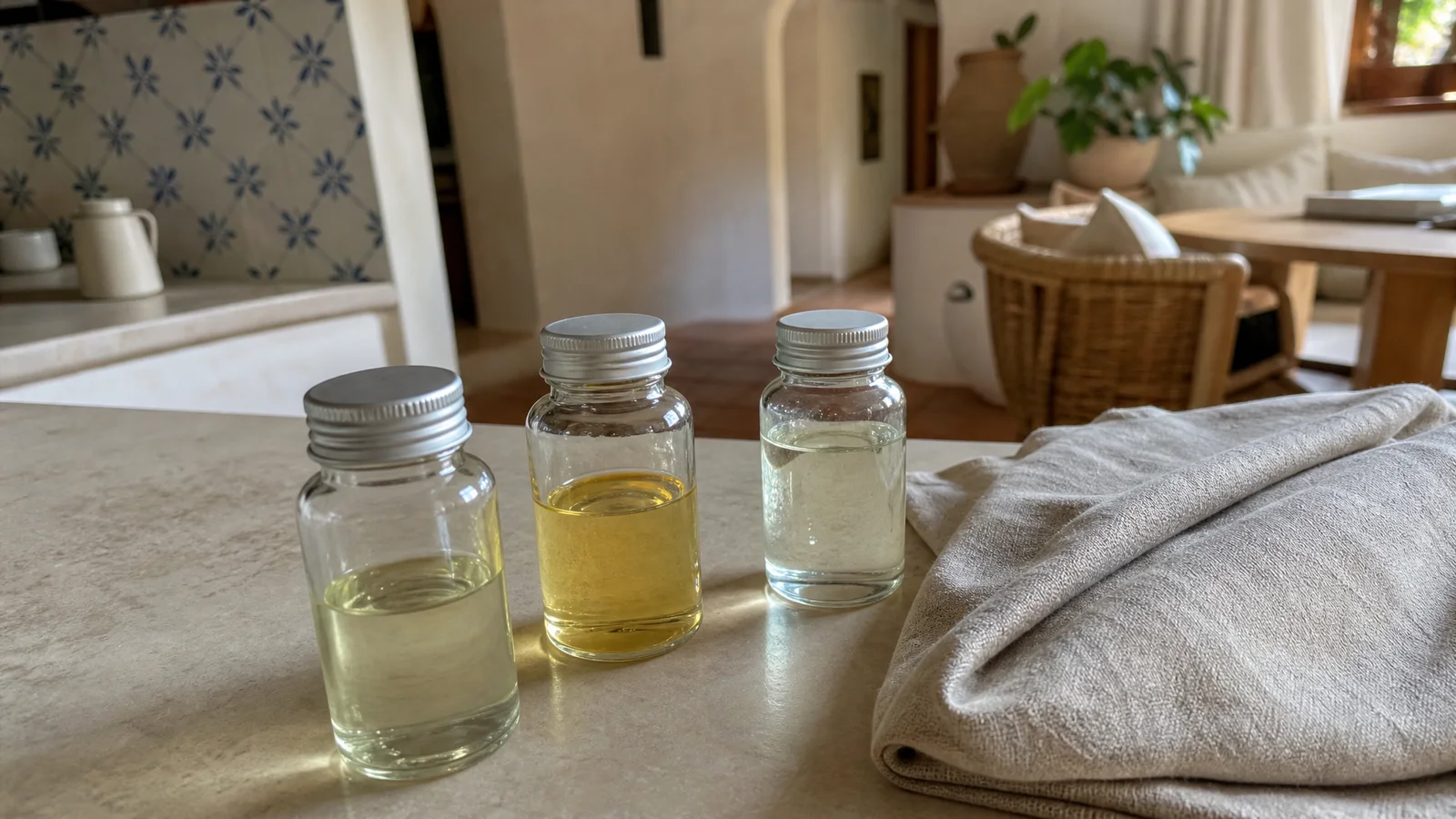
Texture is a personal thing, so it is worth pouring a little of each into your palm before you commit to a large bottle. Jojoba feels light and slightly silky. Sweet almond feels a touch richer and more slippery. Fractionated coconut oil is the thinnest of the three and has almost no smell of its own, which lets the cool, fruity cajeput come through undisturbed.
That last point matters more than it sounds. A carrier with a strong scent of its own will compete with a top note like cajeput, so if you want the oil's fresh character to lead, pick a carrier that stays politely in the background.
Batch size is the lever you control
Our dilution guidance for cajeput is 0.5% to 2% in a carrier, with a patch test first. At the rough convention of 20 drops per ml (estimate; droppers vary), that works out as follows.
| Blend size | 0.5% | 1% | 2% |
|---|---|---|---|
| 10 ml | about 1 drop | about 2 drops | about 4 drops |
| 30 ml | about 3 drops | about 6 drops | about 12 drops |
| 100 ml | about 10 drops | about 20 drops | about 40 drops |
The bottom row makes the point: a big batch is mostly carrier, so the carrier sets the shelf life. For a 10 ml roller you will use within weeks, convenience wins. For a larger batch, either pick jojoba or caprylic/capric triglyceride, or simply make less. Our roller bottle recipes and massage oil recipe show the arithmetic at both ends.
Smell it before you pour
Make a habit of sniffing your carrier before it meets the cajeput. A fresh one smells faint and clean, a little nutty or waxy depending on the oil. If it smells like old crayons, paint or stale nuts, it has turned, and no amount of cajeput will rescue it. Pour it away and start again with a fresh bottle. Write the date you opened the carrier on its label, and the date you mixed the blend on the blend. It is a thirty-second check that saves a whole batch.
A one-minute way to decide
Will you use it within about a month? Any fresh cosmetic oil works. Might you share it, or is there any nut allergy in the picture? Skip almond. Will it sit for months? Choose jojoba or caprylic/capric triglyceride and keep the batch small. Cajeput itself is for aromatic and cosmetic use, away from eyes, children and pets, and if you have eczema or a reaction history, talk to a dermatologist before putting any oil on that skin. Our dilution and patch-test guide covers the skin side in detail.
Keep the batch small, match the carrier to how long it has to last, and let the cajeput be the smallest thing in the bottle.
Cajeput Essential Oil
Cajeput Essential Oil from our own shop, in sizes from 0.5 oz to bulk.
From $10.99
Shop Now →Sources & Further Reading
- Fagoaga C, Moreno A, Fernández-Julián N, Castellano G, 2026. Oxidative stability and kinetics of oxidation of rosehip, sunflower, olive and jojoba oils. Antioxidants 15(5):646. PMC13203508