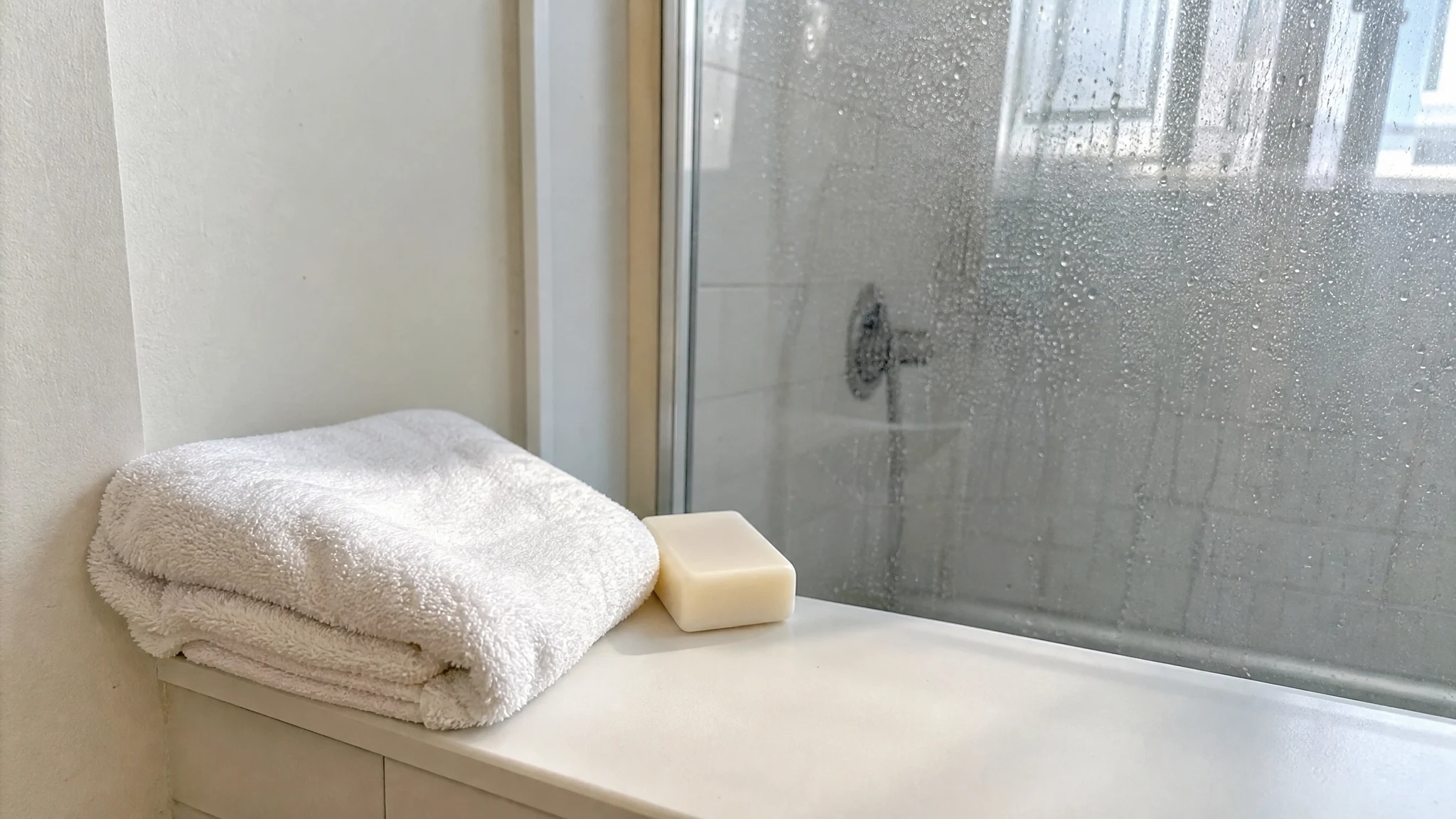
Cajeput Oil in the Shower and Sauna: Safer Ways to Scent
Steam and cajeput seem made for each other: warm, damp air carries a crisp, camphor-bright scent beautifully. The trick is getting the scent into the room without getting the oil onto skin, eyes or the floor. Our view is simple: the bathroom is a lovely place for a light touch of cajeput, and the sauna is better left to the heater maker's rules.
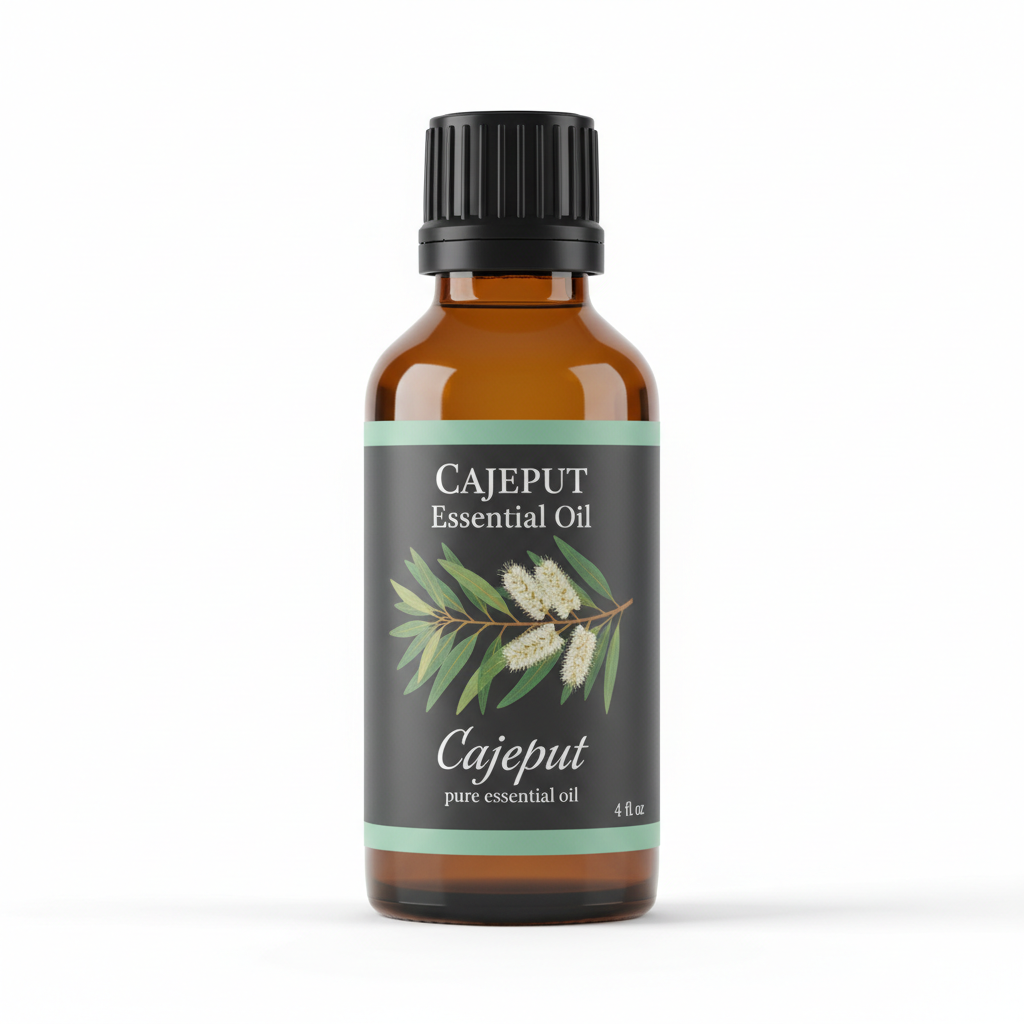
Cajeput Essential Oil
Our own Cajeput Essential Oil, in sizes from 0.5 oz to bulk.
From $10.99
Shop Now →The shower floor is the wrong place for it
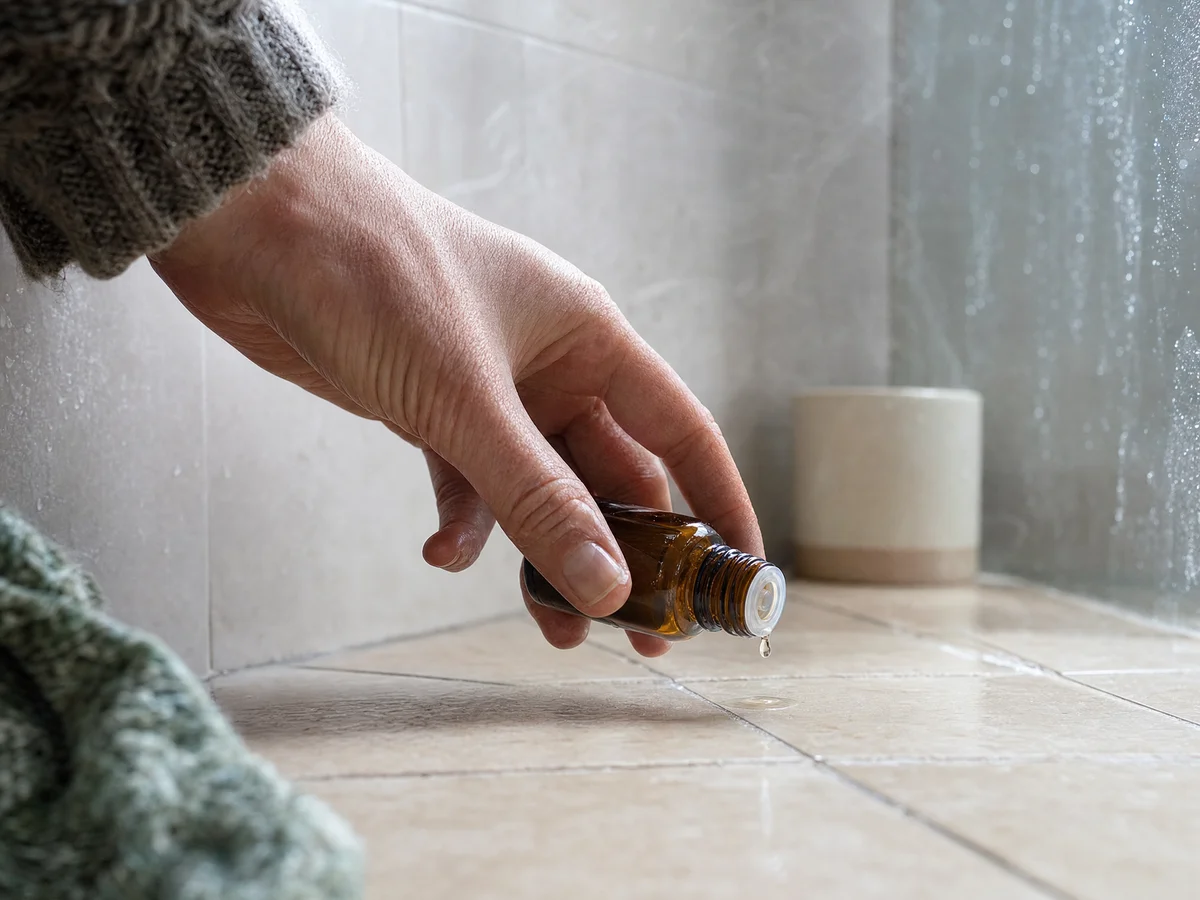
A popular tip says to drop a few beads of oil on the shower floor. We would skip it. A film of oil on a wet surface is an avoidable slip hazard, and bathrooms are where people fall: the US CDC counted an estimated 234,094 emergency-department visits for bathroom injuries among adults in 2008, with the tub or shower the highest-rate location and falls behind about 81% of cases (CDC MMWR, 2011). The report did not look at oil on floors, so the link is our reasoning, but it is a risk you can remove at no cost.
Three tidier ways to do it
- A scented pad out of the water path. Put one or two drops on a cotton pad or a scrap of cloth and rest it on a dry shelf or ledge, away from the spray. The steam carries the scent and the oil never touches skin or floor. Swap the pad afterwards.
- Diffuse before you shower, then switch off. Never run an electric device where it can get wet, and follow the manual.
- A shower steamer. That is a different product with its own chemistry; our piece on cajeput shower steamers explains why an oil needs a dispersant in a tablet.
We would avoid stirring the oil into shampoo or body wash for this purpose. Anything on skin needs a proper dilution, which is a different job; our guidance is 0.5% to 2% in a carrier oil with a patch test first, and the dilution article covers the how. Keep it clear of eyes, since the oil stings on contact.
The pleasure of a scented bathroom is largely anticipation. You walk in, the air is warm, and a cool, fresh note greets you before the water is even running. It does not need much. A single pad on a dry ledge is often enough to turn an ordinary morning into something that feels a little more like a treat.
Less is more in a small wet room
A bathroom is small and enclosed, so the same number of drops smells much stronger there than in a lounge. The Tisserand Institute advises against direct, intensive inhalation of essential oils for longer than 15 to 20 minutes, such as in steam inhalation, and notes that this does not apply to ambient scent from vaporised oils (Tisserand Institute). A pad on a ledge sits much nearer the ambient end, but we would still stay at one or two drops and keep the shower short. If the scent seems faint, resist adding more; noses adapt quickly, and a stronger smell is not the same thing as a better one.
It also helps to know what you are smelling. Cajeput is built around 1,8-cineole, which averaged 61.46% across five analysed batches in the European Food Safety Authority's 2024 opinion on the oil (EFSA FEEDAP Panel, 2024). That is a general literature figure rather than a measurement of our oil, but it explains the cool, sharp lift. The same opinion describes cajuput oil as an irritant to skin and eyes, which is one more reason we keep it off wet skin.
Sauna and steam room
Heat changes the question. Saunas run far hotter than any bathroom and steam rooms are close to saturated with moisture, and in both a scent that seemed light at home can become much heavier. We would leave neat essential oil off hot stones, heaters, benches and skin. Sauna heater makers publish instructions about what may go on the stones, and some sell scents made for the purpose, so follow their manual: if it says water only, use water only. We have not found a heater maker's rule or flash point for cajeput to point you to, so we do not offer one.
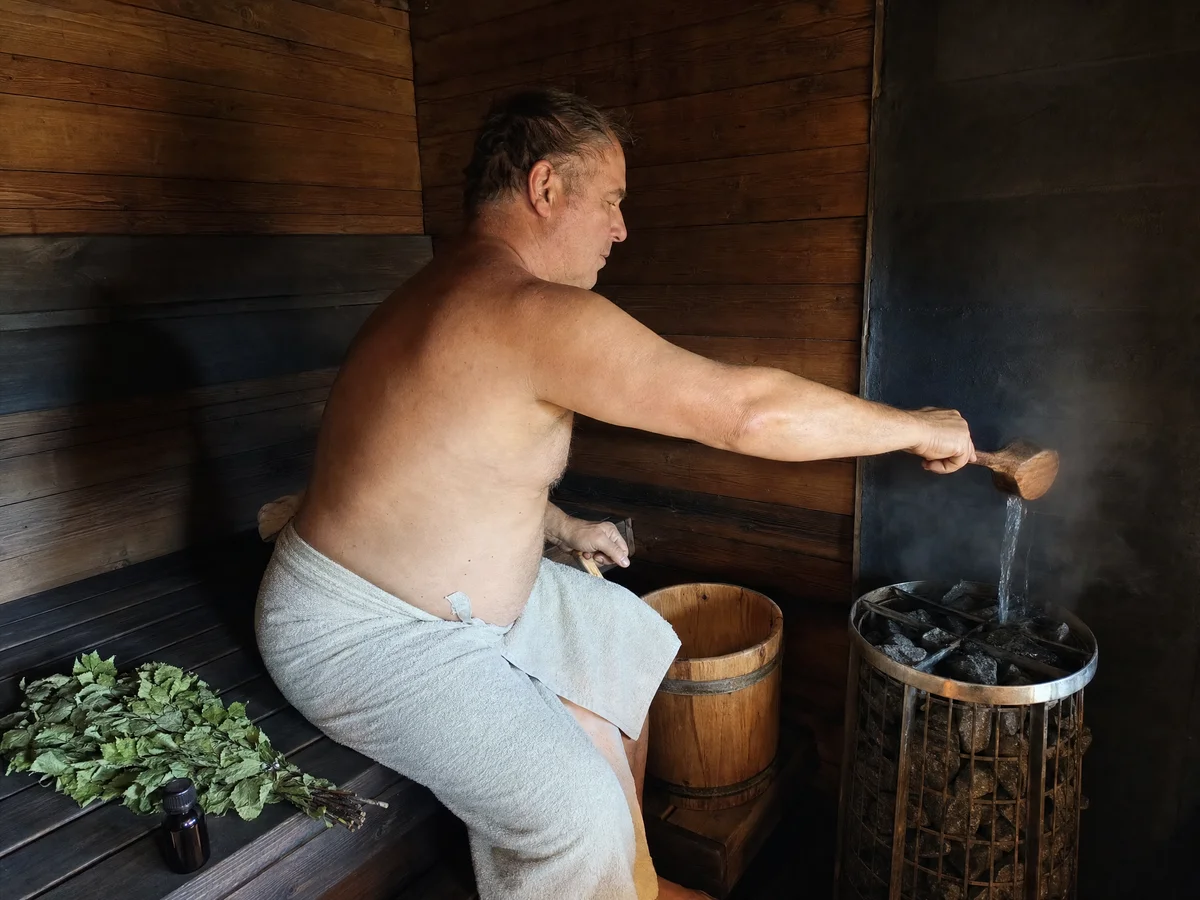
And if any of these apply to you, the sauna question is one for a physician rather than for a scent: pregnancy, high blood pressure, diabetes, heart conditions, or alcohol or dehydration on the day.
Who should skip scented steam
- Households with babies or young children. Cajeput is high in cineole, which makes it unsuitable for babies and young children. Western Australia's health department notes that as little as 2 mL of eucalyptus oil, another cineole-rich oil, can cause significant poisoning in an infant (Healthy WA). See cajeput oil and children.
- Cats and dogs. Read cajeput oil around cats and dogs and ask a veterinarian.
- Asthma, fragrance sensitivity or pregnancy. Ask a physician or midwife first.
- Anyone after a congestion remedy. We sell an aromatic cosmetic oil and make no health claims; a pharmacist or physician is the right person to ask.
A few tidy habits for a scented bathroom
- Keep the bottle out of the bathroom. Steam and warmth do oil no favours, so bring it in for a moment, then return it to a cool, dark cupboard.
- Use a small dish for the pad, so nothing drips onto a shelf or the edge of the bath.
- Dry hands before you open the bottle, and wipe the neck afterwards.
- Open a window or run the fan when you finish, and retire the pad at the end of the day.
Scent the bathroom, not the water or your skin, leave neat oil out of the sauna, and when children, pets or heart conditions are in the picture, find another way to make the room smell good. A clean towel and an open window go a long way.
Cajeput Essential Oil
Cajeput Essential Oil from our own shop, in sizes from 0.5 oz to bulk.
From $10.99
Shop Now →Sources & Further Reading
- CDC, 2011. Nonfatal bathroom injuries among persons aged 15 years and older, United States, 2008. MMWR 60(22). cdc.gov/mmwr/mm6022a1
- Tisserand Institute. Safety guidelines. tisserandinstitute.org/safety-guidelines
- EFSA FEEDAP Panel, 2024. Safety and efficacy of cajuput oil for use in all animal species, EFSA Journal 22(4):e8732. pmc.ncbi.nlm.nih.gov/articles/PMC11004901
- Healthy WA (Government of Western Australia). Essential oils. healthywa.health.wa.gov.au