How to Choose Genuine Cajeput Oil: A Buyer's Checklist
No bottle can prove its own authenticity, ours included. A label is a claim, and a batch report is evidence, and buyers rarely ask for the second. Here is the checklist we would hand a friend before they spent money on any cajeput oil, in the order that tells you the most.
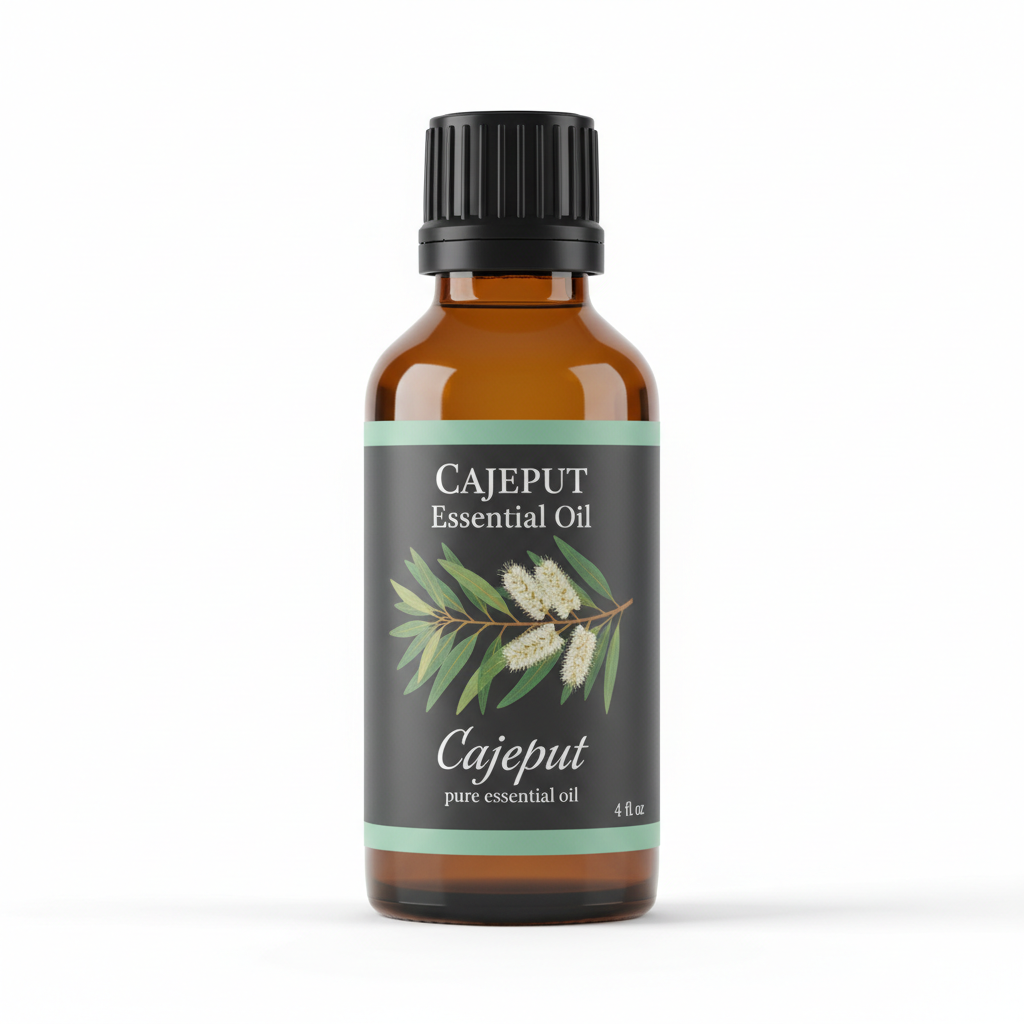
Cajeput Essential Oil
Our own Cajeput Essential Oil, in sizes from 0.5 oz to bulk.
From $10.99
Shop Now →Start with the name, and know what it leaves open
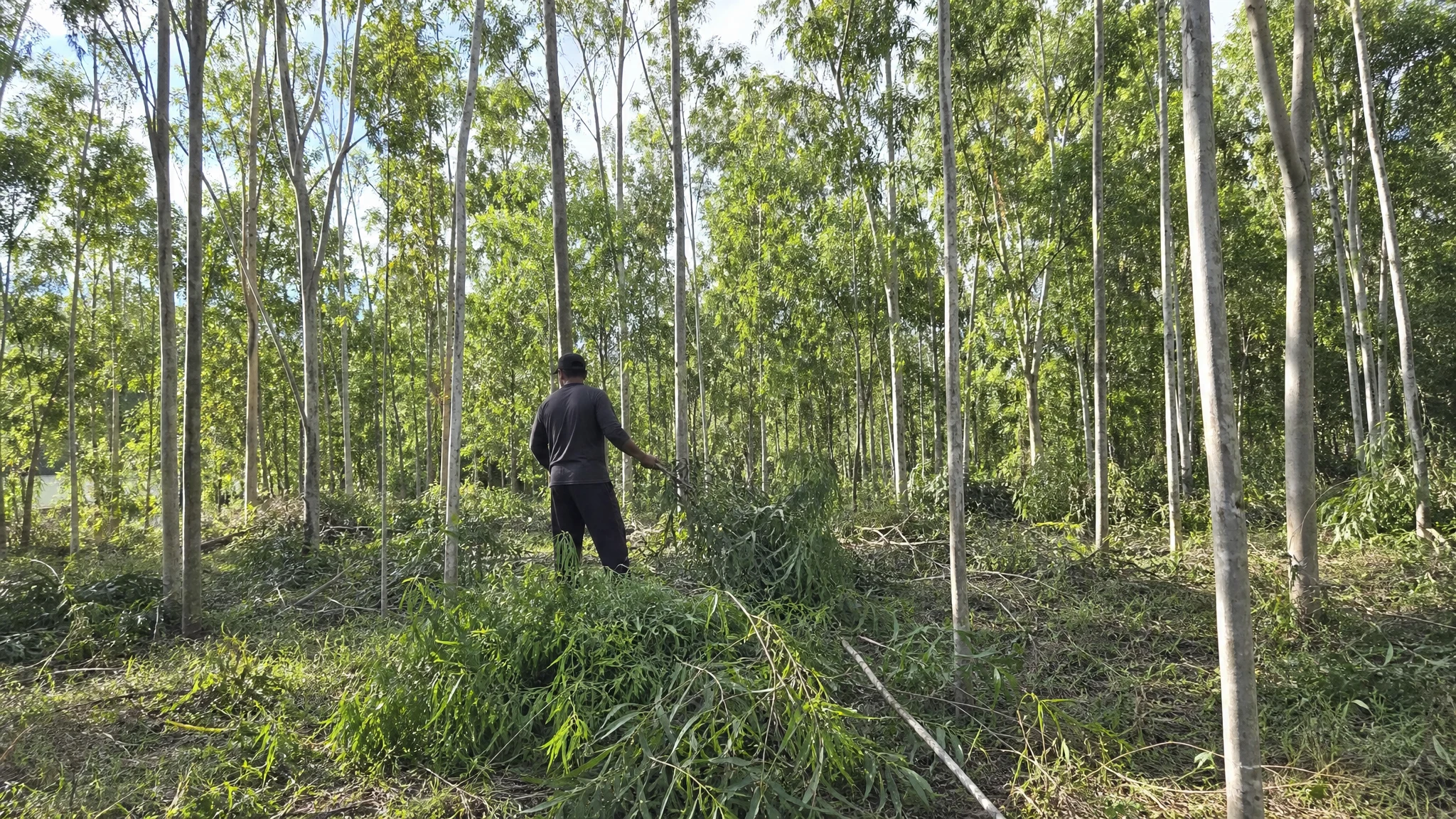
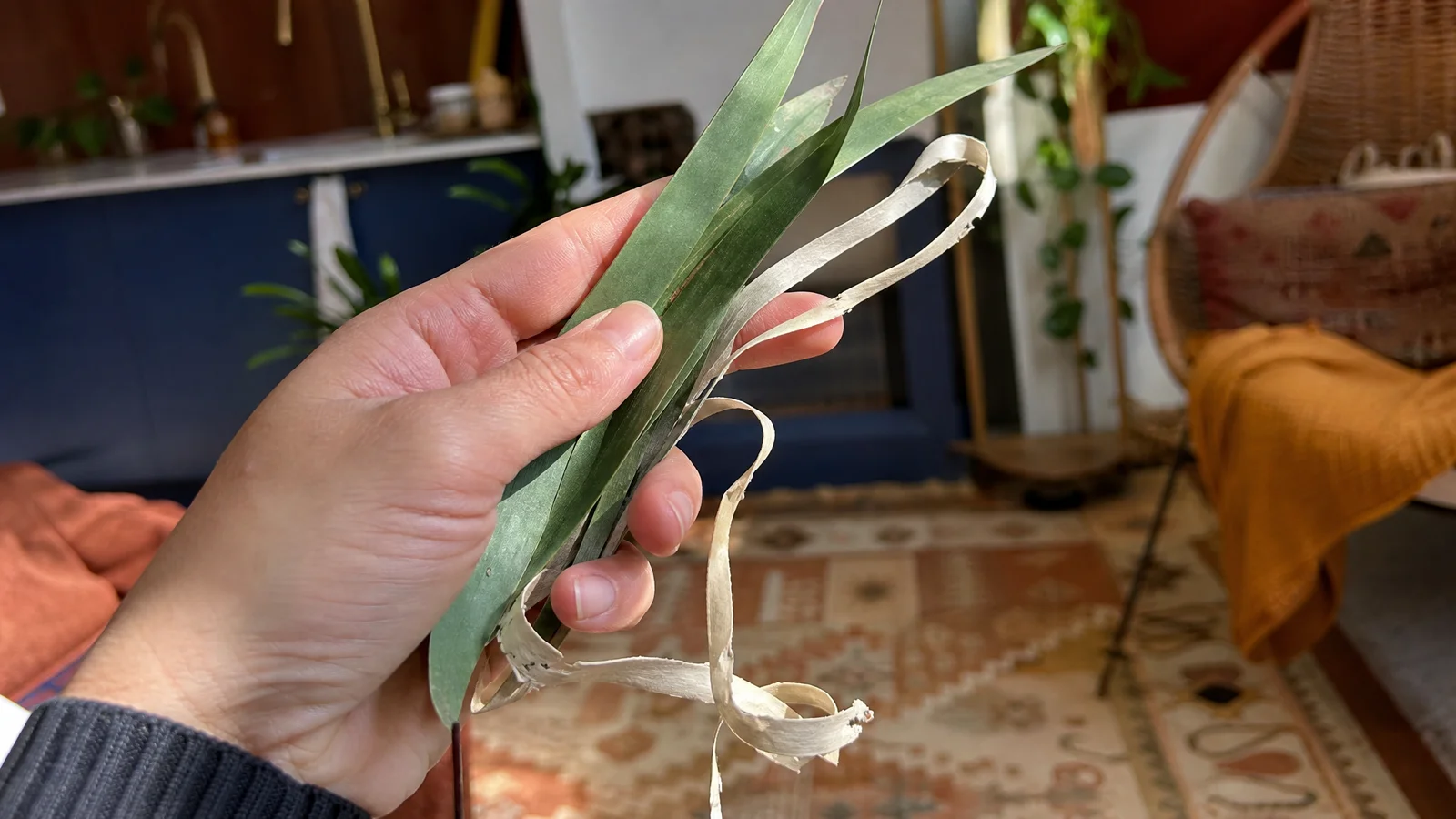
Look for the Latin name, Melaleuca cajuputi, and not only "cajeput" or "cajuput" (both spellings are in trade use, and the Indonesian name is kayu putih, which our kayu putih post untangles). A common name alone leaves the species open. Even the Latin name does not settle everything: the European Food Safety Authority's 2024 opinion on "cajuput oil" covers oil from both M. cajuputi and M. leucadendra, reports that leaves of the two are commonly mixed before distillation, and notes some ambiguity in the term itself. That describes ordinary trade, not fraud, but it means "is it genuine?" is too vague a question. Better ones are: which species, which plant part, what does the lot analysis say, and can I see it before I buy?
If you take away only one thing from this list, let it be that a good seller is happy to be asked. A short, polite email with three questions will tell you a lot, and the way a company answers is itself information.
Then ask for numbers tied to a lot
Cajeput oil is dominated by 1,8-cineole, but the share moves around. EFSA's five commercial batches ranged from about 59% to 63%, a retail oil analysed in a 2023 study measured about 65%, and leaf oil distilled from Tamil Nadu in a 2024 study came in near 53%. A spread like that across unrelated sources is normal, so a single remembered number is a poor test of any bottle. What you want is a figure that comes with a lot number.

The Certificate of Analysis for our current batch (CAJQGAMCAUC001A) names Melaleuca cajuputi, CAS 8008-98-8, steam distilled, leaf, best by 12/31/2028. It reports appearance, aroma, relative density 0.906, refractive index 1.469 and optical rotation +2.32 degrees, and the batch complies against each standard. It does not include a cineole figure or GC/MS data. If you need those for your lot, ask us in writing through the contact page, and wait for the report before formulating around a number.
What the physical numbers can and cannot catch
Density, refractive index and optical rotation are real measurements and worth having. They are also wide windows: our certificate lists density 0.890 to 0.920, refractive index 1.450 to 1.480 and optical rotation from -10 to +10 degrees. Reasoning from that width, an oil can sit inside every window and still differ from another lot in cineole share. So treat them as a screen that confirms you are in the right neighbourhood. Gas chromatography is the tool that shows composition.
Check the dates and the lot number
A bottle should carry a lot number so a report can be matched to it, and a date so you know how old it is. Our labels carry both. On shelf life, we say cajeput typically keeps 2 to 3 years tightly capped in a cool, dark place. EFSA's opinion records a stated shelf life of at least 12 months and notes that the applicant supplied no data for it, and we found no cajeput-specific stability study, so plan on the shorter end if you want to be careful. Our storage guide covers what to do about it.

Know what almost nobody lists
EFSA noted that its dossier contained no data on contaminants such as heavy metals, pesticides or mycotoxins, a gap that is common in retail cajeput listings too. We do not offer pesticide, heavy-metal or allergen data for our oil and make no claim about them. If your product depends on that kind of data, such as a regulated cosmetic, put the request to the supplier in writing and involve a cosmetic chemist or regulatory adviser.
Trust your nose too
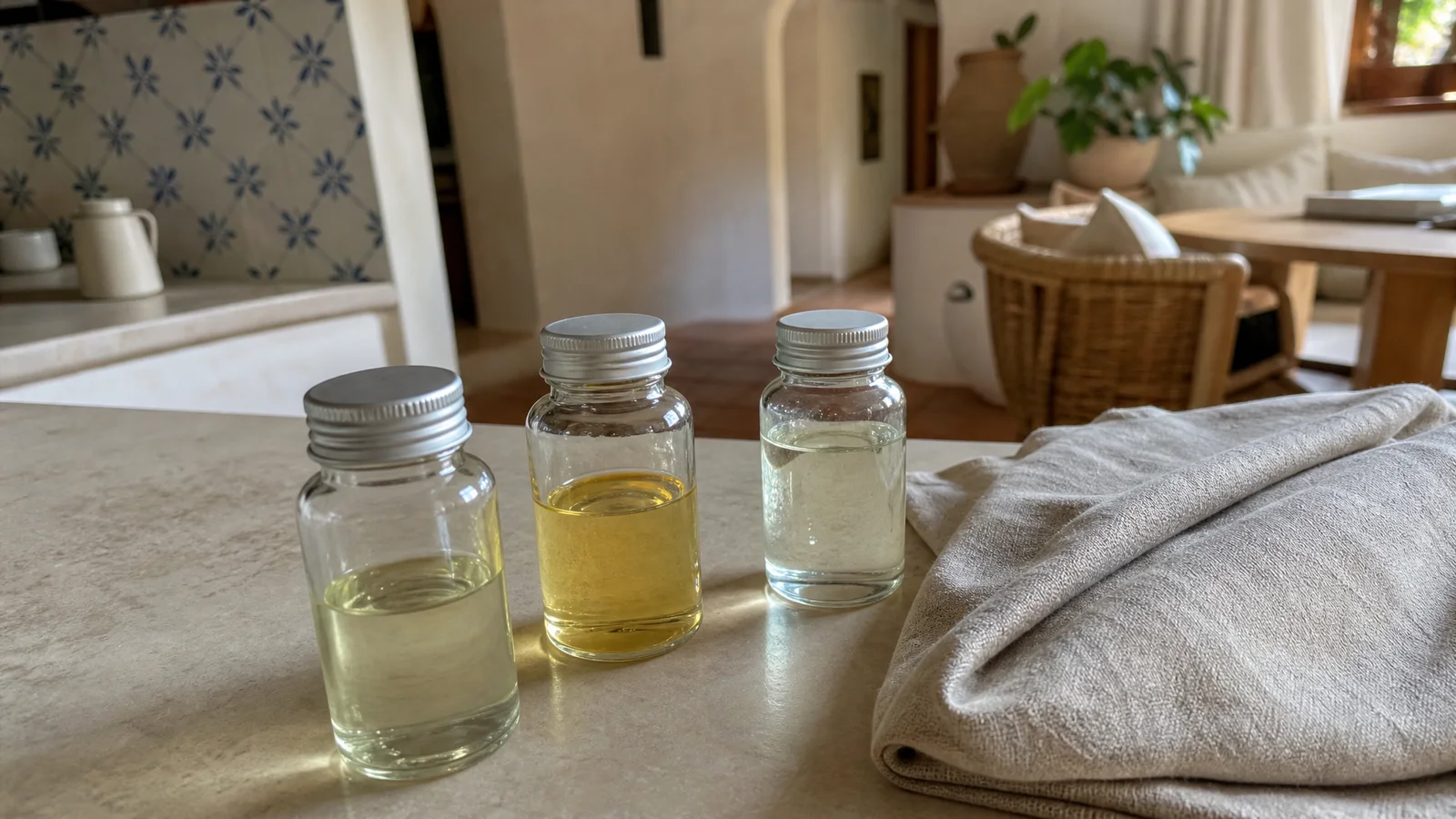
Paperwork matters, but so does your own nose. Put a drop on a paper strip and smell it at arm's length, then closer. Cajeput should smell cool, fresh and a little sweet, with a camphor edge. The colour should be clear to pale yellow. Anything that smells flat, muddy or oddly sour deserves a second look, and a smell that has changed since you first opened the bottle is a good reason to retire it from skin use. Your senses will not replace a lab, but they are a good first alarm.
Price comes last
A price tells you what a seller charges, not what is in the lot. A very low quote is a reason to ask for the lot report, and a high one is not proof of quality. Our post on how cajeput oil is priced shows how to compare quotes by volume.
One safety note belongs on any shopping list: EFSA classes cajuput oil as a skin and eye irritant and a sensitiser, so it is an oil for aromatic and cosmetic use, diluted, and kept from children and pets. Our posts on children and skin go through it.
The short version: species and part named, a lot number you can match to a report, composition figures tied to that lot, a date, and a straight answer about what is not documented. A seller who can do all five is worth more than one with a longer row of badges.
Cajeput Essential Oil
Cajeput Essential Oil from our own shop, in sizes from 0.5 oz to bulk.
From $10.99
Shop Now →Sources & Further Reading
- EFSA FEEDAP Panel, 2024. Safety and efficacy of a feed additive consisting of an essential oil derived from fresh leaves of Melaleuca cajuputi and Melaleuca leucadendra (cajuput oil). EFSA Journal. PMC11004901
- Vázquez A, Tabanca N, Kendra PE, 2023. HPTLC analysis and chemical composition of selected Melaleuca essential oils. Molecules. PMC10180325
- Vivekanandhan P et al., 2024. Biocontrol efficacy of cajeput oil against Anopheles stephensi. Front Physiol. PMC10941012