Cajeput vs Tea Tree Oil: How Two Melaleuca Oils Differ
Cajeput and tea tree are cousins. Both are Melaleuca oils, both come from leaves, and both turn up on the same supplier lists, so it is easy to assume one can stand in for the other. Put them side by side and you will find two quite different personalities: one cool, bright and a little fruity, the other sharper, greener and more medicinal.
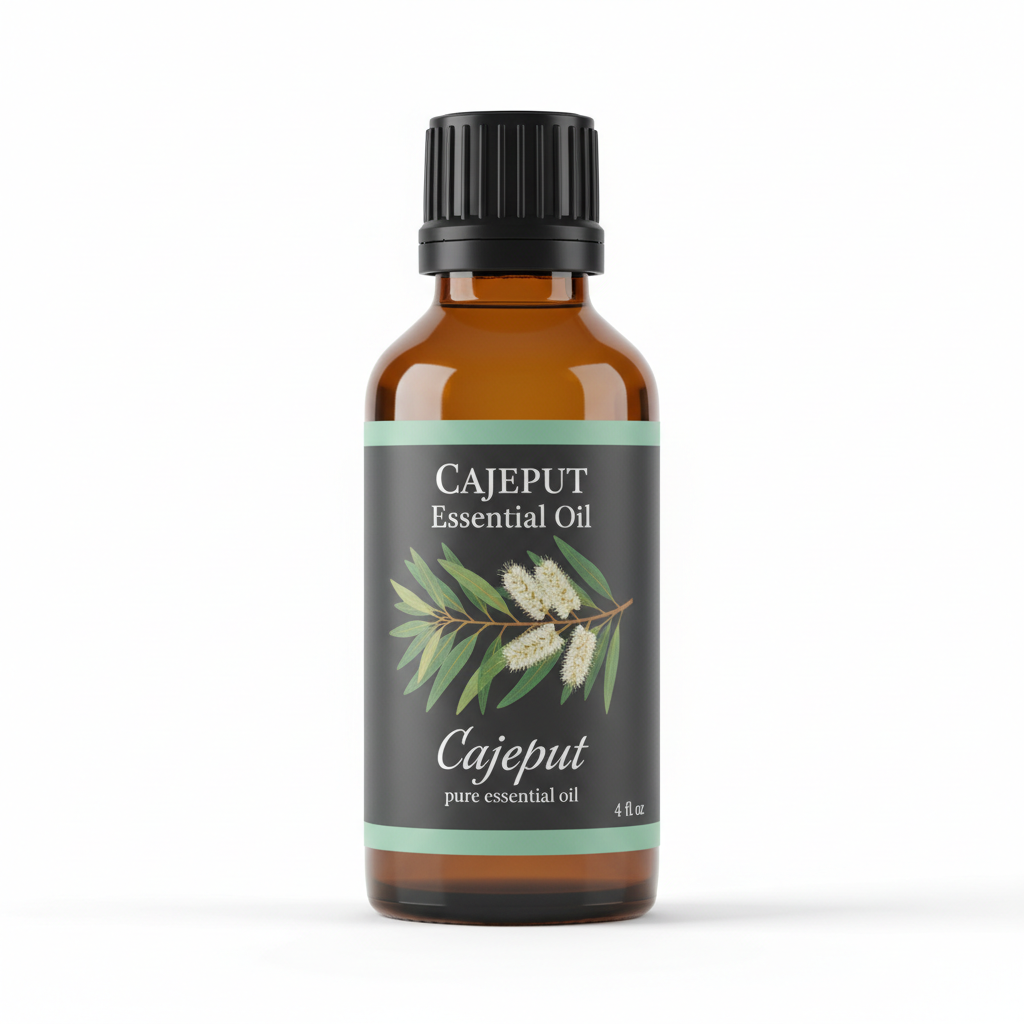
Cajeput Essential Oil
Our own Cajeput Essential Oil, in sizes from 0.5 oz to bulk.
From $10.99
Shop Now →Same genus, different dominant molecule
Being in the same genus tells you the trees are related, not that their oils match. A 2023 study ran GC-MS on eleven retail Melaleuca oils and gave a clear picture of the split. The cajuput bottle was nearly two-thirds 1,8-cineole (also called eucalyptol), the same cool-smelling compound that gives eucalyptus its character. The seven tea tree bottles held only a few percent of it; they were led instead by terpinen-4-ol, at roughly 38% to 44% (Vazquez, Tabanca and Kendra, 2023). Each figure is one bottle, so read them as a snapshot, not a standard. A separate analysis of cajuput leaf oil from India found cineole at about 52%, which is lower but still far above anything in the tea tree column (Vivekanandhan et al., 2024).
What does that mean for your nose? Matching a chemistry table to a smell is reasoning rather than measurement, but an oil built around cineole should read as cool and crisp, and that fits how we describe our cajeput: fresh, cool and fruity-camphorous, with a crisp top-note lift. Tea tree sits in a different corner of the scent map. The practical upshot is that swapping one for the other will change a blend rather than just tweak it.
Read the label, not just the family name
Both oils are sold by common name, so the Latin name is your first check. Tea tree should say Melaleuca alternifolia; cajeput should say Melaleuca cajuputi. The Certificate of Analysis we publish for one batch of our cajeput names Melaleuca cajuputi, CAS 8008-98-8, steam distilled, and lists density, refractive index and optical rotation. If you need a full composition report, GC-MS and cineole included, ask us in writing through the contact page before you order. Our cajeput in the shop comes in several sizes, larger amounts are on our bulk page, and our guide to buying cajeput in bulk covers what to check first.
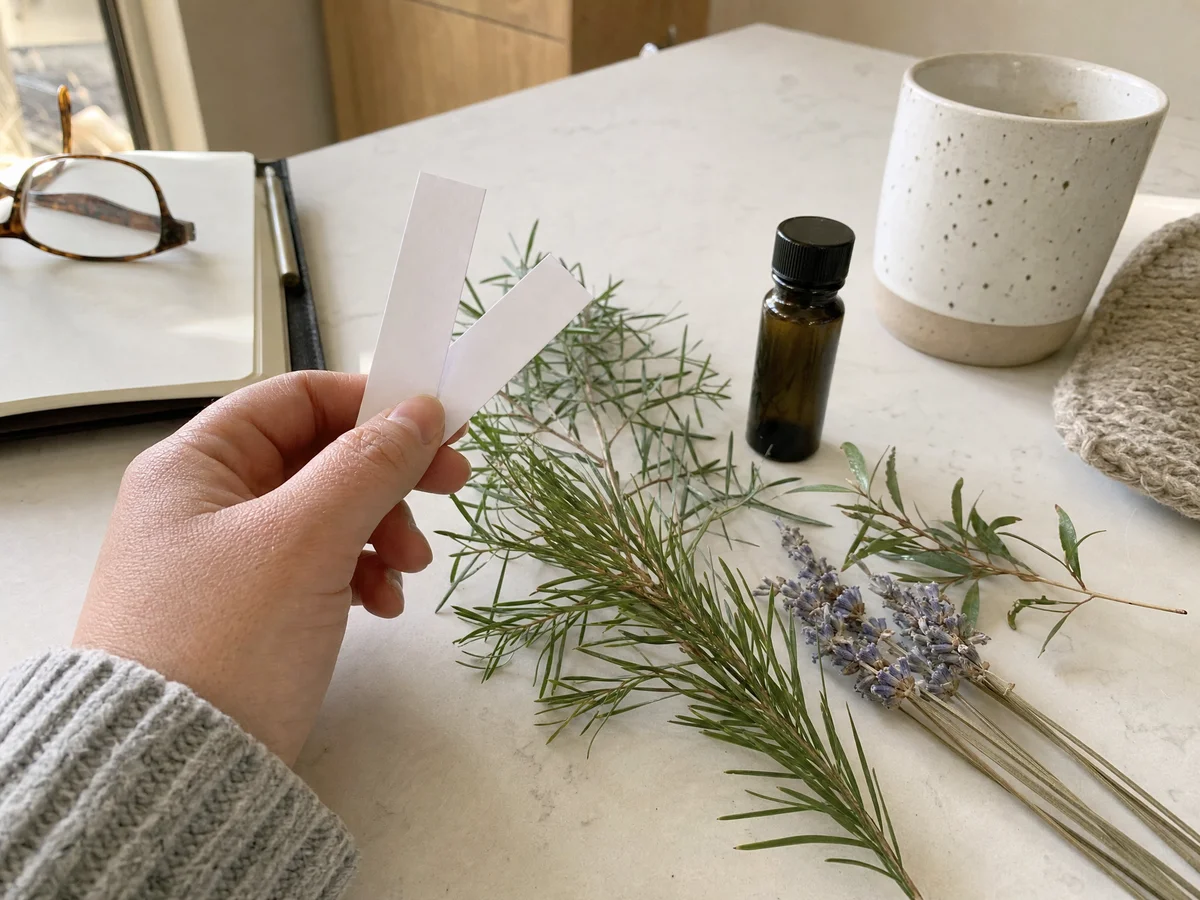
Whichever oil you buy, look for the plant part, the country and a lot-specific analysis. In the study above the seven tea tree bottles varied by several percentage points in their main compound, which is a good reminder that even a well-named oil is not a fixed recipe.
Two bottles on one shelf
If you keep both oils, give them clear labels and separate places. Two amber bottles look alike, and a bottle grabbed in a hurry is the easiest way to end up with the wrong scent in a batch. Never swap caps or droppers between them, since each one carries a film of the oil it last touched. A strip of tape with the name, the Latin name and the date you opened it takes a few seconds and saves a muddle later.
Keeping both fresh
Tea tree has a particularly well-documented history with skin: a review of the literature notes it has been behind more published allergic reactions than any other essential oil since 1991, mostly after use of the neat oil, and that oxidised (aged, air-exposed) oil is more potent than fresh (de Groot and Schmidt, 2016). That review is about tea tree, not cajeput, but both are terpene-rich oils that change with air, so the same habits suit both: keep the bottle tightly capped, cool and dark, and dilute before it touches skin. Our guidance for cajeput is 0.5% to 2% in a carrier oil with a patch test first, and our dilution guide and skin post walk through it.
Cajeput is also high in cineole, which is why we advise keeping it away from babies and young children (more here), and from pets. Tea tree needs the same care. For health questions, ask a pharmacist or physician; we sell an external cosmetic oil.
Smelling them side by side
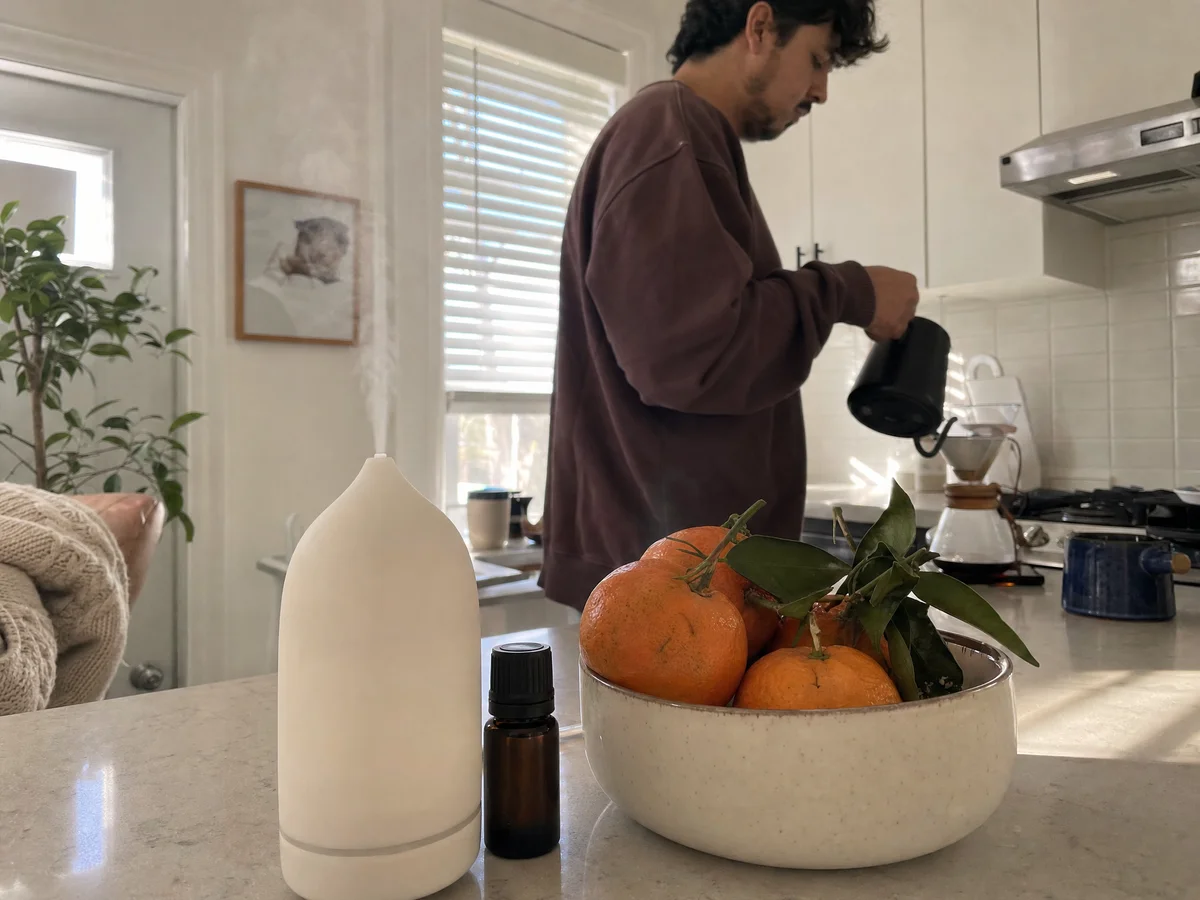
Put a drop of each on its own paper strip and smell them at arm's length. Cajeput gives you the cool, bright opening with a bit of sweetness following it. Tea tree usually reads sharper and greener, more like a freshly crushed leaf. Come back after ten minutes and notice what has faded and what stays. You will learn more about which one suits your project in that short sniff than from any chart.
Which one for which job
- A cool, bright top note for a room spray or diffuser blend: cajeput. If you are weighing it against eucalyptus too, our cajeput versus eucalyptus comparison covers it.
- The sharper, terpinen-4-ol note of tea tree: that is a different oil, and we do not sell it. Choose a supplier that shows a lot report.
- Both in the same blend: tea tree is not among the partners we list for cajeput, so treat any combination as an experiment for a small strip, not a bottle.
Think of them as two members of one family who happen to like different music, and you will choose well between them.
Cajeput Essential Oil
Cajeput Essential Oil from our own shop, in sizes from 0.5 oz to bulk.
From $10.99
Shop Now →