What Is Cajeput Oil? Origins, Scent and Uses
Cajeput oil comes from the leaves of paperbark trees in the genus Melaleuca, steam-distilled into a thin, watery oil that smells cool, bright and a little fruity. It is a lovely thing to have on the shelf. It is also an oil whose name on the bottle says less than you would expect, so a little background goes a long way.
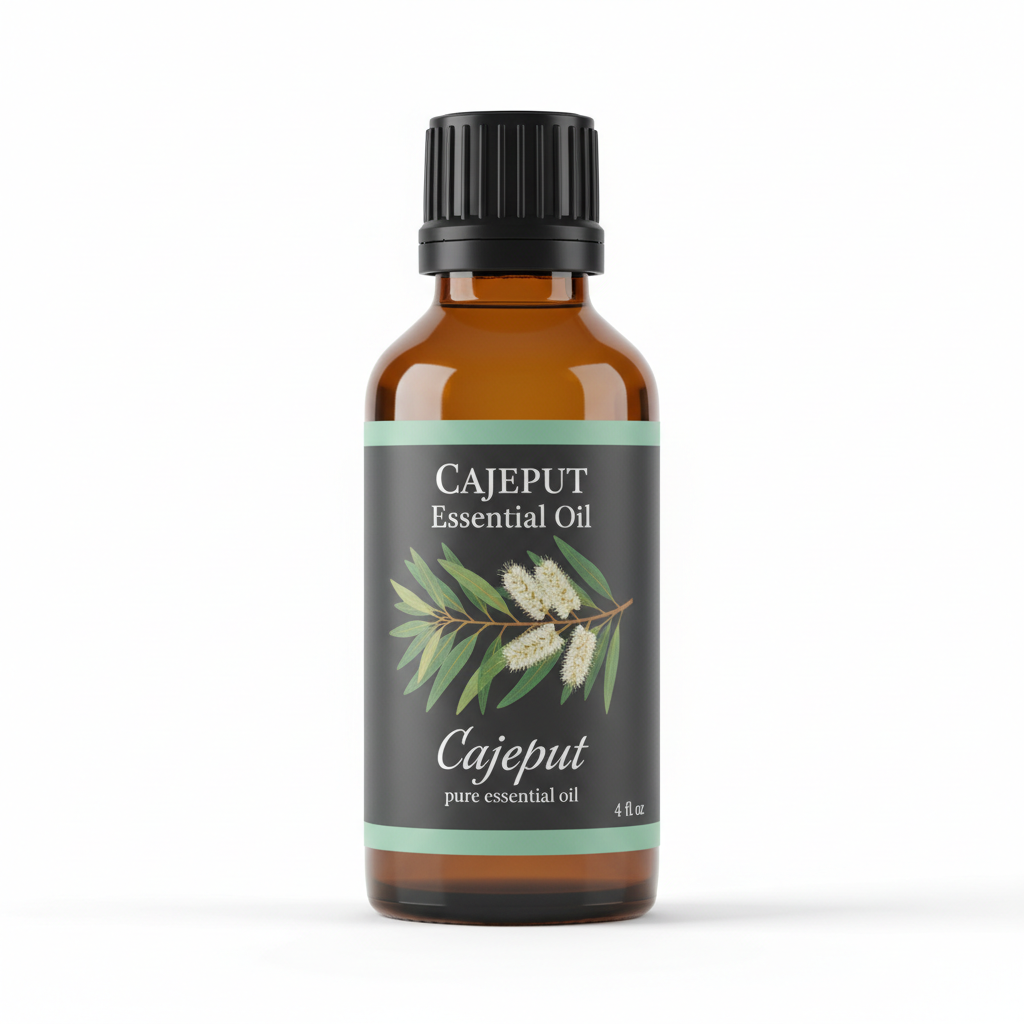
Cajeput Essential Oil
Our own Cajeput Essential Oil, in sizes from 0.5 oz to bulk.
From $10.99
Shop Now →A trade name, not a specification
"Cajuput oil" is a name used in trade, not a chemical formula. The 2024 European Food Safety Authority opinion on the oil covers leaves of two species, Melaleuca cajuputi and Melaleuca leucadendra, treated together under one name. Five batches analysed for that opinion averaged about 61% 1,8-cineole (the cool, eucalyptus-like compound at the heart of the scent), with a proposed specification of 50% to 70% (EFSA FEEDAP Panel, 2024). Those are results from a feed-additive dossier, not a statement about every bottle, and not about ours.
The takeaway is simple and handy: whatever you buy, ask which species, which plant part, and what the lot analysis shows.
What we sell
We sell one cajeput oil: Melaleuca cajuputi, steam-distilled, sold neat with no additives or fillers, for aromatic and cosmetic use only. Our shop names Indonesia as the origin and describes the aroma as fresh, cool and fruity-camphorous, a top note brighter and sweeter than many leaf oils. The Certificate of Analysis we publish for one batch (CAJQGAMCAUC001A) lists appearance, smell, relative density at 20 C (0.906), refractive index (1.469) and optical rotation (+2.32 degrees). Those are consistency checks, handy for ruling out gross problems, though they cannot by themselves tell you the cineole share. If you want a composition report for your lot, ask us in writing through the contact page.
Minyak kayu putih is not always cajeput
In Indonesia the same plant gives a household product called minyak kayu putih, and the bottle labelled that way is not always the oil alone. A 2026 study found that finished cajuput oil products sold in Indonesia did not meet the national standard (SNI 3954:2014) even when marketed as 100% cajuput, and that the products examined appeared to be mixtures that included eucalyptus, anise and turpentine oils (Tjengal et al., 2026). The abstract does not say how many products or which brands, so it is a signal about a market, not a verdict on any bottle.
One thing worth noticing is the supply picture: a 2021 paper put national production near 650 tonnes a year against domestic demand above 3,500 tonnes (Rimbawanto et al., 2021). The authors do not say that gap causes blending, so treat that link as our inference. Our post on minyak kayu putih versus cajeput essential oil covers how to read those labels.
The tree behind it
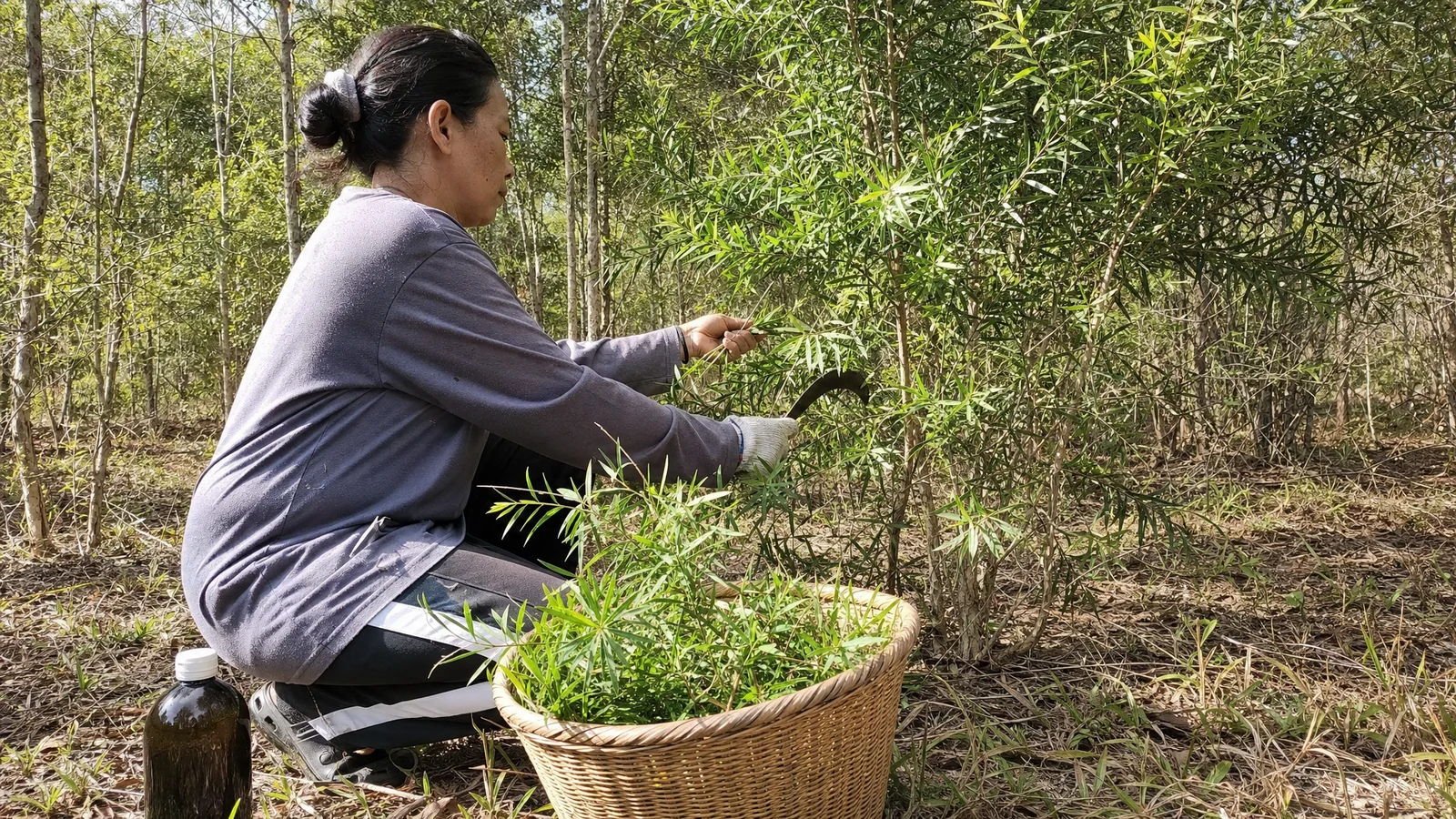
The subspecies M. cajuputi subsp. cajuputi occurs naturally on Buru, Seram and Ambon and is also cultivated in Java; its leaves are what gets harvested (Rimbawanto et al., 2021). It is a handsome tree with layered, papery bark, and we tell its story in the paperbark behind cajeput oil.
How it smells and what it is for
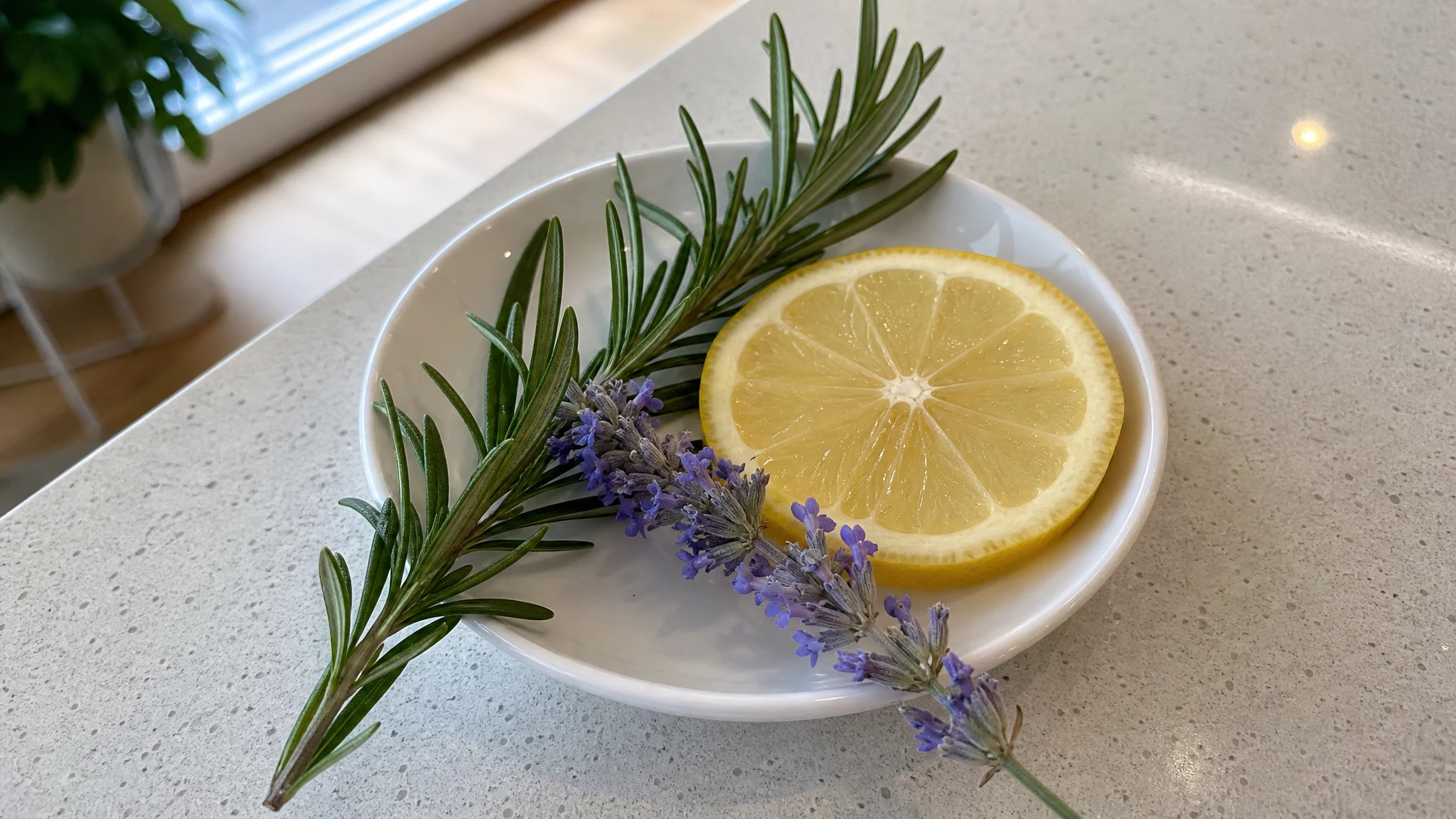
The smell standard on our certificate reads "Sweet, Sharp, Fresh", which is a fair three-word summary. In practice that makes cajeput a room-scent and perfumery ingredient: diffuser blends, sprays, soap and candle fragrance, and diluted massage and bath blends. The listed partners are eucalyptus, pine, lavender, citrus, rosemary and peppermint. Our uses guide goes through each one.
Why we love it
What draws us to cajeput is how much character it has for such a plain-looking oil. It is thin and watery in the bottle, but it opens with a cool, bright lift and then turns a little sweet. It is not a loud oil in a blend, and it does not need to be. A little cajeput gives a room, a spray or a cologne bar a clean top note, and it plays nicely with citrus, lavender, pine and rosemary.
Getting started
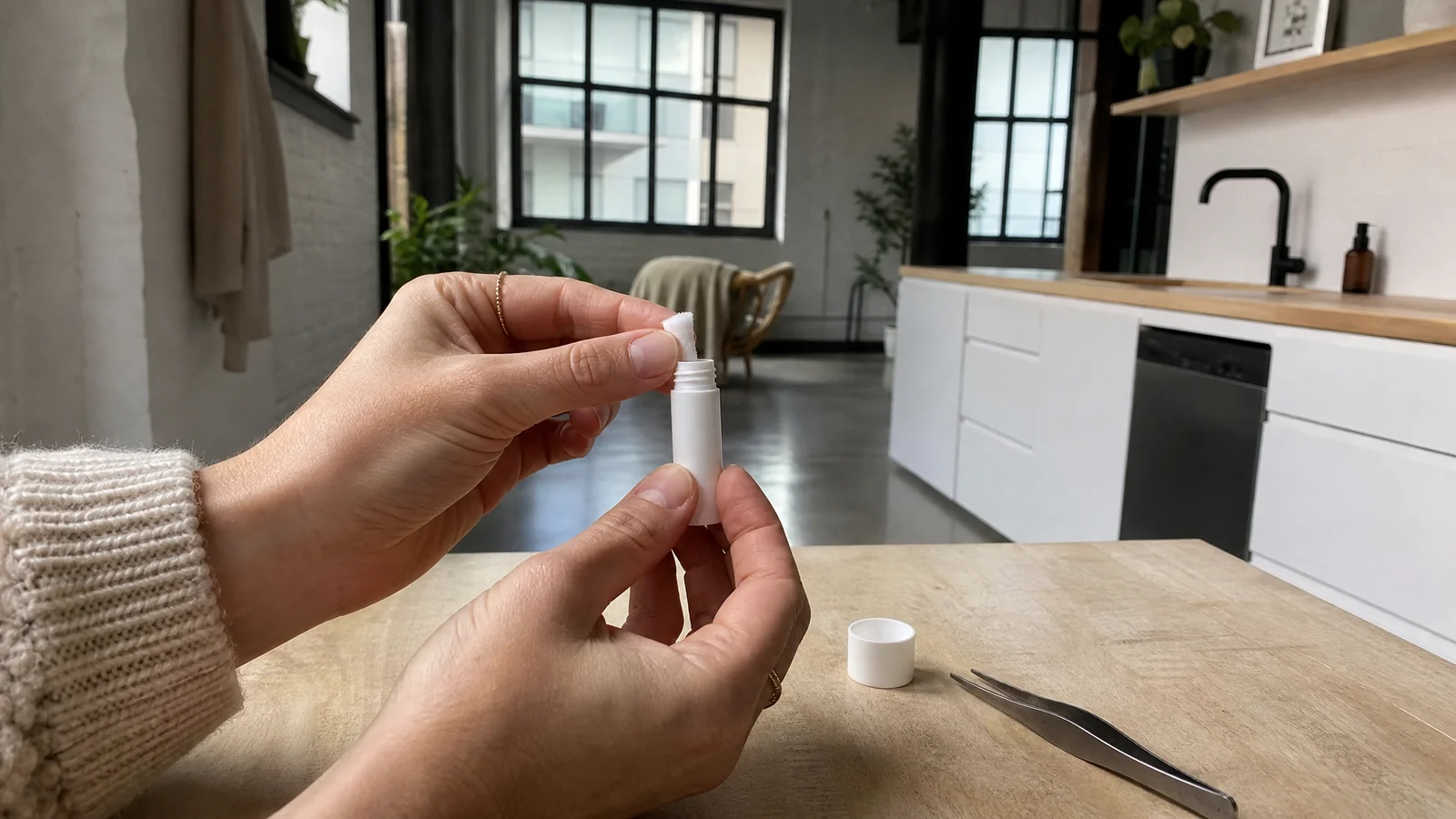
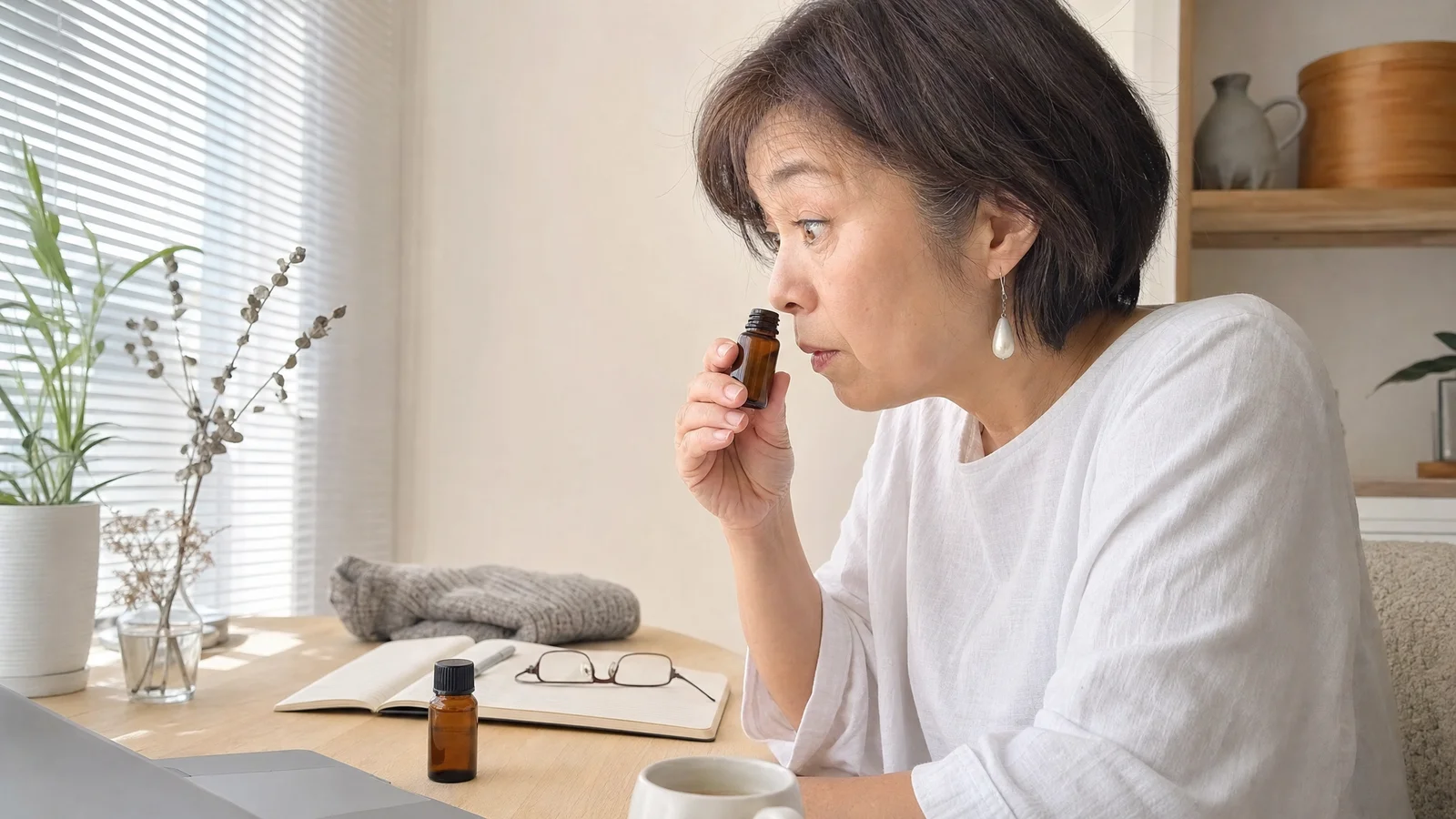
If you are new to it, keep it simple. Smell a drop on a paper strip first, at arm's length. Then try a very small amount in a diffuser, with the windows open and a short run, and see how it feels in your own house. Write the date on the bottle and keep it in a cool, dark cupboard. After that, you can think about blends, sprays and diluted skin products, one step at a time.
A few sensible limits
- Not for swallowing. ANSES, France's food-safety agency, said data on 1,8-cineole in niaouli and cajeput oils are too thin to set a safe exposure dose, and recommended against oral use of cineole-rich cajeput and niaouli oils in children under 30 months and anyone with a history of epilepsy or febrile seizures (ANSES, 2020). If someone has swallowed oil, call your poison centre.
- Babies, young children and pets. Cajeput is high in cineole, so we advise keeping it away from them; see cajeput and children.
- Skin. We recommend 0.5% to 2% in a carrier oil with a patch test first, and our dilution guide shows the arithmetic.
- Health questions. We sell an external cosmetic oil and make no health claims for it; a physician or pharmacist is the right person to ask.
Know the species, check the lot, start with a small bottle and a paper strip, and cajeput will tell you the rest.
Cajeput Essential Oil
Cajeput Essential Oil from our own shop, in sizes from 0.5 oz to bulk.
From $10.99
Shop Now →