Cajeput Substitutes: What to Use When You Run Out
There is no true twin for cajeput, and the oil most people name first, tea tree, is one of the poorest matches. The good news is that you rarely need a twin. You need to work out which part of cajeput your project was leaning on, which is usually that cool, cineole-led top note, and then pick the oil that carries it.
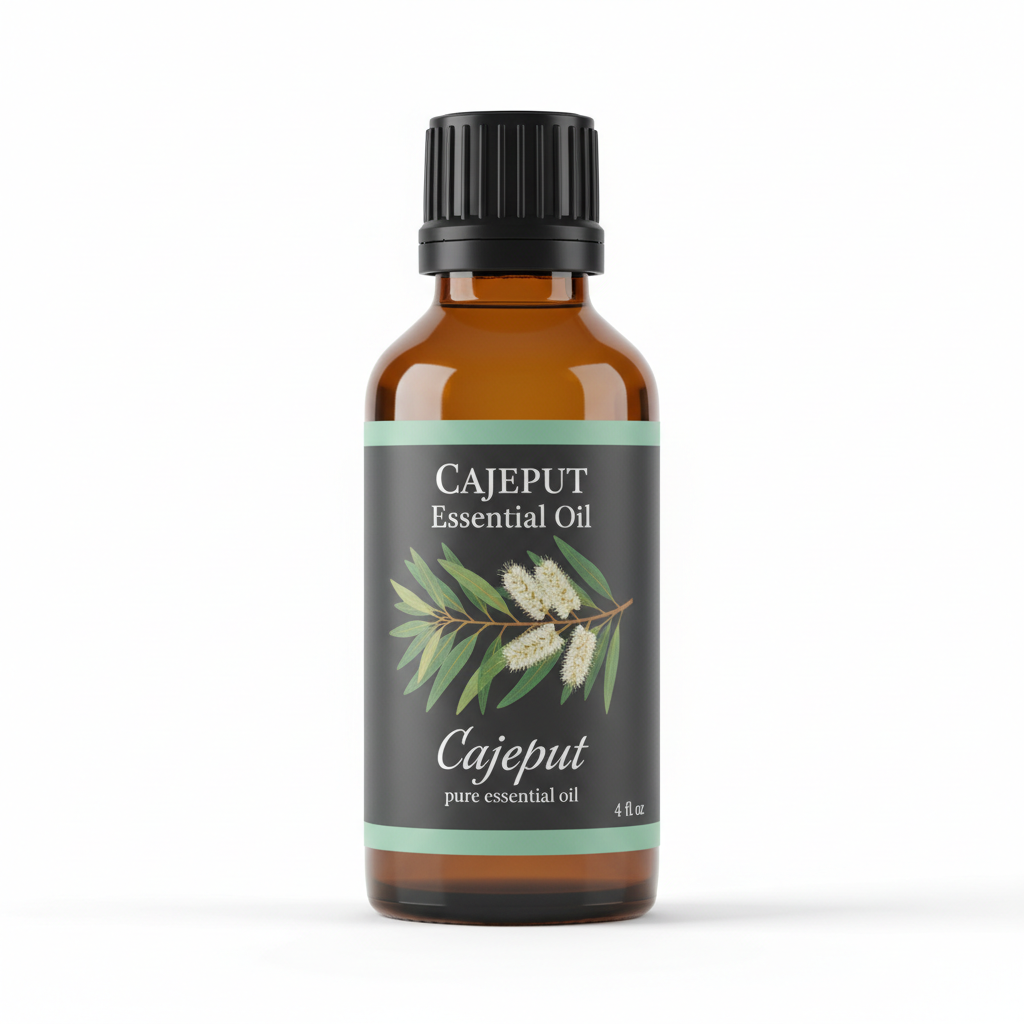
Cajeput Essential Oil
Our own Cajeput Essential Oil, in sizes from 0.5 oz to bulk.
From $10.99
Shop Now →First, what was cajeput doing?
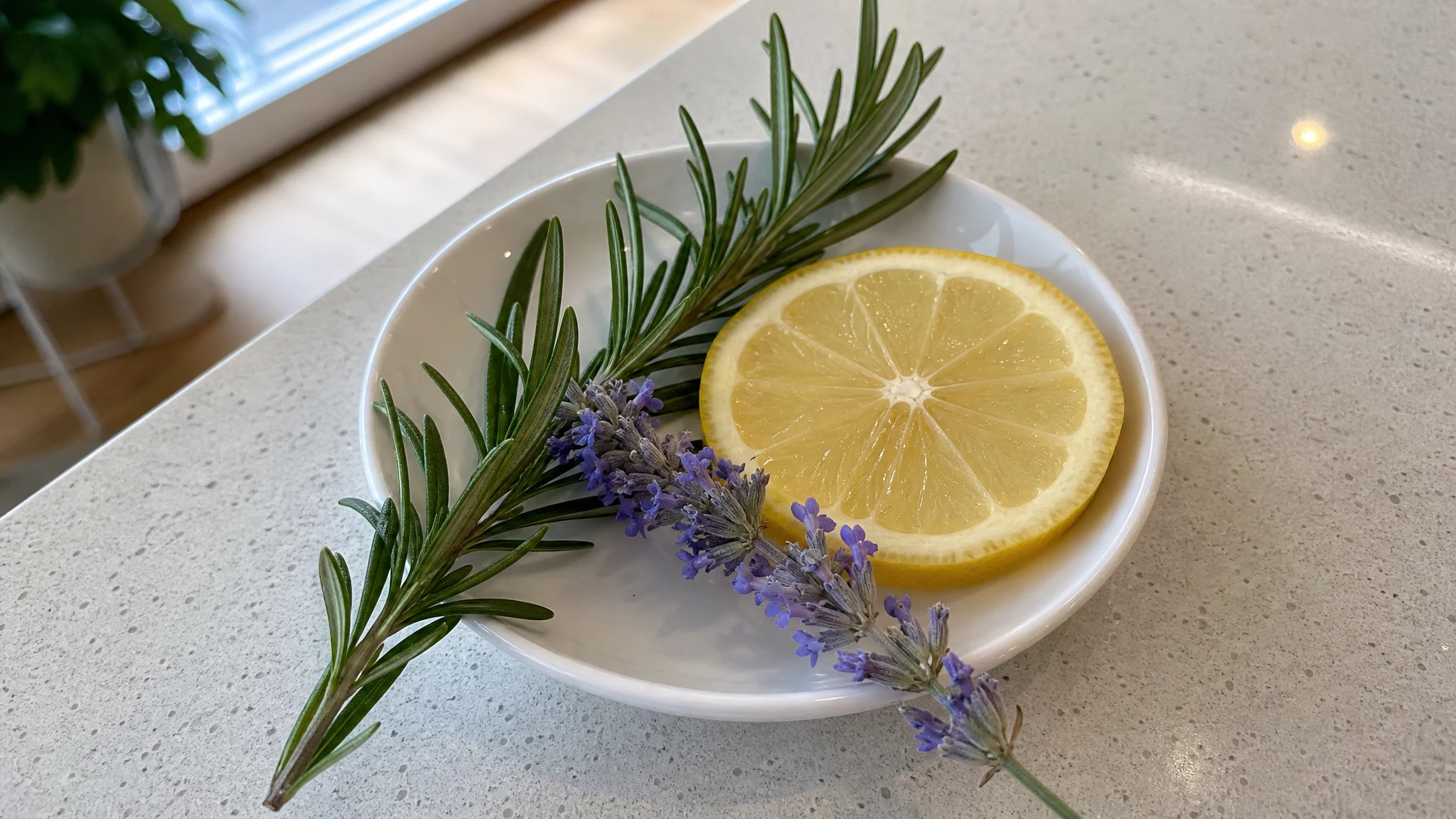
We describe our cajeput as fresh, cool and fruity-camphorous, a top note, and we list eucalyptus, pine, lavender, citrus, rosemary and peppermint as oils that blend well with it. If it was the cool lift at the top of a diffuser blend or room spray, you want another cineole-led oil. If it was the fruity edge, no single oil replaces it and the blend may need rebalancing. If you were reaching for it for a health reason, that is a question for a pharmacist or physician: we sell cajeput as an aromatic and cosmetic oil only.
Smell before you swap
Before you change anything in a finished blend, put a drop of cajeput and a drop of your candidate on separate paper strips. Smell them straight away, then again after ten minutes. Notice which one is sharper at the start and which one leaves a rounder, sweeter trail. Cajeput's little fruity edge is the part most stand-ins lack, so it helps to know how much you will miss it. If you have a notebook, write down the original blend next to what you changed.
What the candidates are made of
The molecule to match is 1,8-cineole. Analysed cajeput samples sit around 52% to 65%. In a 2016 review of eucalyptus oils, E. globulus, the major commercial source of cineole, regularly passes 80%, though the same review shows leaf oils across species running from about 17% to 90%. Cineole-type niaouli looked similar to cajeput in a 2023 analysis (about 52%), while a niaouli of the nerolina type had almost none and was dominated by other compounds. Seven tea tree oils in the same study held 1% to 5% cineole and were led by terpinen-4-ol. These are single samples, so read them as direction and not specification.
Picking by the job
- Closest by main molecule: a high-cineole eucalyptus. Ask for the species and a lot analysis, because "eucalyptus" covers a very wide range. It should read as a straighter cineole note, and our eucalyptus comparison shows how to read that label.
- Same family, rounder: cineole-type niaouli. Check the chemotype, since the wrong niaouli is nothing like cajeput. Our niaouli comparison explains why.
- Rosemary. A cineole-type rosemary fits a blend, but rosemary also comes in camphor-rich and verbenone chemotypes, so the label needs to say which. See our rosemary comparison.
- Camphor tree oil. A large 2023 study of 974 trees found six chemotypes, one of them eucalyptol-led and another camphor-led. Only the first behaves like cajeput in scent, and you would need an analysis to know which one is in the bottle.
- Tea tree. Not a stand-in for a cineole note. It is a different oil with a long contact-allergy record (de Groot and Schmidt, 2016), covered in our tea tree comparison.
Reset the numbers when you swap
Any percentage or drop count you were using was set for cajeput. Our dilution guidance for cajeput is 0.5% to 2% in a carrier with a patch test first, and it belongs to cajeput alone. For a different oil, take the numbers from that oil's own supplier data, and for skin or formulation questions, from a qualified aromatherapist or cosmetic chemist. A camphor-rich oil deserves particular care around small children: a 2004 emergency-medicine review reported that as little as 500 mg of camphor has been linked to death in a child, which is why we would not treat it as a casual swap. Keep every oil of this kind out of reach, and see our swallowed oil post if a child or pet gets into a bottle.

Swap gently
A different oil can be louder or quieter than the one you are replacing, so do not trade it drop for drop. Start with about half of what the recipe asked for, smell, and add one drop at a time. It is far easier to add a little more than to take it back out of a finished spray or diffuser reservoir.
Three quick scenarios
A room spray calls for cajeput and you have eucalyptus: fine if it is a high-cineole species and you can see the analysis. Make a small batch, let it dry on a card, and expect a straighter note. Spray bases and preservatives come from a cosmetic-supplies seller, since we sell the oil only.
A blend calls for cajeput and you only have tea tree: leave it. The main molecule is different, and so is the allergy record.
A recipe says "niaouli or cajeput": it may be right if the niaouli is the cineole type and wrong if it is the nerolina type. The species and chemotype on the label settle it.
If you are only short mid-project, waiting a few days for cajeput may beat reworking a blend. Orders ship in 1 to 2 business days, and sample bottles are available. Whichever way you go, a stand-in works best when you know exactly which note it has to deliver.
Cajeput Essential Oil
Cajeput Essential Oil from our own shop, in sizes from 0.5 oz to bulk.
From $10.99
Shop Now →Sources & Further Reading
- Vázquez A, Tabanca N, Kendra PE, 2023. HPTLC analysis and chemical composition of selected Melaleuca essential oils. Molecules. PMC10180325
- Vivekanandhan P et al., 2024. Biocontrol efficacy of cajeput oil against Anopheles stephensi. Front Physiol. PMC10941012
- Barbosa LC, Filomeno CA, Teixeira RR, 2016. Chemical variability and biological activities of Eucalyptus spp. essential oils. Molecules. PMC6273930
- Zhang T et al., 2023. Chemical variation and environmental influence on essential oil of Cinnamomum camphora. Molecules. PubMed 36770639
- Love JN, Sammon M, Smereck J, 2004. Are one or two dangerous? Camphor exposure in toddlers. J Emerg Med. PubMed 15219304
- de Groot AC, Schmidt E, 2016. Tea tree oil: contact allergy and chemical composition. Contact Dermatitis. PubMed 27173437