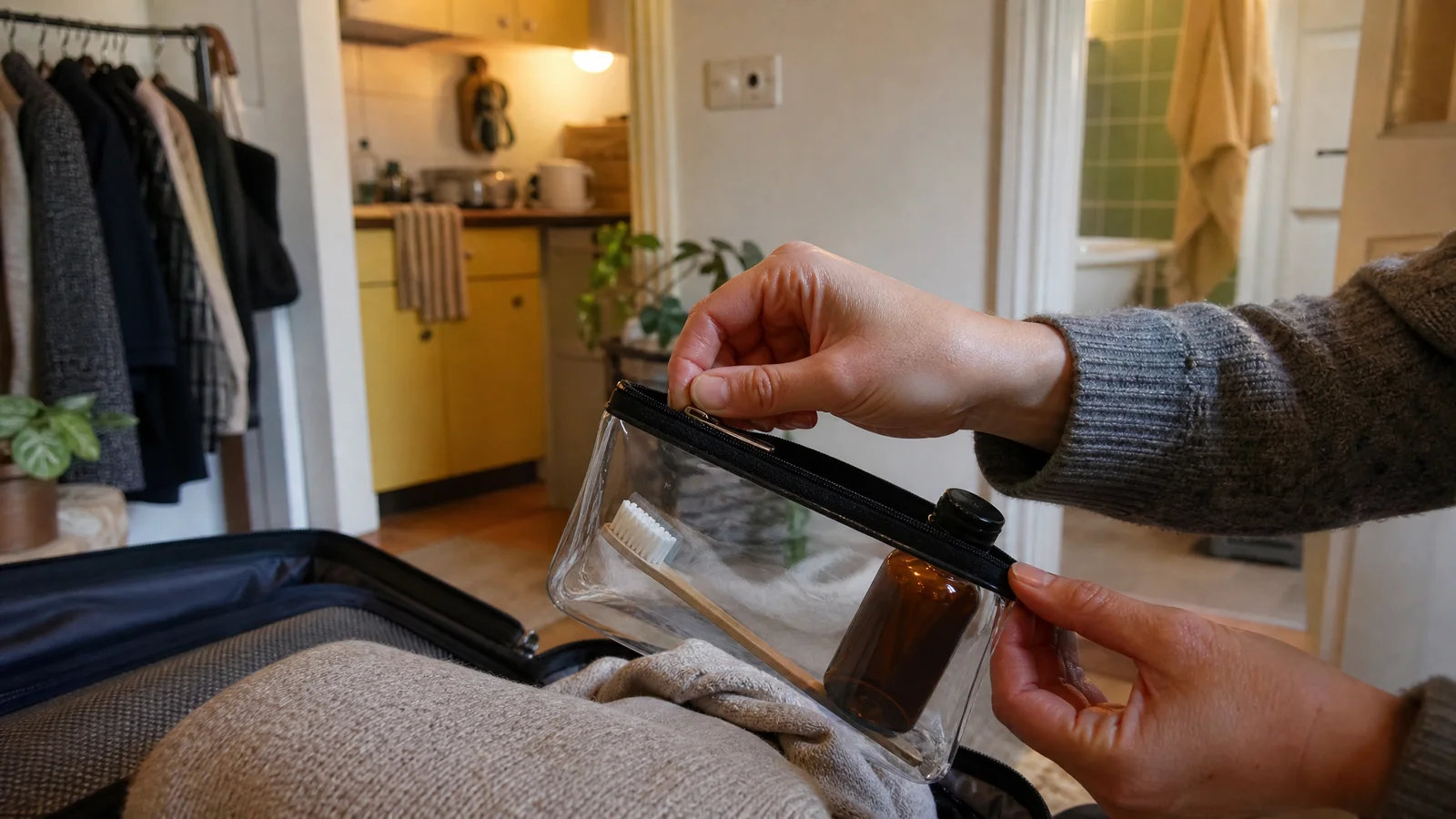
Can You Fly With Cajeput Oil? Packing Tips
Most travellers worry about the security line, but the bottle usually causes more trouble than the checkpoint does. A small bottle of cajeput oil is welcome in a US carry-on, and the thing that goes wrong is a slow seep once the cabin pressure drops. Both are easy to handle once you know how they work.
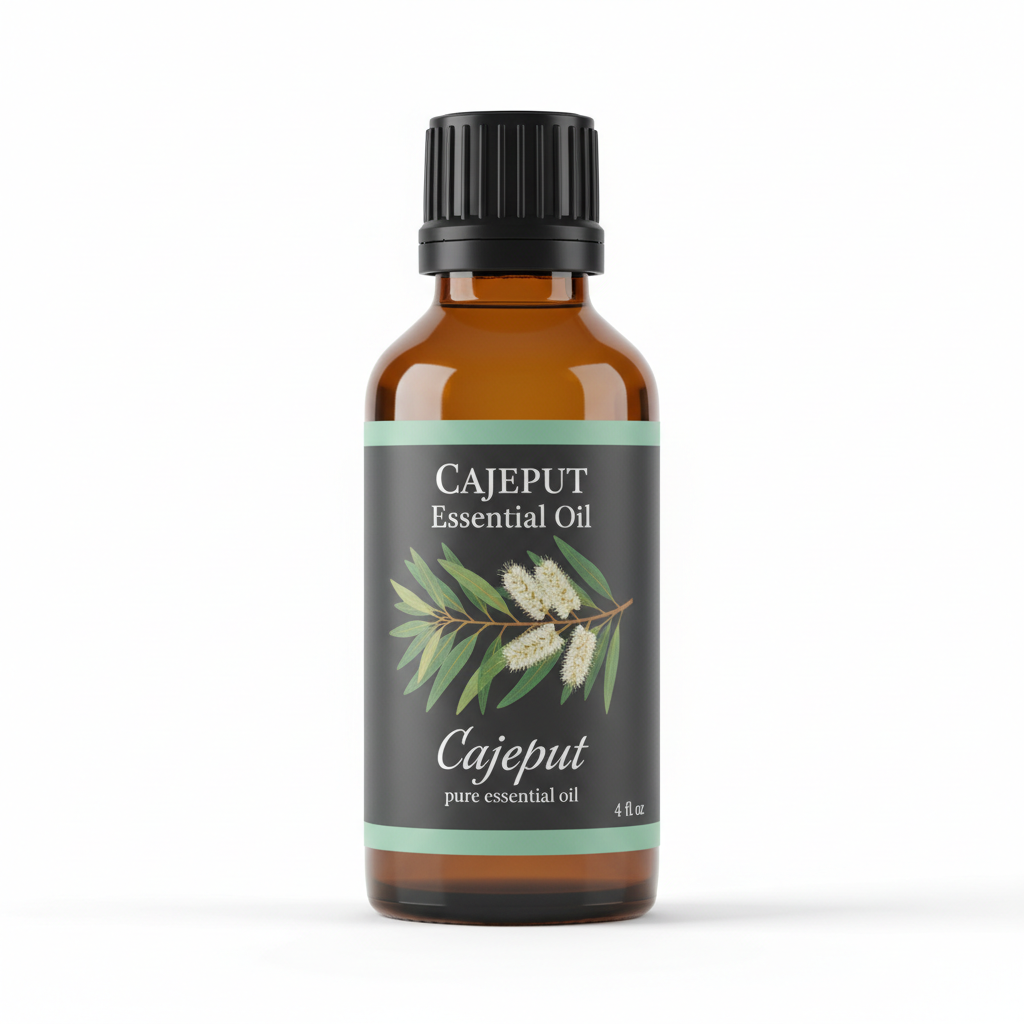
Cajeput Essential Oil
Our own Cajeput Essential Oil, in sizes from 0.5 oz to bulk.
From $10.99
Shop Now →The checkpoint: container size is what counts
TSA's rule is written per container. Each liquid in a carry-on must be in a container of 3.4 ounces (100 ml) or less, all fitting inside one quart-size bag, and larger containers go in checked baggage. The medication and infant-nourishment exemptions on that page do not cover an essential oil.
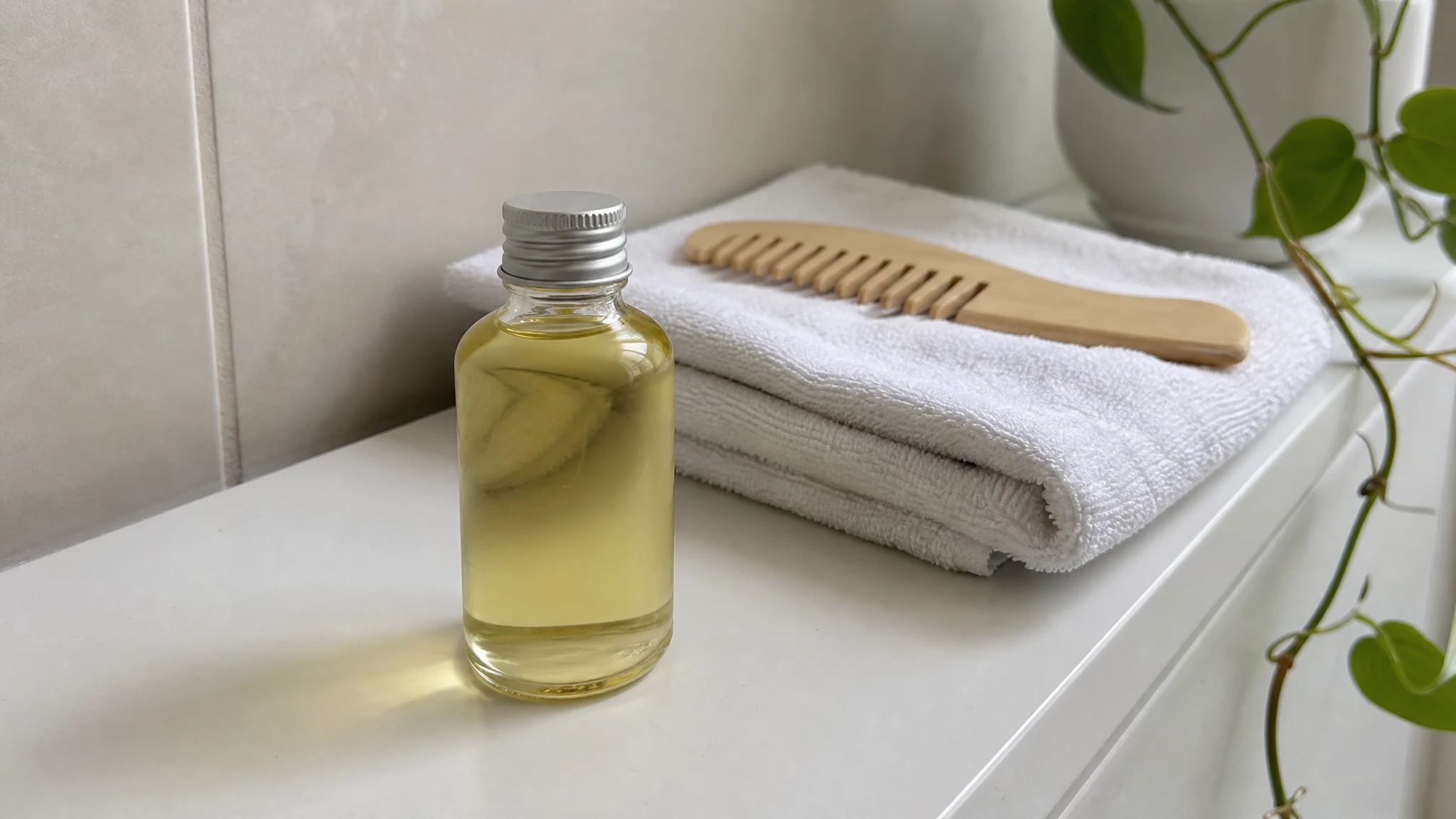
The rule looks at the size of the container rather than how full it is, so the dependable route is a bottle that is itself 100 ml or smaller. For scale, 0.5 oz is about 14.8 ml, 1 oz about 29.6 ml and 2 oz about 59 ml, all comfortably small enough. A 4 oz bottle is over the line and belongs in checked baggage. Our bottle-size guide lists every size we offer.
Checked bags and the hazardous-materials rules
US hazardous-materials rules sit behind the security rules, and they apply to anything that might be flammable. Personal toiletry items have a passenger exception, which allows non-radioactive "toilet articles" in carry-on and checked bags, each container no larger than 0.5 kg or 0.5 L and no more than 2 kg or 2 L in total (49 CFR 175.10). A few small bottles for personal use are the situation that rule was written for. Quantities that look like stock are a shipping matter, so use a freight carrier for those. Airlines and other countries can be stricter than the US minimum, so check your airline's dangerous-goods page and your destination's rules before you pack.
Why bottles leak in the cabin
Federal rules keep pressurized cabins at an altitude equivalent of no more than 8,000 feet in normal operation, which a standard-atmosphere table puts at about 75.3 kPa against 101.3 kPa at sea level. A bottle sealed at home holds air at ground pressure, so at cruising altitude that trapped air wants to expand by about 1.35 times (101.3 divided by 75.3).
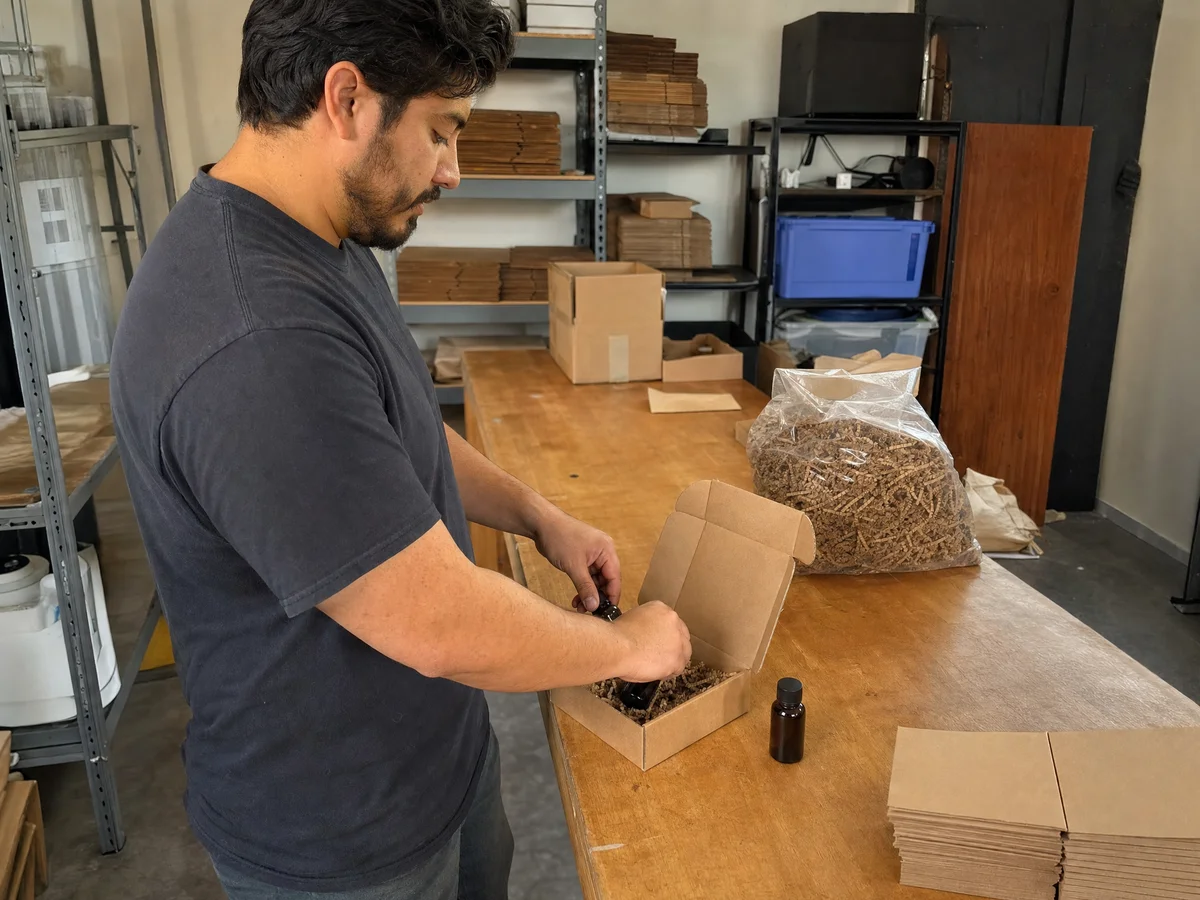
Here is what that means in a simple estimate. A 15 ml bottle holding 5 ml of oil has 10 ml of air, which wants about 13.5 ml, so around 3.5 ml has to go somewhere. Fill the same bottle to 14 ml and it holds 1 ml of air that wants 1.35 ml, so only about 0.35 ml is looking for an exit. Real bottles vary, but the principle holds: less air means less push on the cap.
Where each bottle should ride
- 0.5, 1 or 2 oz bottle of oil: carry-on, in the quart bag, or checked.
- 4 oz bottle or larger: checked bag, sealed inside a zip bag.
- A finished roller or blend of 100 ml or less: carry-on, in the quart bag. It counts as a liquid. See our roller bottle article for the dilution maths.
- A personal inhaler tube: ask your airline. Our inhaler post shows what goes in one.
We prefer carry-on for oil you care about, because cool, dark storage is hard to promise in a cargo hold.
The night before
Do the packing the evening before, not in the last ten minutes. Lay out the bottle, the cap tape, two zip bags and a paper towel, and check that the cap is clean and dry before you tighten it. A bottle with a little oil on the threshold seals poorly and weeps. Wipe the neck, wipe your fingers, and then close it. While you are there, read the label: the product name and lot number are worth keeping with the bottle.
A packing routine that survives a bumpy landing
- Fill the bottle to the shoulder and use a solid screw cap. A dropper bulb is a pocket of air that cannot hold a seal.
- If the bottle has an orifice reducer, take it out for the trip, since it is one more part that can pop loose.
- Wrap the cap and neck with tape or plastic wrap in the direction that tightens the thread.
- Stand the bottle upright in a zip bag with a folded paper towel, then place that in the quart bag.
- Keep the bag within reach, because the pressure moves again on descent.
At the checkpoint and on arrival
Keep the quart bag on top of your carry-on so you can lift it out without digging. When you land, open the bag over a sink or a towel and check the cap and the paper towel before you do anything else. Then give the bottle a home in a cool, dark drawer rather than on a hotel windowsill. A bottle that has been through a trip appreciates a quiet, shaded spot.
If a drip does escape, essential oils can mark finishes and plastics. Our care guide for fabric, wood and leather covers what to check before you wipe anything valuable. When you decant, copy the product name and lot number onto the new bottle too, since a labelled bottle answers an officer's questions faster than an anonymous clear one.
Fill it, cap it hard, bag it twice, and your cajeput will arrive smelling like cajeput rather than like the inside of your toiletry bag.
Cajeput Essential Oil
Cajeput Essential Oil from our own shop, in sizes from 0.5 oz to bulk.
From $10.99
Shop Now →Sources & Further Reading
- Transportation Security Administration. Liquids rule. tsa.gov/travel/security-screening/liquids-rule
- US eCFR. 49 CFR 175.10, Exceptions for passengers, crewmembers and air operators. ecfr.gov, 49 CFR 175.10
- US eCFR. 14 CFR 25.841, Pressurized cabins. ecfr.gov, 14 CFR 25.841
- Engineering ToolBox. Air pressure and altitude. engineeringtoolbox.com