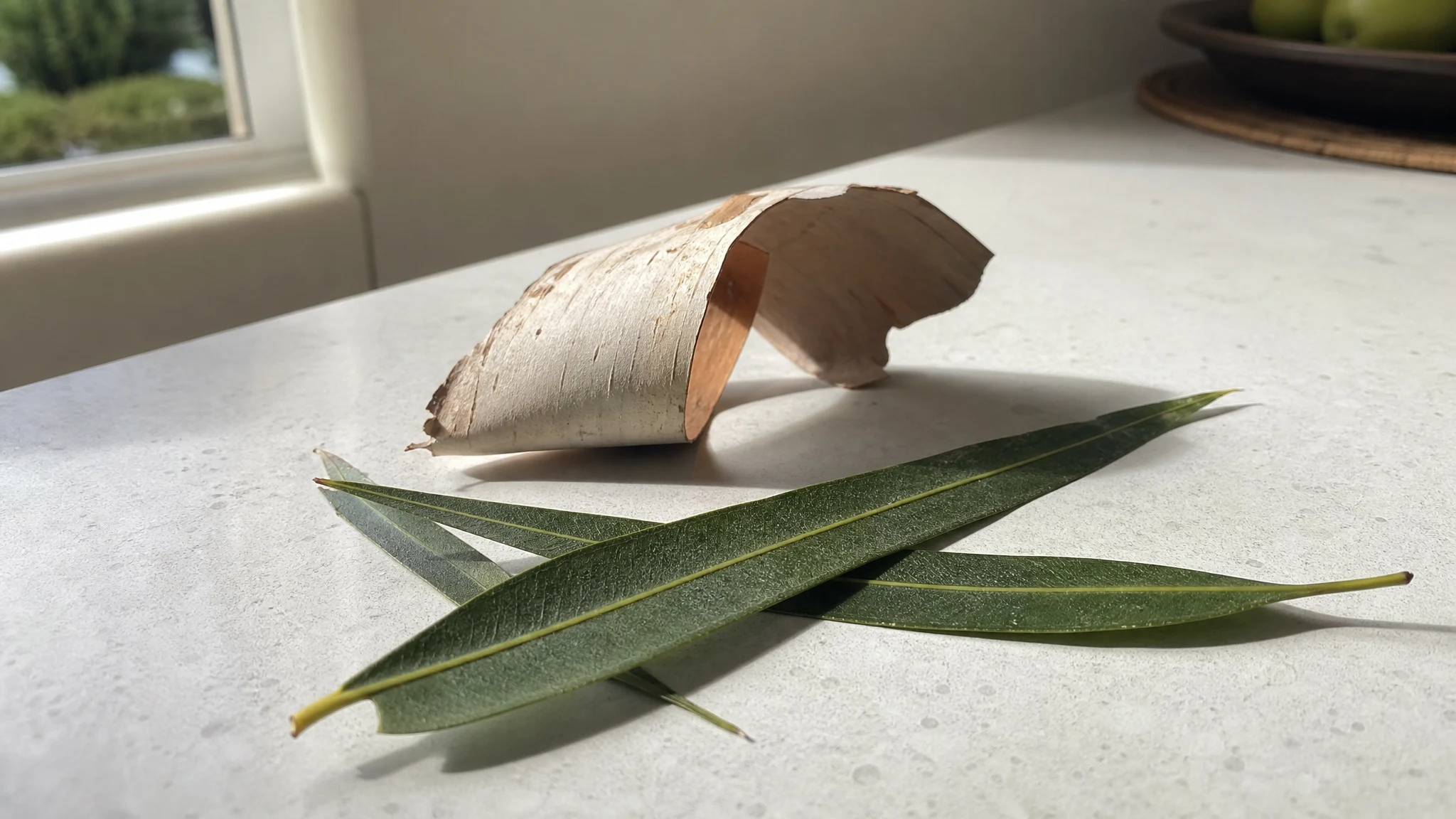
Does Cajeput Oil Repel Mosquitoes? Reading the Research
Cajeput comes up in mosquito conversations more than almost any other oil, and it is easy to see why: the laboratory research is genuinely interesting. The honest summary is that interesting and dependable are different things, and when mosquitoes carry disease, dependable wins. We sell cajeput for its aroma and for cosmetic use, we make no repellent claim for it, and here is the reasoning.
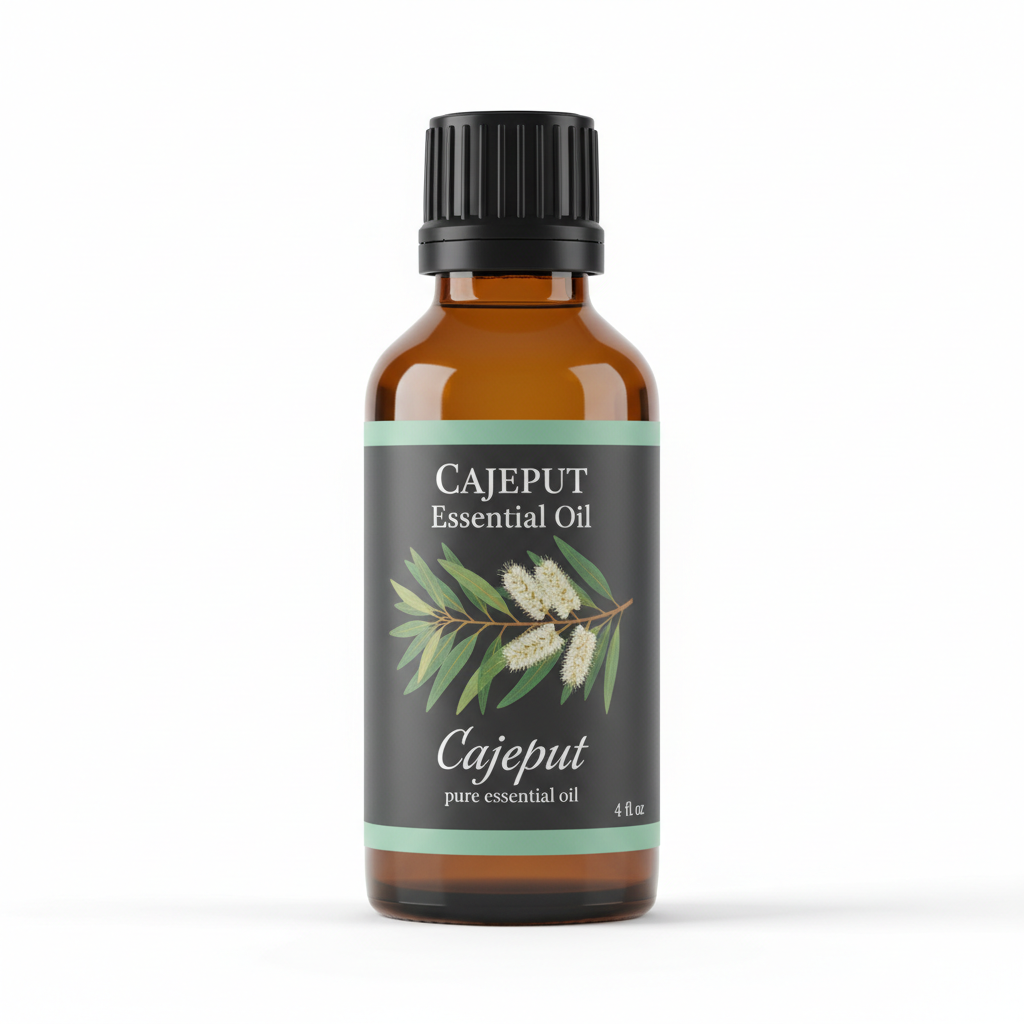
Cajeput Essential Oil
Our own Cajeput Essential Oil, in sizes from 0.5 oz to bulk.
From $10.99
Shop Now →Start with the repellents the CDC lists
The CDC's mosquito-bite guidance names the active ingredients to look for in EPA-registered repellents: DEET, picaridin, IR3535, oil of lemon eucalyptus, para-menthane-diol and 2-undecanone. It also says to look for an EPA registration number on the label, and states that the effectiveness of non-registered repellents, including some natural ones, is not known (CDC, preventing mosquito bites). The EPA explains that registration means the company submitted safety and effectiveness data (EPA, find the repellent right for you). That is the check a bottle of essential oil does not pass.
How plant oils performed with real volunteers
A well-known New England Journal of Medicine study tested repellents on 15 volunteers in controlled conditions. A 23.8% DEET product gave a mean complete-protection time of about 301 minutes, a soybean-oil product about 95 minutes, and the other botanical repellents tested protected for much less (Fradin and Day, 2002). Cajeput was not among them, but the lesson travels: a natural label does not tell you how long protection lasts.
What the cajeput research does show
A 2006 study tested 41 essential oils and 11 blends on the skin of human volunteers against three mosquito species. Cajeput, listed as Melaleuca leucadendron, was among the five most effective oils, which together gave up to eight hours of protection and 100% repellency. The authors added that such oils need a particular formulation to hold on human skin (Amer and Mehlhorn, 2006).
That formulation point is the heart of it. The figures describe the top five oils together, the abstract gives no concentration, and the oil is only part of a repellent. A diluted home blend is a different product with an unknown protection time, and a few percent of oil in a carrier is nowhere near what a laboratory formulation delivers. Interesting laboratory work on spatial repellency is a reason for further study, not a reason to head outdoors unprotected.
Why the question keeps coming up
It is not hard to see why cajeput gets linked with warm evenings outdoors. The oil smells sharp, clean and a little camphorous, the kind of scent that feels like it ought to keep things away. That feeling is persuasive, but a scent that seems strong to us tells us nothing about what a mosquito does. It is a good example of how easy it is to let a nice aroma stand in for a protection claim, and it is why we would rather keep the two ideas apart.
How to read a repellent claim on any oil page
A few quick questions work for any plant-oil product. Is there an EPA registration number, or only the word natural? Is a protection time stated, and was it measured on human skin or in a lab chamber? Are the concentration and carrier given? Which mosquito species was tested, and where? A page that cannot answer these is describing a hope more than a repellent.
Using cajeput on skin at all
Cajeput is a strong oil. The European Food Safety Authority classes it as an irritant to skin and eyes and as a skin and respiratory sensitiser (EFSA FEEDAP Panel, 2024). Our skin guidance is a 0.5% to 2% dilution in a carrier oil with a patch test first, and none of the studies above reports a dose that would justify a different number. Our dilution and patch test guide covers the routine. If you simply like cajeput's scent on a patio, light diffusion away from children's sleeping areas and from pets is a fragrance choice; the pets article has the details.
When mosquitoes mean illness
For travel to places with mosquito-borne disease, see a travel-medicine clinic or your physician before the trip and use registered repellents as directed. If you are pregnant or breastfeeding, the CDC says registered repellents are considered safe and effective when used as directed, and your OB-GYN or midwife can answer questions about essential oils (our pregnancy article covers what is known). For a child, ask a pediatrician which registered product suits their age. For the wider question of which cajeput claims hold up, see our myths and facts piece.
If you simply want a fresh-smelling porch
There is a gentler way to enjoy cajeput outdoors: as a pleasant fragrance and nothing more. A drop or two on a cotton pad tucked inside a lantern base, away from any flame, or a lightly scented cloth on a shelf in a covered seating area, gives a cool, green note to an evening. Keep the bottle capped and out of the sun, keep it out of reach of children, and bring the pad inside afterwards. Pair it with a registered repellent used as directed, a fan, long sleeves and screens, and you have both scent and sensible protection.
Cajeput is a lovely, fresh-smelling oil with plenty of research interest, and the product to carry on a hike is the one with a registration number on its label.
Cajeput Essential Oil
Cajeput Essential Oil from our own shop, in sizes from 0.5 oz to bulk.
From $10.99
Shop Now →Sources & Further Reading
- CDC. Preventing mosquito bites
- US EPA. Find the insect repellent that is right for you
- Fradin MS, Day JF, 2002. Comparative efficacy of insect repellents against mosquito bites. N Engl J Med
- Amer A, Mehlhorn H, 2006. Repellency effect of forty-one essential oils against Aedes, Anopheles and Culex mosquitoes. Parasitol Res
- EFSA FEEDAP Panel, 2024. Cajuput oil as a feed additive. EFSA Journal 22(4):e8732