Cajeput Oil Benefits: What the Research Shows
Search for cajeput oil benefits and you will meet a long list of claims, most pointing at some study. The useful skill is knowing what kind of study you are looking at, because a result in a petri dish, a result in a rat and a result in people breathing a room scent answer three different questions. We sell cajeput as an aromatic and cosmetic oil and make no health claims for it, and this is a tour of why.
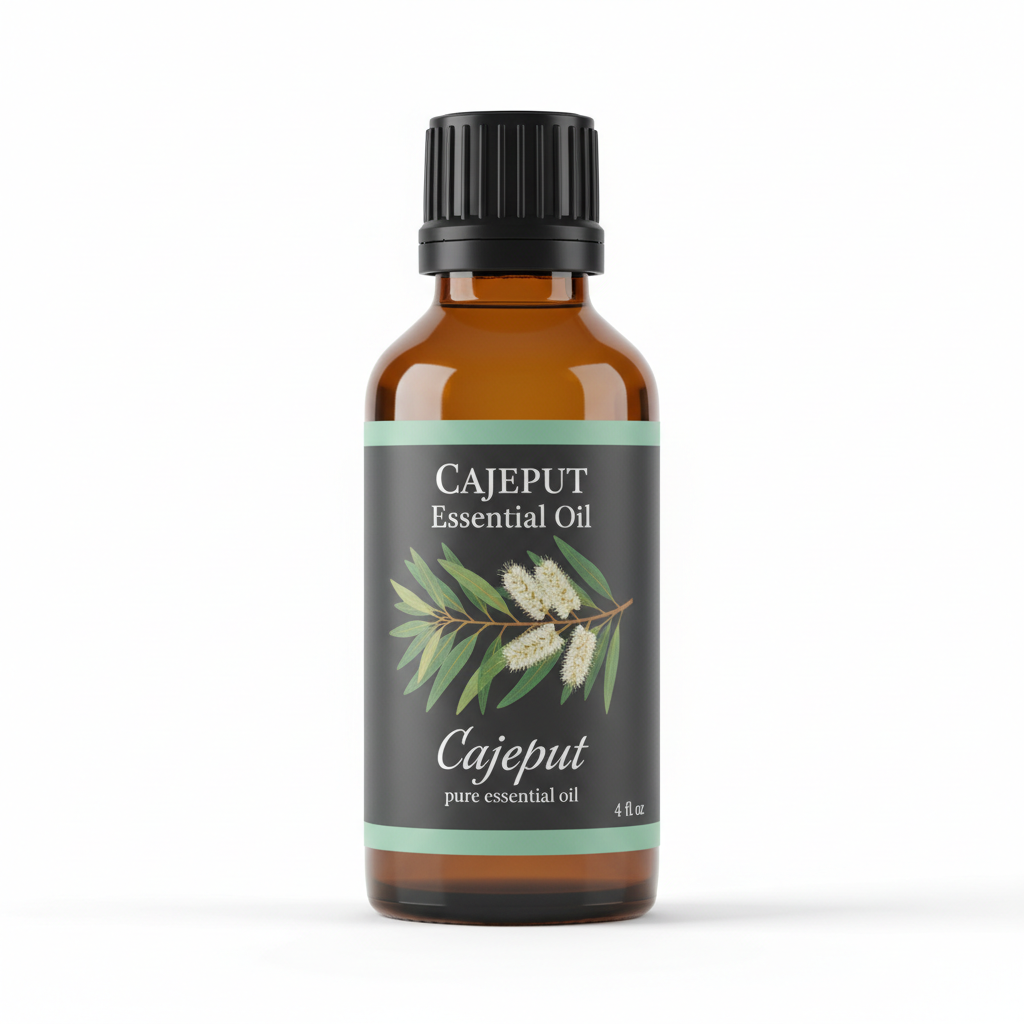
Cajeput Essential Oil
Our own Cajeput Essential Oil, in sizes from 0.5 oz to bulk.
From $10.99
Shop Now →Four kinds of evidence, in order of distance
A dish study asks whether a substance does something to cells or microbes at a concentration the lab chooses. An animal study asks what happens in a rat or mouse. A capsule trial asks what happens in people who swallow a measured dose. Only an aroma trial asks what happens when a person simply breathes a scented room, and we know of no such trial for cajeput. Most claims you meet online sit on one of the first three rungs and are then described as if they were the fourth.
Questions to ask when you see a claim
- Which oil was tested, and where did it come from?
- Was it in a dish, in an animal, swallowed in a capsule or simply smelled in a room?
- Was the dose anything like what a bottle on your shelf would give you?
- Does the page tell you what the study did not find?
None of this needs a laboratory. If a page cannot answer those questions in plain words, treat its confident headline with patience and a pinch of salt.
The nose is the best example
The most-cited human work involves cineole, cajeput's main compound, and the nose. A 2004 trial gave 152 adults with acute rhinosinusitis either 100 mg cineole capsules (two, three times a day) or placebo for a week, and the cineole group's symptom scores fell further (Kehrl et al., 2004). That is a result about a swallowed pharmaceutical dose of one compound in people with a diagnosed illness, which is not a diffuser.
When a scent itself was the exposure, the findings were subtler. Volunteers who inhaled camphor, eucalyptus or menthol vapour for five minutes showed no change in measured nasal airflow resistance, yet most reported a cold sensation and a feeling of better airflow (Burrow, Eccles and Jones, 1983). Our congestion article goes through this in more detail. The practical reading is that a scent can change what you perceive, and that is a perfectly good reason to enjoy it, without proving it changes what your body does.
Cajeput oil is not one recipe
Here is something many buyers do not realise: two oils sold as cajeput can be quite different. The European Food Safety Authority's 2024 opinion describes cajuput oil from the leaves of Melaleuca cajuputi and M. leucadendra, often mixed before distillation, specified at 50 to 70% 1,8-cineole, with five batches averaging 61.46% (EFSA FEEDAP Panel, 2024). A separate GC-MS survey of retail Melaleuca oils found one cajuput at 64.63% cineole (Vazquez, Tabanca and Kendra, 2023). Chemistry varies with species, origin and distillation, so a study result belongs to the oil that was tested.
That is why we are specific about what we publish. The Certificate of Analysis for our batch CAJQGAMCAUC001A lists appearance, smell, relative density of 0.906, refractive index of 1.469 and optical rotation of +2.32 degrees, all within the stated standards for Melaleuca cajuputi. If you need a cineole figure or a GC-MS report for your lot, ask us in writing through the contact page before ordering. Our guide to cineole in cajeput explains what that compound brings to the scent.
What the regulator looked at
The same EFSA panel concluded that cajuput oil should be treated as an irritant to skin and eyes and as a skin and respiratory sensitiser. It reviewed 17 references and found none reporting user-safety problems, and it did not require efficacy data, so the opinion says nothing about benefits (same source). It is a statement about animal feed and hazard classification, which is a fine reminder to dilute well and patch test, and no more than that.
How we suggest using it
We sell cajeput for its crisp, fresh aroma and for cosmetic use. Because it is rich in cineole, we advise against use around babies and young children (the children article gives the reasoning), keep it away from eyes and pets, and do not recommend swallowing it. For skin we suggest 0.5% to 2% in a carrier oil with a patch test first. Anyone weighing a health decision, such as a stuffy nose that will not clear, recurring headaches or a skin condition, needs a physician or pharmacist, who can weigh what an article cannot.
For us the pleasure is simple and sensory: a cool, bright, fruity-camphorous top note that you can enjoy for what it is. Open the bottle, take one slow breath, and you have had the whole experience.
Cajeput earns its place on the shelf as a bright, camphor-like scent, and a good rule for any oil is to ask which batch a paper's oil resembled.
Cajeput Essential Oil
Cajeput Essential Oil from our own shop, in sizes from 0.5 oz to bulk.
From $10.99
Shop Now →Sources & Further Reading
- Kehrl W, Sonnemann U, Dethlefsen U, 2004. Therapy for acute nonpurulent rhinosinusitis with cineole. Laryngoscope
- Burrow A, Eccles R, Jones AS, 1983. Camphor, eucalyptus and menthol vapour and nasal resistance to airflow. Acta Otolaryngol
- EFSA FEEDAP Panel, 2024. Cajuput oil as a feed additive. EFSA Journal 22(4):e8732
- Vazquez A, Tabanca N, Kendra PE, 2023. Chemical composition of Melaleuca essential oils. Molecules 28(9):3925