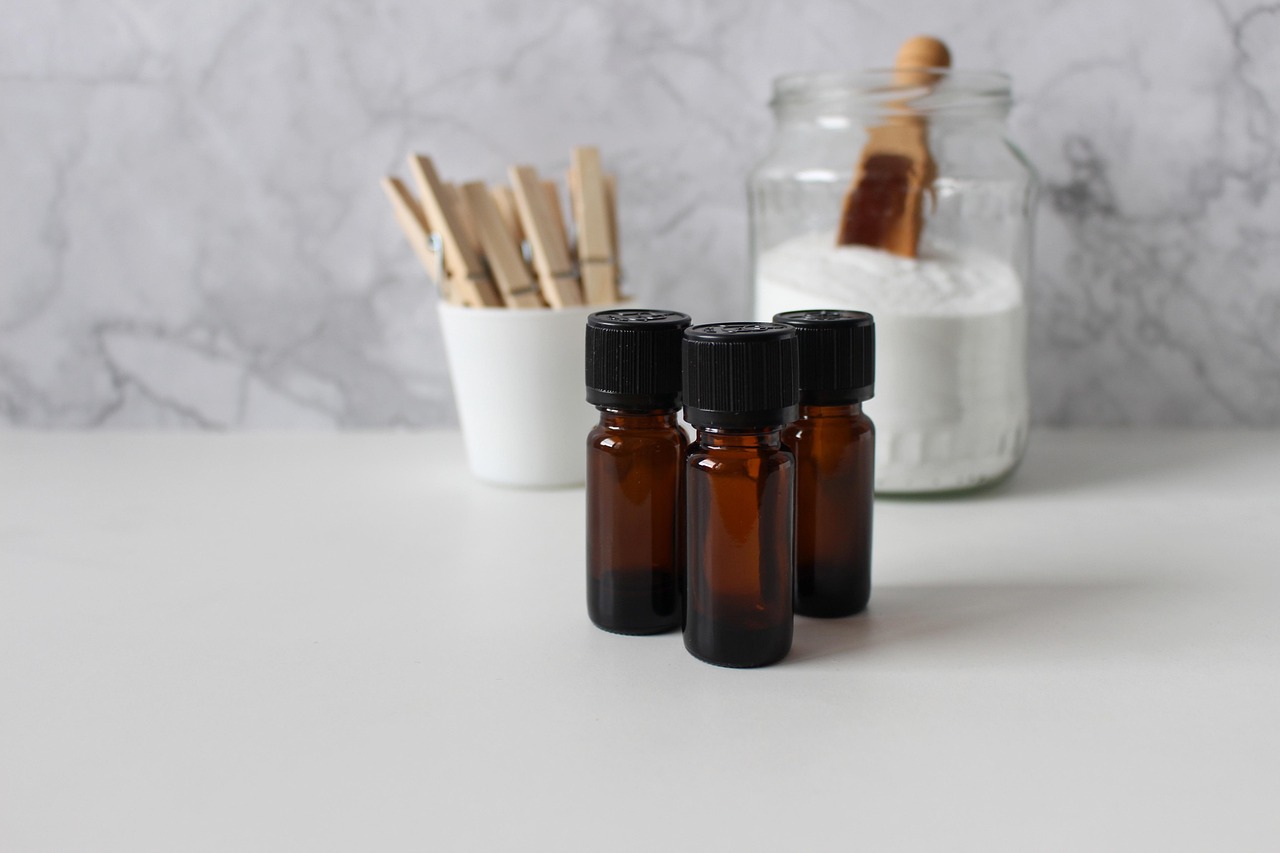
DIY Cleaning Spray with Cajeput: A Fresh Scent for Every Surface
Cajeput essential oil has a distinctly clean, camphoraceous scent that makes it one of the more interesting choices for a homemade cleaning spray. It's bright without being sweet, sharp without being harsh, and it blends beautifully with other fresh botanical oils. If you've ever wanted a fresh scented cleaner that actually smells like something worth using, this recipe is a good place to start.
This guide walks you through everything: the ingredient list, step-by-step instructions, surface compatibility, safety notes, storage, and a handful of variations so you can make the formula your own. Whether you're new to DIY cleaning products or you've been mixing your own for years, the process here is straightforward and the results are genuinely satisfying.
Why Cajeput for a Cleaning Spray?
Cajeput (Melaleuca cajuputi) is a member of the paperbark tree family, native to Southeast Asia and northern Australia. Its essential oil is steam-distilled from the leaves and twigs, yielding a fresh, slightly medicinal aroma with green and camphor-like top notes. In aromatherapy and home fragrance traditions, it's prized for its crisp, airy quality.
That scent profile is exactly what makes it so appealing in a DIY cleaning spray with essential oils. It doesn't linger the way some heavier oils do. It moves through a room and then dissipates, leaving surfaces smelling genuinely clean rather than artificially perfumed.
Want to explore more ways to use this oil around the house? The complete guide to cajeput essential oil uses covers diffusing, linen care, and more.
Before You Begin: Safety Overview
Essential oils are concentrated plant extracts. Even in a cleaning spray, where most of the product is water and a dispersing agent, it's worth understanding the safety basics before you mix anything.
Dilution Ratios
For a general-purpose surface spray, a dilution of 1% to 2% essential oil is appropriate. This recipe uses approximately 1.5%, which falls comfortably within that range. Do not increase the essential oil concentration significantly beyond this for a spray product, particularly one that may contact skin indirectly (countertops, tables, light switches).
Patch Testing
If you or anyone in your household has sensitive skin, test the diluted spray on a small, inconspicuous skin area before using it on surfaces you touch frequently. Apply a small amount to the inner forearm, leave for 24 hours, and check for any reaction before proceeding with full use.
Contraindications and Cautions
- Children under 10: Some essential oils, including cajeput, contain 1,8-cineole as a primary constituent. Use this spray in well-ventilated spaces and keep the product out of reach of young children. Consult a qualified healthcare provider before using around infants or toddlers.
- Pregnancy and nursing: Consult a qualified healthcare provider before using essential oil products regularly during pregnancy or while breastfeeding.
- Pets: Cats in particular may be sensitive to certain essential oil constituents. Ensure good ventilation when using the spray, and allow surfaces to dry fully before pets have access to treated areas.
- Respiratory sensitivity: Use in well-ventilated spaces. If you notice any discomfort, discontinue use and ventilate the area.
- Vinegar and stone surfaces: Do not use this spray on marble, granite, travertine, or any natural stone. The acidic content of vinegar can etch stone surfaces irreversibly. See the variations section for a stone-safe alternative.
- Vinegar and bleach: Never mix this product with bleach-based cleaners. Do not store near oxidizing agents.
The Base Recipe: Cajeput Cleaning Spray
| Detail | Info |
|---|---|
| Difficulty Level | Easy |
| Prep Time | 5 to 10 minutes |
| Yield | Approximately 16 oz (475 ml) |
| Shelf Life | 4 to 6 weeks |
Ingredients
- 1 cup (240 ml) distilled white vinegar
- 1 cup (240 ml) distilled water
- 1 teaspoon (5 ml) unscented castile soap
- 30 drops cajeput essential oil
- 10 drops lemon essential oil (optional, for a citrus lift)
- 10 drops tea tree essential oil (optional, for a more woodsy, green note)
Equipment needed:
- 16-oz glass or PET spray bottle (glass is preferred for essential oil storage)
- Small funnel
- Measuring cup and teaspoon
- Dropper or graduated pipette
- Marker or label for the bottle
Step-by-Step Instructions
- Start with the essential oils. Add your cajeput essential oil drops directly into the empty spray bottle first. Adding the oils before the liquids helps with dispersion. If you're using optional oils, add those now too.
- Add the castile soap. Using a small funnel, pour in the teaspoon of castile soap. The soap acts as a mild dispersing agent, helping the oil distribute more evenly through the water phase. It also contributes a light surfactant action on greasy surfaces.
- Pour in the vinegar. Add 1 cup of distilled white vinegar slowly. It will mix with the soap, and you may see some mild fizzing. This is normal.
- Top up with distilled water. Pour in the remaining cup of distilled water to bring the total volume to approximately 16 oz. Leave a small amount of space at the top so the spray mechanism fits properly.
- Attach the spray top and gently invert. Do not shake vigorously, which can cause excess foaming with the castile soap. A few gentle inversions are sufficient to combine the ingredients.
- Label the bottle. Write the contents, the date mixed, and any safety notes on the label. Include "Keep out of reach of children" and "Shake gently before use."
- Do a surface test before full use. Spray a small, hidden area of the surface you plan to clean. Wait a few minutes and check for any discoloration or reaction before proceeding.
How to Use It
Shake the bottle gently before each use, as the oils will naturally separate from the water over time. Spray onto the surface, let it sit for 20 to 30 seconds, then wipe clean with a microfiber cloth or paper towel. For glass and mirrors, buff dry with a lint-free cloth for a streak-free finish.
Suitable surfaces: Sealed tile, porcelain, stainless steel, glass, laminate countertops, painted walls, plastic fixtures, and sealed wood.
Avoid using on: Natural stone (marble, granite, travertine), cast iron, aluminum, waxed wood, and any surface explicitly marked as incompatible with acidic cleaners.
Storage Instructions and Shelf Life
Store the finished spray in a cool, dark location away from direct sunlight. A cabinet under the sink or a utility shelf works well. Heat and UV exposure can degrade both the vinegar base and the essential oils more quickly.
This formula has a shelf life of approximately 4 to 6 weeks when stored properly. The distilled water component is the main limiting factor. Using distilled rather than tap water extends shelf life because tap water introduces minerals and potential microbial content.
If the spray develops an off smell, changes color significantly, or appears to have separated in an unusual way that doesn't resolve with gentle shaking, discard it and mix a fresh batch. Because this recipe makes only 16 ounces, it's easy to mix small quantities regularly rather than storing large volumes.
Variations and Substitutions
Stone-Safe Version (No Vinegar)
For marble, granite, or other natural stone, omit the vinegar entirely. Replace it with an additional cup of distilled water. The result is a lighter-duty spray suitable for surface maintenance rather than deep cleaning. Add a small amount of rubbing alcohol (1/4 cup of 70% isopropyl) in place of the vinegar if you want more evaporative action on glass.
Stronger Citrus Version
Increase the lemon essential oil to 20 drops and add 10 drops of grapefruit essential oil for a brighter, more citrus-forward scent. This variation is particularly pleasant in kitchens. Note that citrus essential oils, especially cold-pressed versions, can be phototoxic if they contact skin and the skin is then exposed to sunlight. For a cleaning spray that won't contact skin directly, this is generally not a concern, but it's worth keeping in mind.
Woodsy Forest Version
Pair cajeput with 15 drops of cedarwood and 10 drops of pine or fir needle essential oil for a cooler, more forest-inspired scent. This works particularly well in bathrooms and utility spaces.
Unscented Base for Sensitivity
If you prefer a fragrance-free product, simply omit all essential oils and use the vinegar, castile soap, and water combination on its own. It won't have the botanical scent this recipe is built around, but the base is still functional for general surface cleaning.
Oil Substitutions
If cajeput is not available, the closest relatives in the Melaleuca family are niaouli (Melaleuca quinquenervia) and tea tree (Melaleuca alternifolia). Niaouli in particular shares many of cajeput's scent characteristics and works well as a direct substitution at the same drop count. Tea tree is more commonly available but has a stronger, more medicinal character that may not appeal to everyone as a cleaning fragrance.
For diffused versions of cajeput's fresh scent in your home, the cajeput diffuser blends guide has several ready-to-use combinations worth trying alongside this spray routine.
Tips for Getting the Best Results
On Dilution and Scent Strength
The 30-drop count in this base recipe produces a noticeable but not overpowering scent. If you're sensitive to fragrance, start with 20 drops and adjust upward in future batches. If you want a more pronounced aroma, 40 drops keeps you within a safe dilution range for a spray product of this volume. Going higher is not recommended.
On Water Quality
Distilled water makes a real difference here. Hard tap water can react with the vinegar and leave mineral deposits on surfaces. It also shortens the shelf life of the product. Distilled water is widely available at grocery stores and is worth the minor extra cost for a DIY product you're putting effort into.
On Bottle Choice
Glass bottles are strongly preferred for storing essential oil products. Certain plastics can degrade over time when exposed to concentrated essential oils, which can leach plastic compounds into the product. If you use a plastic bottle, look for PET (polyethylene terephthalate), which is more resistant than standard plastics. Avoid polystyrene or low-density polyethylene containers.
Pairing This Spray with a Full Home Freshening Routine
A surface spray is just one part of how cajeput can contribute to a fresh-feeling home environment. If you enjoy the scent of this cajeput cleaning spray on your countertops, you might also find it appealing in a linen spray for freshening cushions, curtains, or bed linens between washes.
The DIY linen and room spray with cajeput and citrus uses a compatible formula that works well alongside this cleaner. Using the same oil anchors the scent of your space without mixing competing fragrance families, which can make a home feel chaotic rather than cohesive.
A few minutes of mixing, a labeled bottle on the shelf, and a quick spray before guests arrive: that kind of small, intentional detail makes a real difference in how a space feels and smells. This diy cleaning spray with essential oils is a low-effort, high-return addition to any home routine.
A note on sourcing: The quality of your essential oil matters in a recipe like this, where the scent is the point. Look for cajeput oil that lists Melaleuca cajuputi as the botanical name, provides a country of origin, and is steam-distilled from the leaf. Oils that are blended, adulterated, or derived from different species will smell noticeably different and may not perform the same way in this recipe.