8 Craft Projects Where Cajeput Oil Earns Its Place on the Bench
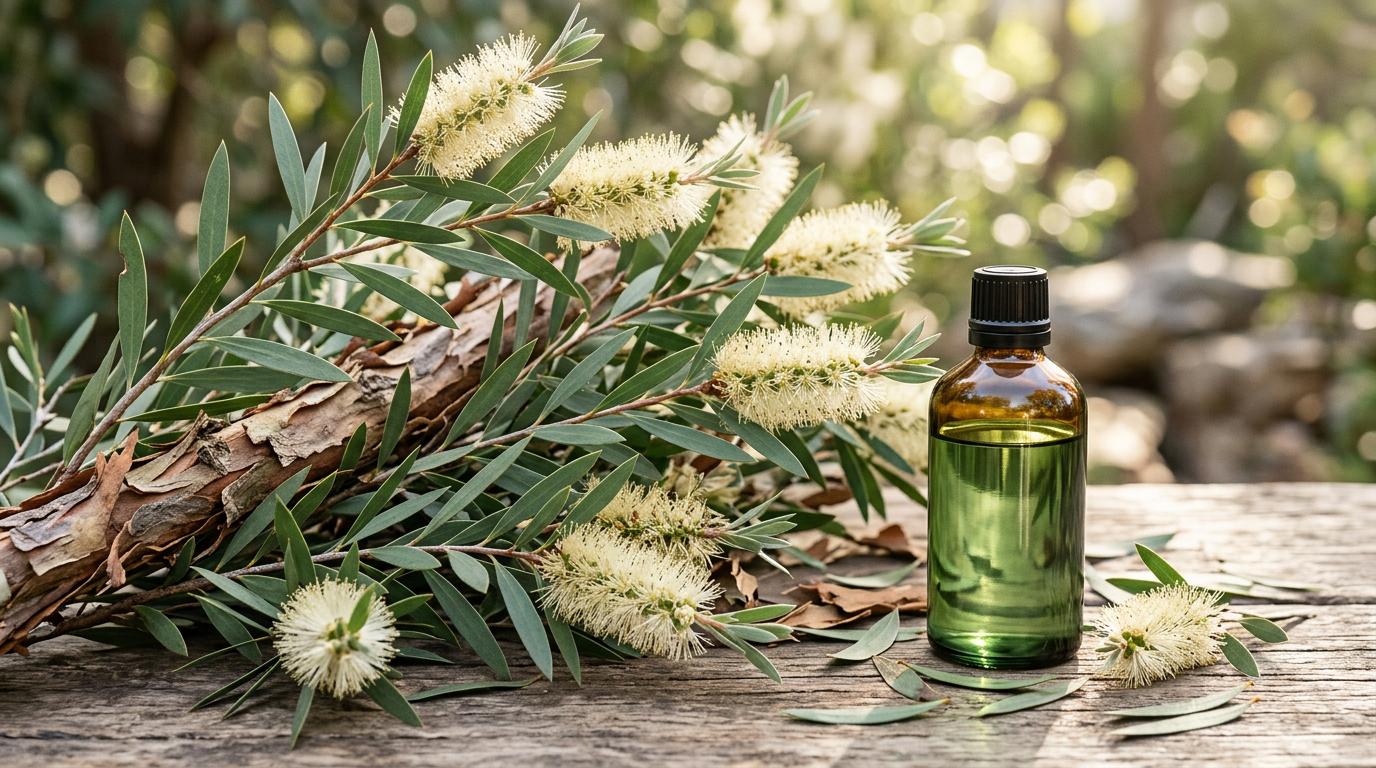
Cajeput oil, steam-distilled from the leaves and twigs of Melaleuca cajuputi, has a crisp, camphoraceous scent with a green, almost eucalyptus-adjacent edge and a faint hint of sweetness underneath. It is a paperbark tree native to Southeast Asia and parts of Australia, and the oil that comes off it is thinner and brighter than a lot of the woody or floral oils that dominate most craft supply shelves. That's exactly why it's worth a spot in your kit. Among cajeput oil craft projects, the common thread is that this oil doesn't try to blend into the background. It cuts through a fragrance blend, holds its own in a cold-process bar, and gives candles a top note that isn't just another lavender-vanilla clone.
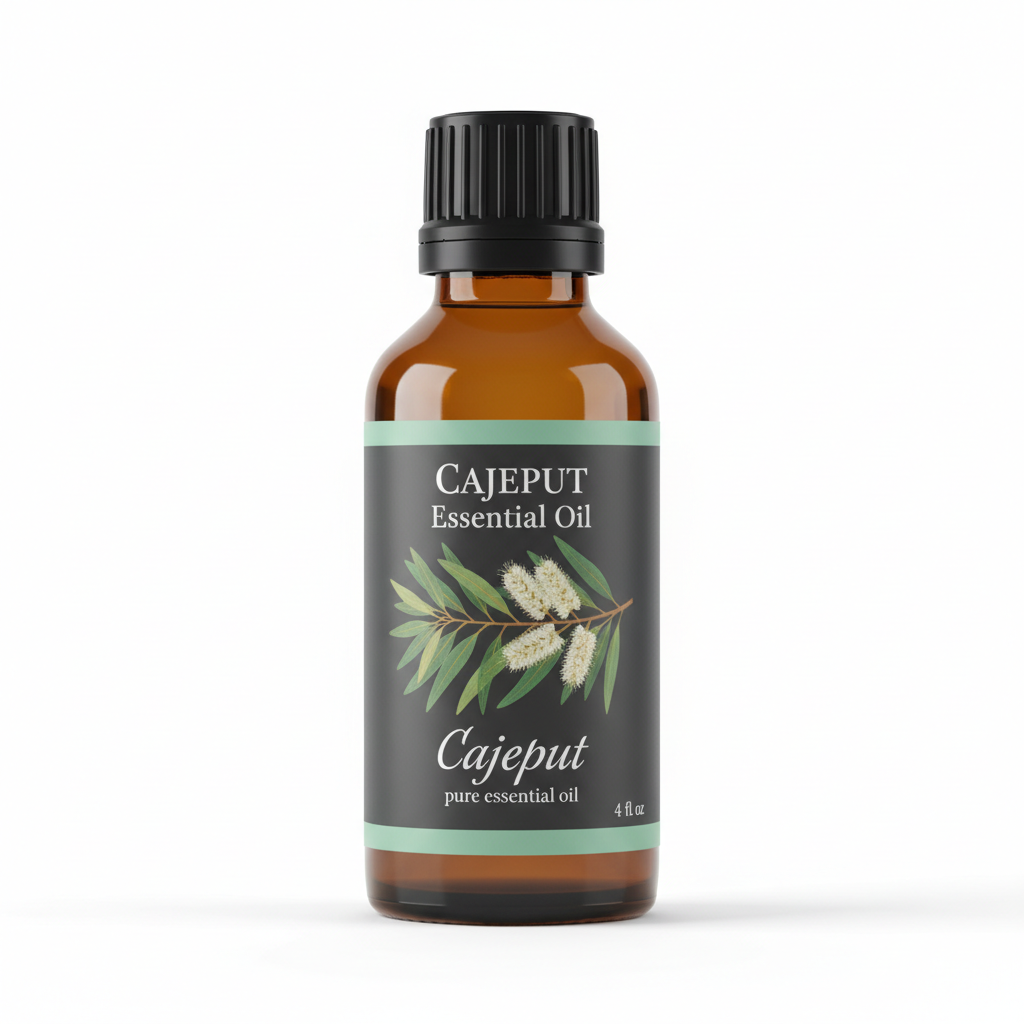
Cajeput Essential Oil
Our own Cajeput Essential Oil, in sizes from 0.5 oz to bulk.
From $10.99
Shop Now →Below are eight diy projects with essential oils that put cajeput to work on the craft bench, from soap and candles to diffusers and simple wood care blends. Each one includes practical dilution notes, but treat those as a starting point, not gospel. Always patch test a small area of skin before using any new blend more broadly, keep essential oils away from young children and pets, and check with a qualified healthcare provider before using essential oils if you are pregnant, nursing, or managing a sensitive skin condition.
1. Cold-Process Soap
Cajeput soap making rewards a light hand. Because the oil is fairly volatile, most soapers add it at trace, right before pouring, rather than blending it into the oils earlier in the process. A typical starting point is around 0.5 to 1 ounce of essential oil per pound of soap base, which usually lands in the 1 to 3 percent range of total oil weight. Cajeput on its own can read a little sharp, so many crafters round it out with something warmer underneath, like a touch of patchouli or cedarwood, so the bar smells complex rather than one-note.
The alkaline environment of cold-process soap is hard on fragrance in general, and cajeput is no exception; scent throw softens as bars cure over the standard four to six weeks. That's normal and not a sign anything went wrong. Some soapers compensate by nudging the usage rate toward the higher end of the safe range, or by pairing cajeput with a fixative oil that has better staying power in a finished bar.
Green or clay-tinted bars pair especially well visually with cajeput's herbaceous scent profile, since the color cue matches the aroma. French green clay or a swirl of activated charcoal both work if you want the bar to look as crisp as it smells.
Practical takeaway: add cajeput at trace, keep it under 3 percent of total oil weight, and pair it with a heavier base note oil so the scent survives curing.
2. Container Candles
Cajeput candle making is a good entry point if you've mostly worked with single-note fragrance oils and want to try a natural blend instead. Soy and coconut wax blends both take essential oils well, and cajeput's brightness gives a candle a clean, uncluttered opening note. A fragrance load of 6 to 8 percent by wax weight is a reasonable starting range for most soy blends, added once the melted wax has cooled to your wax manufacturer's recommended pour temperature so the fragrance doesn't flash off.
Cold throw, how strong the candle smells unlit, tends to be decent with cajeput because of its volatility. Hot throw, the scent once the candle is burning, is where it can fall short if used alone; the top notes disperse quickly and leave the room smelling thin after the first twenty minutes. Blending with something that has more body, like a small percentage of vetiver or a woody fragrance oil, tends to fix that without burying the cajeput entirely.
Always burn a test candle before selling or gifting a batch. Check for even melt pools, no visible soot, and a scent that holds up over the full burn rather than fading after the first hour.
Practical takeaway: start at 6 to 8 percent fragrance load, add at pour temperature, and blend with a heavier-bodied note to extend hot throw.
3. Wax Melts and Wax Shapes
If candle wicking and burn testing feels like more equipment than you want to manage, wax melts are a simpler way to get the same scent payoff. Because there's no flame and no wick to consider, you can push the fragrance load higher, often 8 to 10 percent by wax weight, without worrying about soot or a mushrooming wick.
Cajeput works nicely in melts shaped like leaves, botanicals, or simple geometric tiles, since the scent itself reads as green and outdoorsy. Silicone molds make this an easy weekend batch: melt the wax, stir in the oil off the heat once the wax has cooled slightly, and pour. Because wax melts sit exposed on a warmer for hours at a time, the top notes burn off faster than in a candle, so a slightly higher percentage than you'd use for a jar candle helps the scent last through a full melt cycle.
These also make an easy gift item in small batches. Package a few shapes in a cellophane bag with a printed care card noting the wax type and scent blend, since some buyers have preferences around soy versus paraffin.
Practical takeaway: push fragrance load to 8 to 10 percent for melts since there's no wick to protect, and expect the scent to fade faster than in a jar candle.
4. Linen and Room Spray
A cajeput linen spray is one of the fastest projects on this list and a good way to test the scent before committing to a bigger batch like soap or candles. The basic formula is simple: essential oil, a dispersing agent like high-proof alcohol or polysorbate 20 to keep the oil from beading on fabric, and distilled water. A common ratio is around 15 to 20 drops of essential oil per 2 ounces of alcohol, shaken well, then topped off with distilled water in a fine-mist spray bottle.
Skip tap water if you can. Minerals in tap water can cloud the spray and shorten its shelf life. Distilled or filtered water keeps the mixture clear and extends how long it stays usable before the scent starts to drift.
Because this spray touches fabric and, indirectly, skin, always patch test on an inconspicuous corner of any linen or upholstery before spraying the whole item, and keep the finished spray out of reach of children and pets. A light mist held at least a foot from the fabric surface is plenty; oversaturating can leave a ring or spot on delicate materials.
Practical takeaway: use a dispersant, not just oil and water, and patch test on fabric before spraying anything you can't easily replace.
5. Reed Diffusers
A reed diffuser is a low-maintenance way to keep cajeput's scent moving through a room without a flame or electricity. The base is typically a lightweight carrier oil with low viscosity, such as fractionated coconut oil or a specialty diffuser base like dipropylene glycol, since thicker carrier oils won't travel up the reeds well. A common starting ratio is around 10 percent essential oil to 90 percent carrier base by volume, adjusted up or down depending on how strong you want the throw.
Rattan reeds work better than synthetic ones for pulling oil upward through capillary action, though they also wear out faster and need replacing every few weeks for the strongest scent. Flip the reeds every couple of days to refresh the throw, and keep the diffuser vessel away from direct sunlight, which can degrade the oil blend faster than normal.
Cajeput's volatility, the same trait that makes it fade quickly in candles, actually works in its favor here. A reed diffuser relies on evaporation to move scent into the air, so an oil that evaporates readily gives a noticeably stronger, more immediate throw than a heavier, slower-evaporating oil would.
Practical takeaway: use a thin, low-viscosity carrier base and rattan reeds, and flip the reeds every couple of days to keep the scent from fading.
6. Bath Salts and Soaking Blends
Epsom salt or dead sea salt soaks are a straightforward way to work cajeput into a self-care routine, but essential oils need a dispersing carrier before they touch water meant for skin contact, since oil and water don't mix on their own and undiluted drops can sit directly on skin as a concentrated pool. A light carrier oil, or a specialty solubilizer sold for bath products, keeps the essential oil evenly distributed through the salt rather than floating on the surface.
A gentle starting ratio is around 6 to 10 drops of essential oil per cup of salt, mixed thoroughly with a small amount of carrier oil before folding in. Dried botanicals like eucalyptus leaf or rosemary sprigs add visual interest to a jarred gift version, though they should stay purely decorative rather than mixed loose into water someone will actually soak in.
As with any skin-contact project, patch test first, and anyone with sensitive skin, a skin condition they're managing, or who is pregnant or nursing should check with a qualified healthcare provider before adding a new essential oil to a bath routine.
Practical takeaway: always disperse the oil in a carrier before adding it to salt meant for a water soak, and keep loose botanicals decorative rather than functional.
7. Beeswax Wood Polish
This is the project that tends to surprise people, since it moves cajeput off the self-care shelf and onto the workbench. A simple wood polish or furniture wax starts with beeswax and a carrier oil, often jojoba or a light mineral oil, melted together in a double boiler at a roughly 1 to 4 ratio of wax to oil, then scented once the mixture has cooled slightly off the heat.
Cajeput's crisp, green profile cuts through the heaviness of beeswax in a way that floral oils generally don't, giving a finished polish a fresher smell that doesn't linger as sweet or cloying on furniture. A blend with a touch of cedarwood or sweet orange rounds out the sharper edges and gives the polish a scent that reads more finished, less like straight essential oil.
Apply a small amount with a soft cloth, working with the wood grain, then buff after it sits for a few minutes. Test on an inconspicuous spot first, since some finishes react differently to wax-based polishes than others.
Practical takeaway: use a 1 to 4 wax-to-oil ratio, scent off the heat, and test on a hidden spot of the furniture before polishing a visible surface.
8. Aromatic Clay Diffuser Ornaments
Air-dry clay diffuser ornaments are one of the simplest craft projects on this list and a good option if you want something kid-friendly to make together, with adult supervision for the essential oil step. Roll out air-dry clay, cut or press shapes like leaves, stars, or simple geometric discs, and poke a small hole near the top before the clay sets so it can hang from a ribbon or ornament hook.
Once the clay has fully dried, usually 24 to 48 hours depending on thickness, add a few drops of cajeput directly onto the porous surface. The clay absorbs the oil and slowly releases scent over the following days, making these a nice addition to a closet, car, or drawer rather than needing an open flame or electricity like a candle or diffuser does.
These make an easy small-batch gift, especially bundled a few at a time in a small box or bag. Because the finished ornament is decorative and meant for enclosed spaces or hanging, not skin contact, it's a lower-risk project for beginners still getting comfortable measuring and blending essential oils.
Practical takeaway: let the clay fully dry before adding oil, refresh with a few new drops every week or two, and keep finished ornaments away from young children who might mouth them.
Sourcing Notes Before You Start
Quality varies a lot across cajeput oil sold online, and craft projects are a good place to notice the difference. Look for a supplier that discloses the country of origin and offers batch-specific testing (GC-MS documentation), since that's the clearest way to confirm you're getting a genuine, undiluted oil rather than a synthetic fragrance blend labeled as pure. A clear, pale yellow to greenish oil with a sharp camphoraceous scent is typical; anything that smells flat, overly sweet, or noticeably different from batch to batch is worth questioning.
Buying in smaller bottles at first, even if the per-ounce cost is higher, is a reasonable way to test a new supplier before committing to a larger volume for a bigger batch of soap or candles. Once you find an oil whose scent and consistency you trust, that's the one worth building a recurring project around.