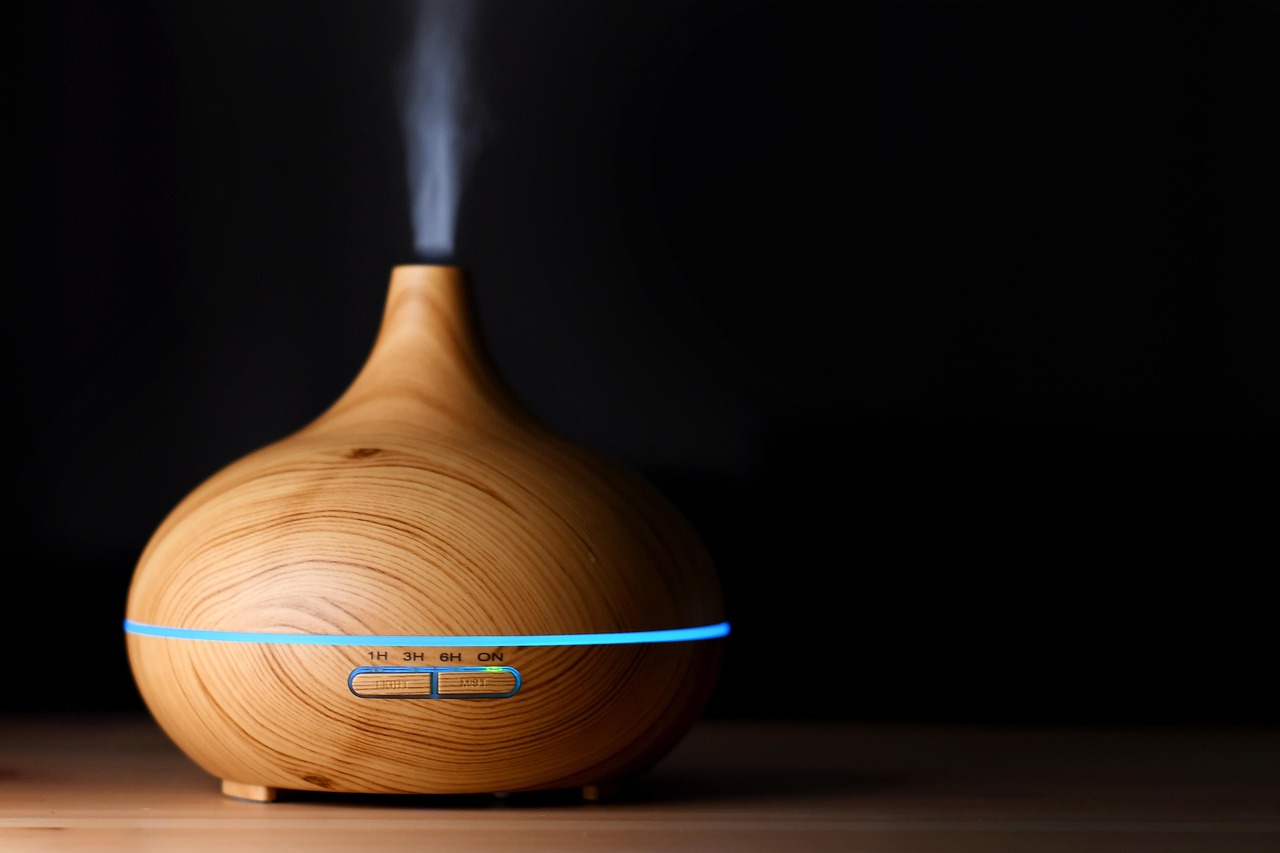
Cajeput Diffuser Blends for Crisp, Clean Air
There is something quietly satisfying about walking into a room that simply smells clean. Not perfumed. Not masked. Just open, airy, and alive. Cajeput essential oil has that quality in abundance: a bright, camphoraceous top note with a green, slightly medicinal edge that reads as freshness to most noses. Pair it with the right supporting oils, and you get a diffuser blend that feels like a window cracked on a cool morning.
This guide centers on one particular pairing that has become a favorite in our blending studio: Boswellia carterii frankincense from the coastal highlands of Somalia. It is an unusual choice alongside cajeput, and that is exactly why it works so well. Below, you will find a signature blend, full measurements in both drops and milliliters, step-by-step instructions, safety notes, storage guidance, and three variations to explore across different seasons and moods.
Why Boswellia carterii for This Blend
Frankincense is a large family. Boswellia serrata comes from India and sits heavier, more resinous. Boswellia sacra carries a bright citrus lift. Boswellia frereana is dry, almost woody and papery. Each has a distinct character, and choosing the wrong one for a given blend can muddy the whole composition.
Boswellia carterii is the classic frankincense of East African tradition. Distilled from resin tapped along the Somali coast, it carries a warm, slightly spiced woodiness undercut by a surprisingly clean, almost aquatic quality. That aquatic note is the key. It does not compete with cajeput's brightness. Instead, it anchors it, giving the blend a sense of depth without tipping into heaviness.
The result is a diffuser blend that opens with cajeput's crisp green lift, then settles into something warmer and more grounded as the carterii resinous middle registers. For daytime diffusing in a home office, a kitchen, or a living room, this arc feels energizing at the top and comfortable at the finish. You can explore our Boswellia carterii essential oil if you want to see the full aroma profile before you blend.
For more on how cajeput behaves in home diffuser contexts, the complete guide to cajeput in the fresh home covers its character in detail.
The Signature Blend: Coastal Clarity
This recipe is sized for a standard 100 ml ultrasonic diffuser. The total essential oil volume keeps the blend within a safe and comfortable aromatic range for a typical room. For a 200 ml diffuser, double the measurements. For a 300 ml diffuser, triple them, but consider reducing the total diffusing time rather than just scaling up.
Ingredients
| Essential Oil | Drops | Approximate Volume | Role in Blend |
|---|---|---|---|
| Cajeput (Melaleuca cajuputi) | 5 drops | 0.25 ml | Top note, crisp green freshness |
| Boswellia carterii frankincense | 3 drops | 0.15 ml | Middle-base, warm resinous depth |
| Bergamot (Citrus bergamia, bergapten-free) | 2 drops | 0.10 ml | Top-middle, bright citrus lift |
| Cedarwood Atlas (Cedrus atlantica) | 2 drops | 0.10 ml | Base, dry woody grounding |
| Total | 12 drops | 0.60 ml |
Note: Always use bergapten-free (FCF) bergamot in diffuser blends where people may have sun exposure shortly after, or substitute with lemon or sweet orange if you prefer.
Equipment
- 100 ml ultrasonic diffuser, cleaned and dry
- Small amber glass bottle (5 ml) for pre-mixing the blend
- Dropper or orifice reducer for each oil
- Label and pen
Step-by-Step Blending Instructions

- Start with the heaviest oil. Add cedarwood Atlas to your small amber bottle first. Heavier base notes tend to sink, so adding them first helps them integrate when the lighter oils are layered on top.
- Add the frankincense. Boswellia carterii is moderately viscous. Allow each drop to fall fully before counting. Add 3 drops to the bottle.
- Add the bergamot. This is the lightest in texture of the four oils. It will mix readily. Add 2 drops.
- Add the cajeput last. Cajeput's volatility means it benefits from being added at the end, just before you seal the bottle and swirl. Add 5 drops.
- Cap and swirl gently. Do not shake vigorously. A slow, circular wrist movement for about 15 seconds allows the oils to marry without creating air bubbles or disturbing the aromatic molecules unnecessarily.
- Rest the blend. Allow the pre-mixed bottle to sit, capped, for at least 30 minutes before using. Some blenders prefer to rest blends overnight. The aroma will round out and become more cohesive.
- Fill your diffuser. Add water to your diffuser's fill line, then add 8 to 12 drops of your pre-mixed blend directly to the water. For a lighter experience in a larger room, start with 8 drops. In a smaller, enclosed space, 6 drops may be sufficient.
- Label and date your pre-mix bottle. Include the blend name and the date you made it.
Diffuser Operation and Timing
Run your diffuser in 30-minute on, 30-minute off cycles rather than continuously. Continuous diffusion in an enclosed space can become overwhelming, and your nose adjusts quickly, which means you stop noticing the scent while still being exposed to it. Intermittent cycles keep the aroma fresh and pleasant.
Good ventilation is worth mentioning. Diffusing in a room with a small amount of airflow (a cracked window or a door left ajar) allows the aroma to circulate rather than accumulate in one spot.
Dilution Ratios and Safety Notes
For ultrasonic diffuser use, there is no carrier oil involved, so traditional dilution percentages (as used in topical applications) do not directly apply. Instead, the relevant safety practice is controlling the number of drops relative to room size and diffusion duration.
As a general guideline for ultrasonic diffusers:
- Small room (under 150 sq ft): 3 to 6 drops total per 100 ml of water
- Medium room (150 to 300 sq ft): 6 to 10 drops total per 100 ml
- Large open space (300 sq ft and above): 10 to 15 drops total per 100 ml, or use a second diffuser
Patch testing note: Patch testing applies to topical use, not diffusion. However, if you are new to any oil in this blend, diffuse for a short period in a well-ventilated space first to assess your personal sensitivity to the aroma.
Cajeput-specific caution: Cajeput essential oil is high in 1,8-cineole. Diffuse in spaces where infants, young children, and pets are not present, or use at the lower end of drop recommendations and ensure good ventilation. Some individuals find high-cineole oils stimulating in the evening; this blend is better suited to daytime or early evening use.
Frankincense carterii: Generally regarded as well-tolerated in diffusion for most adults. As with all essential oils, those who are expecting should consult a qualified healthcare provider before incorporating new aromatic oils into their routine.
Storage and Shelf Life
Your pre-mixed blend in an amber glass bottle will keep well if stored correctly. The two most important factors are light exposure and temperature.
- Location: Store in a cool, dark cupboard away from direct sunlight and heat sources. Avoid the bathroom cabinet if it is a humid environment.
- Temperature: Ideal storage temperature is between 10 and 20 degrees Celsius (50 to 68 degrees Fahrenheit).
- Shelf life: Citrus components (bergamot) are the most volatile and will begin to shift in aroma after 6 to 12 months. The full blend is best used within 12 months of mixing for the most vibrant scent experience. Cajeput and frankincense carterii are both relatively stable; it is the bergamot top note you will notice changing first if the blend is stored for too long.
- Signs of age: If the blend smells flat, muted, or sharply different from when you first made it, it is time to mix a fresh batch.
Three Variations to Explore
Variation 1: Morning Shoreline
This version leans into the aquatic quality of carterii with a brighter citrus emphasis. It suits early morning diffusing well, when you want a sense of alertness and openness in a room.
| Essential Oil | Drops |
|---|---|
| Cajeput | 5 |
| Boswellia carterii | 2 |
| Lemon (Citrus limon) | 4 |
| Spearmint (Mentha spicata) | 1 |
Spearmint adds a softer minty quality than peppermint. It reads as clean and slightly sweet rather than sharp. Only one drop is needed; more would overpower the blend.
Variation 2: Still Afternoon
This version is quieter. The cajeput drops back slightly, and a small amount of vetiver anchors the blend in something earthy and grounding. Good for a home office during a long work stretch, when you want the room to smell clean but not stimulating.
| Essential Oil | Drops |
|---|---|
| Cajeput | 3 |
| Boswellia carterii | 4 |
| Cedarwood Atlas | 3 |
| Vetiver (Chrysopogon zizanioides) | 1 |
Vetiver is dense. One drop goes a long way, and it can take up to an hour of diffusion before it fully expresses in the room. Be patient with this one.
Variation 3: Crisp and Coniferous
This variation swaps cedarwood for Scotch pine and adds a small amount of black spruce for a forest-floor quality. It pairs particularly well with cajeput, since both oils share a somewhat camphoraceous character that reads as deeply clean and bracing.
| Essential Oil | Drops |
|---|---|
| Cajeput | 4 |
| Boswellia carterii | 3 |
| Scotch pine (Pinus sylvestris) | 3 |
| Black spruce (Picea mariana) | 2 |
Pine and spruce oils have their own safety considerations at higher concentrations. Keep total drop counts in the lower range for this one, particularly in smaller rooms.
Getting the Most from These Cajeput Diffuser Recipes
The quality of the individual oils matters enormously in these clean air diffuser blends. A carterii that smells flat or overly alcoholic (a sign of adulteration or poor distillation) will not bring that aquatic, resinous depth that makes the blend work. Cajeput that smells harsh or chemical rather than bright and green will tip the whole composition in the wrong direction. Source carefully, and buy in small quantities until you have confirmed the quality of a supplier.
Crisp diffuser blends like these also benefit from a clean diffuser. Essential oil residue builds up over sessions, especially with resinous oils like carterii. Wipe your diffuser reservoir with a damp cloth between sessions, and do a more thorough rinse with a few drops of rubbing alcohol followed by a water rinse every few uses.
If you want to take cajeput further into your home environment beyond diffusing, 12 ways to use cajeput oil for a fresh-smelling home is a good next step. And if you are interested in working cajeput into DIY surface cleaning, this DIY cleaning spray guide covers formulation and scent considerations in detail.
A small notebook kept near your diffuser is one of the best blending tools you can have. Log the date, the exact drops, the room, and how the blend felt at different points in the diffusion cycle. Over time, those notes become a personal library of what works for your space and your nose.
Blending is iterative. The signature recipe here is a starting point, not a fixed formula. Adjust the cajeput upward if you want more brightness. Pull it back if the camphoraceous edge feels too present on a given day. Let the carterii come forward if the room needs something warmer. These oils are generous with information. Pay attention, and they will tell you what the blend needs.