
Where to Buy Cajeput Oil Online: A Smart Shopper's Guide
Cajeput oil has a devoted following among aromatherapy enthusiasts, formulators, and anyone who appreciates a clean, sharply green scent with camphoraceous depth. But searching for cajeput oil for sale online can feel overwhelming. The product pages all look similar, the Latin names shift, and the price range swings wildly from suspiciously cheap to eye-wateringly expensive.
This guide cuts through that noise. It covers what quality actually looks like, which features matter when you compare bottles side by side, where to order cajeput essential oil with confidence, and the red flags that should make you close a browser tab immediately.
What Cajeput Oil Actually Is (and Why Sourcing Matters)
Cajeput essential oil is steam-distilled from the leaves and young twigs of Melaleuca cajuputi, a paperbark tree native to Southeast Asia and northern Australia. The oil sits in the same botanical family as tea tree and niaouli, which explains the family resemblance in scent, though cajeput has its own distinct profile: brighter, more eucalyptus-like, with a sweet green undertone that the others lack.
Sourcing geography shapes the oil's character considerably. Indonesian cajeput (particularly from Sulawesi and Maluku) tends toward a slightly sweeter, more medicinal-smelling profile. Vietnamese and Australian-adjacent material can read crisper and greener. Neither is objectively better; they suit different blending purposes. If you want to explore how those regional differences play out in a formula, the cajeput blending guide for crisp camphoraceous accords breaks it down by scent family and use case.
Quality Indicators: What to Look For Before You Buy
Not all cajeput oil for sale is created equal. These are the markers that separate a well-sourced product from one that will disappoint you.
GC/MS Testing (Gas Chromatography/Mass Spectrometry)
This is the single most important quality indicator. A GC/MS report shows the chemical composition of the oil batch, including its dominant constituents such as 1,8-cineole (eucalyptol), alpha-terpineol, and limonene. Good-quality cajeput typically shows 1,8-cineole content in the range of 45 to 65 percent. Reputable sellers publish these reports online or provide them on request. If a company cannot produce one, move on.
Botanical and Country of Origin Information
The label or product page should state the full Latin name (Melaleuca cajuputi) and the country where the plant was grown and the oil distilled. Vague listings that say only "cajeput" with no origin country are a minor warning sign, not a dealbreaker on its own, but they suggest the seller is not investing in traceability.
Distillation Method
Steam distillation is standard for cajeput. Some cheaper products on the market are solvent-extracted or redistilled to reduce cost. Steam-distilled oil retains a cleaner, truer aromatic profile. Look for this specification on the product page.
Packaging
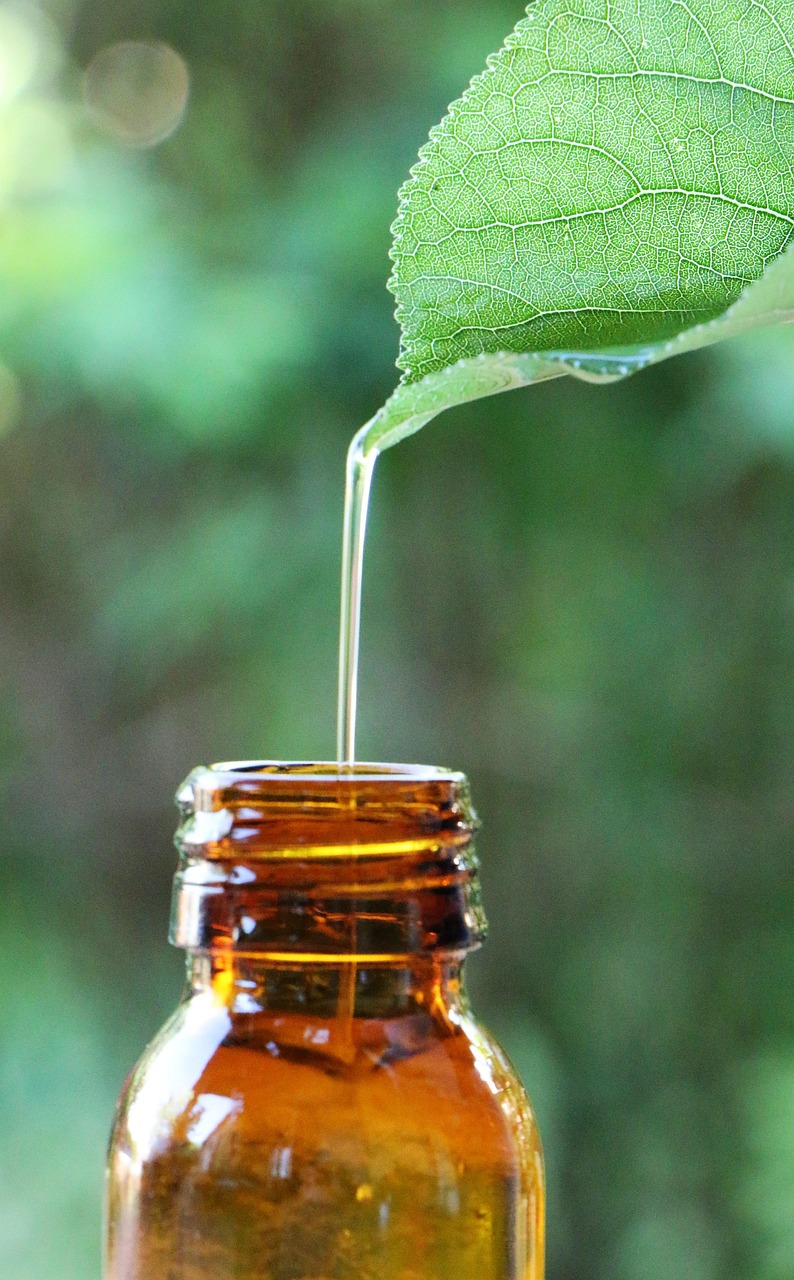
Essential oils degrade when exposed to light and air. Cajeput should always be sold in dark amber or cobalt blue glass bottles. Any cajeput oil sold in clear glass or plastic is a quality concern worth noting. Proper packaging signals that the seller understands basic oil preservation.
Batch Transparency
Premium sellers include a batch or lot number on the bottle itself, tied to a specific GC/MS report. This lets you verify exactly what is in your bottle rather than relying on a generic report posted for a previous production run.

Key Features to Compare Side by Side
When you have two or three options open in separate tabs, use this checklist to make a fair comparison.
- Cineole percentage: Check the GC/MS report. Higher 1,8-cineole content (within the natural range) typically means a cleaner, more aromatic oil.
- Volume options: Does the seller offer 5 ml, 10 ml, 30 ml, and larger sizes? Good range signals a seller who serves both casual buyers and formulators.
- Price per milliliter: Divide the total cost by the volume. This is the only honest way to compare pricing across different bottle sizes.
- Return or satisfaction policy: Reputable essential oil retailers stand behind their product. Look for a clear policy before you commit.
- Shipping speed and origin: Domestic US warehousing versus international shipping affects both lead time and cost. Factor this into your total.
- Certifications: Organic certification (USDA or equivalent), fair trade, or ISO certification can add value depending on your priorities. They are not required for a good oil, but they do indicate additional layers of oversight.
Price Tiers: What You Can Expect at Each Level
Cajeput is not an expensive oil relative to florals or resins, but quality still correlates meaningfully with price. Here is a general breakdown.
| Price Tier | Typical Price per 10 ml | What You Typically Get |
|---|---|---|
| Budget | Under $4 | No GC/MS data, vague sourcing, often private-label with no traceability. Suitable for very casual use but not recommended for formulation. |
| Mid-range | $4 to $9 | GC/MS reports available, clear Latin name and origin, dark glass packaging. The sweet spot for most buyers. |
| Premium | $10 and above | Batch-specific testing, organic certification, detailed provenance, sometimes small-batch or single-origin. Ideal for professional formulators and discerning blenders. |
If you are purchasing larger volumes for a business or craft production, the economics shift considerably. Bulk purchasing often brings mid-range quality into a very competitive price-per-milliliter range. For a detailed look at how bulk sizing and pricing work, the wholesale cajeput oil guide covers everything from 100 ml to kilogram quantities.
Where to Buy Cajeput Oil Online

Here are the main channel types, with honest notes on what each does well and where each falls short.
Dedicated Essential Oil Retailers
Companies that sell only, or primarily, essential oils tend to invest the most in quality infrastructure. They typically offer GC/MS reports, clear sourcing information, and knowledgeable customer support. Plant Therapy, Florihana, and Eden Botanicals are frequently cited in the aromatherapy community for transparency. These are good starting points when you order cajeput essential oil for the first time.
Direct-to-Consumer Aromatherapy Brands
Brands like doTERRA and Young Living sell through independent distributors rather than retail channels. Pricing at this tier tends to be higher, and the purchasing process involves a distributor relationship. Quality is generally consistent, but the markup reflects the sales model. Worth considering if you already have a trusted distributor in your network.
Amazon and General Marketplaces
Convenience is real here. Amazon carries cajeput from multiple sellers, including some reputable brands. The challenge is that marketplace listings vary enormously in quality, and counterfeit or adulterated oils do appear. If you use Amazon, buy from the brand's own storefront rather than a third-party reseller, and verify that GC/MS data is accessible before purchasing.
Wholesale and Bulk Suppliers
If you are formulating products for sale or need large volumes for personal use, wholesale channels offer significant savings. Companies like Bulk Apothecary, New Directions Aromatics, and Essential Wholesale and Labs cater to small businesses and serious hobbyists. Minimum order quantities vary by supplier.
Specialty Soap and Cosmetic Supply Stores
Retailers like Brambleberry or The Sage also stock cajeput as part of broader fragrance and cosmetic ingredient inventories. These can be a convenient one-stop shop if you are already buying other cosmetic raw materials.
Red Flags to Avoid
Some warning signs are obvious. Others are subtle enough that shoppers miss them even after years of buying oils.
- "Therapeutic grade" labeling: This phrase has no regulatory definition. It is a marketing term, not a quality standard. Its presence on a label tells you nothing verifiable about the oil's purity.
- No GC/MS data available: Any seller who cannot or will not share testing data for a batch is asking you to trust them without evidence.
- Uniform pricing across all oils: Lavender, sandalwood, and cajeput should not cost the same. If a seller prices every oil identically regardless of rarity or production cost, the oils are likely diluted or of inconsistent quality.
- Plastic bottles: Essential oils will leach chemicals from most plastics over time. Cajeput sold in plastic is either improperly stored or intended for very short-term use only.
- Implausible health claims on the product page: Any seller making strong disease-related claims on their product pages is signaling either ignorance of regulations or willingness to mislead. Both are reasons to shop elsewhere.
- No contact information or physical address: Legitimate essential oil businesses are traceable. Anonymous sellers with only a contact form and a P.O. box deserve extra scrutiny.
Practical Tips Before You Click "Add to Cart"
A few habits can save you money and frustration over the long run.
- Start with a small size. Order a 5 ml or 10 ml bottle from a new supplier before committing to a larger purchase. Scent profiles and overall quality are easier to assess when you have not already spent a significant amount.
- Read the GC/MS report, not just the summary. The full report shows minor constituents that a summary might omit. Unusual constituent profiles can indicate adulteration or improper storage.
- Check the harvest or distillation date. Essential oils are not indefinitely shelf-stable. Cajeput kept properly has a shelf life of around two to three years. A bottle distilled four years ago and sitting in a warehouse is not ideal.
- Note the cap type. A reducer cap (also called an orifice reducer) inside the bottle neck helps control dispensing and reduces oxidation during use. Cheap bottles often omit this feature.
Getting More from Your Purchase
Once your cajeput arrives, the question becomes how to use it well. Cajeput blends beautifully with eucalyptus, rosemary, lavender, and various citrus oils, making it a flexible addition to diffuser blends, room sprays, and cosmetic formulations. For pairing ideas grounded in scent chemistry and aromatic compatibility, the guide to what cajeput blends well with covers ten pairings worth exploring, from fresh morning diffuser combinations to earthy, grounding accords.
Knowing where to buy cajeput oil is really a matter of knowing what to ask for before you buy. GC/MS documentation, clear sourcing, proper packaging, and honest pricing signals tell you most of what you need to know. Sellers who invest in those things are the ones worth returning to.