
What Is Cajeput Oil? The Complete Guide to the Paperbark Essential Oil

Key Takeaways
- Cajeput oil is an essential oil steam-distilled from the leaves and twigs of Melaleuca cajuputi, a paperbark tree native to Southeast Asia and Australia.
- Its scent is fresh, camphoraceous, and slightly sweet, sitting somewhere between eucalyptus and tea tree with a softer edge all its own.
- The oil has been part of traditional aromatic and cosmetic practices across Indonesia, Malaysia, and beyond for centuries.
- Its primary chemical components include 1,8-cineole (eucalyptol), alpha-terpineol, and limonene, which shape both its aroma and its practical applications.
- Quality varies significantly by origin, harvest method, and distillation practice. Sourcing matters.
- Cajeput essential oil must always be properly diluted before skin contact, and it is not suitable for young children without professional guidance.
What Is Cajeput Oil?
Cajeput oil is an essential oil obtained by steam distilling the fresh leaves and young twigs of Melaleuca cajuputi, a tree in the myrtle family (Myrtaceae) that grows across the swampy coastal lowlands of Southeast Asia and northern Australia. The oil is pale yellow to nearly colorless, with a sharp, clean, slightly sweet aroma that has made it recognizable in aromatic traditions for hundreds of years.
The name itself traces back to the Malay word kayu putih, meaning "white wood" or "white tree," a nod to the tree's distinctive papery, peeling bark. You will encounter several spellings in older texts and product labels: cajeput, cajuput, and kajeput are all the same oil. On Indonesian product packaging and in local apothecaries, the oil is frequently listed simply as minyak kayu putih, which translates directly to "white wood oil."
Chemically, cajeput essential oil is dominated by the oxide compound 1,8-cineole (also known as eucalyptol), which it shares with eucalyptus and rosemary oils, though the overall aromatic profile is softer and more nuanced. Supporting compounds including alpha-terpineol, beta-caryophyllene, and limonene contribute a gentle sweetness and depth that set it apart from starker, more clinical-smelling oils in the same family.
In contemporary use, cajeput oil appears most often in aromatic blends, personal care formulations, and topical cosmetic products. It is a staple in many Southeast Asian households and has gained a steadily growing following in Western markets as people explore alternatives to better-known eucalyptus and tea tree oils.
"Cajeput has always been the quiet workhorse of the Melaleuca family. It does not shout. It simply gets on with things." A reflection shared often among aromatherapy educators who have worked with the full range of Melaleuca oils.
The Paperbark Tree: Melaleuca cajuputi
To understand cajeput oil, you need to spend a moment with the tree. Melaleuca cajuputi is a medium to large tree, typically reaching eight to twenty-five meters in height, though in ideal conditions it can grow taller. Its most immediately recognizable feature is its bark: thick, layered, creamy-white to pale grey sheets that peel back in papery strips to reveal softer wood beneath. This is the trait that earns the entire group the common name "paperbark trees."
The tree thrives in environments that would challenge many other species. It is well-adapted to seasonal flooding, tolerating waterlogged soils for extended periods. You find dense stands of M. cajuputi along river margins, in coastal swamp forests, and across the poorly drained plains of Maluku (the Moluccas), Sulawesi, Papua, and northern Australia. The Banda Sea islands, Java, and parts of mainland Southeast Asia also host significant populations.
Botanically, M. cajuputi belongs to the genus Melaleuca, which contains over two hundred and fifty species, most of them native to Australia. The genus sits within the broader myrtle family alongside familiar plants such as cloves (Syzygium aromaticum), allspice (Pimenta dioica), and guava (Psidium guajava). This shared botanical heritage explains why so many Myrtaceae plants are rich in aromatic essential oils.
The leaves are the source of the oil. They are narrow, lance-shaped, alternately arranged, and visibly dotted with oil glands when held up to light. Young leaves and fresh growth at the shoot tips carry the highest concentration of volatile compounds and are therefore the preferred raw material for distillation.
Flowering occurs in creamy-white bottlebrush-like spikes that attract a wide range of insects and birds. In regions where M. cajuputi forms extensive forests, these blooms create a striking seasonal spectacle. The trees are also ecologically significant: their dense root systems stabilize flood-prone soils, and their canopies provide habitat for numerous bird species.
For a deeper botanical portrait of this remarkable tree, see our dedicated article on Melaleuca cajuputi: the paperbark tree behind cajeput oil.

A History Rooted in Island Groves
Cajeput oil carries a long history. Communities across the Indonesian archipelago and the Malay Peninsula have used the leaves and extracted oil of M. cajuputi in traditional practices for centuries, long before European traders arrived in the Spice Islands. The oil held a recognized place in local aromatic and household traditions, and knowledge of its distillation was passed through generations of community producers.
European acquaintance with cajeput oil began in earnest during the era of Dutch colonial trade in the seventeenth and eighteenth centuries. Dutch and later British merchants encountered the oil in the Moluccas and began carrying it back to European markets, where it attracted considerable curiosity. By the eighteenth century, European apothecaries were stocking it, and it appeared in several European pharmacopoeias of the period, reflecting its widespread recognition as a notable botanical product from the East Indies.
The island of Buru in Maluku province has historically been considered one of the most important centers of cajeput oil production. The natural forests of M. cajuputi there, combined with generations of distillation expertise, gave Buru oil a particular reputation for quality. That reputation persists today among buyers who pay close attention to origin.
Indonesia remains the world's dominant producer of cajeput essential oil. The country produces several thousand metric tons annually, with significant output also coming from Vietnam, particularly from cultivated stands in the northern provinces. Australian production exists but is comparatively small, oriented more toward domestic use and specialty markets.
The full arc of cajeput's journey from island groves to global trade is a fascinating story in itself. We explore it in detail in our article on the history of cajeput from island groves to the world's shelves.
How Cajeput Oil Is Made
The production of cajeput essential oil follows the same fundamental logic as most essential oil manufacturing: steam distillation. The process extracts volatile aromatic compounds from plant material by passing steam through it, carrying those compounds into a cooling condenser where they separate from the water as oil.
Harvesting the Leaves
Harvesting is the first and, in many ways, most consequential step. Workers collect fresh leaves and young twigs, typically by hand, from both wild-growing forest stands and cultivated plantations. The timing of harvest matters: leaves gathered during or just before flowering often yield oil with slightly higher concentrations of key aromatic compounds. Freshness matters too. Leaves that sit in the heat for extended periods before distillation begin to lose volatile content.
In traditional Indonesian production, particularly on Buru and in parts of Java, harvesting is done with careful attention to not over-stripping individual trees. Sustainable harvesting practice leaves enough leaf material for the tree to recover and produce again in subsequent seasons. Plantation-grown material in Vietnam is often harvested on a more systematic rotation, with fields cut on predictable cycles.
The Distillation Process
The distillation equipment used in cajeput production ranges considerably in sophistication. Small, traditional stills in rural Indonesian communities are often simple copper or stainless-steel vessels heated over wood fires, operating on time-honored principles that have changed little in centuries. Larger commercial operations use more industrialized stainless-steel still systems capable of processing hundreds of kilograms of plant material per batch.
In either case, the packed leaves and twigs are exposed to steam, which volatilizes the aromatic compounds in the leaf oil glands. The steam and oil vapor travel together into a condensing coil cooled by cold water. As the vapor cools, it returns to liquid form. The oil, being less dense than water and largely immiscible with it, floats to the top of the separator and is drawn off.
A typical distillation run for cajeput takes between one and four hours depending on still size, plant material load, and steam pressure. The oil yield from fresh leaf material is approximately one to two percent by weight, meaning one hundred kilograms of leaves produces roughly one to two liters of oil.
Quality Differences Between Distillation Methods
The method of distillation leaves a fingerprint on the final oil. Very high steam temperatures or prolonged distillation can degrade delicate top-note compounds, producing an oil that smells flatter or more harshly camphoraceous than a well-managed run. Experienced distillers manage temperature and time carefully to preserve the nuanced, slightly sweet top notes that distinguish fine cajeput oil from commodity-grade product.
The water separated during distillation, known as the hydrosol or floral water, also retains light aromatic molecules and has its own applications in cosmetic formulations, though it is a secondary product and not the focus of most cajeput producers.
For a more detailed look at the production process, including how different distillation practices affect oil chemistry, visit our article on how cajeput oil is made: steam distillation in Southeast Asia.
Scent Profile and Chemical Composition
Cajeput oil's scent is one of its most defining qualities and the reason many people reach for it over more familiar alternatives. Understanding the chemistry helps explain not just how the oil smells, but why it behaves the way it does in formulations and diffusion.
The Aroma: What Cajeput Smells Like
The immediate impression of cajeput essential oil is clean and penetrating, with a camphoraceous freshness that opens sharply and then softens. Unlike the almost clinical blast of high-cineole eucalyptus oils, cajeput has a sweeter undertone that gives it more warmth. There is a faint fruitiness in the background, and some batches carry a light, almost floral suggestion that becomes noticeable as the top notes begin to diffuse.
In perfumery terms, cajeput reads primarily as a top note with some middle-note depth. It diffuses quickly in a blend, contributing brightness and lift before settling into the background. Its relatively low viscosity means it disperses readily in both water-based and oil-based formulations.
The scent varies perceptibly by origin. Buru Island oils tend to have a richer, slightly more complex sweetness compared to some Vietnamese-origin oils, which can be cleaner and more sharply cineolic. Neither is definitively superior. The choice depends on the application and personal preference.
We have written a full scent exploration for those who want to go deeper: what does cajeput oil smell like? A full scent profile.
Key Chemical Constituents
Gas chromatography and mass spectrometry (GC/MS) analysis of quality cajeput essential oil consistently reveals a core set of chemical compounds. The proportions shift somewhat with geographic origin, harvest season, and distillation conditions, but the major constituents remain recognizable across samples.
| Compound | Typical Range (%) | Aromatic Contribution |
|---|---|---|
| 1,8-Cineole (Eucalyptol) | 40 to 65% | Fresh, camphoraceous, clean |
| Alpha-Terpineol | 4 to 10% | Floral, pine-like, soft |
| Limonene | 3 to 8% | Bright, citrusy |
| Beta-Caryophyllene | 1 to 5% | Woody, spicy, earthy depth |
| Alpha-Pinene | 1 to 4% | Resinous, piney, green |
| Terpinen-4-ol | 1 to 3% | Earthy, slightly peppery |
| Gamma-Terpinene | 1 to 3% | Herbaceous, slightly citrus |
| Linalool | 0.5 to 2% | Floral, light, sweet |
The dominance of 1,8-cineole places cajeput in the same broad chemical category as eucalyptus, rosemary (ct. camphor and ct. cineole), and to a lesser degree, spike lavender. However, the presence of alpha-terpineol at meaningful levels gives cajeput its characteristic softness that higher-cineole oils lack. Terpinen-4-ol, more prominently associated with tea tree oil, also appears in cajeput, though at lower concentrations than in its more famous cousin.
How Chemistry Varies by Origin
Several chemotypes of M. cajuputi have been identified, meaning populations of the same species that produce oil with notably different chemical profiles due to genetic variation, soil conditions, and climate. Indonesian oils from the Maluku region and Australian-grown samples have been found to differ measurably in their cineole-to-terpineol ratios. This is not adulteration. It is the natural variation inherent in working with a wild and semi-wild plant species across a broad geographic range.
For buyers, this means that a reputable supplier should be able to provide GC/MS test results specific to each batch. A certificate of analysis that references only a generic average rather than actual batch data is a red flag in the quality conversation.
Uses and Applications in Cosmetics and Aromatherapy
Cajeput essential oil's applications in cosmetics and aromatic practice are genuinely broad. Its combination of fresh scent, reasonable skin tolerance at proper dilution, and compatibility with a wide range of carrier oils and cosmetic bases makes it a flexible ingredient.
Aromatherapy and Diffusion
Diffusing cajeput oil is one of the most accessible ways to explore its character. In a room diffuser, it creates an atmosphere that many people describe as airy, clarifying, and mentally refreshing. It works well in workspaces and study areas where a clean, invigorating scent may support focus. It also suits morning routines, where its brightness can help establish an alert, energized start to the day.
In a 100ml ultrasonic diffuser, four to six drops is a reasonable starting point. Diffuse in intervals (thirty minutes on, thirty minutes off) rather than continuously. This reduces potential sensory saturation and respects the volatility of the oil.
Cajeput blends well aromatically with:
- Eucalyptus (amplifies the fresh, airy quality)
- Peppermint (adds coolness and lift)
- Lavender (softens and balances the sharper notes)
- Rosemary (creates an herbaceous, invigorating blend)
- Lemon or bergamot (brightens and adds citrus freshness)
- Cedarwood or sandalwood (grounds the top notes with woody depth)
- Clove bud (adds warm spice for deeper, more complex blends)
Skincare Formulations
In cosmetic skincare, cajeput essential oil is used at low concentrations in cleansers, toners, face oils, and balms. Its fresh scent contributes to product character without overwhelming a formula, and formulators appreciate that it blends well with both lighter floral ingredients and heavier botanical base oils.
At appropriate dilution (typically 0.5 to 1% in facial products), cajeput oil adds aromatic interest and blends naturally with ingredients such as jojoba, rosehip, and squalane. It appears in products marketed for normal, combination, and oily skin types. Those with sensitive or reactive skin should introduce any cajeput-containing product slowly and always patch-test first.
In body care, cajeput sees use in balms, massage oils, and muscle rub formulations. A dilution of 1 to 2% in a carrier oil such as sweet almond or fractionated coconut oil creates a product suitable for general body massage. The fresh scent is often cited as a positive sensory element during and after application.
Hair Care
Cajeput oil has a history of use in scalp-focused hair care products. Its clean, fresh quality lends itself to shampoos and scalp serums where a brisk, invigorating scent supports the overall sensory experience. In formulations, it typically appears alongside other essential oils such as rosemary and peppermint.
For DIY hair oil, two to three drops per tablespoon of carrier oil (jojoba or argan work well) is a reasonable dilution for scalp application. Always apply to the scalp rather than lengths, and leave on for no more than thirty minutes before washing out if sensitivity is a concern.
Household and Aromatic Environment Uses
Cajeput oil has a long tradition of use in creating fresh-smelling household environments. It appears in some natural cleaning sprays and surface products for its crisp, clean scent, and it works well in linen sprays when properly dispersed in a water and alcohol base.
A simple room spray can be made by combining ten drops of cajeput with five drops of lavender and five drops of lemon in 100ml of water with a small amount of vodka or alcohol to help disperse the oils. Shake well before each use.
Traditional Aromatic Uses
In Indonesia and across much of Southeast Asia, minyak kayu putih is a household staple with a wide range of traditional aromatic uses. It is applied topically (diluted), inhaled directly from the bottle, and used in steam inhalation. These practices reflect generations of experience with the oil and are deeply woven into the cultural fabric of the region. While we focus here on cosmetic and aromatic applications, it is worth acknowledging that this cultural context shapes the oil's identity in important ways.
Cajeput Oil vs. Its Closest Relatives
Cajeput is often described in relation to two more familiar essential oils: tea tree and eucalyptus. Both comparisons are useful, but both also have limits. Understanding where cajeput overlaps with and diverges from these oils helps clarify when and why you might choose one over another.
Cajeput vs. Tea Tree Oil
Tea tree oil (Melaleuca alternifolia) is cajeput's closest botanical cousin. Both are distilled from Melaleuca species, and both contain terpinen-4-ol and 1,8-cineole, though in very different proportions. Tea tree oil is defined by high terpinen-4-ol (typically 30 to 48%) and low cineole (under 15% in quality oil), while cajeput reverses these priorities, leading with high cineole and containing much less terpinen-4-ol.
Aromatically, the difference is immediately apparent. Tea tree has an earthier, more medicinal, slightly musky quality. Cajeput is brighter, softer, and more approachable for people who find tea tree too harsh. In blending, tea tree anchors a formula while cajeput lifts it.
We compare these two oils in depth in our article on cajeput oil vs. tea tree oil: two Melaleucas, two personalities.
Cajeput vs. Eucalyptus Oil
Eucalyptus oil and cajeput share 1,8-cineole as their primary constituent, which means their aromatic profiles overlap in the camphoraceous, clean register. The key difference is intensity. Eucalyptus globulus, the most common commercial eucalyptus oil, has a cineole content that can reach 80% or higher. This creates a starker, more powerful aroma that some people find overwhelming.
Cajeput, with its cineole typically in the 40 to 65% range and its supporting cast of alpha-terpineol and limonene, offers a more nuanced, friendly version of that same fresh quality. It is worth considering cajeput as an alternative when eucalyptus is too sharp or intense for a given application or individual preference.
For a full comparison with practical guidance on choosing between them, see cajeput oil vs. eucalyptus oil: which fresh scent fits?
Cajeput vs. Niaouli
A third Melaleuca oil that frequently enters this comparison is niaouli (Melaleuca quinquenervia). Niaouli also contains significant 1,8-cineole but typically also contains nerolidol, a sesquiterpene alcohol that gives it a floral, almost rose-like warmth beneath the fresh top notes. This makes niaouli arguably the most complex-smelling of the three cineole-forward Melaleuca oils.
Cajeput sits between tea tree and niaouli in the spectrum of Melaleuca personalities: fresher and cleaner than niaouli, considerably softer and more approachable than tea tree when used aromatically.
| Oil | Botanical Name | Key Constituent | Scent Character | Common Application Focus |
|---|---|---|---|---|
| Cajeput | Melaleuca cajuputi | 1,8-Cineole (40-65%) | Fresh, sweet-camphoraceous, bright | Diffusion, skincare, body care |
| Tea Tree | Melaleuca alternifolia | Terpinen-4-ol (30-48%) | Earthy, medicinal, slightly sharp | Skincare, cleansing formulas |
| Eucalyptus | Eucalyptus globulus | 1,8-Cineole (up to 80%+) | Intensely camphoraceous, clinical | Diffusion, inhalation, cleaning |
| Niaouli | Melaleuca quinquenervia | 1,8-Cineole + Nerolidol | Fresh with warm, floral depth | Skincare, cosmetic blending |
Buying Quality Cajeput Oil: What to Look For
The essential oil market is not uniformly regulated, and the quality of cajeput oil available from different suppliers varies enormously. Learning to evaluate a product before you buy protects your money and ensures you get an oil that genuinely performs.
Indicators of Quality
Botanical name on the label. Any reputable cajeput essential oil should state the full Latin name: Melaleuca cajuputi. If a label reads only "cajeput oil" without a botanical name, that is a gap in transparency. It is not necessarily a sign of adulteration, but it prevents you from knowing exactly what you have purchased.
Country of origin. Knowing where the oil was produced matters. Indonesia (particularly Maluku and Java) and Vietnam are the two major sources. The choice between them is not necessarily about one being better than the other, but about knowing what you are paying for and being able to track consistency across batches.
Part of plant used and distillation method. Quality labels specify "leaves and twigs, steam distilled." This is the standard for genuine cajeput oil. Any other production method (solvent extraction, for example) would produce a very different product and should be flagged clearly.
Batch-specific GC/MS testing. A reputable supplier provides access to a certificate of analysis (COA) or GC/MS report for the specific batch you are purchasing. This confirms the chemical profile and gives you a basis for evaluating whether the oil meets quality benchmarks. Cineole content below 40% or above 70% is worth questioning. It may indicate adulteration, an unusual chemotype, or suboptimal raw material or distillation conditions.
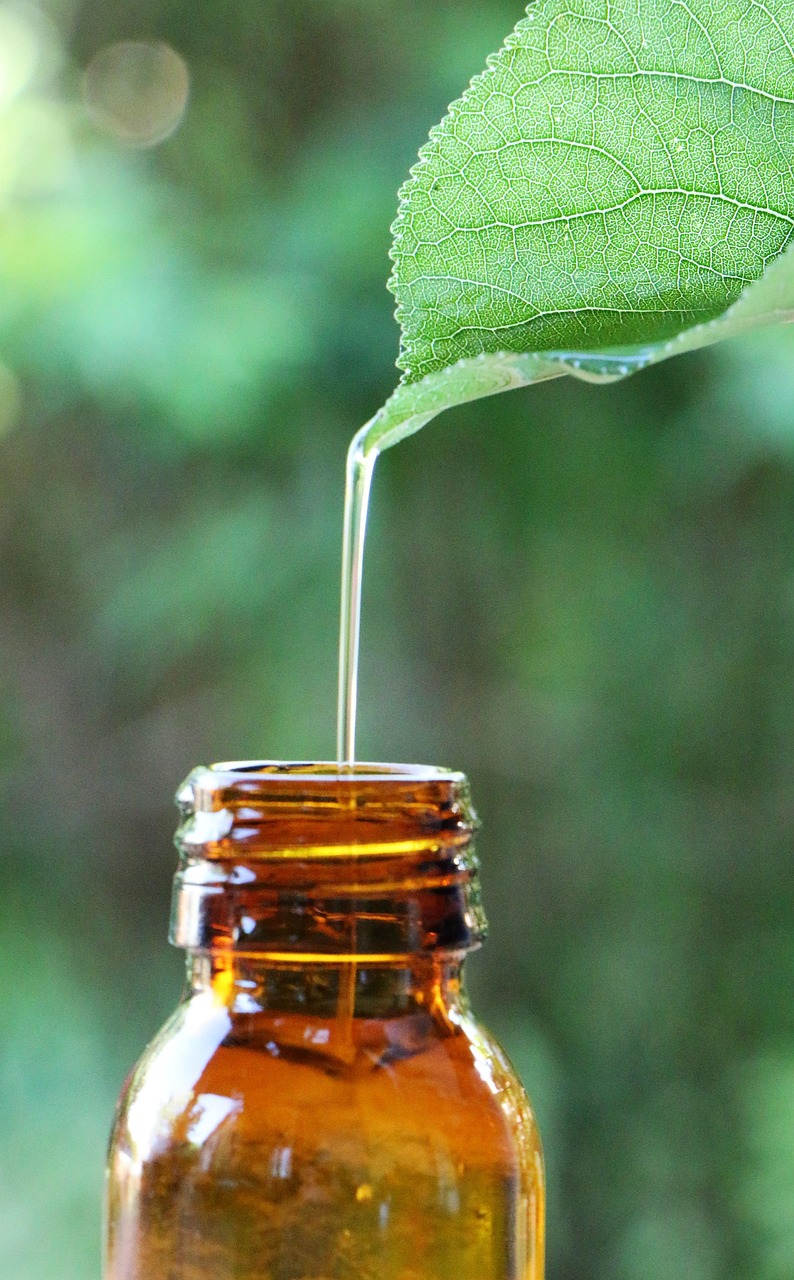
Packaging. Essential oils should be sold in dark glass bottles (amber or cobalt blue) with a dropper insert or orifice reducer. Clear glass allows light degradation. Plastic containers are inappropriate for undiluted essential oils, as the concentrated oil can interact with many plastic types.
Price as a quality signal. Cajeput is not among the most expensive essential oils, but very low prices should raise questions. A ten-milliliter bottle priced at under a dollar or two in a premium market context is almost certainly a commodity oil of uncertain quality or an adulterated product. Reasonable pricing reflects genuine distillation from proper raw material.
Common Adulterations to Be Aware Of
Cajeput oil is occasionally adulterated by the addition of synthetic 1,8-cineole (eucalyptol), cheaper eucalyptus oil, or turpentine fractions. A GC/MS report from a reputable independent lab will detect most of these additions. Buyers purchasing in larger quantities for formulation should routinely test incoming material regardless of supplier reputation.
Shelf Life and Storage
Properly stored cajeput essential oil has a shelf life of approximately two to three years from distillation. Storage in a cool, dark location (a cupboard away from heat sources) in a tightly sealed dark glass bottle is recommended. Exposure to heat, light, and oxygen accelerates oxidation, which degrades the aromatic quality and may increase the potential for skin sensitization with topical use.
Note the distillation date or bottling date on purchase. Many suppliers note only an expiry date. The distillation date is more informative, as it anchors the freshness of the material from the point of production.
Safety Guidelines and Dilution
Cajeput essential oil is a concentrated plant extract. Used correctly, it is compatible with a wide range of cosmetic and aromatic applications. Used carelessly, it can cause skin irritation or sensitization. These guidelines apply broadly. Always consult a qualified healthcare provider before using essential oils if you have any specific health considerations, are pregnant or nursing, or are introducing oils to children.
Dilution Ratios
Essential oils should never be applied undiluted to the skin. This is called using them "neat," and while some practitioners advocate for it with certain oils, the risk of sensitization with repeated exposure is real. For cajeput, the following dilution guidelines reflect standard cosmetic practice:
| Application | Suggested Dilution | Drops per 10ml Carrier |
|---|---|---|
| Facial skincare (most skin types) | 0.5 to 1% | 1 to 2 drops |
| Facial skincare (sensitive skin) | 0.25 to 0.5% | 0.5 to 1 drop |
| Body massage oil | 1 to 2% | 2 to 4 drops |
| Localized body balm or rub | 2 to 3% | 4 to 6 drops |
| Bath oil (dispersed in carrier first) | 1 to 2% in dispersant | 5 to 10 drops total in bath |
| Scalp oil | 1 to 2% | 2 to 4 drops |
These are general guidance ranges based on standard cosmetic formulation practice. Individual sensitivity varies. When introducing any new essential oil to your routine, begin at the lower end of the dilution range.
Patch Testing
Before applying any new diluted cajeput preparation to a larger area of skin, perform a patch application. Apply a small amount of the diluted product to the inner forearm. Cover and leave for 24 hours. If redness, itching, swelling, or any other reaction occurs, discontinue use. A patch application does not guarantee that no reaction will occur during longer-term use, but it is a meaningful first screen.
Use Around Children
Oils with high 1,8-cineole content, including cajeput, eucalyptus, and rosemary, are not recommended for use near young children, particularly infants and toddlers. The cineole content is the concern. Seek guidance from a qualified aromatherapy practitioner or healthcare provider before using cajeput oil in any context involving children under ten years old. Diffusion in a closed space with young children present is not advisable.
Pregnancy and Nursing
Essential oil use during pregnancy and while nursing is a topic where professional guidance is essential. The existing evidence base for safety of specific essential oils in these contexts is limited. Consult your midwife, obstetrician, or a qualified aromatherapy practitioner before incorporating cajeput or any other essential oil into your routine during pregnancy.
Eye and Mucous Membrane Avoidance
Cajeput oil should not come into contact with eyes, the inside of the nose, or other mucous membranes in undiluted or highly concentrated forms. If contact occurs, flush thoroughly with a carrier oil (not water, which does not disperse essential oils) and seek appropriate guidance.
Oxidized Oil
As cajeput oil ages and oxidizes, its skin sensitization potential increases. Discard oil that has changed color (become notably yellow or brown when it was previously pale), developed an off or rancid smell, or that has been stored poorly over a long period. The small cost of a fresh bottle is worthwhile.
Aromatherapy Diffusion Safety
Diffuse cajeput in well-ventilated spaces. Avoid continuous diffusion for hours at a time. Those with respiratory sensitivities should introduce diffused cajeput cautiously, starting with short diffusion periods and low drop counts, and discontinue if any discomfort occurs. Pets, particularly cats and birds, can be sensitive to diffused essential oils. Diffuse only in spaces with good ventilation and where pets can leave the room if they choose.
As a general principle: essential oils are potent botanical extracts. Respecting their concentration, using them thoughtfully, and maintaining proper dilution disciplines makes them a genuinely enjoyable part of a cosmetic and aromatic routine.
Bringing It All Together
Cajeput essential oil is, in many ways, an underappreciated gem of the essential oil world. It lacks the marketing momentum of tea tree and the name recognition of eucalyptus, yet it offers something genuinely distinct: a fresh, camphoraceous scent with a sweetness and depth that make it more versatile and more pleasant in many applications than its better-known relatives.
Its story spans centuries and continents, from the paperbark groves of the Banda Sea to the shelves of contemporary natural cosmetic brands. The tree behind it is botanical engineering at its most elegant, adapted to flood and seasonal extremes in ways that have made it ecologically significant across a vast range. The oil it produces is a direct expression of that vitality, concentrated into a small dark glass bottle.
Understanding what cajeput oil is, where it comes from, how it is made, and what to look for in a quality product puts you in a strong position to handle it with appropriate care regarding dilution and safety. Use it with proper care, and it rewards that attention with consistent, enjoyable performance across a wide range of cosmetic and aromatic applications.
For next steps, explore our related articles:
- What does cajeput oil smell like? A full scent profile
- Melaleuca cajuputi: the paperbark tree behind cajeput oil
- How cajeput oil is made: steam distillation in Southeast Asia
- A history of cajeput from island groves to the world's shelves
- Cajeput oil vs. tea tree oil: two Melaleucas, two personalities
- Cajeput oil vs. eucalyptus oil: which fresh scent fits?