
Cajeput Essential Oil Bottle Sizes: Which to Order First
You've decided on cajeput. Good call. Now you're staring at a product listing that offers five different bottle sizes, and you're not sure whether to start small or commit to something larger. This guide breaks down the decision clearly so you spend your money wisely and keep your oil at peak quality for as long as possible.
Cajeput essential oil (distilled from Melaleuca cajuputi leaves and twigs, primarily in Indonesia and Vietnam) has a crisp, camphoraceous scent with subtle eucalyptus and clove undertones. It's a workhorse in the blending room and a distinctive addition to personal care products. The bottle size you choose affects everything: cost per milliliter, oxidation rate, and how quickly you'll realistically work through the supply.
Why Bottle Size Matters More Than You Might Think
Essential oils oxidize over time once a bottle is opened. Every time you remove the cap, oxygen enters. Cajeput contains a relatively high proportion of 1,8-cineole, and like all cineole-rich oils, it remains fairly stable compared to more resinous or high-linalool oils. Still, oxidation does occur, and a half-empty bottle oxidizes faster than a nearly full one.
The practical rule is simple: buy the size you will finish within 12 to 18 months of opening. If you use cajeput occasionally in room diffusion or as a single note in seasonal blends, a 10 ml bottle may last you that entire window. If you're formulating a product line, a 100 ml bottle barely gets you started.
Cost per milliliter drops significantly as you move up in size, but that savings evaporates if half the oil oxidizes before you use it. Bigger is not automatically better.
Standard Bottle Sizes and Who They Suit
5 ml (Approximately 100 drops)
This is the sampler size. If you've read about cajeput but never worked with it firsthand, a 5 ml bottle lets you assess the scent profile before buying more. Cajeput's sharpness surprises some people who expect something closer to tea tree. A small bottle gives you room to experiment with ratios in blends without financial risk.
Retail pricing for a quality 5 ml bottle from a reputable supplier typically runs between $4 and $8. At that price point, the cost-per-ml is high, but the low entry cost makes sense for first-time buyers. Look for suppliers who still use the same grade of oil in small bottles as in large ones. Some brands quietly downgrade quality in smaller retail sizes.
10 ml (Approximately 200 drops)
The 10 ml bottle is the most popular starting size for home aromatherapy enthusiasts and casual formulators. It's enough oil to test the ingredient in two or three small batches of a product, run a diffuser regularly for a season, or blend a personal fragrance project from start to finish.
Expect to pay $7 to $14 for a quality 10 ml bottle. Anything priced dramatically below this range warrants extra scrutiny on sourcing and testing documentation.
30 ml (1 fluid ounce)
This is where value starts to arrive. The 30 ml size suits anyone who has already decided they like cajeput and wants to keep it as a regular part of their routine. Soap makers, candle formulators, and small-batch skincare producers often land here as their default purchase. It's also a good size for a blending enthusiast who works through several projects per year.
A well-sourced 30 ml bottle should run $18 to $30. The price range reflects real differences in origin, distillation method, and third-party testing, not just brand markup.

100 ml (Approximately 3.4 fluid ounces)
At 100 ml, you've crossed into semi-professional territory. This size makes sense for small cottage businesses, product developers running stability tests, or dedicated home formulators who use cajeput as a primary note. The cost-per-ml advantage over 10 ml and 30 ml bottles is meaningful at this level, often 30 to 50 percent lower depending on the supplier.
For more context on why pricing shifts the way it does at this volume, the article on how cajeput oil is priced and production costs from Indonesia is worth reading before you place an order.
500 ml and 1 Liter
These sizes move into bulk purchasing. Unless you are running a consistent production schedule, the oxidation risk at these volumes is real. A 500 ml bottle opened and used slowly over three or four years will not deliver the same scent performance in year four as it did in year one. If your usage volume justifies it, the savings are substantial. If not, the math does not work in your favor.
Anyone seriously considering bulk purchasing should read the wholesale cajeput oil guide covering bulk sizes and pricing before committing. Minimum order quantities, freight costs, and storage requirements all change the equation.
What to Look for in a Quality Cajeput Oil Bottle
The Bottle Material
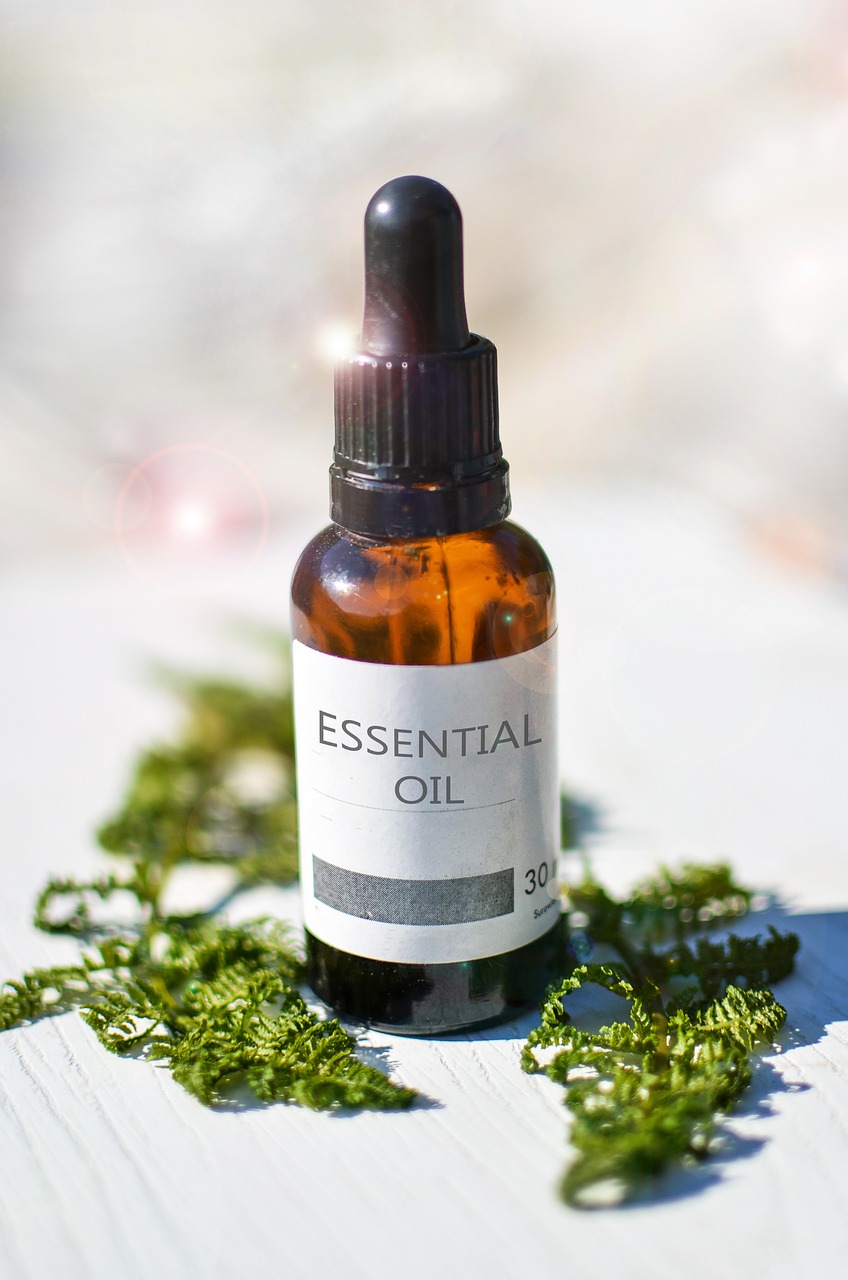
Amber or cobalt glass is standard for a reason. Essential oils degrade in the presence of UV light, and clear glass offers no protection whatsoever. If you see cajeput sold in a clear glass or clear plastic bottle, treat that as a red flag. Some suppliers use PET plastic for larger sizes (250 ml and above), which is generally acceptable for storage periods under six months, but glass remains the preferred material for retail sizes.
The Cap and Dropper
A quality retail bottle should have a euro-dropper insert (also called an orifice reducer) that allows controlled, drop-by-drop dispensing. This matters because it limits oxygen exposure during each use. Some bulk bottles arrive with standard screw caps and no dropper, which is fine for professional transfer into smaller working bottles but not ideal for direct use.
Check that the cap seals tightly. A loose or poorly fitting cap allows evaporation and oxidation between uses, which shortens the oil's useful life noticeably.
Labeling and Documentation
A reputable seller labels each bottle with the botanical name (Melaleuca cajuputi), country of origin, batch or lot number, and a best-by or fill date. Some also include GC/MS (gas chromatography/mass spectrometry) test results, either printed on the label or accessible via a QR code or batch number lookup.
GC/MS data tells you the actual chemical composition of that specific batch. For cajeput, you're looking for 1,8-cineole levels typically in the 50 to 65 percent range, alongside terpineol, limonene, and beta-caryophyllene. A legitimate supplier will share this information willingly. One who refuses or can't provide it is worth skipping.
Red Flags to Avoid

- Suspiciously low prices: Pure cajeput has real production costs. A 30 ml bottle priced at $4 is almost certainly adulterated, diluted in a carrier oil, or mislabeled entirely.
- No botanical name on the label: "Cajeput oil" without Melaleuca cajuputi listed means you cannot confirm what you're actually buying.
- "Fragrance oil" or "scented oil" language: These are synthetic products. They are not essential oils. The difference matters enormously for any application involving skin contact or diffusion.
- Clear or plastic retail bottles: As noted above, these suggest a supplier who is either cutting corners or unfamiliar with proper essential oil handling.
- No batch traceability: If the supplier cannot tell you where and when a specific bottle was produced, you have no way to assess freshness.
- Vague origin claims: "Southeast Asia" is not a country of origin. Quality sourcing is specific. Indonesian cajeput (particularly from the Maluku Islands) and Vietnamese cajeput have slightly different aromatic profiles, and a knowledgeable supplier will tell you exactly which you're getting.
Key Features to Compare Across Suppliers
| Feature | What to Look For | Why It Matters |
|---|---|---|
| Bottle material | Amber or cobalt glass | Blocks UV degradation |
| Cap type | Euro-dropper with tight-fitting cap | Controls dispensing, limits oxidation |
| Botanical name | Melaleuca cajuputi on label | Confirms species identity |
| Country of origin | Specific country listed (Indonesia, Vietnam) | Allows scent profile comparison |
| GC/MS testing | Batch-specific results available | Verifies purity and composition |
| Fill date or batch number | Printed on label or packaging | Confirms freshness |
| Price per ml | Drops meaningfully at larger sizes | Helps calculate true value |
Where to Buy
Specialty essential oil suppliers with transparent sourcing practices are your best starting point. Look for companies that distill directly or work with a small number of known distilleries, rather than brokers who aggregate from anonymous sources. The transparency gap between these two categories is large and consequential.
Marketplaces like Amazon can yield quality products, but the verification burden shifts entirely to you. On those platforms, always confirm you are buying directly from the brand, not a third-party reseller, and always check that the listing includes the botanical name and batch documentation.
Local health food stores and co-ops often carry cajeput in 10 ml or 15 ml sizes from a handful of established brands. The in-store advantage is that you can sometimes smell a tester before purchasing. The disadvantage is that shelf turnover is unpredictable, and a bottle that has been sitting under fluorescent lights for eighteen months is not at its best.
For blending-focused buyers, direct-to-consumer essential oil brands that publish their sourcing stories and GC/MS reports online are generally the most reliable option. They tend to have higher turnover, meaning fresher stock, and they are more likely to answer questions about origin and distillation method before you buy.
Pairing Your Size Decision with Your Actual Use Case
Before you finalize your cajeput essential oil bottle selection, think honestly about how you plan to use the oil. Diffusion alone moves through oil slowly. A 10 ml bottle used only in an ultrasonic diffuser might last a year or longer. Product formulation, on the other hand, can consume 5 ml in a single batch of scrub or shampoo bar.
If you're planning to incorporate cajeput into original blends, the cajeput blending guide for crisp camphoraceous accords gives a strong foundation for estimating how much oil your planned projects will actually require. That kind of pre-planning prevents both the frustration of running out mid-project and the waste of over-buying.
For most first-time buyers, the 10 ml bottle is the right starting point. It's low risk, it gives you genuine working experience with the oil's scent character, and it lets you graduate to a 30 ml or 100 ml bottle with confidence once you know cajeput has earned a regular place in your practice.