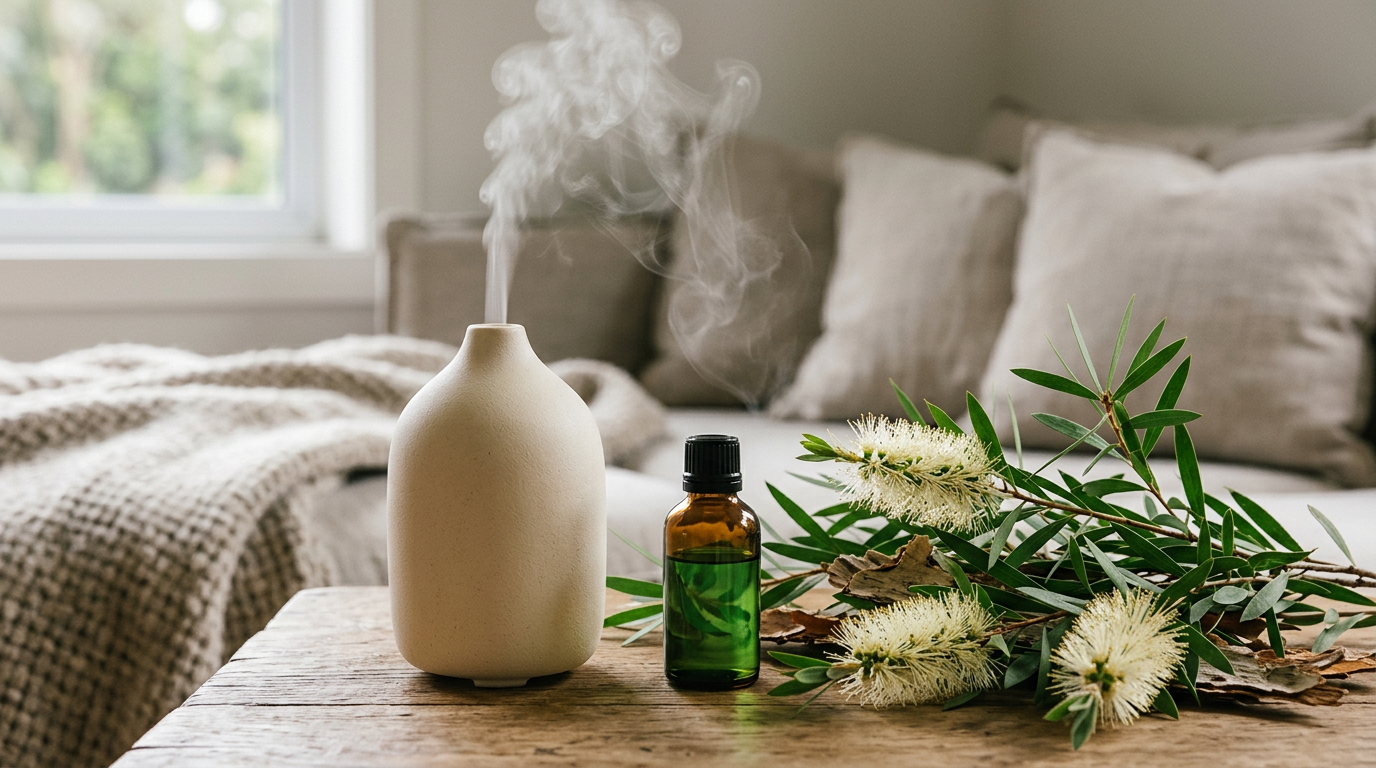
How to Scent Your Car with Cajeput Oil: Vent Clips and Diffuser Discs
A car cabin holds scent differently than a bedroom or an office. It's a small, enclosed space that heats up in the sun, cools down overnight, and gets blasted by the AC or heater every time you drive. That makes it a tricky place to keep any fragrance consistent, but it also means a little essential oil goes a long way. Cajeput oil, distilled from the leaves and twigs of the Melaleuca cajuputi tree, has a fresh, camphoraceous scent with a slightly sweet, medicinal edge, somewhere between eucalyptus and tea tree. Used in a car diffuser or on a vent clip, it can bring a clean, energizing note to a commute or a long road trip.
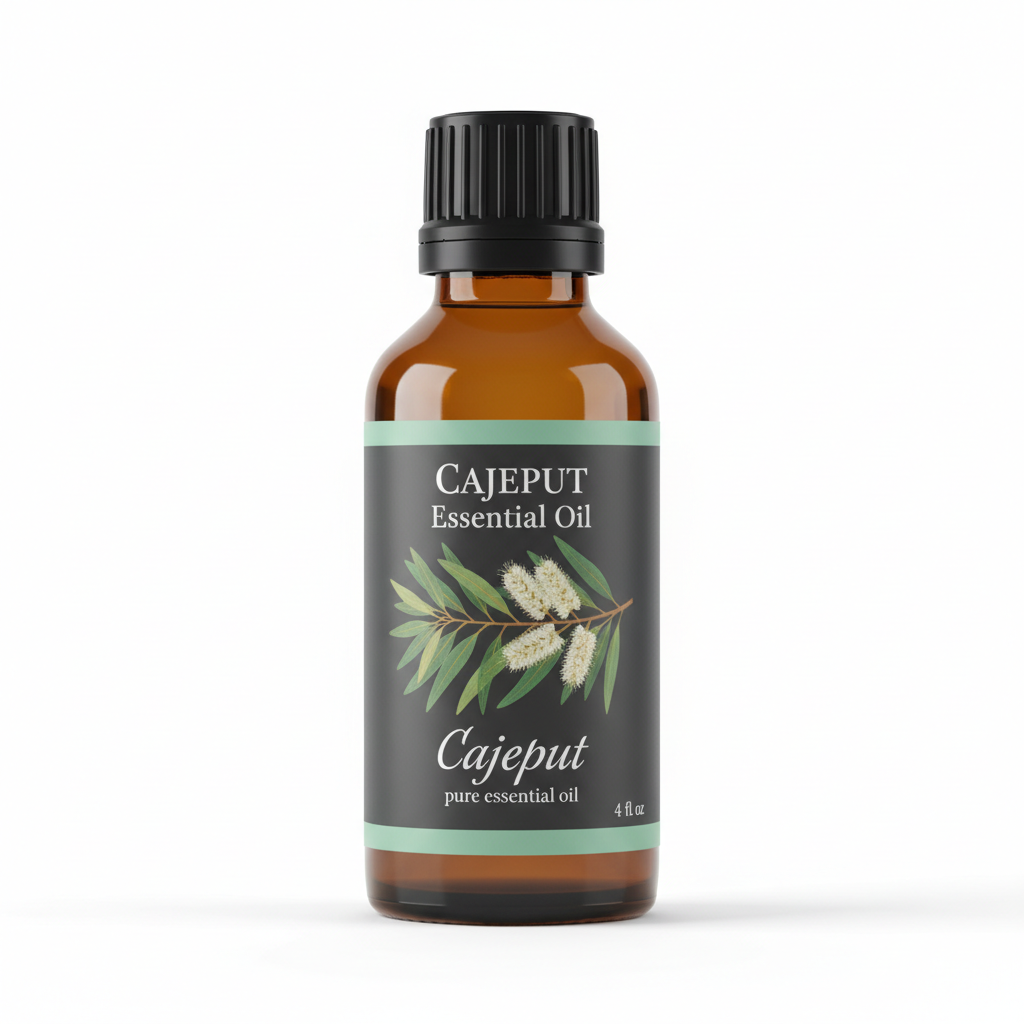
Cajeput Essential Oil
Our own Cajeput Essential Oil, in sizes from 0.5 oz to bulk.
From $9.99
Shop Now →This guide walks through two of the simplest ways to bring a cajeput oil car scent into your daily drive: wooden or felt vent clips, and small absorbent diffuser discs. Both are low-cost, low-mess, and don't require any wiring or batteries.
Why People Reach for Cajeput Oil in the Car
Cajeput oil is a cousin of tea tree and niaouli, part of the same Melaleuca family, and it shares that family's crisp, green, slightly herbal profile. In an open room the scent can feel sharp, but diluted into the small volume of a car cabin, it tends to soften into something more like a fresh breeze than a straight-up medicine cabinet smell. Some people describe it as invigorating, which is part of why it shows up in car diffuser blends aimed at keeping a driver alert on long stretches of highway. None of that is a guarantee of any particular effect, and it shouldn't be read as one. It's simply a scent preference many people report enjoying behind the wheel.
Because the oil is fairly potent, a car is actually a forgiving place to use it. You don't need the room-filling volume you might use in a diffuser at home. A drop or two, refreshed every few days, is usually plenty.
What You'll Need
- A bottle of cajeput oil (100% pure, ideally steam-distilled and from a supplier that shares batch-specific testing)
- Wooden or felt vent clips (unfinished wood or unscented felt absorbs oil best)
- Absorbent diffuser discs or clay pendant discs, sized for a cup holder or console tray
- A glass dropper or the bottle's built-in orifice reducer, for controlled drops
- A small dish or lid to use as a resting surface while the oil sets
- A soft cloth for wiping up any drips
- Optional: a second neutral carrier oil (like fractionated coconut oil) if you want to stretch coverage on a larger clip
Skip plastic clips if you can. Plastic doesn't absorb oil the way wood or felt does, so the scent tends to sit on the surface and fade within a day instead of releasing gradually.
Method 1: Using a Vent Clip
Vent clips work by sitting directly in the airflow, so every time the fan runs, it carries a little of the oil's scent through the cabin. They're the easiest option if you want something you can set and mostly forget for a week or two.
- Choose an unscented, absorbent clip. Wood, cork, and felt all work. If your clip came pre-scented from the manufacturer, that fragrance will compete with the cajeput oil, so start with a plain one.
- Apply 3 to 5 drops directly onto the clip's absorbent surface. Hold the clip over the small dish while you do this so any excess drips there instead of onto your seats or carpet.
- Let the clip sit for 5 to 10 minutes before attaching it. This gives the oil time to soak in rather than sit wet on the surface, which reduces the chance of it transferring onto your fingers or the vent fins when you clip it in place.
- Attach the clip to a lower or side vent, not the vent closest to your face. A clip mounted too close to the driver's seat can make the scent feel overwhelming within a few minutes, especially in a small cabin.
- Run the fan on low for a minute or two after attaching. This helps distribute the initial, stronger scent evenly instead of leaving one pocket of the car much stronger than the rest.
- Refresh with 2 to 3 drops every 3 to 5 days, depending on how much you drive and how strong you like the scent. Wood and felt both lose potency gradually rather than all at once, so you'll likely notice a gentle decline before it disappears completely.
Method 2: Using a Diffuser Disc
Diffuser discs are typically made of pressed clay, ceramic, or a dense felt material, and they're designed to sit somewhere flat rather than clip onto a vent. They release scent more slowly and evenly than a vent clip because they aren't sitting directly in moving air, which makes them a good option for the console, glovebox, or under a seat.
- Pick a flat, stable spot. A cup holder, the console tray, or a small dish tucked under the passenger seat all work well. Avoid spots in direct sunlight, since heat speeds up evaporation and can shorten how long the scent lasts.
- Place the disc on a small saucer or lid first. Clay and ceramic discs can leave a faint ring of oil behind, so a protective surface underneath saves your upholstery or console finish.
- Add 4 to 6 drops of cajeput oil to the center of the disc. Spread the drops out slightly rather than pooling them in one spot, which helps the oil wick evenly through the material.
- Wait 10 to 15 minutes before placing it in the car. This allows the strongest initial scent to mellow slightly, so you're not hit with a wall of fragrance the moment you start the engine.
- Set the disc in your chosen spot and close the car up for a few hours if possible. A closed cabin lets the scent build gradually and settle into the fabric and air more evenly than if the windows are down right away.
- Reapply every 4 to 7 days. Diffuser discs generally hold scent a bit longer than vent clips since they aren't exposed to constant airflow, but the exact timing depends on your car's interior temperature and how often you drive.
Tips for a Longer-Lasting Cajeput Oil Car Scent
- Keep clips and discs out of direct sun. A dashboard in summer sun can exceed 150°F, which speeds up evaporation and can also degrade the oil's quality over time.
- Store your bottle in the glovebox or a bag, not loose in a cup holder. A spilled bottle in a hot car is a mess that's hard to fully clean out of upholstery.
- Rotate clip placement occasionally. Moving a vent clip between the driver and passenger side vents every so often helps prevent the scent from concentrating too heavily in one part of the cabin.
- Combine methods for a stronger baseline. A vent clip for a quick burst when the fan kicks on, paired with a diffuser disc for a steady background note, tends to feel more balanced than relying on just one.
- Crack a window for 30 seconds if the scent feels too strong. Cajeput is potent enough that a hot, closed car can build up more fragrance than you expect, especially after it's been parked all day.
Common Mistakes to Avoid
- Using too much oil at once. More drops don't make the scent last longer, they just make the first day or two much stronger than intended, and it can crowd out the ability to notice it at all after a while.
- Applying oil directly to fabric seats, headliners, or leather. Cajeput oil can leave a stain or mark on porous or finished surfaces. Always apply to a dedicated clip, disc, or absorbent pad, never straight onto your car's interior.
- Skipping the drying time. Attaching a freshly soaked clip means wet oil can transfer to your hands, the vent fins, or your steering wheel the next time you adjust it.
- Placing a diffuser disc where kids or pets can reach it. Curious hands and paws are common in cars, and essential oils aren't meant to be handled by small children or chewed on by pets.
- Buying oil without knowing its sourcing. A car cabin is a closed, warm space, which makes it worth using an oil you trust. Look for a supplier that publishes batch-specific lab results rather than a vague purity claim.
- Assuming stronger always means fresher. A car that smells overwhelming after a few hours parked in the sun isn't a sign to add more oil. It usually means the existing scent needs a chance to air out first.
What to Expect
Results vary by car size, how often you drive, and how sensitive your nose is to camphoraceous scents in general. Many people report noticing a fresh, clean aroma within the first few minutes of driving with a newly applied clip or disc, with the intensity gradually softening over several days rather than dropping off all at once. Some describe the scent as helping the cabin feel less stale, especially compared to synthetic air fresheners, though this is anecdotal and will differ from person to person. As with any diffused scent, your nose will adjust to it faster than a passenger's will, so what feels subtle to you may still be quite noticeable to someone getting in for the first time.
A Note on Safe Use
Cajeput oil is potent, and undiluted oil can be irritating if it contacts skin directly, so handle clips and discs by their edges when possible and wipe up any drips promptly. Keep bottles, clips, and discs well out of reach of children and pets, and never apply the oil directly to skin without diluting it in a carrier oil first, following a supplier's recommended ratio. If you're pregnant, nursing, managing a chronic condition, or unsure whether a particular essential oil is a good fit for your household, it's worth checking with a qualified healthcare provider before introducing it into a shared space like a car. A patch test on a small, hidden area of fabric is also a smart step before applying any new oil near upholstery, since reactions and staining can vary by material.
Bringing It Together
A cajeput oil car diffuser setup doesn't need to be complicated. A vent clip gives you a quick, airflow-driven burst of scent, while a diffuser disc offers a steadier, longer background note. Many drivers find that a light hand, a few drops refreshed every few days, works better than a heavy application refreshed less often. Whether you're setting up your first cajeput oil vent clip or swapping out a synthetic car air freshener essential oil for something simpler, the same basic principles apply: use an absorbent, unscented base, keep it out of direct sun, and let the oil do the work gradually instead of all at once.